Best Fruits For Women's Health
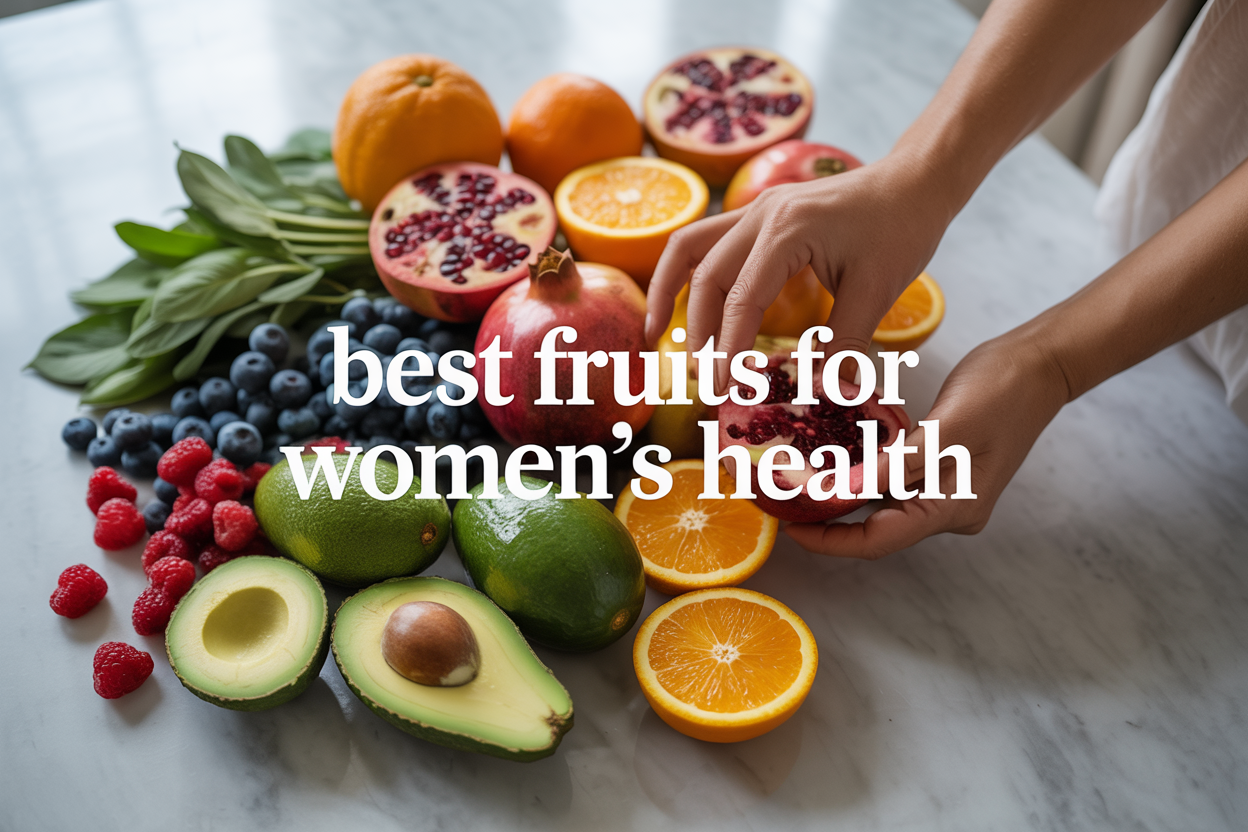
Women face unique nutritional challenges throughout their lives, from managing hormones to supporting pregnancy and preventing bone loss. The best fruits for women's health can address these specific needs while delivering essential vitamins and minerals that keep you feeling energized and looking radiant.
This guide is for women of all ages who want to make smarter food choices that support their bodies' changing requirements. Whether you're dealing with hormonal fluctuations, planning for pregnancy, or simply wanting to age gracefully, the right fruits can make a real difference in how you feel every day.
We'll explore hormone-balancing fruits that support reproductive health and help regulate your cycle naturally. You'll also discover iron-rich fruits that fight fatigue and prevent anemia, plus calcium-dense options that protect your bones as you age. Finally, we'll cover antioxidant powerhouse fruits that keep your skin glowing and support healthy aging from the inside out.
Hormone-Balancing Fruits for Reproductive Health
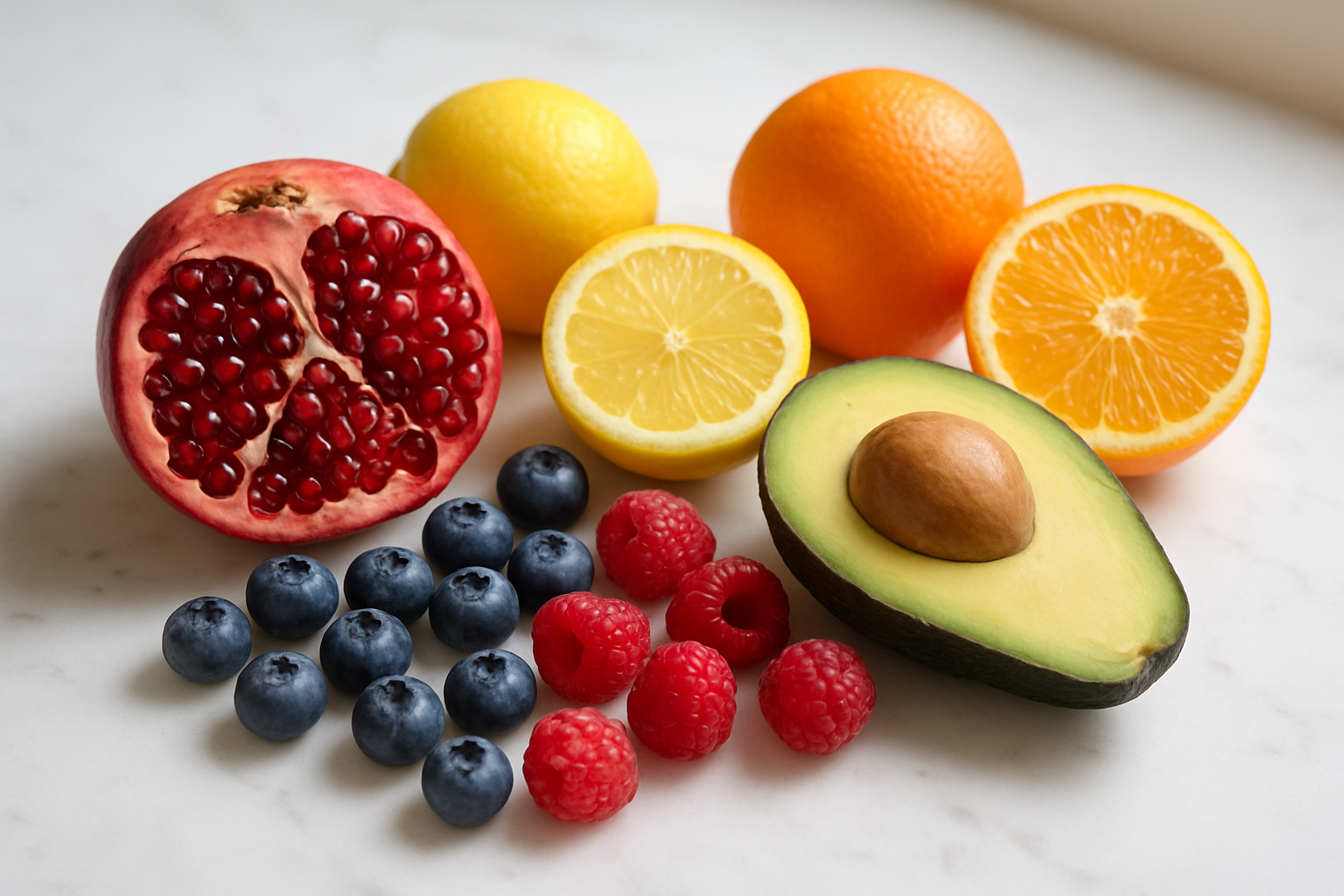
Pomegranates for estrogen regulation and menstrual cycle support
Pomegranates pack a powerful punch when it comes to hormone balancing fruits for women. These ruby-red gems contain natural compounds called phytoestrogens, which can help your body maintain healthy estrogen levels throughout your menstrual cycle. The antioxidants in pomegranates, particularly ellagic acid and punicalagins, work behind the scenes to support your reproductive system's delicate balance.
Studies show that women who regularly consume pomegranate juice experience more regulated menstrual cycles and reduced PMS symptoms. The fruit's anti-inflammatory properties also help ease cramping and mood swings that many women face during their monthly cycle. Try adding fresh pomegranate seeds to your morning yogurt or blend them into a smoothie for a hormone-supporting boost.
Cherries for natural melatonin and sleep hormone balance
Tart cherries are nature's sleep aid and one of the best fruits for reproductive health when it comes to hormone regulation. These small but mighty fruits contain natural melatonin, the hormone your body produces to regulate sleep cycles. Quality sleep is crucial for maintaining healthy hormone levels, especially cortisol, growth hormone, and reproductive hormones.
Women who struggle with insomnia or irregular sleep patterns often see improvements in their overall hormonal health after incorporating cherries into their diet. The natural melatonin in cherries helps reset your circadian rhythm, which directly impacts how your body produces and processes hormones. Drink a small glass of tart cherry juice about an hour before bedtime, or snack on fresh cherries as an evening treat.
Avocados for healthy fats that support hormone production
Your body needs healthy fats to produce hormones, and avocados deliver exactly what you need. These creamy fruits are loaded with monounsaturated fats, which serve as building blocks for hormone production, particularly estrogen and progesterone. The healthy fats in avocados also help your body absorb fat-soluble vitamins like vitamins D, E, and K, all essential for hormonal health.
Beyond the fats, avocados provide folate, potassium, and vitamin B6, which work together to support your reproductive system. Women who include avocados in their regular diet often report more stable energy levels and fewer hormonal fluctuations. Add half an avocado to your daily meals - whether mashed on toast, blended in smoothies, or sliced in salads.
Figs for calcium and reproductive system nourishment
Fresh and dried figs offer unique benefits for women's reproductive health through their impressive mineral profile. These sweet fruits contain significant amounts of calcium, potassium, and iron, creating a perfect combination for supporting your reproductive system. The calcium in figs helps with muscle contractions during menstruation and supports overall reproductive function.
Figs also contain amino acids that help regulate hormone production and natural sugars that provide steady energy without causing blood sugar spikes. The fiber in figs supports healthy digestion, which plays a crucial role in hormone metabolism and elimination. Enjoy 3-4 fresh figs as a snack, or add chopped dried figs to oatmeal and salads for a hormone-supporting treat that satisfies your sweet tooth naturally.
Iron-Rich Fruits to Combat Anemia and Boost Energy
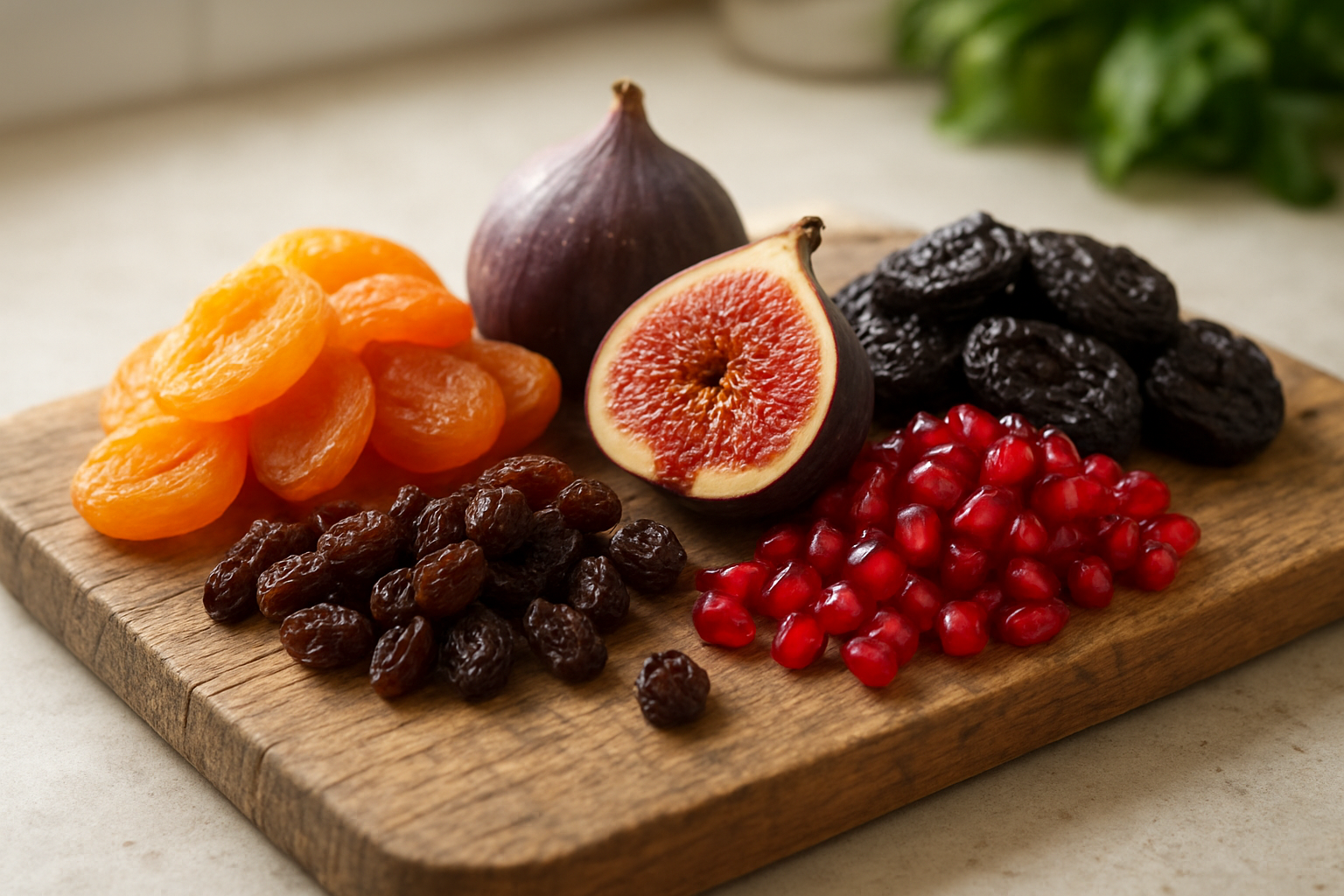
Dried Apricots for Concentrated Iron Absorption
Dried apricots pack a powerful punch when it comes to iron rich fruits for women. Just half a cup provides about 1.9 mg of iron, which is roughly 10% of a woman's daily needs. The dehydration process concentrates the nutrients, making these golden gems incredibly efficient for combating iron deficiency.
What makes dried apricots special is their vitamin C content, which enhances iron absorption in your body. This natural pairing means you're getting maximum benefit from every bite. They're also loaded with beta-carotene, which converts to vitamin A and supports healthy skin and immune function.
Keep a small bag in your purse for an energy-boosting snack, or add them to your morning oatmeal. Just remember to choose unsulfured varieties when possible to avoid unnecessary chemicals.
Prunes for Iron Content and Digestive Health Benefits
Prunes deserve recognition beyond their reputation as a digestive aid. These dried plums contain about 0.9 mg of iron per half cup, making them valuable allies in preventing anemia. Their fiber content supports gut health, which plays a crucial role in nutrient absorption.
The natural sugars in prunes provide steady energy without the crash associated with processed sweets. They also contain potassium, vitamin K, and antioxidants that support overall women's health. Add them to smoothies, trail mix, or enjoy them on their own as a satisfying snack.
Raisins for Convenient Iron Supplementation
Small but mighty, raisins offer an incredibly convenient way to boost your iron intake. A quarter cup contains approximately 0.8 mg of iron, plus they're portable and shelf-stable. This makes them perfect for busy women who need quick nutrition on the go.
Raisins also provide natural sugars that fuel your brain and muscles. Mix them into yogurt, sprinkle over salads, or grab a handful between meals. Their natural sweetness can help curb sugar cravings while delivering essential nutrients.
Mulberries for Iron and Antioxidant Combination
Mulberries combine impressive iron content with powerful antioxidants, making them exceptional antioxidant fruits for skin health. Fresh mulberries provide about 1.9 mg of iron per cup, while dried versions offer concentrated nutrition in smaller portions.
These berries contain anthocyanins, the same compounds that give blueberries their superfood status. They support cellular health and may help reduce inflammation throughout the body. Add them to smoothies, cereals, or enjoy them fresh when in season.
Dates for Natural Iron and Sustained Energy Release
Dates provide both iron and natural sugars that release energy gradually, preventing the afternoon energy crash many women experience. Two large dates contain about 0.2 mg of iron along with potassium, fiber, and natural compounds that support hormone balance.
The natural sweetness makes them perfect for satisfying dessert cravings while contributing to your iron intake. Stuff them with nuts for a protein boost, or blend them into energy balls for a nutritious treat that supports sustained energy levels throughout your day.
Calcium-Dense Fruits for Strong Bones and Osteoporosis Prevention
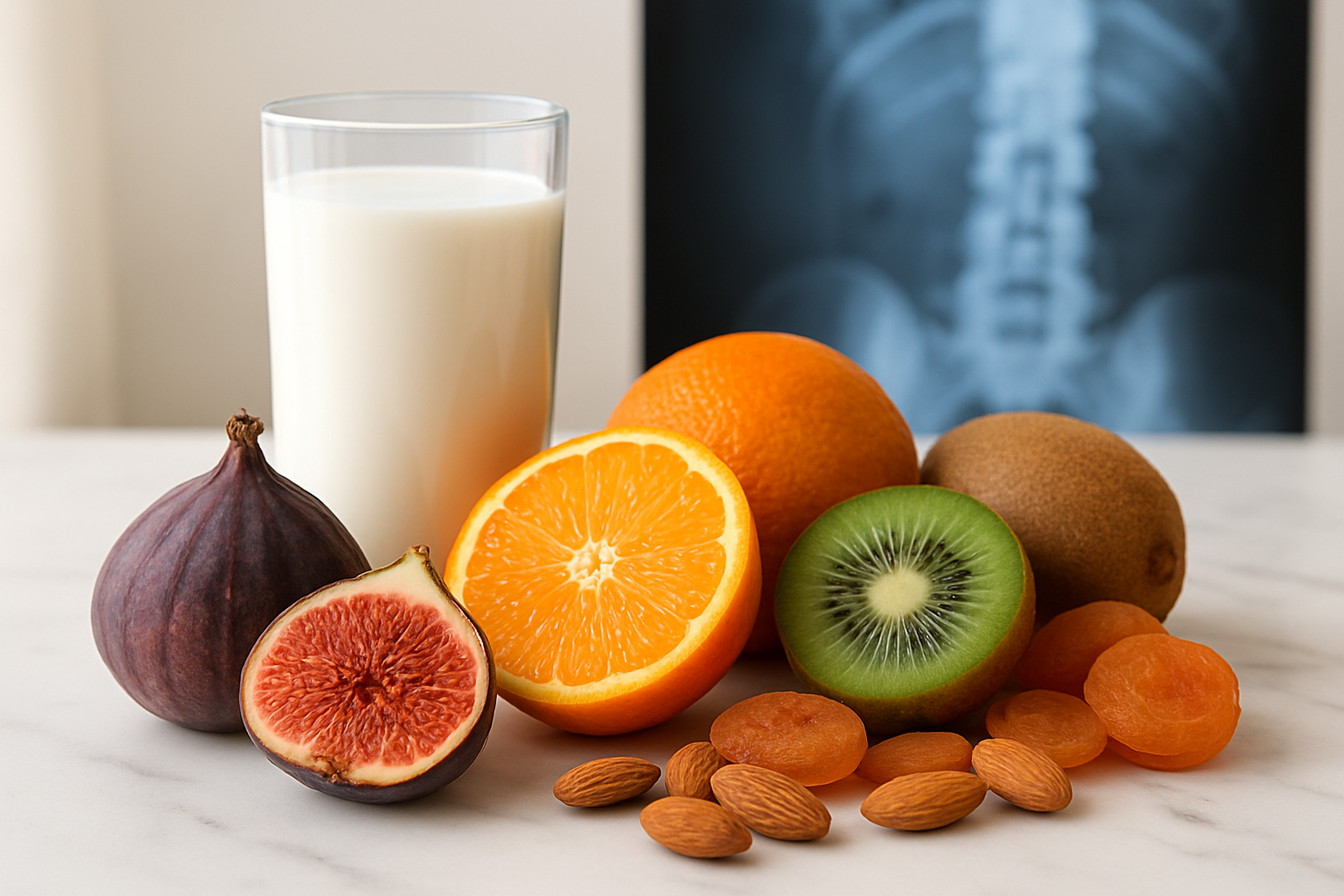
Oranges for calcium and vitamin C bone-building synergy
Oranges pack a surprising nutritional punch when it comes to calcium rich fruits for women's bone health. A medium orange contains about 52 milligrams of calcium, which might seem modest compared to dairy products, but here's where things get interesting. The vitamin C in oranges - roughly 70 milligrams per fruit - acts as a bone-building catalyst that dramatically improves calcium absorption in your body.
This vitamin C powerhouse helps your body synthesize collagen, the protein matrix that gives bones their flexible strength. Without adequate vitamin C, your bones become brittle and prone to fractures. The combination of calcium and vitamin C in oranges creates what nutritionists call a "synergistic effect" - each nutrient enhances the other's effectiveness.
Women approaching menopause especially benefit from this dynamic duo. As estrogen levels drop, bone density decreases rapidly. The hesperidin found in orange peel and pulp has shown promise in animal studies for maintaining bone mass. Add orange zest to smoothies or eat the white pith under the peel to maximize these benefits.
Blackberries for calcium content and bone mineral density
Blackberries deserve serious recognition among fruits for bone health. These dark purple gems contain approximately 42 milligrams of calcium per cup, but their bone-protective benefits extend far beyond their calcium content. Research published in bone health journals shows that blackberries can significantly impact bone mineral density through their rich anthocyanin content.
The deep purple pigments in blackberries - anthocyanins - have demonstrated remarkable bone-protective properties in clinical studies. These compounds help reduce bone resorption, the process where old bone tissue breaks down faster than new tissue forms. Women who regularly consume anthocyanin-rich berries show measurably higher bone density scores compared to those who don't.
Blackberries also provide manganese, a trace mineral that's crucial for bone formation and cartilage development. One cup delivers about 47% of your daily manganese needs. This mineral works alongside calcium to strengthen the bone matrix and prevent osteoporosis.
The fiber in blackberries offers an additional bonus - it supports gut health, which directly impacts nutrient absorption. A healthy gut microbiome improves your body's ability to extract and utilize calcium from all food sources.
Kiwi fruits for calcium absorption and collagen support
Kiwi fruits might be small, but they're mighty contributors to women's bone health. While containing about 34 milligrams of calcium per fruit, kiwis excel as best fruits for women's health through their exceptional vitamin C content - nearly 85 milligrams per medium kiwi, which exceeds most citrus fruits.
This vitamin C abundance directly supports bone health by promoting collagen synthesis. Collagen forms the scaffolding that gives bones their structure before calcium and other minerals fill in the framework. Without adequate collagen, bones become weak and fracture-prone, regardless of calcium intake.
Kiwis also contain vitamin K, often overlooked but essential for bone metabolism. Vitamin K activates osteocalcin, a protein that binds calcium to bones. Women with higher vitamin K intake show significantly lower fracture rates and better bone density measurements.
The magnesium in kiwis - about 23 milligrams per fruit - works synergistically with calcium for optimal bone formation. Magnesium deficiency can actually hinder calcium absorption and utilization, making kiwis an smart choice for comprehensive bone nutrition.
| Fruit | Calcium (mg) | Vitamin C (mg) | Additional Bone Benefits |
|---|---|---|---|
| Orange | 52 | 70 | Hesperidin, collagen support |
| Blackberries | 42 (per cup) | 30 | Anthocyanins, manganese |
| Kiwi | 34 | 85 | Vitamin K, magnesium |
Folate-Rich Fruits for Pregnancy and Fertility Support
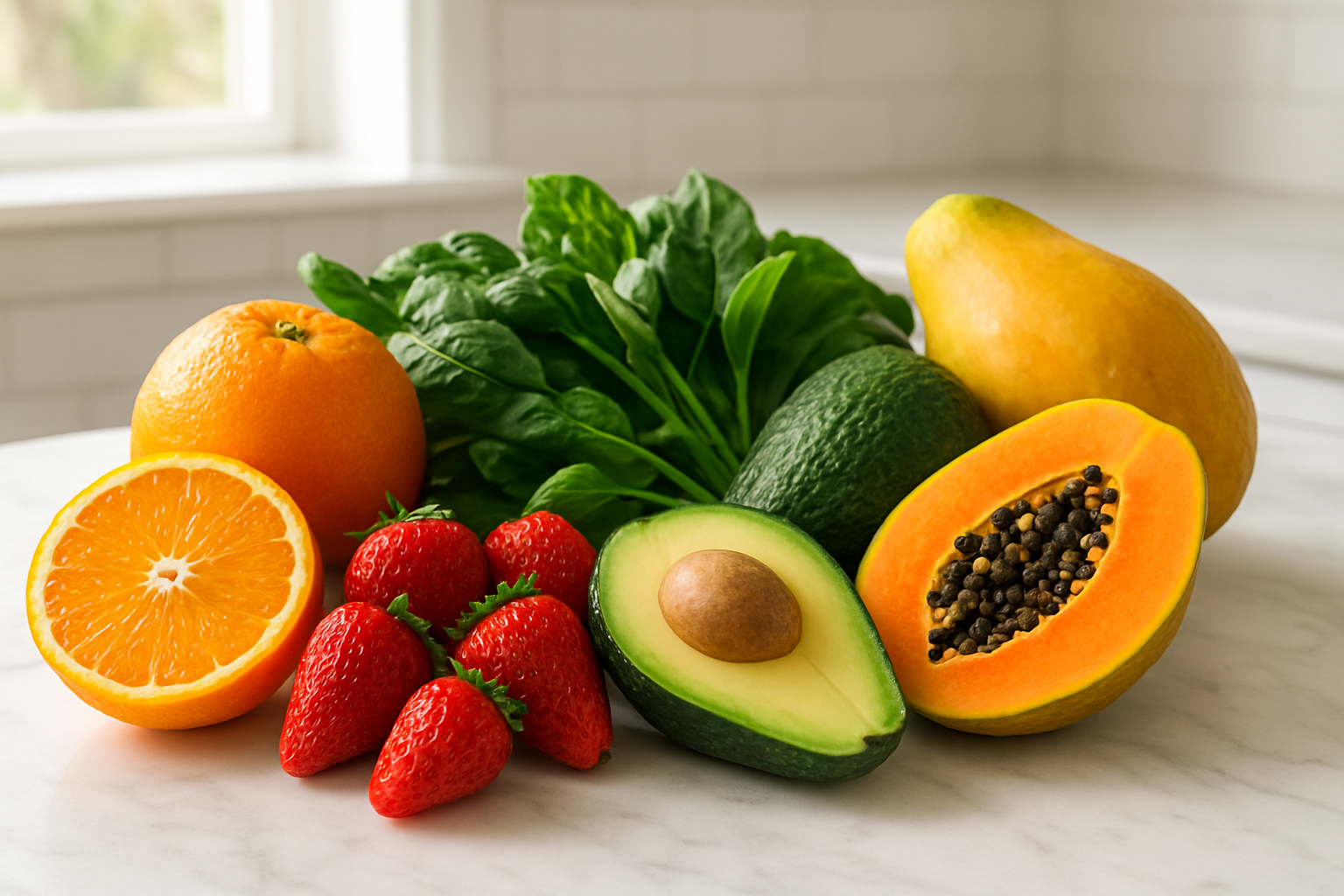
Strawberries for Natural Folate and Pregnancy Preparation
Strawberries pack an impressive folate punch, delivering about 40 micrograms per cup – that's roughly 10% of your daily needs. This vibrant red fruit stands out among folate rich fruits pregnancy options because your body absorbs its natural folate more efficiently than synthetic versions found in supplements.
The folate in strawberries helps your body produce healthy red blood cells and supports DNA synthesis, both critical during pregnancy preparation. Women planning to conceive should aim for 400-800 micrograms of folate daily, starting at least one month before conception. Strawberries make this goal more achievable and delicious.
Beyond folate, strawberries contain vitamin C that enhances folate absorption and anthocyanins that support overall reproductive health. Their natural sweetness satisfies cravings without the blood sugar spikes that can interfere with hormone balance.
Papayas for Folate Content and Reproductive Health
Papayas deliver approximately 53 micrograms of folate per cup, making them excellent fruits for reproductive health. This tropical fruit contains papain, an enzyme that aids digestion and helps your body better absorb nutrients, including folate.
The beta-carotene in papayas converts to vitamin A, supporting healthy cell division and embryonic development. Papayas also provide lycopene, an antioxidant that protects reproductive cells from oxidative stress.
For women trying to conceive, papayas offer additional benefits through their vitamin E content, which supports hormone production and may improve egg quality. The fruit's natural enzymes also help reduce inflammation that can interfere with fertility.
Oranges for Folate Absorption and Neural Tube Development
One medium orange provides about 55 micrograms of folate, but oranges offer something special – vitamin C that dramatically improves folate absorption. This citrus powerhouse contains over 90 mg of vitamin C per fruit, creating the perfect environment for your body to utilize folate effectively.
The folate in oranges plays a crucial role in preventing neural tube defects, which develop in the first 3-4 weeks of pregnancy – often before women know they're pregnant. This makes oranges particularly valuable for women of childbearing age.
Oranges also contain hesperidin, a flavonoid that supports healthy blood flow to reproductive organs. The natural sugars provide steady energy without causing dramatic blood sugar fluctuations that can affect hormone levels.
Cantaloupe for Folate and Hydration During Pregnancy
Cantaloupe provides about 37 micrograms of folate per cup while delivering exceptional hydration – the fruit is 89% water. This combination makes cantaloupe ideal for pregnant women who need increased fluid intake and folate support.
The high water content helps prevent constipation, a common pregnancy issue, while the folate supports rapid cell division during fetal development. Cantaloupe's potassium content (about 473 mg per cup) helps maintain healthy blood pressure during pregnancy.
This melon also contains beta-carotene for healthy vision development in babies and vitamin A for proper organ formation. Its natural sweetness and refreshing texture make it perfect for morning sickness relief when other foods seem unappealing.
Folate Content Comparison:
| Fruit | Folate per Cup | Additional Benefits |
|---|---|---|
| Strawberries | 40 mcg | Vitamin C, anthocyanins |
| Papayas | 53 mcg | Digestive enzymes, lycopene |
| Oranges | 55 mcg | Vitamin C for absorption |
| Cantaloupe | 37 mcg | Hydration, potassium |
Antioxidant Powerhouse Fruits for Anti-Aging and Skin Health
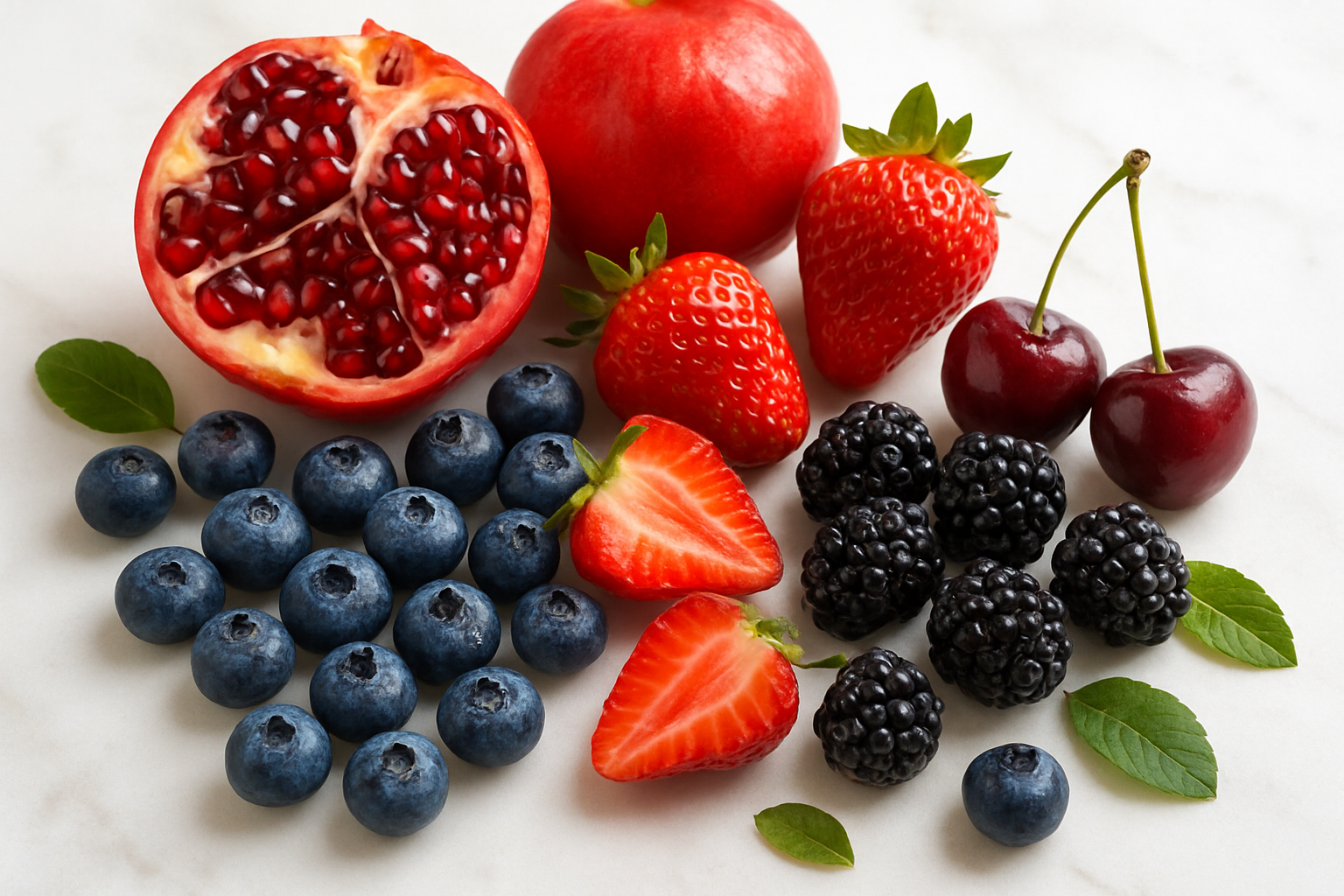
Blueberries for skin elasticity and wrinkle prevention
Blueberries pack one of the highest concentrations of antioxidants found in any fruit, making them incredibly valuable antioxidant fruits for skin health. These tiny powerhouses contain anthocyanins, vitamin C, and vitamin E that work together to combat free radicals responsible for premature aging. Research shows that women who regularly consume blueberries experience improved skin elasticity and reduced formation of fine lines.
The vitamin C in blueberries supports collagen synthesis, which keeps skin firm and smooth. Just one cup provides about 24% of your daily vitamin C needs. The anthocyanins that give blueberries their deep blue color help protect existing collagen from breaking down due to environmental damage and UV exposure.
What makes blueberries particularly beneficial for women is their ability to improve circulation. Better blood flow means more nutrients reach your skin cells, promoting that natural glow. Many women notice improvements in skin texture and reduced appearance of dark circles around their eyes after adding blueberries to their daily routine.
Acai berries for cellular protection and skin radiance
Acai berries contain an exceptional ORAC (Oxygen Radical Absorbance Capacity) score, measuring their antioxidant strength. This Brazilian superfruit delivers more antioxidants per gram than most other fruits, making it a top choice among anti-aging fruits for women.
The unique combination of anthocyanins, vitamin A, and omega fatty acids in acai berries creates a protective shield around your skin cells. These compounds neutralize harmful free radicals that cause cellular damage and accelerate aging. Women who include acai in their diet often report improved skin brightness and a more even complexion.
Acai berries also contain oleic acid, which helps your skin retain moisture naturally. This is especially important for women over 30, when natural oil production begins to decline. The berry's anti-inflammatory properties can help calm irritated skin and reduce redness.
Goji berries for collagen production and age-spot reduction
Goji berries have been treasured in traditional medicine for their skin-enhancing properties. These orange-red berries contain zeaxanthin, beta-carotene, and vitamin C that specifically target age-related skin concerns affecting many women.
The zeaxanthin in goji berries offers unique protection against UV damage that can lead to age spots and uneven skin tone. Regular consumption helps prevent new dark spots from forming while gradually lightening existing ones. The beta-carotene converts to vitamin A in your body, supporting skin cell renewal and helping fade hyperpigmentation.
Goji berries stimulate your body's natural collagen production more effectively than many other fruits. They contain 18 amino acids, including those essential for collagen synthesis. Women who add goji berries to their diet often notice firmer skin and reduced appearance of crow's feet within a few months.
These nutrient-dense berries also support overall skin health by providing zinc, which helps with skin repair, and iron, which ensures proper oxygen delivery to skin cells. This combination creates an ideal environment for healthy, youthful-looking skin.
Adding the right fruits to your daily routine can make a real difference in how you feel and look. From pomegranates helping balance your hormones to citrus fruits boosting your iron absorption, these natural powerhouses offer targeted benefits that address women's specific health needs. Whether you're dealing with low energy, planning for pregnancy, or wanting to keep your skin glowing, there's a fruit that can help support your goals.
Start small by picking one or two fruits from each category and see how they work for you. Your body will thank you for the extra nutrients, and you might be surprised at how much better you feel. Remember, good health doesn't have to be complicated – sometimes the best medicine comes straight from nature's candy aisle.


.png)
Comments
Post a Comment