Budget-Friendly Fruits You Can Buy Weekly
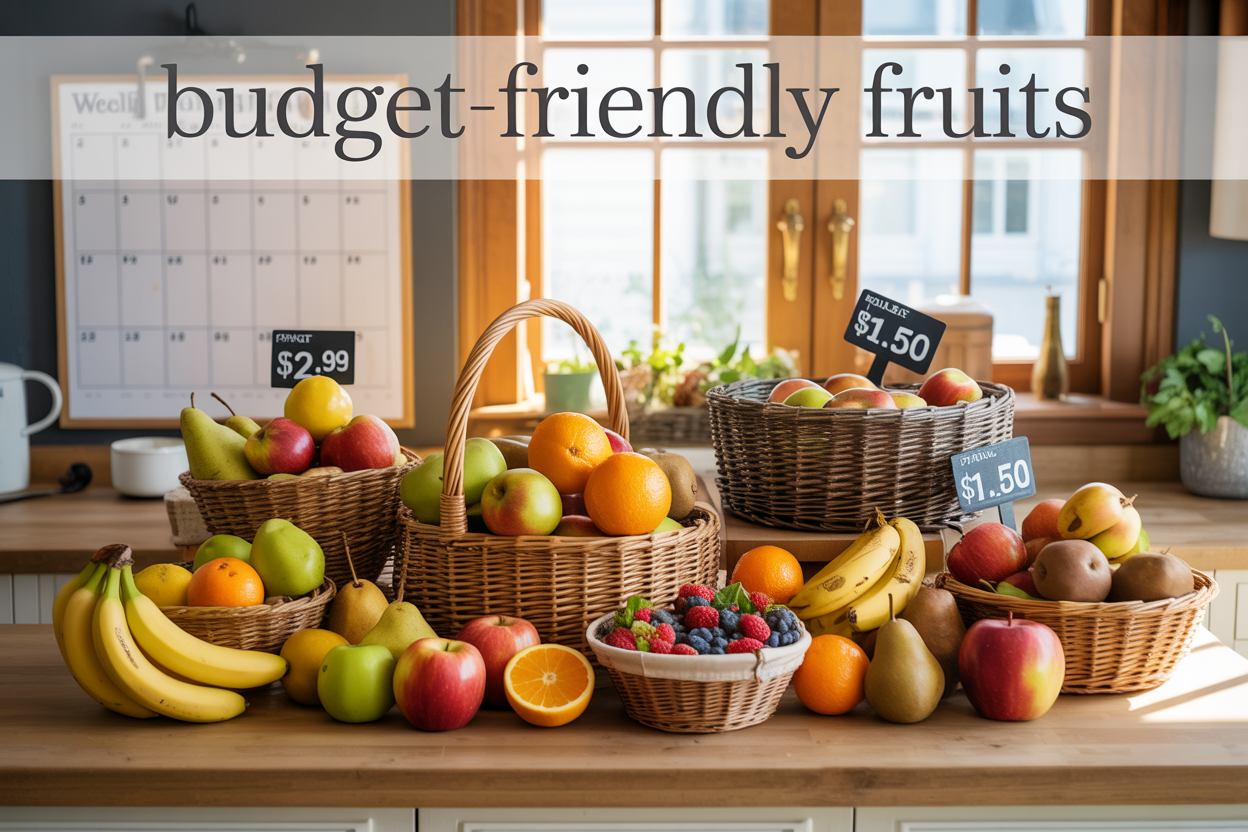
Eating healthy doesn't have to break the bank when you know which budget fruits to add to your weekly shopping list. This guide is perfect for families on tight budgets, college students, and anyone who wants to enjoy nutritious fruit without overspending on groceries.
Smart shoppers can save hundreds of dollars yearly by choosing cheap fruits weekly that deliver maximum nutrition and flavor. We'll explore the most affordable seasonal fruits available year-round and share practical shopping strategies that help you get the best deals at every store. You'll also discover which budget-friendly produce lasts longest in your kitchen, reducing waste and stretching your dollar even further.
Most Affordable Seasonal Fruits for Year-Round Savings
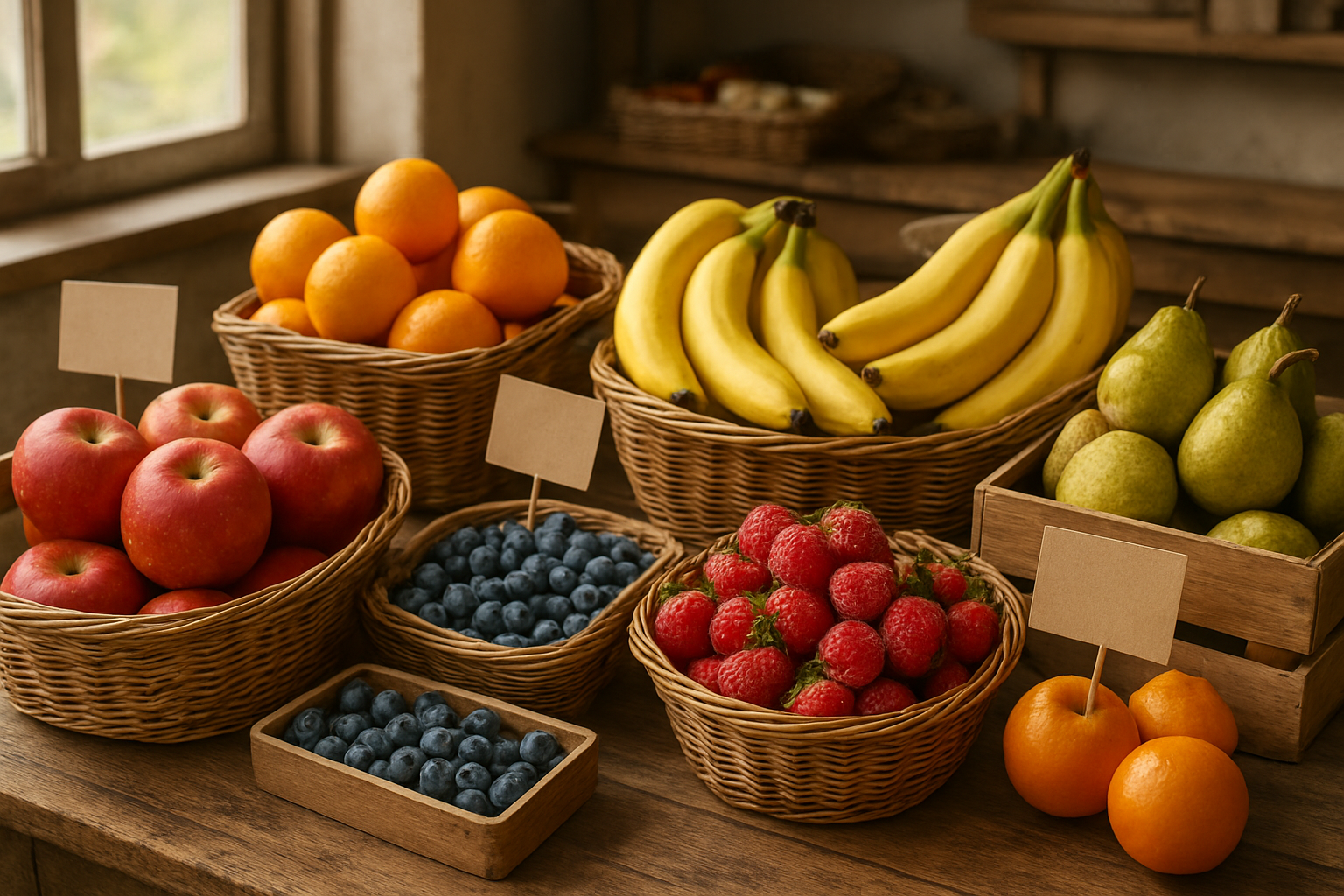
Spring bargains that deliver maximum nutrition per dollar
Spring brings some incredible deals on budget fruits that pack serious nutritional punch without breaking the bank. Strawberries often hit their sweet spot in late spring, dropping to under $2 per pound when local crops start flooding markets. These affordable seasonal fruits deliver vitamin C, fiber, and antioxidants that rival expensive superfoods.
Apricots become another spring steal, typically priced between $1.50-$3 per pound. They're loaded with beta-carotene and potassium while staying firmly in budget-friendly produce territory. Fresh apricots make excellent snacks and blend beautifully into smoothies.
Rhubarb might seem like an odd choice, but this tart vegetable (often used as fruit) costs around $2-4 per pound and stretches far in recipes. One pound easily makes multiple servings of compotes or baked goods, making it one of the most cost-effective options for weekly shopping.
| Spring Fruit | Average Price/lb | Key Nutrients | Best Uses |
|---|---|---|---|
| Strawberries | $1.50-$2.50 | Vitamin C, Folate | Fresh eating, smoothies |
| Apricots | $1.50-$3.00 | Beta-carotene, Potassium | Snacks, baking |
| Rhubarb | $2.00-$4.00 | Fiber, Vitamin K | Compotes, pies |
Summer fruits with the lowest cost per serving
Summer delivers the year's best deals on cheap fruits weekly shoppers can rely on. Watermelon reigns supreme for value, often dropping below $0.50 per pound during peak season. A single watermelon provides dozens of servings while delivering hydration and lycopene at unbeatable prices.
Cantaloupe and honeydew melons typically cost $1-2 each, yielding 6-8 generous servings per melon. These melons offer vitamin A, vitamin C, and potassium while keeping grocery bills manageable.
Peaches and nectarines become incredibly affordable when locally grown, sometimes dropping to $1 per pound during peak harvest. They're perfect for fresh eating, freezing, or preserving for year-round enjoyment.
Plums often get overlooked but provide exceptional value at $1.50-$2.50 per pound. Different varieties ripen throughout summer, giving budget-conscious shoppers consistent low-cost options.
The secret to maximizing summer savings lies in buying in bulk when prices drop and preserving extras through freezing or dehydrating.
Fall harvest options that stretch your grocery budget
Fall transforms your fruit budget with inexpensive fruits year round that store beautifully. Apples become the cornerstone of budget-friendly produce during harvest season, with many varieties dropping to $1-1.50 per pound. They keep for months when stored properly, making them perfect for weekly meal planning.
Pears offer similar value and longevity, typically priced between $1.50-$2.50 per pound during peak season. Both Bartlett and Anjou varieties provide different textures and flavors while maintaining budget-friendly pricing.
Cranberries appear fresh in fall at around $2-3 per 12-ounce bag. While seemingly expensive per pound, their intense flavor means a little goes far in recipes, and they freeze beautifully for year-round use.
Pomegranates might seem costly at $2-4 each, but they're packed with antioxidants and one fruit provides multiple servings of seeds. Their long storage life makes them excellent investments for weekly shopping routines.
Winter citrus choices for affordable vitamin C
Winter citrus season brings some of the year's best deals on low cost healthy fruits that boost immunity during cold months. Oranges become incredibly affordable, often priced at $0.50-$1 per pound for navels and valencias. They're vitamin C powerhouses that store well and provide consistent nutrition throughout winter.
Grapefruit offers exceptional value at $0.50-$1.50 per fruit, with each one providing multiple servings and substantial vitamin C, potassium, and fiber. Ruby red varieties often cost the same as white grapefruit while delivering additional antioxidants.
Lemons and limes become essential budget staples, typically costing $0.25-$0.50 each. While you won't eat them whole, they transform other inexpensive ingredients and extend their own life through various preservation methods.
Tangerines and clementines provide kid-friendly options at reasonable prices, usually $2-4 per 3-pound bag. They're perfect portion sizes, naturally sweet, and require zero prep work.
Smart shoppers stock up on citrus during peak season since most varieties store well for 2-4 weeks, allowing bulk purchases when prices drop lowest.
Smart Shopping Strategies to Maximize Fruit Value
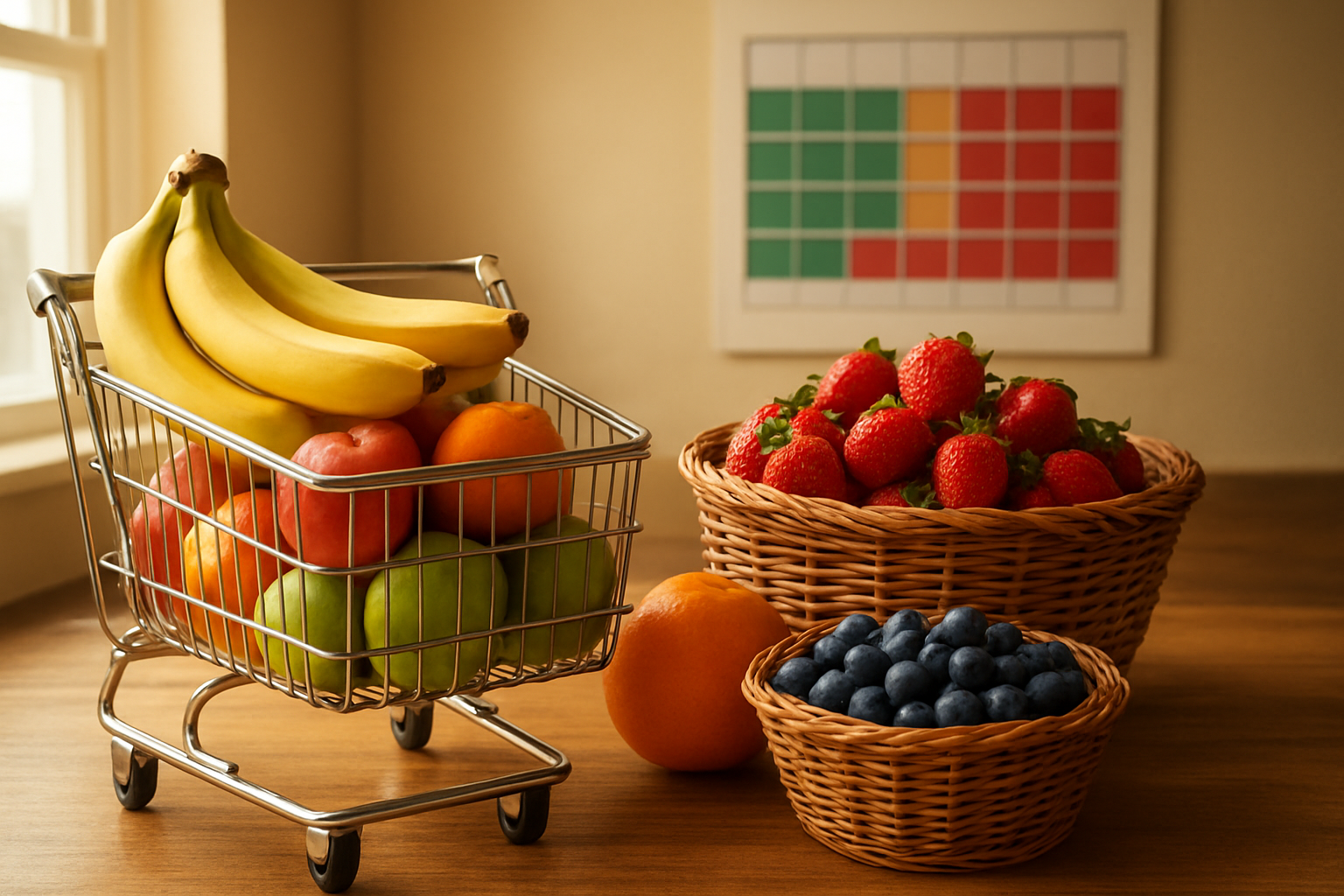
Best Days of the Week to Find Discounted Produce
Tuesday through Thursday typically offer the best deals on budget fruits. Most grocery stores receive fresh shipments on Monday evenings or Tuesday mornings, which means they need to clear out older inventory at reduced prices. Wednesday markdowns are particularly common as stores prepare for weekend shopping rushes.
Sunday and Monday mornings often feature clearance sections with ripe fruits perfect for immediate consumption or freezing. Many shoppers overlook these areas, but you'll find cheap fruits weekly if you make checking clearance a habit. Weekend produce that didn't sell gets marked down significantly, sometimes 50-70% off regular prices.
Late evening shopping, typically after 7 PM, increases your chances of finding manager's specials on budget-friendly produce. Staff often apply additional markdowns to items approaching their peak ripeness, especially bananas, berries, and stone fruits.
Bulk Buying Techniques That Reduce Per-Unit Costs
Buying in larger quantities dramatically reduces the cost per pound of budget fruits. Focus on sturdy varieties like apples, oranges, and pears that maintain quality for 2-3 weeks when stored properly. A 5-pound bag of apples typically costs 30-40% less per pound than buying individual pieces.
Join wholesale clubs or shop at farmers markets near closing time for bulk deals. Many vendors offer "fill a bag" prices for inexpensive fruits year round, especially for slightly imperfect produce that tastes identical to premium selections.
Split bulk purchases with neighbors or family members when dealing with highly perishable items. Ten pounds of bananas might spoil in one household but feeds three families perfectly while maintaining the bulk discount advantage.
Store Comparison Methods for Finding Lowest Prices
Create a simple price tracking system using your phone's notes app. Record regular prices for your most-purchased fruits at three different stores - typically a discount grocer, mainstream supermarket, and warehouse club. Update prices monthly to identify consistent patterns.
Apps like Flipp and Basket help compare weekly ads without visiting multiple stores. Many budget-friendly produce deals appear in Wednesday-released circulars, giving you time to plan shopping trips around the best prices.
Consider ethnic markets and smaller independent grocers for affordable seasonal fruits. These stores often carry varieties at lower prices than chain supermarkets, especially for tropical fruits, melons, and citrus. Their turnover is quick, ensuring freshness despite lower prices.
Price-match policies at major retailers can save significant money when combined with competitor research. Bring ads or screenshots to qualifying stores, allowing you to access the lowest advertised prices without multiple shopping trips.
Long-Lasting Fruits That Minimize Food Waste
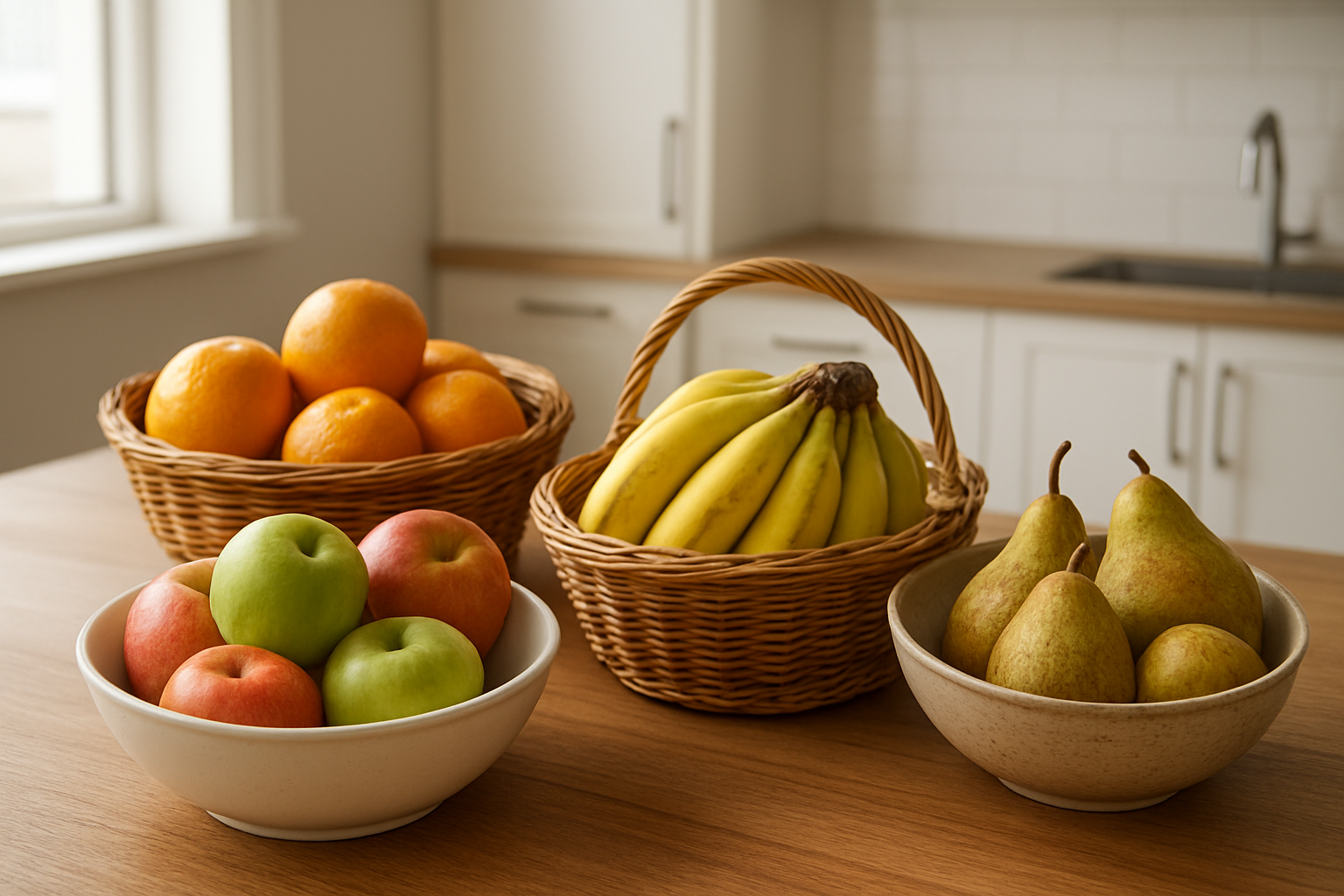
Hardy varieties that stay fresh for 7-10 days
Apples top the list of budget fruits that keep well, often lasting two weeks in the refrigerator. Varieties like Granny Smith, Fuji, and Gala maintain their crisp texture and stay fresh much longer than delicate fruits. These affordable options typically cost under $2 per pound and provide excellent value for weekly shopping trips.
Oranges and other citrus fruits are champions of longevity, staying fresh for up to 10 days at room temperature and even longer when refrigerated. Navel oranges, grapefruits, and lemons are particularly durable and offer consistent pricing year-round. Their thick peels protect the fruit inside, making them perfect for buying in larger quantities.
Pears present another excellent choice for lasting freshness. Bartlett and Anjou pears can be purchased slightly underripe and will continue ripening at home over several days. This gives you control over when they're ready to eat, reducing waste significantly.
Bananas deserve special mention as cheap fruits weekly shoppers can rely on. While individual bananas ripen quickly, buying bunches at different stages of ripeness ensures you'll have fresh fruit throughout the week. Green bananas can take 3-5 days to ripen, while yellow ones are ready immediately.
Proper storage techniques to extend shelf life
Temperature control makes the biggest difference in fruit longevity. Most budget-friendly produce benefits from refrigeration, but not all fruits should go straight into the cold. Bananas, avocados, and stone fruits like peaches prefer room temperature until ripe, then move to the refrigerator to slow further ripening.
The crisper drawer isn't just for vegetables - it's perfect for extending apple and citrus life. These compartments maintain optimal humidity levels that prevent fruits from drying out. Keep different fruits separated, as some produce ethylene gas that accelerates ripening in nearby items.
Paper towels absorb excess moisture that leads to quick spoilage. Wrap berries and grapes in paper towels before storing them in containers. This simple trick can extend their freshness by several days, making these more expensive fruits worth buying when on sale.
Air circulation prevents mold growth, especially important for stone fruits and berries. Don't wash fruits until you're ready to eat them, as excess moisture creates the perfect environment for bacteria and mold. Store items in perforated bags or containers that allow airflow.
Multi-purpose fruits for cooking and snacking
Apples excel in versatility, working equally well in morning oatmeal, afternoon snacks, and dinner desserts. When some apples start losing their crispness, they're perfect for baking, making applesauce, or adding to smoothies. This flexibility means you'll rarely waste apples, even if you buy larger quantities for better pricing.
Bananas transform from fresh snacks to baking ingredients as they ripen. Overripe bananas that might seem past their prime are actually ideal for banana bread, muffins, or smoothies. Keep very ripe bananas in the freezer for future baking projects - they'll keep for months and add natural sweetness to recipes.
Citrus fruits provide juice, zest, and segments for countless uses. One orange can provide fresh eating, juice for morning drinks, and zest for cooking. Lemons and limes are essential for both cooking and food preservation, making them wise investments for budget-conscious shoppers.
Pears work beautifully in both sweet and savory applications. Fresh pears pair well with cheese for snacks, while cooked pears complement pork dishes and work wonderfully in desserts. Their mild flavor makes them adaptable to various cuisines and cooking methods.
| Fruit | Storage Life | Best Storage Method | Multi-Use Options |
|---|---|---|---|
| Apples | 2-3 weeks | Refrigerator crisper | Snacking, baking, sauce |
| Oranges | 10-14 days | Counter or fridge | Eating, juicing, zesting |
| Bananas | 5-7 days | Counter, then fridge | Fresh eating, baking, smoothies |
| Pears | 7-10 days | Counter until ripe, then fridge | Snacking, cooking, desserts |
Nutritional Powerhouses Under Five Dollars
High-fiber options that keep you satisfied longer
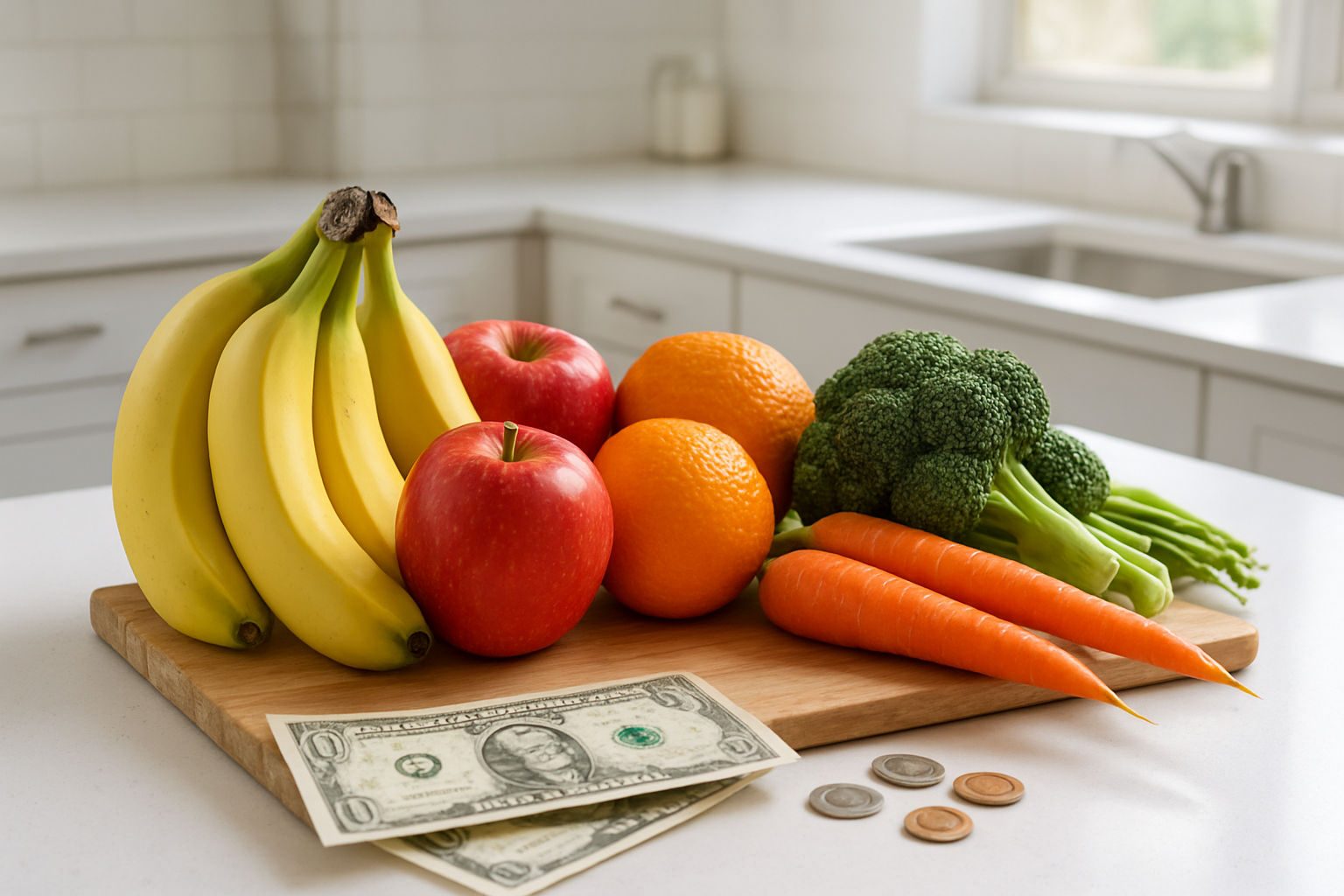
Bananas top the list of cheap fruits weekly that pack serious fiber punch. A single banana delivers about 3 grams of fiber for under 50 cents, making it one of the most budget-friendly produce options available. The pectin in bananas helps slow digestion, keeping hunger at bay for hours.
Apples deserve a spot in every weekly shopping cart. These affordable seasonal fruits provide 4 grams of fiber per medium apple, especially when you eat the skin. Buy them in bulk bags for maximum savings - they'll keep you full and your wallet happy.
Pears offer exceptional value with nearly 6 grams of fiber per fruit. Look for sales on slightly softer pears that are perfect for immediate eating. Their high fiber content makes them ideal for breakfast or afternoon snacks that actually satisfy.
Vitamin-rich choices for immune system support
Oranges remain unbeatable for vitamin C content at budget prices. One orange provides over 100% of your daily vitamin C needs for less than a dollar. Stock up during winter months when they're cheapest and your immune system needs the most support.
Kiwis might seem pricey individually, but they're often sold in budget-friendly bags. Two kiwis deliver more vitamin C than an orange, plus vitamin K and folate. Their small size makes them perfect for portion control.
Cantaloupe offers incredible bang for your buck when in season. A quarter of a melon provides nearly all your daily vitamin A and C requirements. Buy whole melons for the best value and cut them yourself.
Antioxidant-packed fruits for overall health benefits
Blueberries can strain budgets, but frozen varieties offer the same antioxidant benefits at fraction of the cost. These inexpensive fruits year round maintain their anthocyanins through freezing, supporting brain health and fighting inflammation.
Grapes provide resveratrol and other powerful antioxidants without breaking the bank. Purple and red varieties contain the highest levels of these protective compounds. Buy them when they're in season and freeze extras for smoothies.
Strawberries deliver vitamin C and ellagic acid at reasonable prices during peak season. Choose slightly softer berries at discount prices - they're perfect for smoothies and contain the same nutritional value.
Natural energy boosters for active lifestyles
Bananas excel as pre-workout fuel with their perfect blend of natural sugars and potassium. This combination supports muscle function and provides quick energy that lasts. Their portable nature makes them ideal for busy schedules.
Dates offer concentrated natural energy in small packages. While they seem expensive per pound, you only need 2-3 dates for an energy boost. Their natural sugars provide immediate fuel while their fiber prevents energy crashes.
Watermelon provides natural hydration plus quick energy from its natural sugars. During summer months, it's one of the most low cost healthy fruits available. The high water content helps maintain energy levels during hot weather activities.
| Fruit | Cost Range | Key Benefit | Best Season |
|---|---|---|---|
| Bananas | $0.40-0.60/lb | Fiber + Potassium | Year-round |
| Apples | $1.00-2.00/lb | Fiber + Antioxidants | Fall |
| Oranges | $1.00-1.50/lb | Vitamin C | Winter |
| Watermelon | $0.30-0.50/lb | Hydration + Energy | Summer |
Weekly Meal Planning with Budget Fruits
Breakfast combinations that start your day right
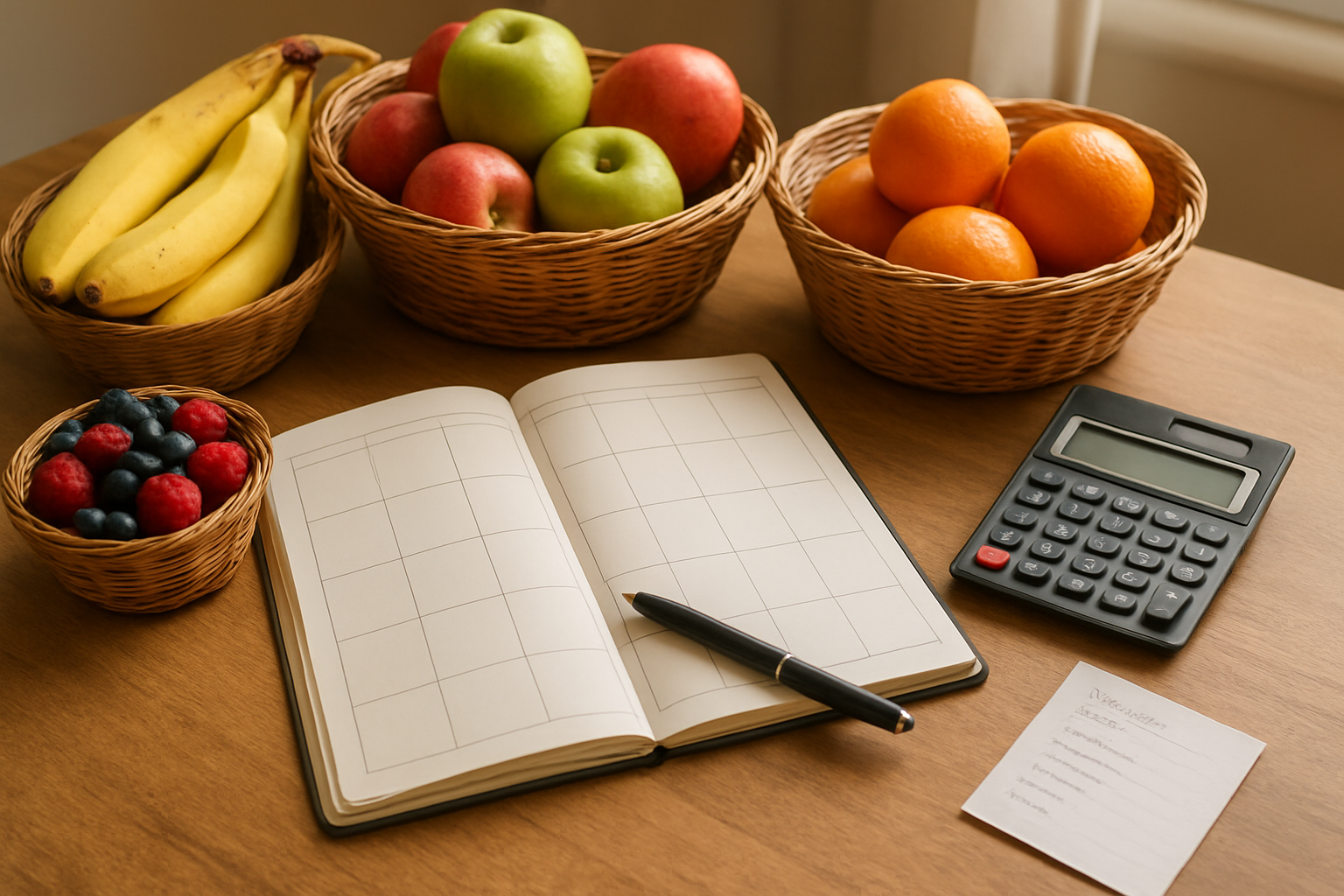
Transform your morning routine with budget fruits that pack both flavor and nutrition. Bananas shine as the ultimate breakfast foundation - they're available year-round for under $1 per pound and pair beautifully with oatmeal, yogurt, or whole grain toast. Slice them over cereal or blend into smoothies for natural sweetness without expensive syrups.
Seasonal apples offer incredible versatility at budget-friendly prices. Core and dice them into overnight oats, or warm sliced apples with cinnamon for a cozy topping over pancakes. When buying in bulk during fall seasons, you'll spend roughly $2-3 per week for a family's apple needs.
Frozen berries deserve serious consideration for breakfast planning. At $2-4 per bag, they last months in your freezer and work perfectly in smoothie bowls, pancake batter, or stirred into Greek yogurt. Mix strawberries, blueberries, and raspberries for antioxidant-rich morning fuel.
Citrus fruits like oranges provide vitamin C powerhouse breakfasts during winter months. Quarter them into fruit salad, juice them fresh, or segment them over granola. Buy seasonal oranges in 5-pound bags for maximum savings - often under $5 and lasting two weeks with proper storage.
Healthy snack preparations for the entire week
Prep work on Sundays turns cheap fruits weekly into grab-and-go convenience. Wash and portion grapes into small containers for easy snacking. A 2-pound bag typically costs $3-4 and provides snacks for 4-5 days when portioned properly.
Apple slices stay fresh longer when stored with lemon juice in airtight containers. Cut 6-8 apples on Sunday, store them properly, and you've got crispy snacks ready all week. Pair with peanut butter portions for protein-packed energy.
Bananas work perfectly for mid-week energy dips. Keep them at different ripeness stages - firmer ones for Monday and Tuesday, softer ones for later in the week when you want natural sweetness. Slice and freeze overly ripe bananas for future smoothies rather than throwing them away.
Create trail mix combinations using dried fruits during sales. Raisins, dried cranberries, and banana chips bought in bulk can cost 50% less than pre-packaged snacks. Store homemade mixes in glass jars for portion control and freshness.
Orange segments prepared in advance save time during busy afternoons. Peel and separate 4-5 oranges, store in the refrigerator, and enjoy vitamin C boosts throughout the week. This prep method also helps track your daily fruit intake more effectively.
Simple dessert alternatives using affordable fruits
Skip expensive desserts and create satisfying treats with budget-friendly produce. Baked apples stuffed with oats, cinnamon, and a drizzle of honey cost under $1 per serving and taste like warm apple pie. Use slightly softer apples that are often discounted at grocery stores.
Frozen fruit "nice cream" revolutionizes healthy desserts. Blend frozen bananas with a splash of milk for instant ice cream texture. Add frozen berries for different flavors, or mix in cocoa powder for chocolate variations. One batch costs roughly $2 and serves four people.
Fruit salads become special with strategic combinations. Mix seasonal fruits with fresh mint, lime juice, or a touch of vanilla extract. Summer peaches with berries, fall apples with pears, winter citrus medleys - each combination costs $3-5 and serves as dessert for multiple meals.
Grilled fruit transforms ordinary produce into restaurant-quality desserts. Slice peaches, pineapple, or pears, grill for 3-4 minutes per side, and serve with a dollop of Greek yogurt. The caramelization process intensifies natural sugars, creating impressive desserts for pennies on the dollar.
Fruit compotes made from slightly overripe produce extend shelf life while creating versatile toppings. Simmer berries, apples, or stone fruits with minimal water and sweetener. Use over yogurt, oatmeal, or as cake toppings. One batch typically costs $2-3 and keeps for a week refrigerated.
Smart fruit shopping doesn't have to break the bank when you know what to look for. Seasonal shopping, buying long-lasting varieties like apples and oranges, and focusing on nutritional powerhouses under five dollars can keep your grocery bill low while maintaining a healthy diet. The key lies in planning your weekly meals around these budget-friendly options and using smart strategies like buying in bulk when prices drop.
Start incorporating these affordable fruits into your weekly shopping routine and watch your grocery savings add up. Your wallet and your health will thank you for making these simple changes to how you buy and plan meals with budget-conscious fruit choices.


.png)
Comments
Post a Comment