Fruits That Boost Immunity Naturally
Your immune system works hard every day to keep you healthy, and the right immune boosting fruits can give it the natural support it needs. This guide is perfect for anyone who wants to strengthen their body's defenses through smart food choices instead of relying solely on supplements.
Eating fruits for immunity isn't just about loading up on vitamin C – though that's definitely important. Different fruits pack unique combinations of vitamins, minerals, and antioxidants that work together to keep your immune system running at its best.
We'll explore which citrus fruits immune system benefits go beyond just oranges, discover why berries boost immunity so effectively, and learn about tropical fruits that might surprise you with their immune-supporting power. You'll also get practical tips for adding these natural immune support foods to your daily routine without completely overhauling your diet.
From seasonal picks that give you year-round protection to simple meal ideas that make eating for immunity actually enjoyable, you'll walk away knowing exactly which fruits with antioxidants deserve a spot on your grocery list.
Essential Vitamins and Minerals for Strong Immunity
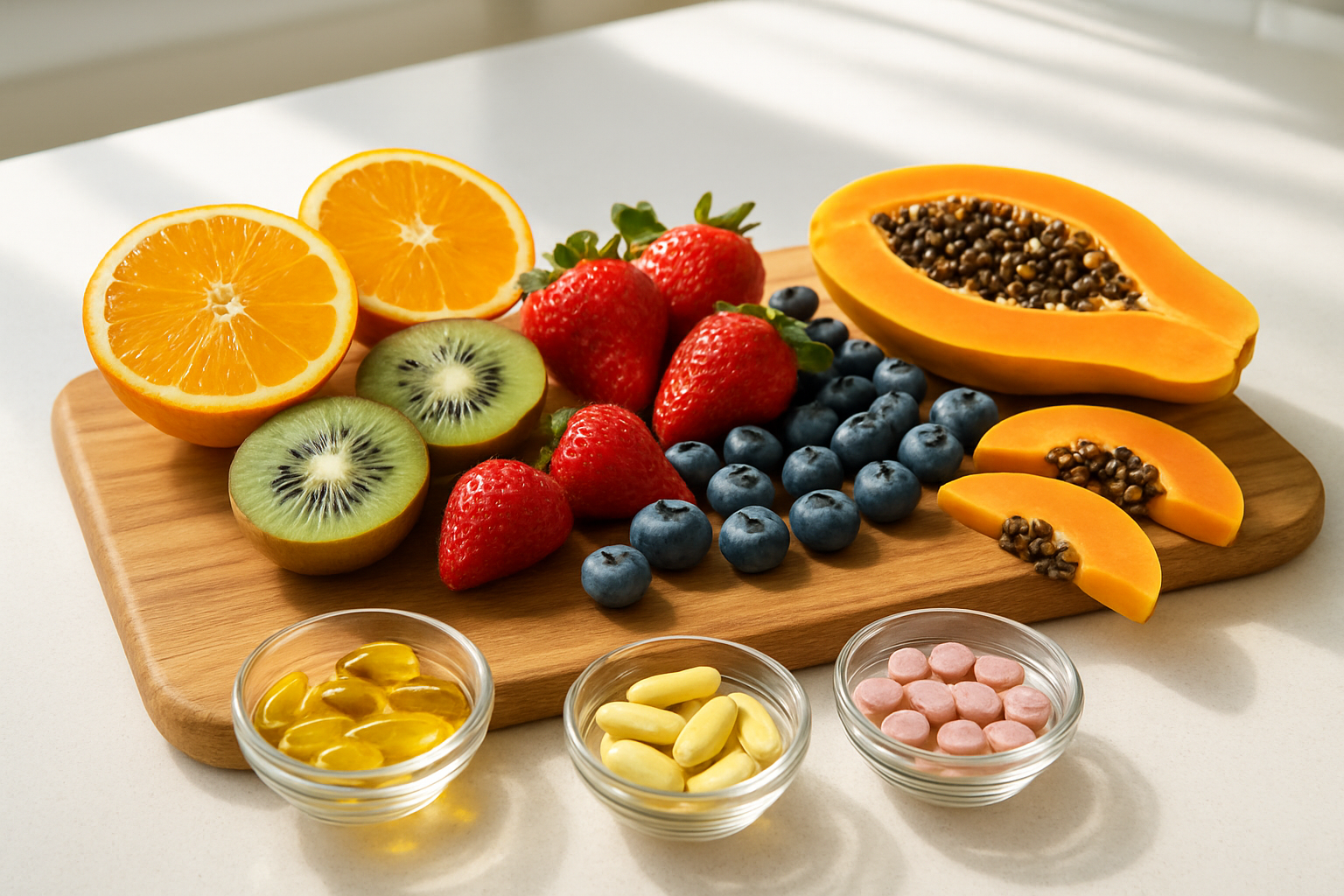
Vitamin C's Role in White Blood Cell Production
White blood cells serve as your body's first line of defense against infections, and vitamin C plays a crucial role in their formation and function. This powerful nutrient stimulates the production of lymphocytes and phagocytes, two types of white blood cells that actively hunt down and destroy harmful pathogens. Citrus fruits immune system benefits become clear when you consider that vitamin C also helps these immune cells work more effectively by protecting them from damage caused by their own defensive chemicals.
Your body can't produce or store vitamin C, making daily intake through vitamin C fruits absolutely essential. When vitamin C levels drop, white blood cell production slows down, leaving you more vulnerable to illness. Immune boosting fruits like oranges, grapefruits, and lemons provide easily absorbable vitamin C that quickly reaches your bloodstream and begins supporting immune cell development within hours.
Zinc's Power in Fighting Infections
Zinc acts like a microscopic warrior in your immune system, directly attacking viruses and bacteria while strengthening your body's natural defenses. This mineral helps activate T-cells, specialized immune cells that remember past infections and mount faster responses to familiar threats. Without adequate zinc, your immune system struggles to coordinate its attack against invaders, often resulting in longer recovery times and more severe symptoms.
Many fruits with antioxidants also contain zinc in smaller amounts, though fruits aren't the primary source of this mineral. However, combining zinc-rich foods with natural immune support fruits creates a synergistic effect that amplifies your body's protective capabilities. Zinc also helps maintain the integrity of your skin and mucous membranes, creating physical barriers that prevent pathogens from entering your body in the first place.
Antioxidants That Neutralize Harmful Free Radicals
Free radicals are unstable molecules that damage healthy cells and weaken your immune system over time. Antioxidants work like cellular bodyguards, neutralizing these harmful compounds before they can cause significant damage. Berries boost immunity precisely because they're packed with anthocyanins, flavonoids, and other antioxidants that provide exceptional protection against oxidative stress.
Different antioxidants target different types of free radicals, which is why eating a variety of colorful fruits for immunity provides the most comprehensive protection. Vitamin E protects cell membranes, while beta-carotene shields DNA from damage. Flavonoids found in many seasonal fruits for health help reduce inflammation and support healthy immune responses. This antioxidant network works together to keep your immune cells functioning at peak performance.
Vitamin A's Contribution to Mucous Membrane Health
Your mucous membranes line your respiratory and digestive tracts, forming a sticky barrier that traps bacteria, viruses, and other harmful particles before they can establish infections. Vitamin A keeps these membranes healthy and properly hydrated, ensuring they can effectively block pathogens from entering your body. When vitamin A levels are low, these protective barriers become dry and compromised, creating easy entry points for infections.
Tropical fruits immunity benefits often include high levels of beta-carotene, which your body converts to vitamin A as needed. This conversion process is particularly efficient when you eat these fruits with a small amount of healthy fat, as vitamin A is fat-soluble. Strong mucous membranes also support the production of secretory antibodies, specialized proteins that patrol these surfaces and neutralize threats on contact.
Top Citrus Fruits for Maximum Immune Support
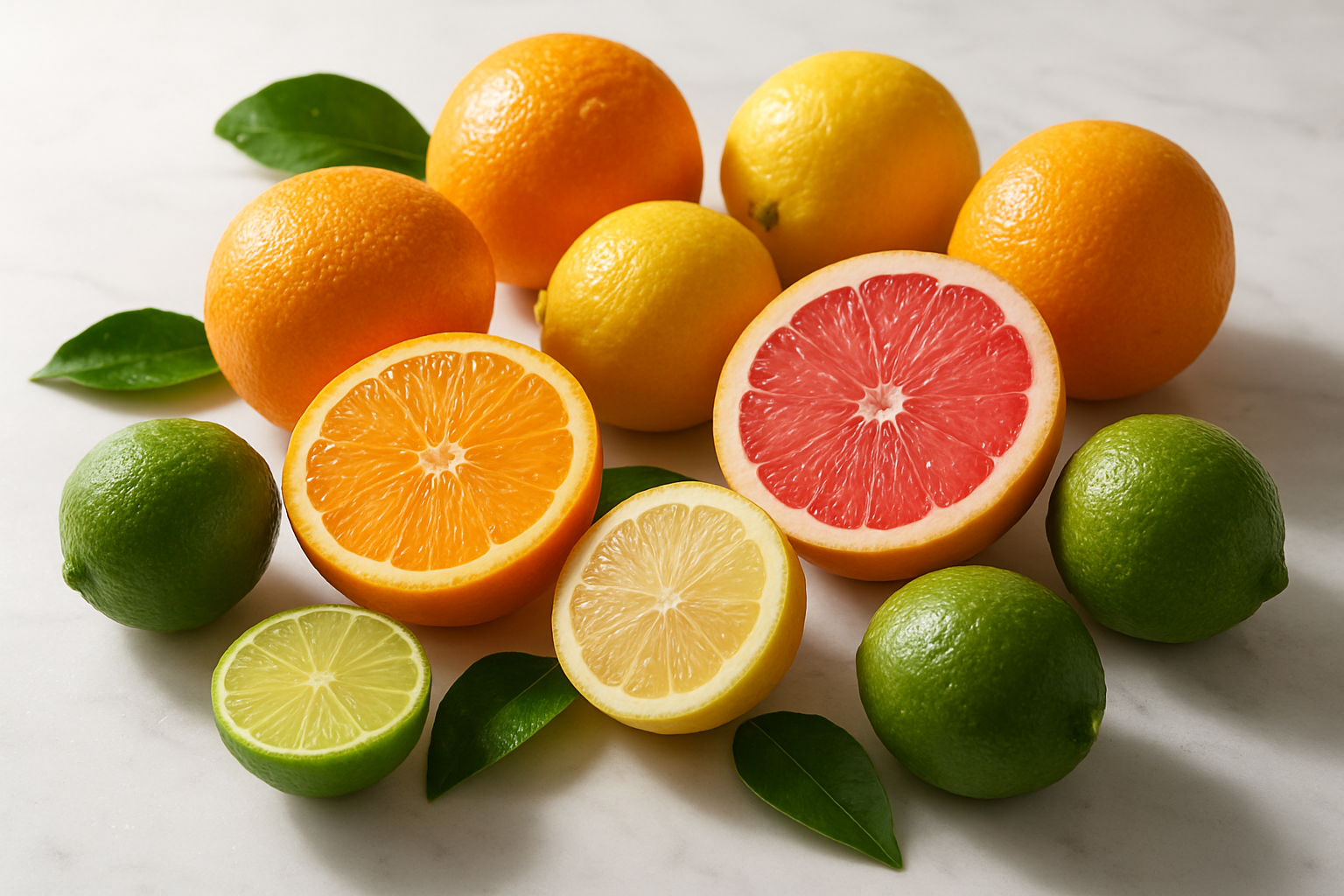
Oranges packed with immunity-boosting vitamin C
Oranges stand as one of nature's most reliable sources of vitamin C fruits, delivering approximately 70 milligrams per medium fruit - nearly 78% of your daily vitamin C needs. This powerhouse nutrient acts as your body's primary defense mechanism, stimulating white blood cell production and enhancing their ability to fight off infections. The vitamin C in oranges also supports collagen synthesis, helping maintain healthy skin barriers that serve as your first line of defense against pathogens.
Beyond vitamin C, oranges contain impressive levels of folate, potassium, and flavonoids like hesperidin and naringenin. These compounds work synergistically to reduce inflammation throughout your body while supporting cardiovascular health. The fiber content in whole oranges also feeds beneficial gut bacteria, creating a stronger foundation for immune function since roughly 70% of your immune system originates in your digestive tract.
Fresh orange juice provides quick vitamin absorption, but eating whole oranges gives you the complete package of immune boosting fruits benefits, including sustained energy release and better blood sugar control.
Lemons that alkalize your body naturally
Lemons might taste acidic, but they create an alkaline environment in your body once metabolized - a process that supports optimal immune function. This natural immune support comes from lemons' unique mineral profile, including potassium, magnesium, and citric acid, which help balance your body's pH levels and create conditions where harmful bacteria struggle to thrive.
The vitamin C content in lemons rivals oranges, with one medium lemon providing about 31% of your daily requirements. However, lemons offer additional immune benefits through their high citric acid content, which enhances iron absorption - crucial for maintaining healthy red blood cells and oxygen transport throughout your body.
Starting your day with warm lemon water kickstarts your digestive system and provides immediate vitamin C absorption. The pectin fiber in lemon peels (when using organic lemons) supports gut health, while the essential oils in the peel contain antimicrobial compounds that provide additional protection against infections.
Grapefruits rich in disease-fighting compounds
Grapefruits pack more citrus fruits immune system benefits than many people realize, containing powerful antioxidants like lycopene, beta-carotene, and vitamin A alongside their impressive vitamin C content. Pink and red varieties contain higher concentrations of these protective compounds, making them particularly effective at combating oxidative stress and supporting immune cell function.
The flavonoid naringenin, abundant in grapefruits, demonstrates remarkable anti-inflammatory properties and helps regulate immune responses. This compound works alongside vitamin C to strengthen your body's natural defenses while potentially reducing the duration and severity of cold symptoms.
Grapefruits also provide significant amounts of vitamin A and zinc, two nutrients essential for maintaining healthy mucous membranes in your respiratory tract. These barriers help trap and eliminate pathogens before they can establish infections. The combination of fruits with antioxidants and minerals makes grapefruit an excellent choice for supporting long-term immune health.
| Citrus Fruit | Vitamin C (per 100g) | Key Immune Compounds | Best Time to Consume |
|---|---|---|---|
| Orange | 53mg | Hesperidin, Folate | Morning/Afternoon |
| Lemon | 53mg | Citric Acid, Pectin | Morning (warm water) |
| Grapefruit | 31mg | Lycopene, Naringenin | Before meals |
Berry Powerhouses That Strengthen Your Defenses
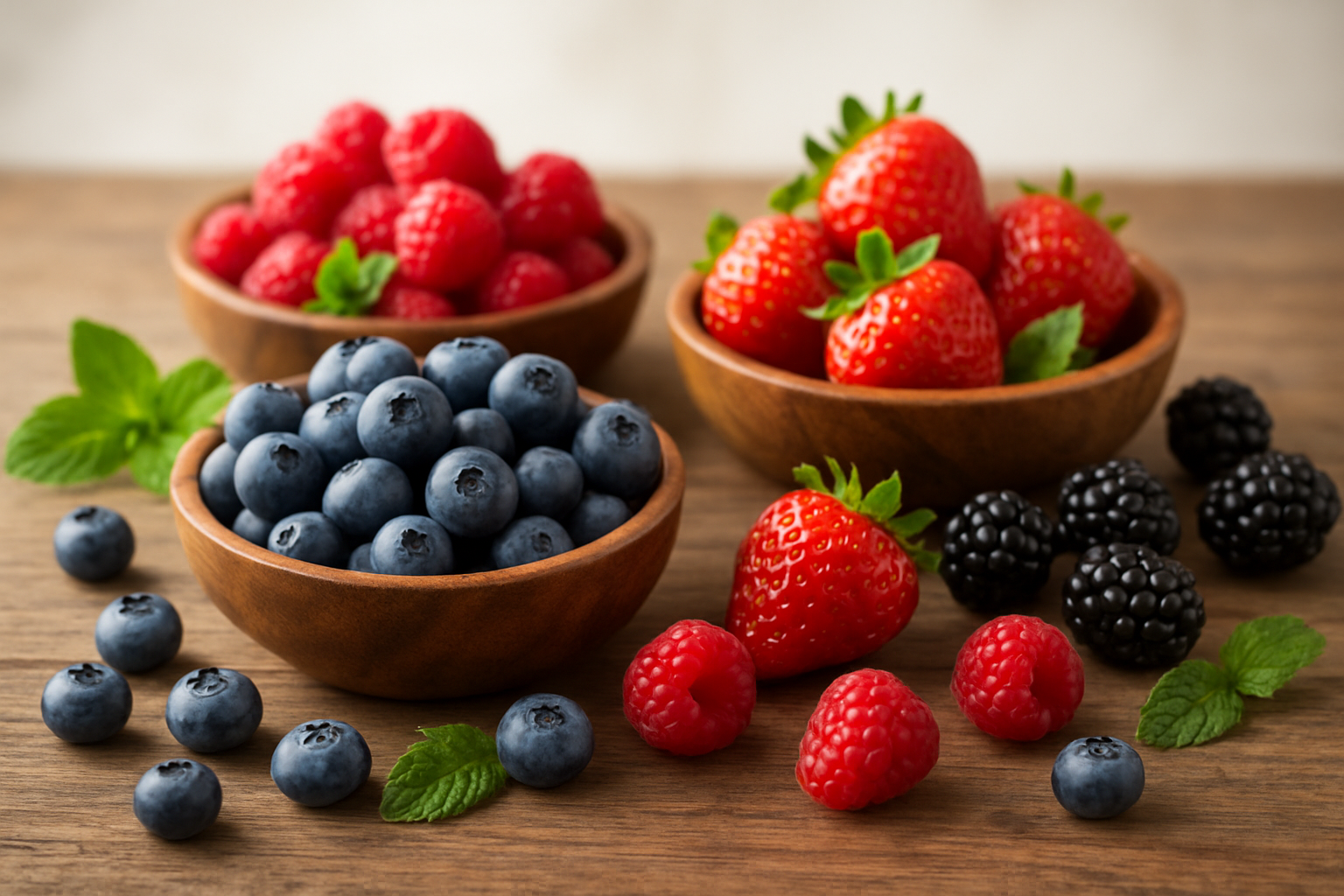
Blueberries loaded with protective anthocyanins
Blueberries pack a serious punch when it comes to immune boosting fruits. These tiny berries contain powerful compounds called anthocyanins, which give them their deep blue color and incredible health benefits. These antioxidants work like bodyguards for your immune system, protecting cells from damage caused by harmful free radicals.
Research shows that people who eat blueberries regularly have stronger immune responses and get sick less often. The anthocyanins in blueberries help reduce inflammation throughout your body, which keeps your immune system functioning at its best. Just one cup of blueberries provides about 24% of your daily vitamin C needs, plus a hefty dose of vitamin K and manganese.
Fresh blueberries work great, but frozen ones retain most of their nutritional value too. Add them to smoothies, yogurt, or oatmeal for an easy immune boost that tastes amazing.
Strawberries delivering high antioxidant content
Strawberries rank among the top fruits with antioxidants, making them exceptional choices for natural immune support. One cup of strawberries contains more vitamin C than an orange - about 150% of your daily requirement. This vitamin C content helps your body produce white blood cells, which are your first line of defense against infections.
Beyond vitamin C, strawberries contain folate, potassium, and powerful antioxidants like ellagic acid and flavonoids. These compounds work together to strengthen your immune system and help your body fight off viruses and bacteria more effectively.
The best part about strawberries is their versatility. Slice them into salads, blend them into smoothies, or eat them fresh as a snack. Choose organic when possible, since strawberries can absorb pesticides through their porous skin.
Elderberries proven to reduce cold duration
Elderberries have gained recognition as one of the most effective berries boost immunity naturally. Multiple studies confirm that elderberry supplements can reduce the duration and severity of cold and flu symptoms by up to 50%.
These dark purple berries contain high levels of anthocyanins and vitamin C, but their real power comes from compounds that directly interfere with virus replication. Elderberries help prevent viruses from entering your cells and can speed up recovery when you do get sick.
You'll find elderberries in syrups, gummies, and teas at most health stores. Many people take elderberry supplements during cold and flu season as a preventive measure. The syrup tastes great and works well for both adults and children.
Blackberries supporting cellular repair mechanisms
Blackberries deserve recognition as powerful immune system strengthening foods that support your body's natural repair processes. These berries contain exceptionally high levels of vitamin C, vitamin K, and fiber, plus unique antioxidants that help repair damaged cells.
The dark color of blackberries comes from anthocyanins and other polyphenols that protect your DNA from oxidative stress. When your cells stay healthy and can repair themselves properly, your entire immune system works more efficiently.
| Berry Type | Vitamin C (per cup) | Key Immune Benefits |
|---|---|---|
| Blueberries | 14mg | Anthocyanins, anti-inflammatory |
| Strawberries | 89mg | High antioxidants, folate |
| Elderberries | 36mg | Antiviral properties |
| Blackberries | 30mg | Cellular repair, DNA protection |
Blackberries also provide significant amounts of manganese and fiber, which support gut health - and since 70% of your immune system lives in your gut, this connection matters more than you might think.
Tropical Fruits That Enhance Immune Function
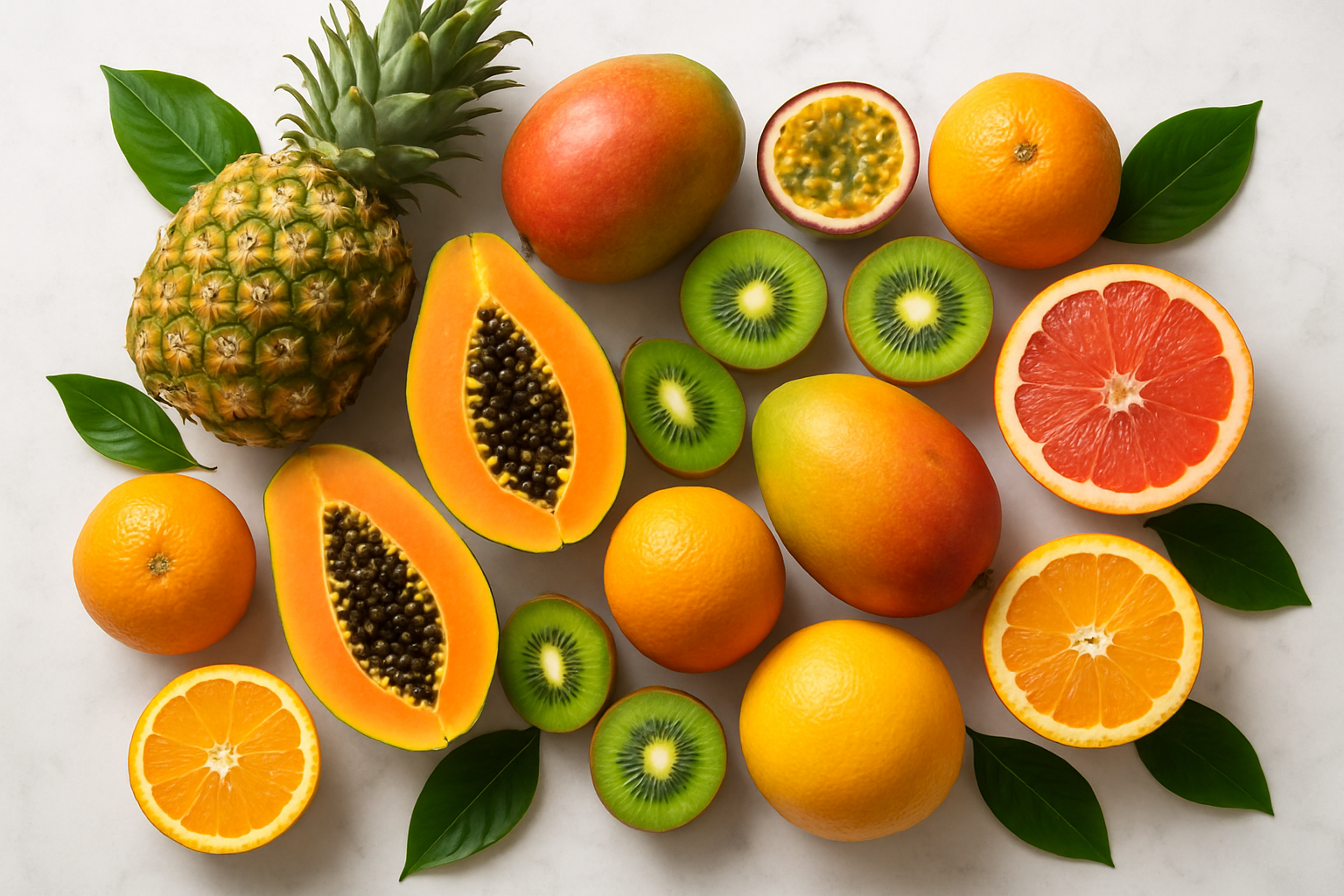
Kiwis containing more vitamin C than oranges
Most people reach for oranges when they want vitamin C, but kiwis pack nearly double the punch. A single medium kiwi delivers about 90mg of vitamin C – that's more than your entire daily requirement. These fuzzy green fruits for immunity also contain vitamin E, folate, and potassium, creating a powerful combination that supports white blood cell function.
The high fiber content in kiwis feeds beneficial gut bacteria, which play a crucial role in immune response. Research shows that eating two kiwis daily can reduce the severity and duration of cold symptoms. Their unique enzyme actinidin helps break down proteins, making nutrients more bioavailable for your immune system to use.
Papayas rich in digestive enzymes and vitamins
Papayas deserve recognition as one of the most underrated immune boosting fruits. Half a medium papaya provides over 200% of your daily vitamin C needs, plus significant amounts of vitamin A, folate, and potassium. The bright orange flesh signals high levels of carotenoids, particularly lycopene and beta-carotene, which act as powerful antioxidants.
The enzyme papain found in papayas breaks down toxins and reduces inflammation throughout the body. This digestive support is essential for immune health since about 70% of your immune system resides in your gut. Papayas also contain choline, which supports sleep, muscle movement, and memory – all factors that influence immune function.
Pineapples providing anti-inflammatory bromelain
Fresh pineapple contains bromelain, an enzyme complex that breaks down proteins and reduces inflammation. This makes pineapples excellent tropical fruits immunity supporters, especially for people dealing with chronic inflammation that can weaken immune defenses. Bromelain also helps thin mucus, making it easier for your respiratory system to clear out potential pathogens.
The vitamin C content in pineapples works synergistically with bromelain to enhance immune cell activity. One cup of fresh pineapple chunks provides about 80mg of vitamin C along with manganese, which supports antioxidant enzyme function. The natural sugars provide quick energy for immune cells while the fiber supports healthy gut bacteria.
Mangoes delivering beta-carotene for immune strength
Mangoes stand out among fruits with antioxidants thanks to their impressive beta-carotene content. Your body converts beta-carotene into vitamin A, which is essential for maintaining the integrity of mucous membranes – your first line of defense against pathogens. These barriers in your nose, throat, and gut prevent harmful microorganisms from entering your body.
One cup of diced mango provides about 25% of your daily vitamin C needs plus significant amounts of vitamin A, folate, and fiber. The antioxidants in mangoes, including quercetin and astragalin, help protect immune cells from oxidative damage. The natural enzymes in mangoes also support digestion, which directly impacts immune function since nutrient absorption is crucial for maintaining strong defenses.
Seasonal Fruits for Year-Round Protection
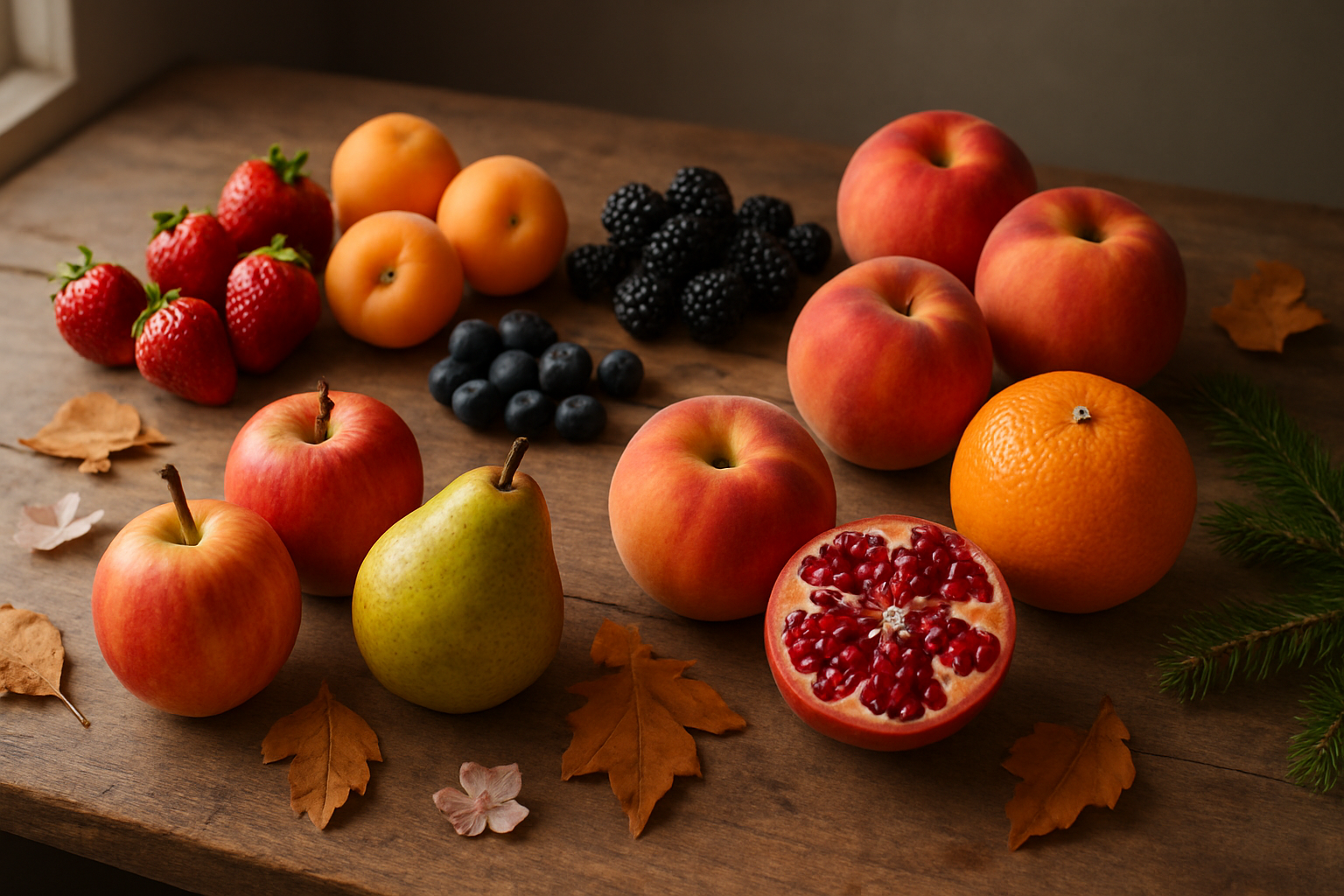
Apples Supporting Gut Health with Fiber and Prebiotics
Apples pack a serious punch when it comes to immune system strengthening foods, and their secret weapon lies in their incredible fiber content. A medium apple contains about 4 grams of fiber, with roughly half being soluble fiber called pectin. This type of fiber acts as food for beneficial bacteria in your gut, creating a thriving microbiome that directly impacts your immune function.
Your gut houses approximately 70% of your immune system, making apple consumption a smart strategy for year-round protection. The pectin in apples breaks down into short-chain fatty acids that strengthen the gut barrier and reduce inflammation throughout your body. These fruits with antioxidants also contain quercetin, a flavonoid that helps regulate immune responses and fights off harmful pathogens.
The prebiotic properties of apples create an environment where beneficial bacteria like Lactobacillus and Bifidobacterium flourish. These good bacteria produce compounds that enhance immune cell activity and help your body respond more effectively to threats. Red apples tend to have higher antioxidant levels than green varieties, but both provide substantial immune benefits as part of your seasonal fruits for health rotation.
Pomegranates Fighting Inflammation with Powerful Polyphenols
Pomegranates contain some of the most potent anti-inflammatory compounds found in nature, making them exceptional immune boosting fruits for combating chronic inflammation that weakens your defenses. These ruby-red seeds are loaded with punicalagins and ellagic acid, polyphenols that have been shown to reduce inflammatory markers in the blood by up to 30% in clinical studies.
The anti-inflammatory power of pomegranates works on multiple levels within your immune system. These compounds help regulate cytokine production, preventing the excessive inflammatory responses that can damage healthy tissues and exhaust your immune resources. Regular pomegranate consumption has been linked to improved recovery times from infections and reduced severity of inflammatory conditions.
Fruits for immunity don't get much better than pomegranates when it comes to cellular protection. The polyphenols cross the blood-brain barrier and protect neural pathways involved in immune signaling. They also support cardiovascular health, ensuring optimal blood flow to immune organs like the spleen and lymph nodes.
Fresh pomegranate seeds provide the highest concentration of these beneficial compounds, though 100% pomegranate juice offers a convenient alternative. The peak season runs from October through February, making pomegranates perfect additions to your winter immune-boosting routine.
Bananas Providing Energy and Potassium for Recovery
Bananas serve as natural recovery aids that support your immune system during times of stress or illness. Their high potassium content - about 400mg per medium banana - plays a crucial role in maintaining proper fluid balance and cellular function throughout your body. This mineral helps immune cells communicate effectively and ensures optimal nutrient transport to infection-fighting tissues.
The natural sugars in bananas provide quick energy that your immune system desperately needs during recovery periods. When you're fighting off illness, your body's energy demands increase significantly, and bananas offer an easily digestible source of glucose and fructose. This immediate fuel helps maintain the production of white blood cells and antibodies without taxing your digestive system.
Bananas also contain vitamin B6, which supports the production of infection-fighting antibodies and helps regulate immune responses. One medium banana provides about 20% of your daily B6 needs, making these natural immune support fruits particularly valuable during cold and flu seasons.
The resistant starch in slightly green bananas acts as a prebiotic, feeding beneficial gut bacteria and supporting overall digestive health. As bananas ripen, this starch converts to natural sugars, so you can choose your ripeness level based on whether you need prebiotic benefits or quick energy. Their year-round availability makes bananas reliable allies in your daily immune-boosting fruit arsenal.
Simple Ways to Incorporate Immune-Boosting Fruits Daily

Morning smoothie combinations for optimal nutrient absorption
Start your day with immune boosting fruits blended into nutrient-dense smoothies that your body can quickly absorb. Combine vitamin C-rich citrus fruits like oranges or grapefruits with berries and tropical fruits for maximum immune support. A winning combination includes half a cup of mixed berries, one orange, a handful of spinach, and chunks of pineapple blended with coconut water.
The key to optimal nutrient absorption lies in pairing your fruits for immunity with healthy fats. Add a tablespoon of almond butter, half an avocado, or chia seeds to help your body absorb fat-soluble vitamins. Greek yogurt not only creates a creamy texture but also provides probiotics that support gut health, which directly impacts your immune system.
For busy mornings, prepare smoothie packs ahead of time. Portion out your favorite citrus fruits immune system boosters, berries, and tropical fruits into freezer bags. When ready, just add liquid and blend. This method preserves most nutrients while saving precious morning time.
Healthy snacking strategies throughout the day
Transform your snack routine by replacing processed foods with berries boost immunity options and other immune-supporting fruits. Keep washed berries, orange segments, and apple slices readily available in your refrigerator for quick energy boosts between meals.
Create portable snack combinations that deliver sustained energy and immune benefits. Pair apple slices with almond butter, or mix antioxidant-rich berries with a small handful of nuts. These combinations provide fiber, healthy fats, and essential vitamins while keeping hunger at bay.
Office snacking becomes healthier with pre-portioned containers of vitamin C fruits like kiwi slices, berries, or citrus segments. Keep dried fruits as backup options, but choose varieties without added sugars. Dates stuffed with nuts or homemade trail mix with dried cranberries offer convenient natural immune support when fresh options aren't available.
Time your fruit snacks strategically. Eat fruits with antioxidants mid-morning or mid-afternoon when your energy naturally dips. This timing helps maintain steady blood sugar levels while delivering immune-supporting nutrients when your body needs them most.
Creative meal additions that maximize benefits
Elevate everyday meals by incorporating immune system strengthening foods in unexpected ways. Add diced apples to salads for crunch and sweetness, or toss berries into grain bowls for a nutrient boost. Seasonal fruits for health work perfectly in both sweet and savory dishes throughout the year.
Breakfast gets more interesting when you top oatmeal with sliced bananas and berries, or add citrus zest to pancake batter. These simple additions transform basic meals into immune-supporting powerhouses without requiring complex recipes or extra cooking time.
Dinner preparation becomes more creative with fruit additions. Use tropical fruits immunity boosters like mango in salsas for fish or chicken, or add orange segments to roasted vegetable dishes. The natural sugars in fruits help balance savory flavors while delivering essential vitamins and minerals.
Don't overlook frozen fruits for cooking applications. They work beautifully in sauces, marinades, and baked goods while maintaining most of their nutritional value. Frozen berries blend seamlessly into vinaigrettes, while frozen mango chunks add tropical flair to stir-fries.
Proper storage techniques to preserve nutritional value
Maximize the immune-boosting potential of your fruits by storing them correctly to preserve their vitamin and antioxidant content. Berries boost immunity best when stored unwashed in the refrigerator, in containers lined with paper towels to absorb excess moisture. Wash them just before eating to prevent premature spoilage.
Citrus fruits immune system supporters like oranges, lemons, and grapefruits store well at room temperature for up to a week, but refrigeration extends their life up to a month. Keep them in the crisper drawer where humidity levels help maintain their juicy texture and vitamin C fruits content.
Tropical fruits immunity enhancers require different approaches. Bananas, mangoes, and pineapples ripen best at room temperature, then move to the refrigerator once they reach perfect ripeness. Avocados follow this same pattern, while coconuts can stay fresh for weeks when stored properly.
Create a first-in, first-out system to rotate your fruit supply and minimize waste. Place newer purchases behind older ones, and check daily for fruits that need immediate attention. Overripe fruits don't have to go to waste – they're perfect for smoothies, baking, or making homemade fruit leather for later use.
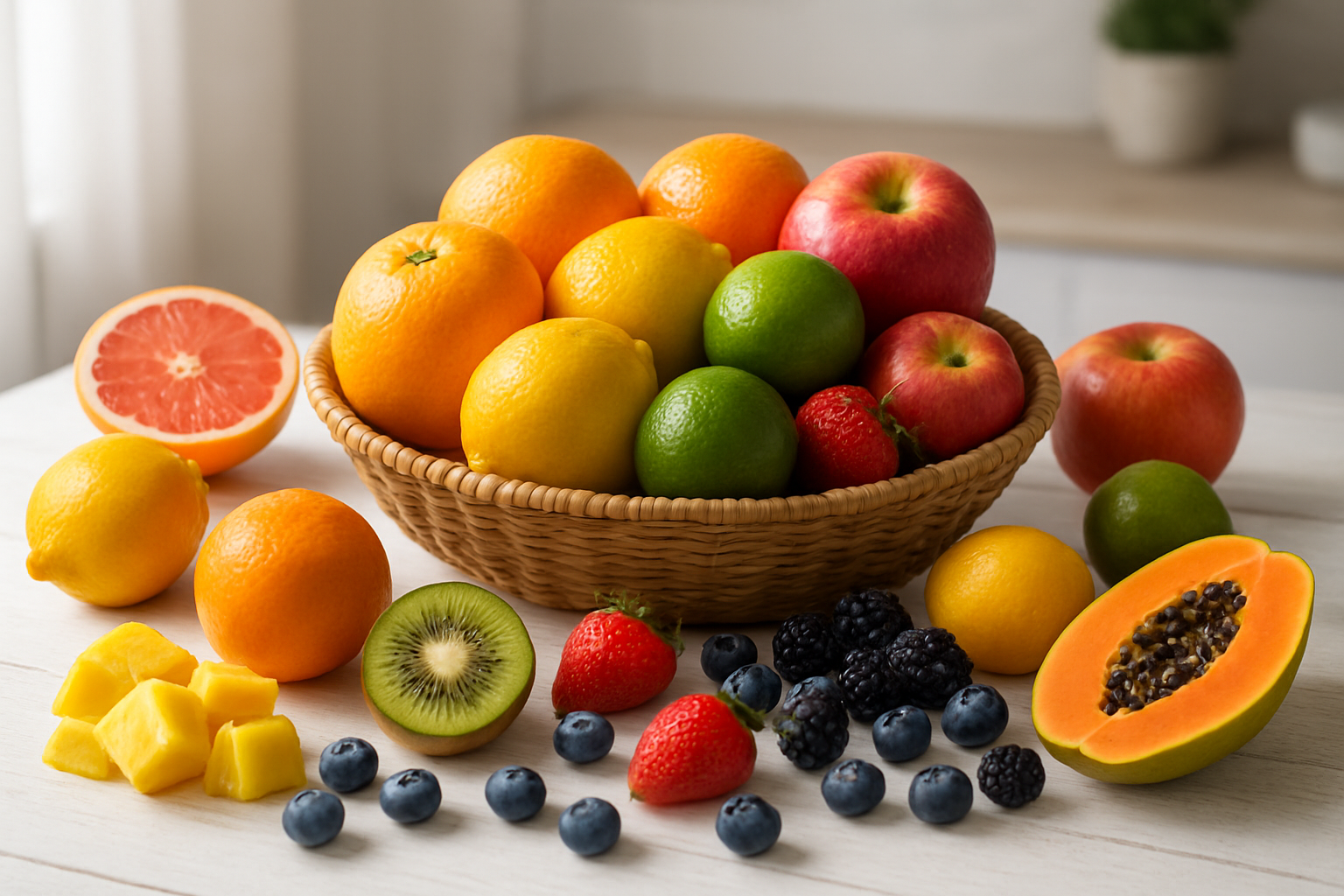
Your immune system doesn't have to work overtime when you give it the right fuel. Citrus fruits pack vitamin C, berries deliver antioxidants, and tropical options bring unique nutrients that all work together to keep your defenses strong. The best part? These immunity boosters are already sitting in your local grocery store, ready to make their way into your daily routine.
Start small by adding a handful of blueberries to your morning routine or keeping oranges handy for afternoon snacks. Mix things up with seasonal choices and try new tropical fruits when you spot them. Your immune system will thank you for the variety, and you'll discover that eating for better health can actually taste pretty amazing.


.png)
Comments
Post a Comment