Fruits That Help with Weight Loss (and How to Eat Them Right)
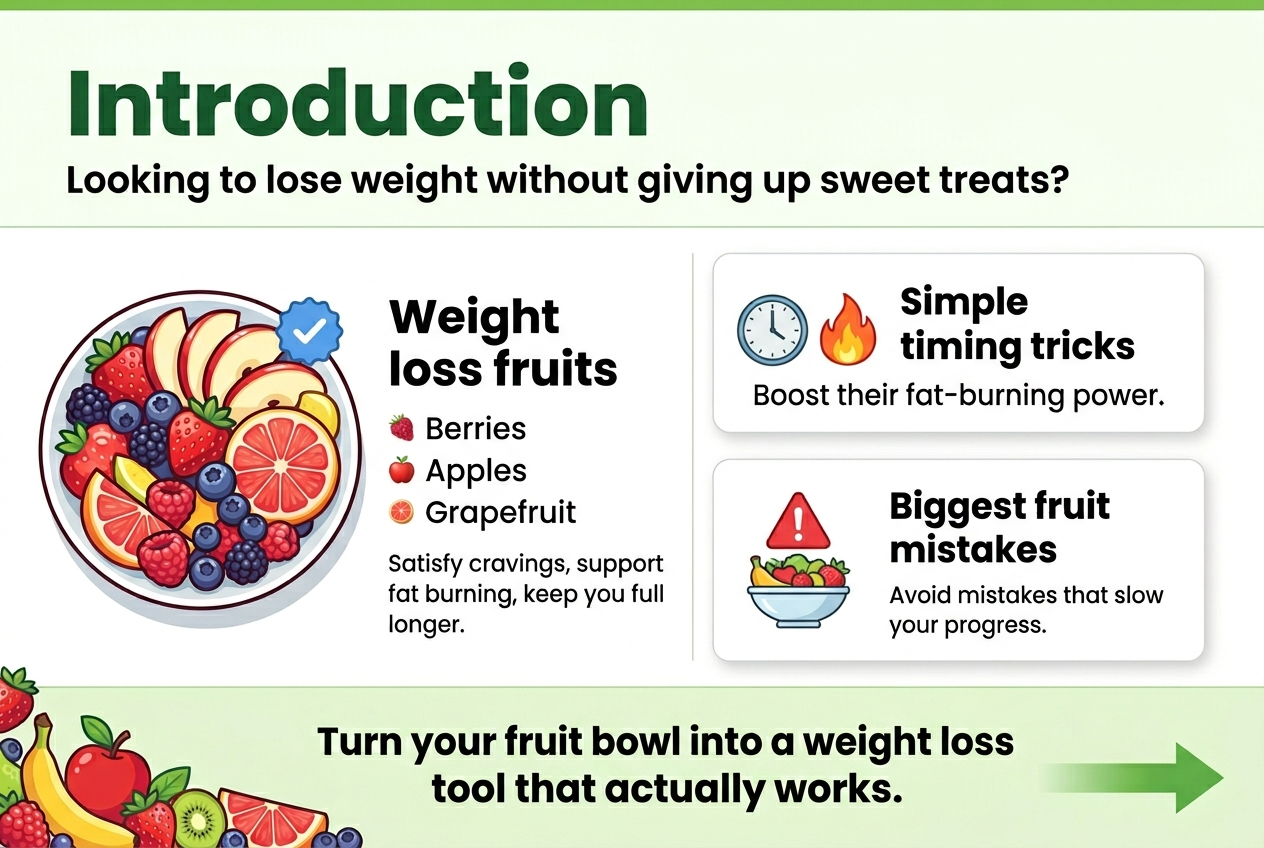
Looking to lose weight without giving up sweet treats? The right fruits can actually help you reach your goals faster than you think. Weight loss fruits like berries, apples, and grapefruit don't just satisfy cravings—they actively support fat burning and keep you full longer.
This guide is for anyone tired of restrictive diets who wants to use nature's candy to their advantage. You'll discover which best fruits for weight loss pack the most punch, plus simple timing tricks that boost their fat-burning power. We'll also cover the biggest fruit mistakes that secretly slow down your progress and how to fix them.
Get ready to turn your fruit bowl into a weight loss tool that actually works.
Science Behind Fruit-Based Weight Loss
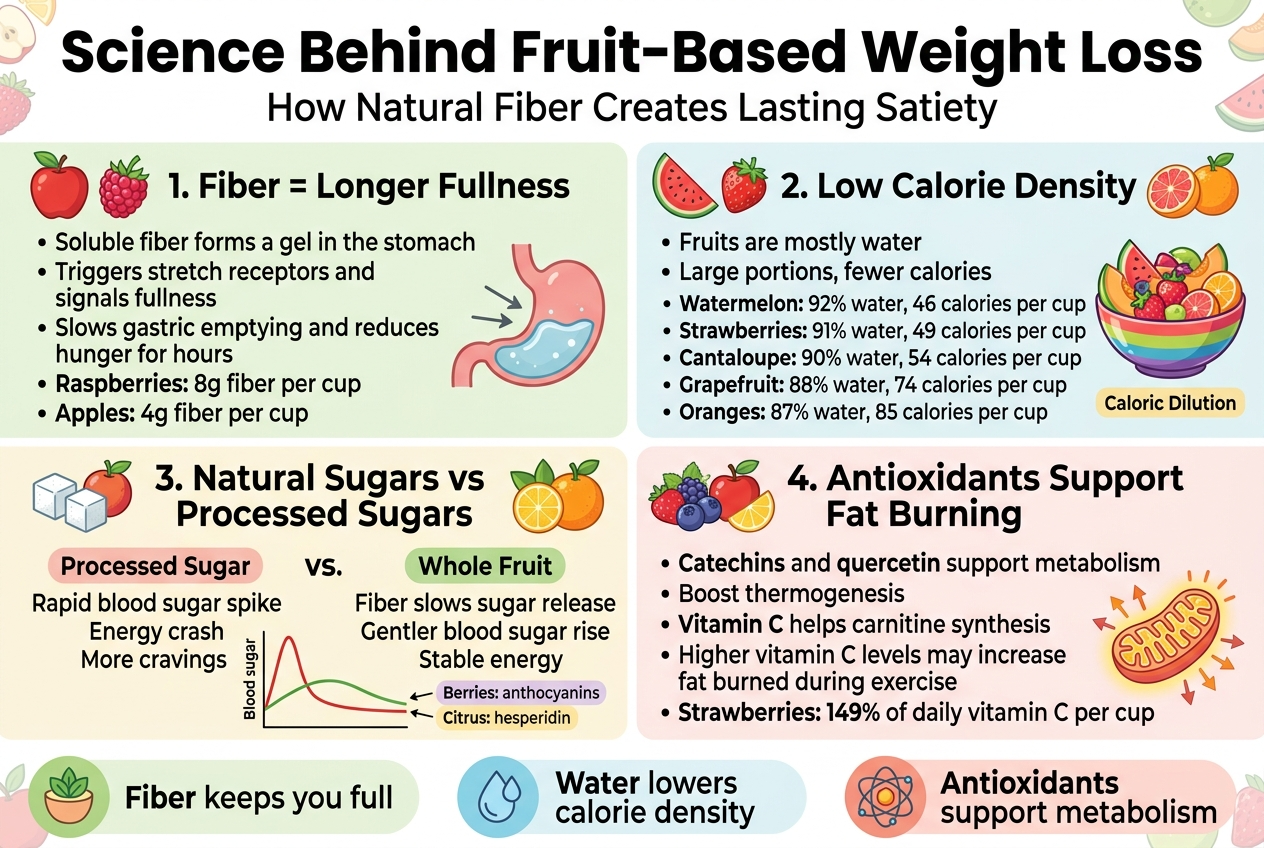
How Natural Fiber Creates Lasting Satiety
Weight loss fruits pack a powerful punch when it comes to keeping you full longer, and it all comes down to their incredible fiber content. When you bite into an apple or grab a handful of raspberries, you're getting both soluble and insoluble fiber that work together like a tag team for your metabolism.
Soluble fiber dissolves in water and forms a gel-like substance in your stomach, literally expanding to take up more space. This physical bulk triggers stretch receptors that signal your brain you're satisfied. Raspberries lead the pack with 8 grams of fiber per cup, while apples deliver about 4 grams along with their natural sweetness.
The magic doesn't stop there. Fiber slows down gastric emptying, meaning food stays in your stomach longer before moving to your small intestine. This extended process keeps hunger pangs at bay for hours rather than minutes. Studies show people who eat high-fiber fruits report feeling satisfied 2-3 hours longer than those eating processed snacks with similar calories.
Insoluble fiber adds another dimension by requiring more energy to digest. Your body actually burns calories just breaking down that fibrous apple skin or pear flesh - creating a small but meaningful metabolic boost that compounds over time.
Low-Calorie Density Maximizes Volume Without Excess Calories
Low calorie fruits excel at the weight loss game because they're mostly water with just enough natural sugars and nutrients to satisfy cravings. Watermelon contains 92% water and only 46 calories per cup, while strawberries pack 91% water with 49 calories per cup.
This high water content creates what nutritionists call "caloric dilution." You get to eat larger portions that visually and physically satisfy your appetite without consuming excessive calories. A whole cup of blueberries contains just 84 calories - less than a single tablespoon of peanut butter.
| Fruit | Calories per Cup | Water Content | Volume Advantage |
|---|---|---|---|
| Watermelon | 46 | 92% | Extremely High |
| Strawberries | 49 | 91% | Very High |
| Cantaloupe | 54 | 90% | Very High |
| Grapefruit | 74 | 88% | High |
| Oranges | 85 | 87% | High |
The psychological impact is just as important as the physical. When your plate or bowl looks full of colorful, fresh fruit, your brain registers satisfaction before you even take the first bite. This visual cue helps prevent the feeling of restriction that often derails weight loss efforts.
Natural Sugars vs Processed Sugars Impact on Metabolism
Fruits that burn fat work differently in your body compared to processed sweets, and the distinction lies in how natural fruit sugars interact with your metabolism. When you eat an orange, you're getting fructose bundled with fiber, water, vitamins, and antioxidants - a complete package that your body processes gradually.
Processed sugars hit your bloodstream like a freight train, causing rapid spikes in blood glucose and insulin. Your pancreas scrambles to manage this sugar rush, often overcorrecting and leaving you with an energy crash that triggers more cravings within an hour.
Natural fruit sugars release more slowly thanks to the fiber matrix that surrounds them. This creates a gentler rise in blood sugar that your body can handle efficiently without dramatic hormonal swings. The result? More stable energy levels and fewer between-meal cravings that typically sabotage weight loss efforts.
Best fruits for weight loss also contain compounds that actually improve insulin sensitivity. Berries contain anthocyanins that help your cells respond better to insulin, while citrus fruits provide hesperidin that supports healthy blood sugar regulation.
Antioxidants Boost Fat-Burning Processes
The antioxidant powerhouses in weight loss friendly fruits do more than just fight free radicals - they actively support your body's fat-burning machinery. Catechins in berries and quercetin in apples enhance mitochondrial function, essentially helping your cellular power plants run more efficiently.
Green tea gets all the credit for metabolism-boosting catechins, but blueberries actually contain higher concentrations of these compounds. These antioxidants increase thermogenesis - the process where your body burns calories to produce heat. Even a modest boost in thermogenesis can add up to meaningful weight loss over months.
Vitamin C, abundant in citrus fruits and strawberries, plays a crucial role in carnitine synthesis. Carnitine transports fatty acids into your mitochondria where they're burned for energy. Without adequate vitamin C, your fat-burning capacity literally slows down at the cellular level.
Research shows people with higher blood levels of vitamin C burn 30% more fat during exercise compared to those with lower levels. A single cup of strawberries provides 149% of your daily vitamin C needs, making it an ideal pre-workout snack for maximizing fat burn.
Top Weight Loss Fruits and Their Unique Benefits
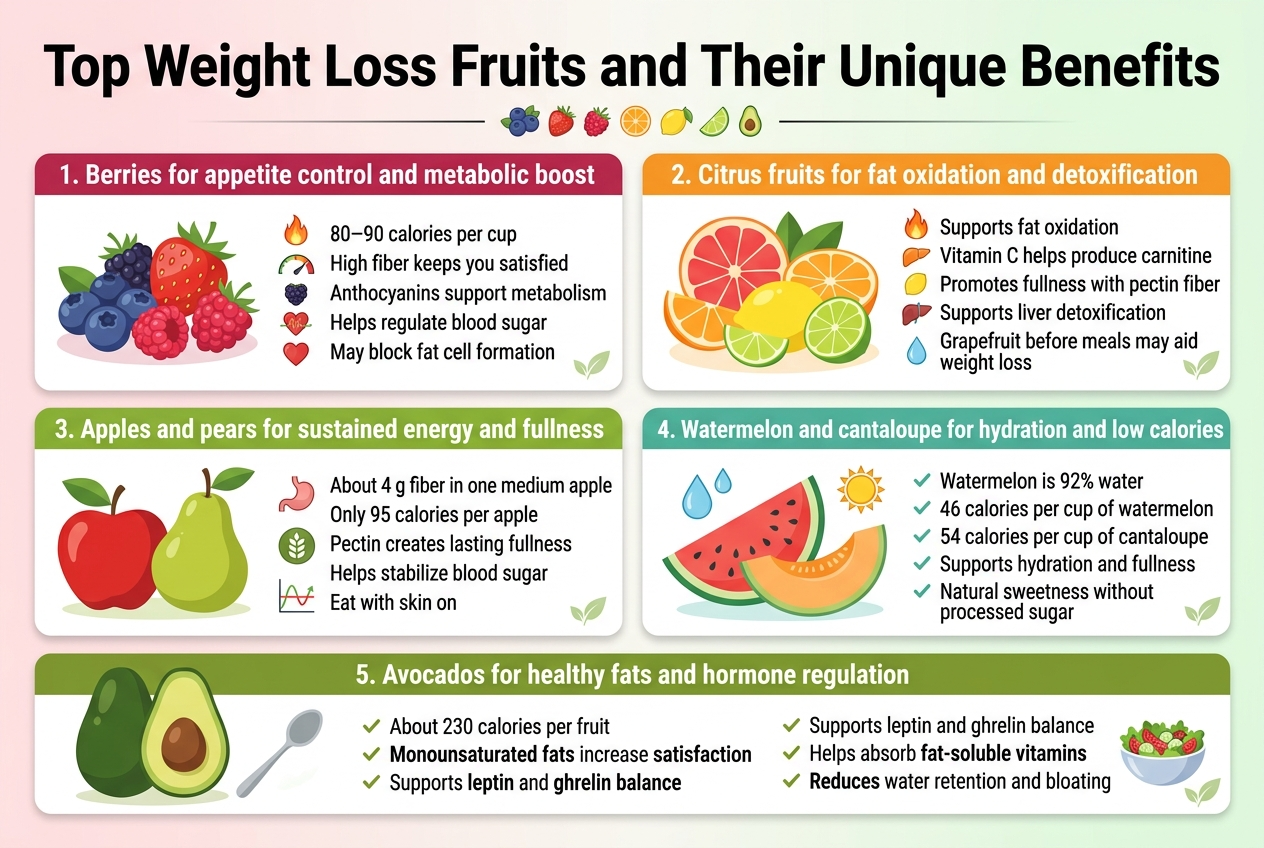
Berries for appetite control and metabolic boost
Blueberries, strawberries, raspberries, and blackberries pack incredible weight loss punch in tiny packages. These colorful gems contain anthocyanins, powerful compounds that fire up your metabolism and help your body burn fat more efficiently. A cup of mixed berries delivers only 80-90 calories while providing fiber that keeps you satisfied for hours.
Research shows that people who eat berries regularly have lower body mass indexes and smaller waist circumferences. The secret lies in their ability to regulate blood sugar levels, preventing those energy crashes that lead to unhealthy snacking. Berries also contain natural compounds that block the formation of fat cells, making them true weight loss fruits.
Fresh berries work best, but frozen versions retain most nutrients and cost less. Add them to Greek yogurt, blend into smoothies, or eat them as afternoon snacks to curb cravings naturally.
Citrus fruits for fat oxidation and detoxification
Grapefruits, oranges, lemons, and limes deserve their reputation as best fruits for weight loss. These tangy powerhouses contain compounds that literally help your body break down fat cells. Grapefruit, in particular, has been shown to reduce insulin levels and improve fat oxidation rates.
The vitamin C in citrus fruits plays a crucial role in producing carnitine, an amino acid that helps your body burn fat for energy. One medium grapefruit before meals can boost weight loss by up to 3 pounds over 12 weeks without any other dietary changes.
Citrus fruits also support liver detoxification, helping your body eliminate toxins that can slow metabolism. The pectin fiber in these fruits creates a gel-like substance in your stomach that promotes fullness and slows digestion.
Apples and pears for sustained energy and fullness
Apples and pears excel at keeping hunger at bay thanks to their impressive fiber content and natural sweetness. One medium apple contains about 4 grams of fiber and only 95 calories, making it an ideal snack for weight management. The pectin in these fruits forms a satisfying gel in your stomach that signals fullness to your brain.
These low calorie fruits also help stabilize blood sugar levels, preventing the roller coaster of hunger and cravings that sabotages many weight loss efforts. Studies show that people who eat an apple before meals consume 15% fewer calories during the meal.
The key is eating them with the skin on, where most of the fiber and nutrients live. Choose organic when possible, or wash conventional apples thoroughly to remove pesticide residues.
Watermelon and cantaloupe for hydration and low calories
These juicy melons are weight loss champions disguised as treats. Watermelon is 92% water and contains only 46 calories per cup, while cantaloupe provides 54 calories per cup. Their high water content helps you feel full while contributing to daily hydration needs.
Both melons contain compounds that support healthy kidney function and natural detoxification. Watermelon contains citrulline, an amino acid that may help reduce belly fat by improving blood flow and reducing inflammation.
The natural sugars in melons satisfy sweet cravings without the empty calories found in processed desserts. They're perfect for hot summer days when you need refreshing, weight loss friendly fruits that won't derail your progress.
Avocados for healthy fats and hormone regulation
Don't let their calorie count fool you – avocados are weight loss superstars. While they contain about 230 calories per fruit, their monounsaturated fats trigger hormones that signal fullness and satisfaction. People who eat avocados regularly tend to have lower body weights and smaller waists despite the higher calorie intake.
The healthy fats in avocados help your body absorb fat-soluble vitamins and regulate hormones like leptin and ghrelin, which control hunger and metabolism. These fruits that burn fat also provide potassium, which helps reduce water retention and bloating.
Half an avocado added to salads or smoothies dramatically increases nutrient absorption from other vegetables and fruits. The combination creates a perfect weight loss meal that keeps you satisfied for hours while providing essential nutrients your body needs to function optimally.
Strategic Timing for Maximum Weight Loss Results
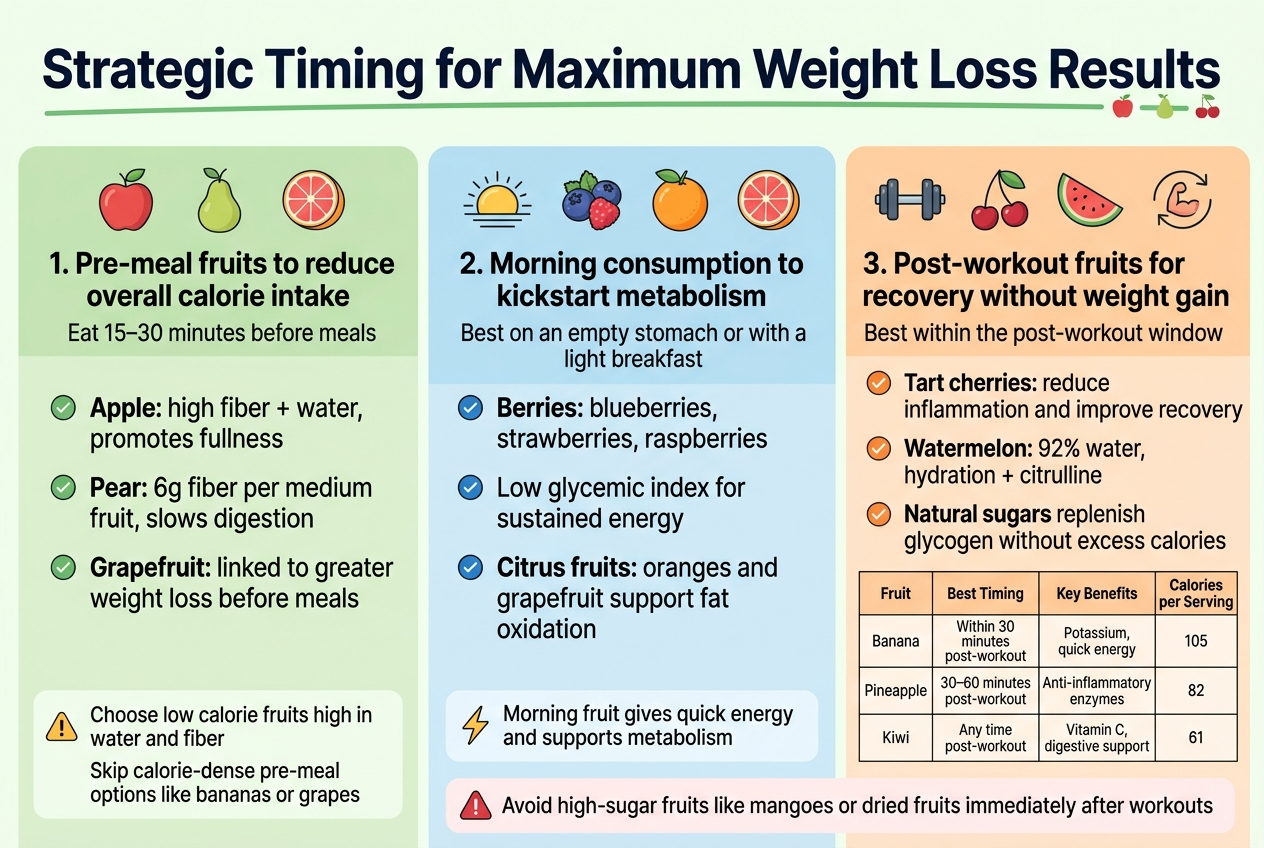
Pre-meal fruits to reduce overall calorie intake
Eating the right weight loss fruits about 15-30 minutes before meals can dramatically reduce your total calorie consumption. This simple timing trick works because certain fruits trigger satiety signals that tell your brain you're already getting full.
Apples stand out as the champion pre-meal fruit. Their high fiber and water content create a feeling of fullness that naturally makes you eat smaller portions during your actual meal. Research shows people who ate an apple before lunch consumed 15% fewer calories overall compared to those who skipped the pre-meal fruit.
Pears work similarly, packing 6 grams of fiber per medium fruit. This fiber expands in your stomach, creating physical fullness while slowing digestion. Grapefruit deserves special mention - studies reveal that people who ate half a grapefruit before meals lost significantly more weight than control groups.
The key is choosing low calorie fruits that are high in water and fiber but moderate in natural sugars. Avoid calorie-dense options like bananas or grapes before meals, as they might add unnecessary calories without the same satiety benefits.
Morning consumption to kickstart metabolism
Your metabolism runs slower during sleep, making morning fruits for losing belly fat particularly effective for jumpstarting your fat-burning engine. The natural fructose in morning fruits gets converted to energy quickly, signaling your body to ramp up metabolic processes.
Berries reign supreme for morning consumption. Blueberries, strawberries, and raspberries are packed with antioxidants that fight inflammation while delivering natural sugars that energize your system without causing blood sugar spikes. Their low glycemic index means sustained energy rather than the crash-and-burn effect of processed breakfast foods.
Citrus fruits like oranges and grapefruits provide vitamin C that supports fat oxidation - literally helping your body burn stored fat more efficiently. The citric acid in these best fruits for weight loss also enhances your body's ability to absorb nutrients from other foods throughout the day.
Timing matters here. Eat your morning fruit on an empty stomach or as part of a light breakfast. This allows maximum absorption of nutrients and gives the natural sugars direct access to fuel your metabolism without competing with other foods.
Post-workout fruits for recovery without weight gain
The post-workout window creates unique opportunities for strategic fruit consumption. Your muscles are primed to absorb nutrients, and your metabolism remains elevated, making this an ideal time for weight loss friendly fruits that support recovery without sabotaging your calorie deficit.
Tart cherries top the list for post-exercise consumption. They contain natural compounds that reduce muscle inflammation and improve recovery time. The natural sugars help replenish glycogen stores in your muscles without excess calories ending up as fat storage.
Watermelon offers the perfect combination of hydration and recovery nutrients. It's 92% water, helping replace fluids lost during exercise, while providing natural electrolytes and the amino acid citrulline, which supports muscle recovery. At only 46 calories per cup, it won't derail your weight loss progress.
| Fruit | Best Timing | Key Benefits | Calories per Serving |
|---|---|---|---|
| Banana | Within 30 minutes post-workout | Potassium, quick energy | 105 |
| Pineapple | 30-60 minutes post-workout | Anti-inflammatory enzymes | 82 |
| Kiwi | Any time post-workout | Vitamin C, digestive support | 61 |
Avoid high-sugar fruits like mangoes or dried fruits immediately after workouts. While your body can handle more carbohydrates post-exercise, these options still pack enough calories to potentially offset the calories you just burned during your workout session.
Preparation Methods That Enhance Weight Loss Benefits
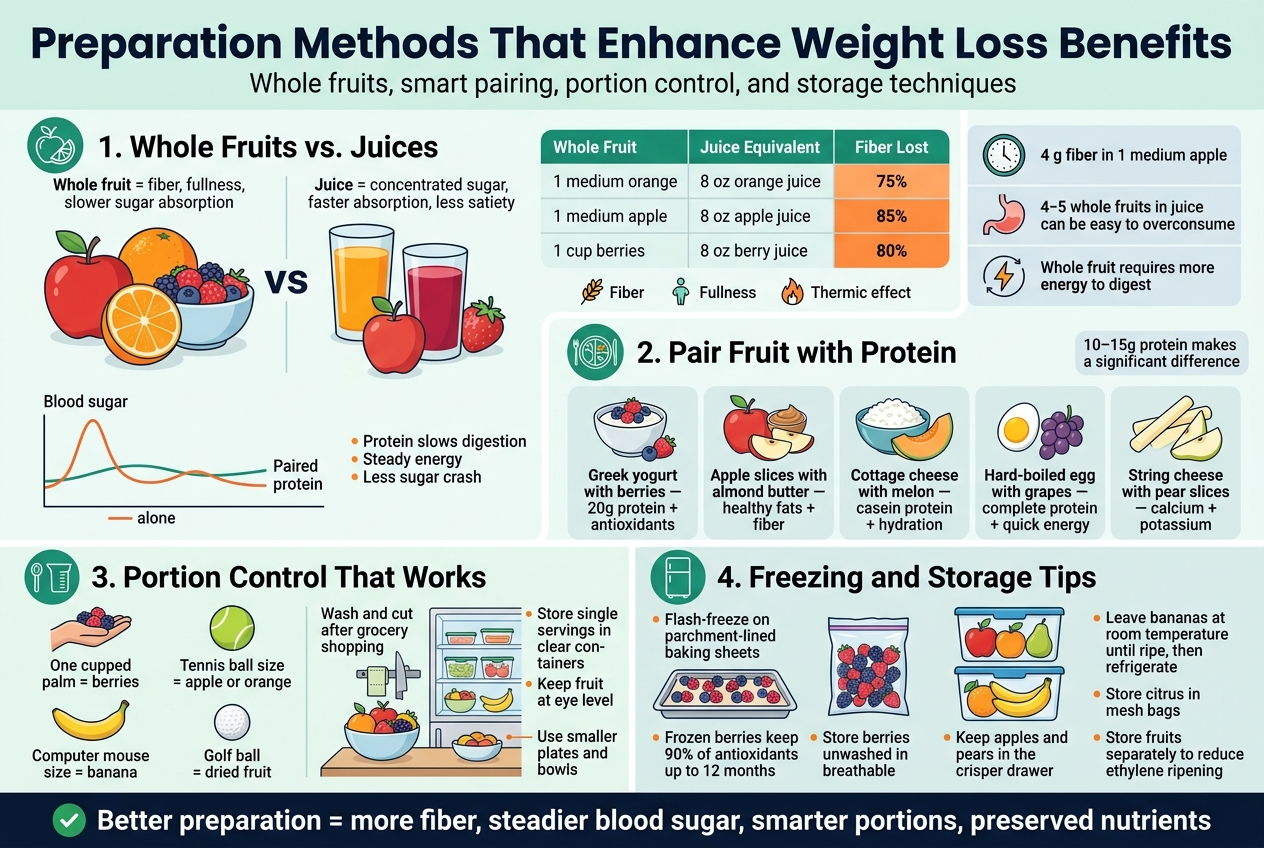
Whole fruits vs juices for optimal fiber retention
The difference between eating weight loss fruits whole versus drinking them as juice is massive when you're trying to shed pounds. When you blend or juice fruits, you're essentially breaking down the cell walls that contain precious fiber, leaving you with concentrated sugar and water. A whole apple contains about 4 grams of fiber that helps you feel full and slows sugar absorption, while apple juice delivers pure fructose that hits your bloodstream fast.
Best fruits for weight loss work their magic through fiber content. This insoluble fiber creates bulk in your stomach, triggering satiety hormones that tell your brain you're full. When you drink fruit juice, you miss this crucial signal and can easily consume the equivalent of 4-5 whole fruits in one sitting without feeling satisfied.
Whole fruits also require more energy to digest – a process called the thermic effect of food. Your body burns calories just breaking down that fibrous structure, while juices require minimal digestive effort.
| Whole Fruit | Juice Equivalent | Fiber Lost |
|---|---|---|
| 1 medium orange | 8 oz orange juice | 75% |
| 1 medium apple | 8 oz apple juice | 85% |
| 1 cup berries | 8 oz berry juice | 80% |
Pairing fruits with protein for blood sugar stability
Smart fruit pairing transforms fruits that burn fat into more effective weight loss tools. When you eat fruit alone, natural sugars cause blood glucose spikes followed by crashes that trigger hunger and cravings. Adding protein slows digestion and creates a steady energy release.
The science is straightforward: protein triggers glucagon release, which helps stabilize blood sugar levels. This prevents the insulin roller coaster that often leads to fat storage, especially around the midsection. Low calorie fruits become even more powerful when paired strategically.
Winning protein-fruit combinations:
-
Greek yogurt with berries (20g protein + antioxidants)
-
Apple slices with almond butter (healthy fats + fiber)
-
Cottage cheese with melon (casein protein + hydration)
-
Hard-boiled egg with grapes (complete protein + quick energy)
-
String cheese with pear slices (calcium + potassium)
The protein doesn't need to be huge – even 10-15 grams makes a significant difference in how your body processes fruit sugars. This approach helps maintain steady energy levels and prevents the afternoon sugar crashes that derail healthy fruits for weight management efforts.
Portion control strategies that prevent overconsumption
Even weight loss friendly fruits can stall progress when portions get out of control. Many people think fruit is "free" food, but calories still count. A large banana has the same calories as a slice of bread, and it's easy to mindlessly munch through 300+ calories of grapes while watching TV.
Visual portion guides work better than measuring:
-
One cupped palm = appropriate berry serving
-
Tennis ball size = perfect apple or orange
-
Computer mouse size = ideal banana portion
-
Golf ball = right amount of dried fruit
Pre-portioning prevents overconsumption. Wash and cut fruits immediately after grocery shopping, storing single servings in clear containers. When hunger strikes, you'll grab the pre-measured portion instead of eating straight from the bag or container.
Strategic placement matters too. Keep cut fruits at eye level in the fridge and whole fruits in a visible bowl on the counter. This visual reminder helps you choose fruits for losing belly fat over processed snacks, while the pre-portioning ensures you don't overdo it.
Consider using smaller plates and bowls for fruit servings. The same portion looks more substantial on a smaller dish, helping trick your brain into feeling satisfied with appropriate amounts.
Freezing and storage techniques that preserve nutrients
Proper storage maximizes the weight loss fruits benefits you're working hard to achieve. Many people don't realize that frozen fruits often contain more nutrients than fresh ones that have traveled long distances and sat on shelves for days.
Freezing technique that locks in nutrition:
Flash-freeze fruits on parchment-lined baking sheets before transferring to freezer bags. This prevents clumping and preserves individual fruit structure. Frozen berries maintain 90% of their antioxidant content for up to 12 months when stored properly.
Fresh fruit storage secrets:
-
Store berries unwashed in breathable containers
-
Keep apples and pears in the crisper drawer
-
Leave bananas at room temperature until ripe, then refrigerate
-
Wash citrus fruits and store in mesh bags for air circulation
Temperature matters significantly. Most fruits continue ripening after picking, and controlling this process helps maintain peak nutrient density. Slightly underripe fruits often have lower sugar content and higher fiber, making them better choices for fruit diet for weight loss goals.
Meal prep advantages: Washing, cutting, and properly storing fruits on prep day ensures you always have convenient, nutrient-dense options ready. Pre-washed berries and cut melon pieces remove the barriers that often lead to choosing processed snacks over fresh fruit.
Store different fruits separately when possible. Many fruits release ethylene gas that accelerates ripening in nearby produce, potentially reducing the nutrient content you're counting on for weight management success.
Common Fruit Mistakes That Sabotage Weight Loss Goals
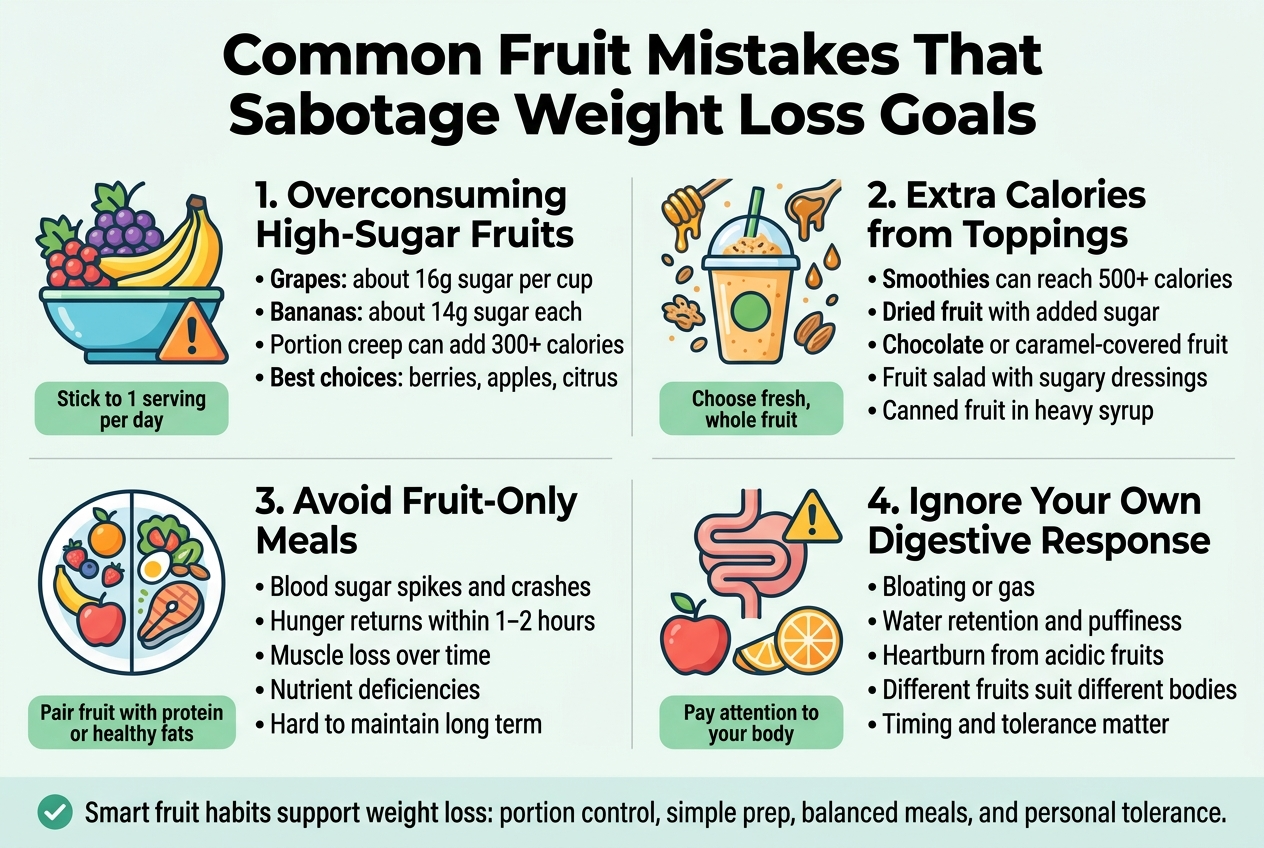
Overconsuming High-Sugar Fruits Like Grapes and Bananas
Many people assume all weight loss fruits are created equal, but some varieties pack significantly more sugar and calories than others. Grapes contain about 16 grams of sugar per cup, while bananas clock in at roughly 14 grams each. When you're mindlessly snacking on these fruits that burn fat throughout the day, those sugars add up fast.
The problem isn't that these fruits are inherently bad - they offer valuable nutrients and fiber. The issue comes when portion control goes out the window. Eating three bananas and two cups of grapes can easily add 300+ calories to your daily intake, which might push you over your weight loss calorie target.
Best fruits for weight loss typically contain less than 10 grams of sugar per serving. Think berries, apples, and citrus fruits. If you love bananas and grapes, stick to one serving per day and pair them with protein or healthy fats to slow sugar absorption.
Adding Unnecessary Calories Through Toppings and Preparations
Your healthy fruits for weight management can quickly become calorie bombs when you start adding extras. That fruit smoothie with honey, agave, yogurt, granola, and nut butter might taste amazing, but it could contain 500+ calories - more than a small meal.
Common calorie traps include:
-
Dried fruits with added sugars
-
Fruit dipped in chocolate or caramel
-
Smoothies with multiple add-ins
-
Fruit salads drowning in sugary dressings
-
Canned fruits in heavy syrup
Low calorie fruits work best when eaten fresh and whole. If you need to jazz them up, try cinnamon, a squeeze of lemon, or a small amount of unsweetened Greek yogurt. These additions provide flavor without derailing your weight loss goals.
Replacing Balanced Meals with Fruit-Only Diets
Some people take fruit diet for weight loss to extremes, replacing entire meals with nothing but fruit. While fruits provide vitamins, minerals, and fiber, they lack the protein and healthy fats your body needs for sustained energy and muscle maintenance.
Fruit-only meals typically lead to:
-
Blood sugar spikes and crashes
-
Increased hunger within 1-2 hours
-
Muscle loss over time
-
Nutrient deficiencies
-
Difficulty maintaining the diet long-term
Weight loss friendly fruits work best as part of balanced meals or snacks. Try pairing an apple with almond butter, berries with Greek yogurt, or citrus fruits with a handful of nuts. This combination provides sustained energy and helps prevent overeating later.
Ignoring Individual Digestive Responses and Allergies
Your body's unique response to different fruits can make or break your weight loss success. Some people experience bloating, gas, or digestive discomfort with certain fruits, which can lead to water retention and a puffy feeling that masks weight loss progress.
When to eat fruits for weight loss also depends on your individual tolerance. People with insulin resistance might do better eating fruits earlier in the day, while those with sensitive stomachs might need to avoid acidic fruits on an empty stomach.
Pay attention to how different fruits for losing belly fat affect your body. If citrus fruits cause heartburn or stone fruits trigger bloating, don't force them just because they're considered healthy. There are plenty of other options that might work better for your digestive system and weight loss goals.
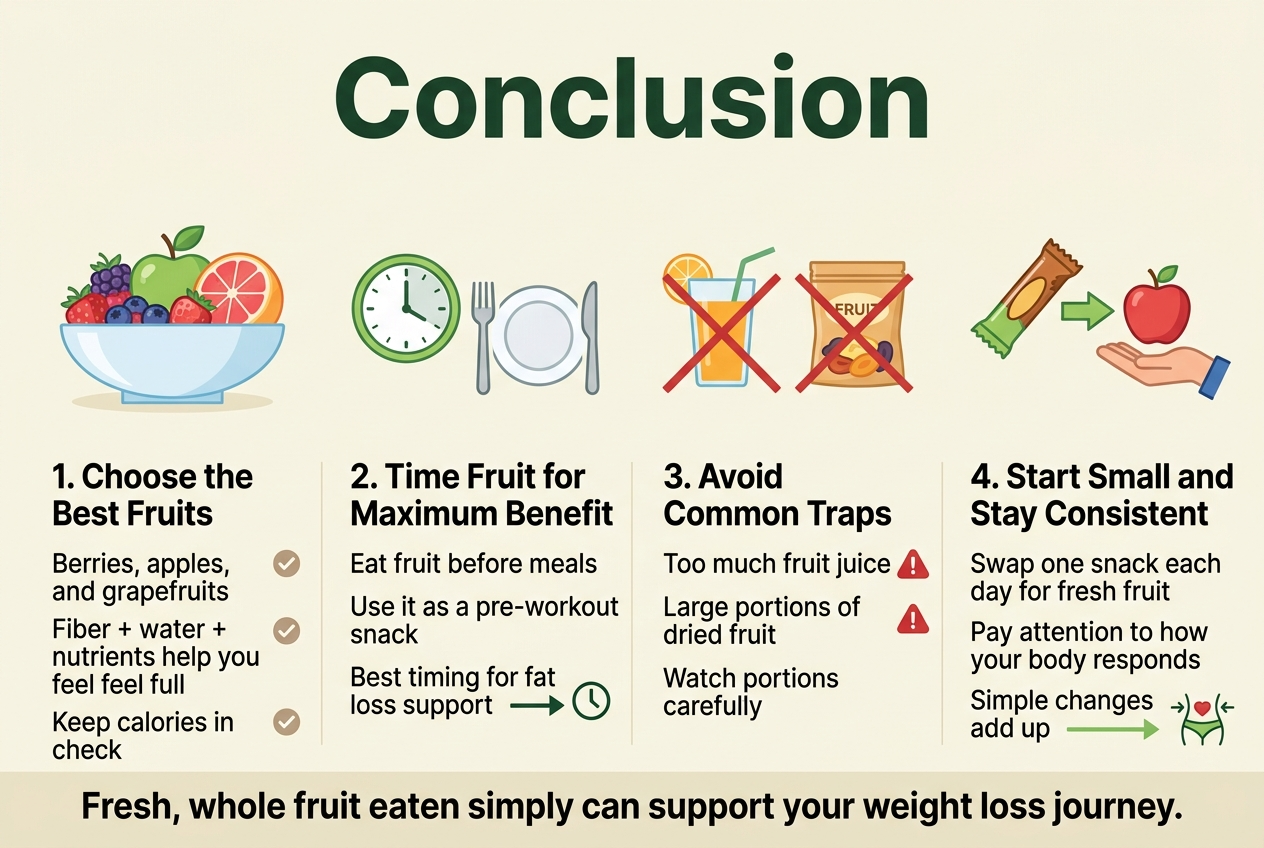
Adding fruit to your weight loss journey can make a real difference when you understand which ones work best and how to eat them properly. The natural fiber, water content, and nutrients in fruits like berries, apples, and grapefruits can help you feel full while keeping calories in check. Timing matters too - eating fruit before meals or as a pre-workout snack gives you the biggest advantage for shedding pounds.
The key is avoiding the common traps that many people fall into, like drinking too much fruit juice or loading up on dried fruits without watching portions. Fresh, whole fruits eaten at the right times and prepared simply will serve you much better than processed versions. Start small by swapping one snack each day for a piece of fresh fruit, and pay attention to how your body responds. Your taste buds and waistline will thank you for making this simple but powerful change.


.png)
Comments
Post a Comment