Fun Facts About Your Favorite Fruits
Ever wonder why bananas are curved or how watermelons can explode? These amazing fruit facts will surprise even the most devoted fruit lovers and health enthusiasts looking to expand their knowledge beyond basic nutrition labels.
You'll discover the wild origins of your favorite fruits and learn about their surprising historical journeys across continents. We'll explore how some fruits pack more nutritional punch than you ever imagined, plus reveal the weird and wonderful ways they grow in nature.
Get ready to impress your friends with record-breaking fruit statistics and uncover the hidden cultural secrets that have shaped how we eat and celebrate with fruit today. These interesting fruit trivia gems will change how you look at your next grocery store trip.
Surprising Origins and Historical Discoveries
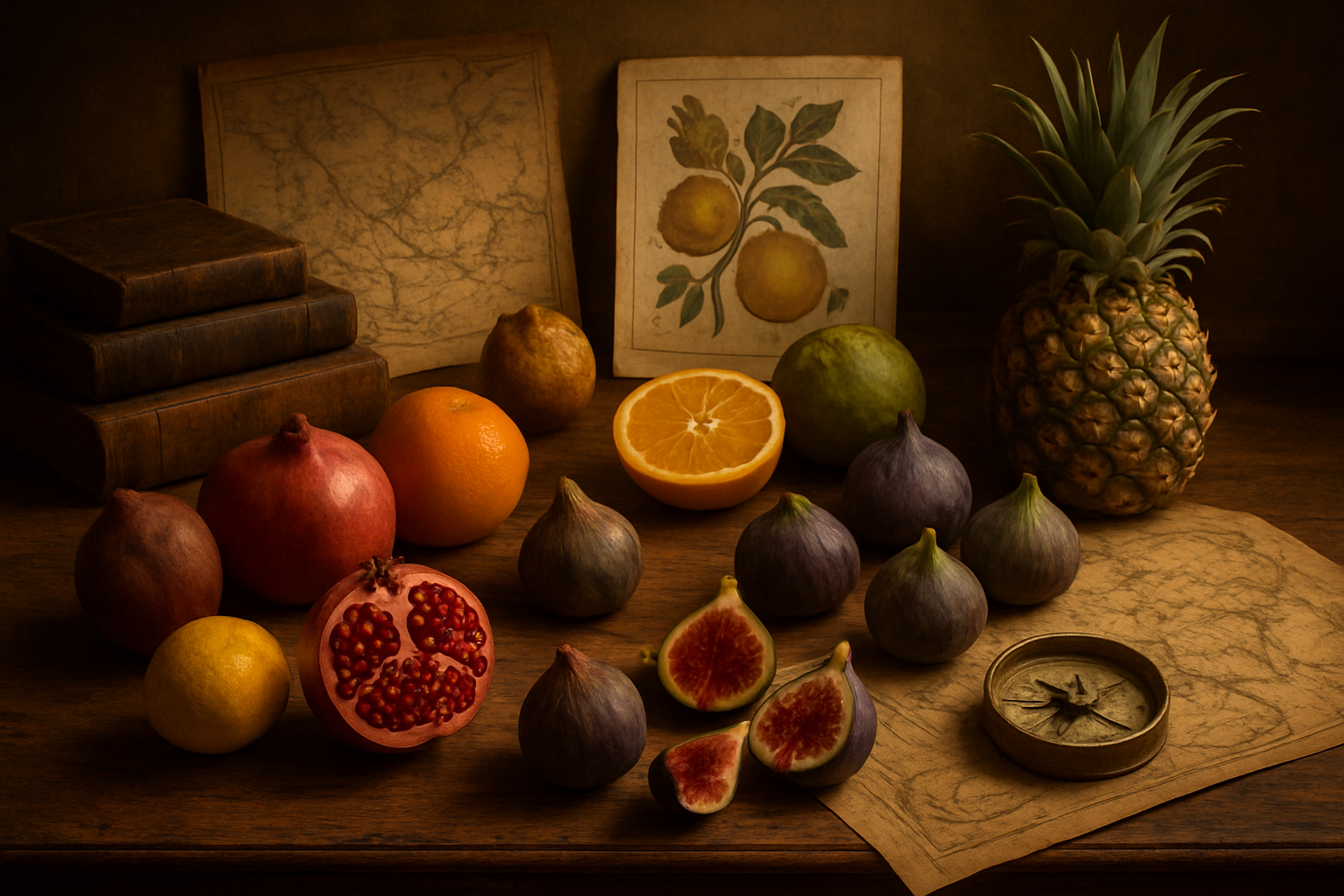
Ancient fruits that shaped civilizations
Apples weren't just the forbidden fruit in biblical tales – they actually helped build entire societies. Ancient Romans developed sophisticated apple cultivation techniques that spread throughout their empire, creating trade networks that lasted centuries. The famous phrase "an apple a day keeps the doctor away" has roots in Welsh folklore from the 1860s, but the fruit's medicinal reputation dates back to ancient Egypt.
Grapes transformed Mediterranean civilizations more than any other fruit. Wine production became so central to Greek and Roman culture that entire regions built their economies around viticulture. The Phoenicians carried grapevines across the Mediterranean, establishing vineyards that still produce wine today. These fruit origins created lasting cultural traditions that defined entire nations.
Figs held sacred status in ancient civilizations, particularly in Greece where they were considered gifts from the gods. Buddha achieved enlightenment under a fig tree, making this fruit central to Buddhist philosophy. Ancient Olympic athletes consumed figs for energy, believing they enhanced physical performance – making them history's first sports nutrition bars.
Accidental discoveries that created new varieties
The navel orange exists because of a single mutant branch discovered in a Brazilian monastery garden in 1820. This natural genetic accident created a seedless orange so perfect that every navel orange worldwide comes from grafts of that original tree. Talk about amazing fruit facts that changed breakfast forever.
Ruby Red grapefruits emerged from cosmic intervention. In 1929, Texas growers exposed pink grapefruit seeds to neutron radiation, accidentally creating the deep red variety we love today. This scientific accident turned into a multimillion-dollar industry.
Granny Smith apples started from seeds accidentally thrown in a compost pile by Maria Ann Smith in Australia during the 1860s. She discovered the seedling growing wild and cultivated what became one of the world's most popular apple varieties. Sometimes the best fruit trivia comes from happy accidents.
Royal fruits that were once forbidden to commoners
Pineapples commanded such high prices in 17th-century Europe that wealthy families rented them for parties instead of eating them. These tropical treasures cost the equivalent of $8,000 each in today's money. Colonial Americans built entire social events around displaying a single pineapple, using it as the ultimate symbol of hospitality and wealth.
Purple grapes were strictly reserved for Roman emperors and nobility. Commoners caught growing or eating certain grape varieties faced severe punishment. This fruit history shows how deeply intertwined food and social status once were.
Mangoes earned the title "king of fruits" in ancient India, where only royalty could cultivate these golden treasures. The Mughal emperors maintained vast mango orchards, and stealing the fruit was punishable by death. Even today, over 400 varieties exist in India alone.
Geographic journeys of fruits across continents
Bananas traveled one of the most remarkable paths in fruit origins history. Starting in Southeast Asia around 8000 BCE, they moved through India, reached Africa via Arab traders, then crossed the Atlantic with Portuguese explorers. Every banana variety we eat descended from just two wild species.
Oranges took multiple migration routes that created distinct varieties. Sweet oranges journeyed from China through India to the Mediterranean, while bitter oranges traveled via different trade routes. Spanish explorers brought oranges to the Americas, where they flourished in California and Florida.
Tomatoes made the most controversial geographic journey. Native to South America, they reached Europe via Spanish conquistadors but faced suspicion for centuries. Europeans thought tomatoes were poisonous because wealthy people got sick after eating them – the acidic fruit leached lead from expensive pewter plates. This misunderstanding delayed tomato acceptance in European cuisine for over 200 years, completely changing culinary history across continents.
Mind-Blowing Nutritional Powerhouses
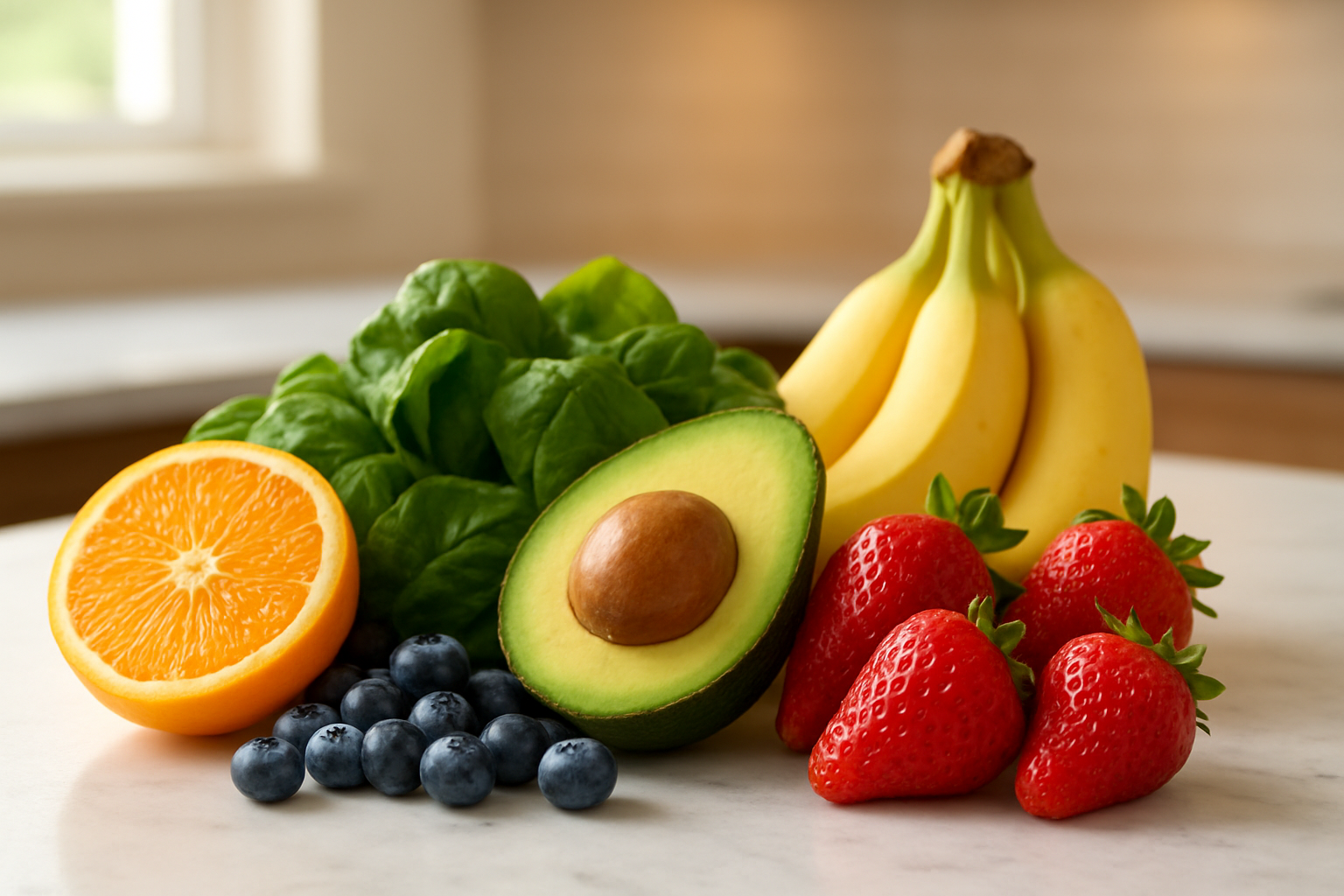
Fruits with more vitamin C than oranges
Oranges get all the credit, but they're actually not the vitamin C champions they're made out to be. Several fruits pack way more of this essential nutrient per serving. Guavas absolutely crush oranges with about 228 milligrams of vitamin C per cup compared to oranges' modest 70 milligrams. That's more than triple the punch!
Kiwi fruits are another surprising winner, delivering around 164 milligrams per cup. Just two kiwis give you more vitamin C than three oranges. Strawberries also outshine citrus with 85 milligrams per cup, plus they taste amazing in smoothies and desserts.
The real showstopper is the acerola cherry, which contains an incredible 1,644 milligrams of vitamin C per cup. That's about 23 times more than oranges! Even papaya beats oranges with 88 milligrams per cup, making these amazing fruit facts essential knowledge for anyone focused on nutritional benefits of fruits.
| Fruit | Vitamin C (mg per cup) | Times more than oranges |
|---|---|---|
| Acerola cherry | 1,644 | 23x |
| Guava | 228 | 3.3x |
| Kiwi | 164 | 2.3x |
| Papaya | 88 | 1.3x |
| Strawberries | 85 | 1.2x |
| Orange | 70 | 1x |
Natural energy boosters that outperform caffeine
Skip the coffee and reach for nature's energy bars instead. Bananas provide sustained energy through natural sugars and potassium, avoiding the crash that comes with caffeine. The combination of fructose, glucose, and sucrose gives you both immediate and longer-lasting fuel.
Apples work like natural caffeine thanks to their natural sugars and fiber content. The fiber slows sugar absorption, preventing energy spikes and crashes. Plus, the act of chewing an apple increases blood flow to the brain, making you feel more alert.
Dates are energy powerhouses packed with natural sugars, fiber, and potassium. Athletes often use them as pre-workout fuel because they provide quick energy without digestive upset. Three dates contain about the same energy-boosting power as a cup of coffee but without the jitters.
Grapes offer quick energy through their high natural sugar content. They're about 80% water, so they also help with hydration - something caffeine actually works against. The natural fruit sugars enter your bloodstream faster than processed sugars, giving you an almost immediate energy boost.
Disease-fighting compounds hiding in fruit skins
Most people toss fruit peels without knowing they're throwing away the most nutritionally dense part. Apple skins contain quercetin, a powerful antioxidant that fights inflammation and supports heart health. The skin has up to six times more antioxidants than the flesh.
Grape skins are loaded with resveratrol, the same compound that makes red wine famous for heart benefits. These compounds help protect against cardiovascular disease and may even slow aging processes. Red grape skins pack the highest concentrations.
Citrus peels contain limonene, which studies suggest may help prevent certain cancers and support liver detoxification. Orange and lemon peels also have higher vitamin C concentrations than the fruit inside. Try adding organic citrus zest to dishes for extra nutrition.
Even kiwi skins are edible gold mines. They triple the fiber content and contain vitamin C, vitamin E, and folate. The fuzzy texture might seem weird at first, but washing them well makes them perfectly safe to eat. This interesting fruit trivia shows how much nutrition we waste when we peel everything automatically.
Unusual Growing Methods and Plant Behaviors
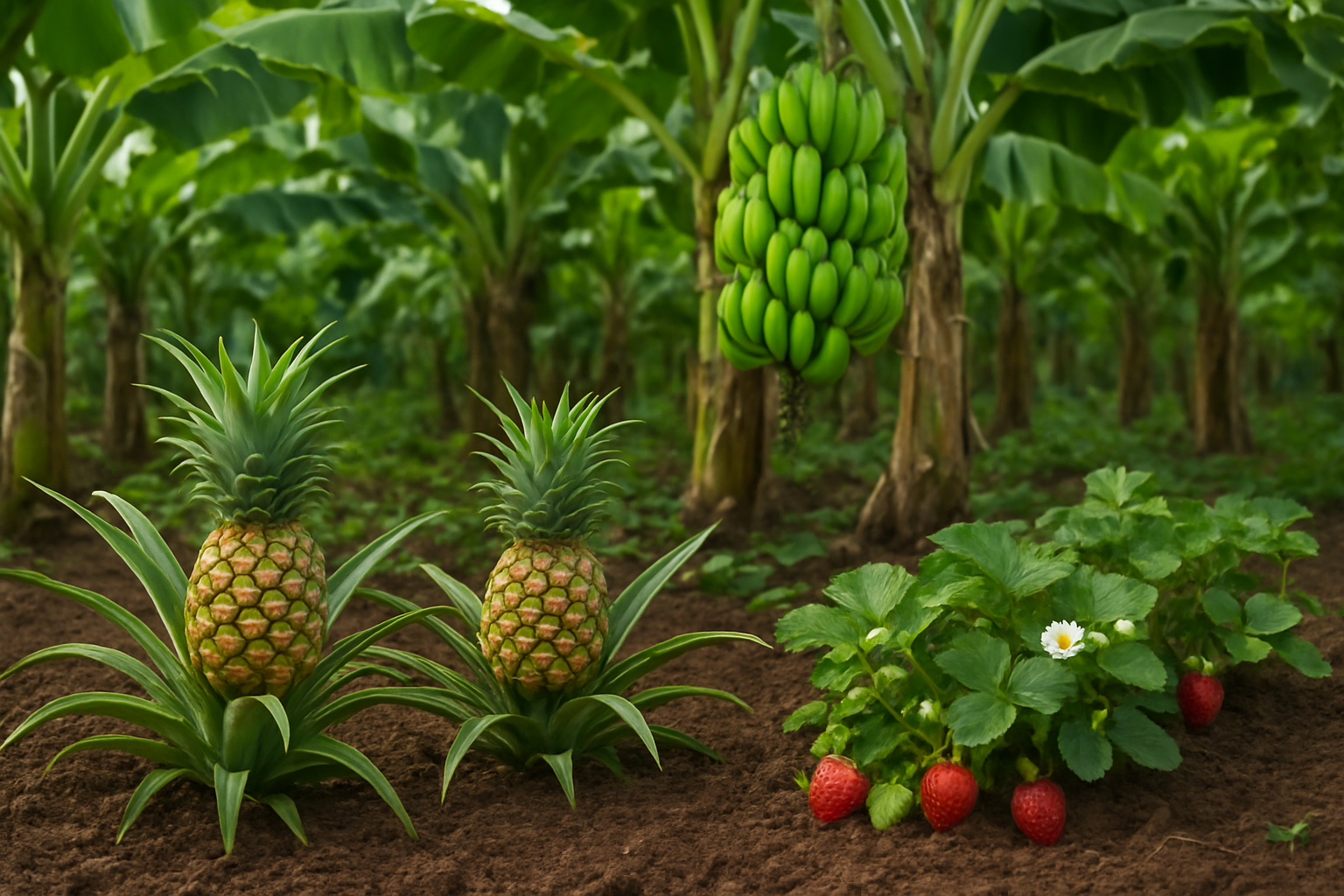
Fruits that grow in unexpected places on trees
Most people picture apples hanging from branches or oranges dangling from twigs, but some fruits break all the rules about where they should grow. Jackfruit, the world's largest tree-borne fruit, sprouts directly from the trunk and main branches of its tree rather than from smaller twigs. This massive fruit can weigh up to 80 pounds and grows so close to the bark that it looks like the tree is wearing giant green ornaments.
Cacao pods follow a similar pattern, emerging straight from the trunk and thick branches of cacao trees. This unusual growing habit, called cauliflory, helps support the weight of heavy fruits that would snap smaller branches. Even stranger, some fig varieties produce their fruits underground on specialized root systems before they emerge above soil level.
The breadfruit tree takes this concept even further - its basketball-sized fruits grow in clusters directly attached to thick branches, creating an almost alien appearance that surprises first-time observers.
Self-pollinating versus cross-pollinating mysteries
The world of fruit pollination reveals some fascinating fruit facts about plant reproduction strategies. Bananas throw conventional pollination rules out the window - commercial bananas are completely seedless and reproduce through clones, making every Cavendish banana essentially identical to its parent plant.
Avocado trees display one of nature's most complex timing mechanisms. Each tree functions as both male and female, but never at the same time. Type A avocado trees open their flowers as females in the morning, close them, then reopen them as males the following afternoon. Type B trees do exactly the opposite, creating a perfect cross-pollination dance when both types grow near each other.
Self-pollinating fruits like tomatoes and peppers can create fruit without any outside help, while cross-pollinating fruits like apples require genetic material from different varieties. This explains why planting just one apple tree rarely produces fruit - they need pollination partners to thrive.
Seasonal timing tricks that maximize flavor
Fruit trees have developed incredible timing strategies that maximize their nutritional benefits and flavor profiles. Many stone fruits like peaches and plums actually require a certain number of "chill hours" - periods below 45°F - during winter dormancy to produce sweet, flavorful fruit the following season.
Citrus fruits demonstrate amazing seasonal adaptation by developing thicker skins and higher sugar content when they ripen during cooler months. This natural antifreeze system protects the fruit while concentrating flavors that make winter oranges exceptionally sweet.
Some apple varieties can hang on trees for months after reaching maturity, slowly converting starches to sugars and developing complex flavor compounds. This extended ripening period explains why late-harvest apples often taste dramatically different from their early-season counterparts.
Tropical fruits like mangoes sync their ripening with seasonal rainfall patterns, ensuring maximum water content and sugar development precisely when conditions favor seed dispersal and germination.
Underground and underwater fruit phenomena
The most surprising fruit growing facts involve plants that completely abandon traditional above-ground fruit production. Peanuts, technically legumes but often grouped with fruits, produce flowers above ground that then grow downward, burying themselves in soil to develop their "nuts" in complete darkness.
Water chestnuts grow entirely underwater in muddy pond bottoms, developing their crisp, sweet flesh while completely submerged. These aquatic plants create fruits that remain fresh for months in their underwater environment.
Some wild strawberry relatives produce runners that create new plants underground, essentially growing fruit-producing offspring in hidden networks beneath the soil surface. These underground fruit phenomena challenge everything we think we know about traditional fruit cultivation and demonstrate nature's incredible adaptability in creating diverse growing strategies.
Ground cherries wrap their fruits in papery husks and often drop them to finish ripening at soil level, where the husks protect the developing fruit from insects and weather while maintaining perfect moisture levels for optimal flavor development.
Record-Breaking Fruit Statistics
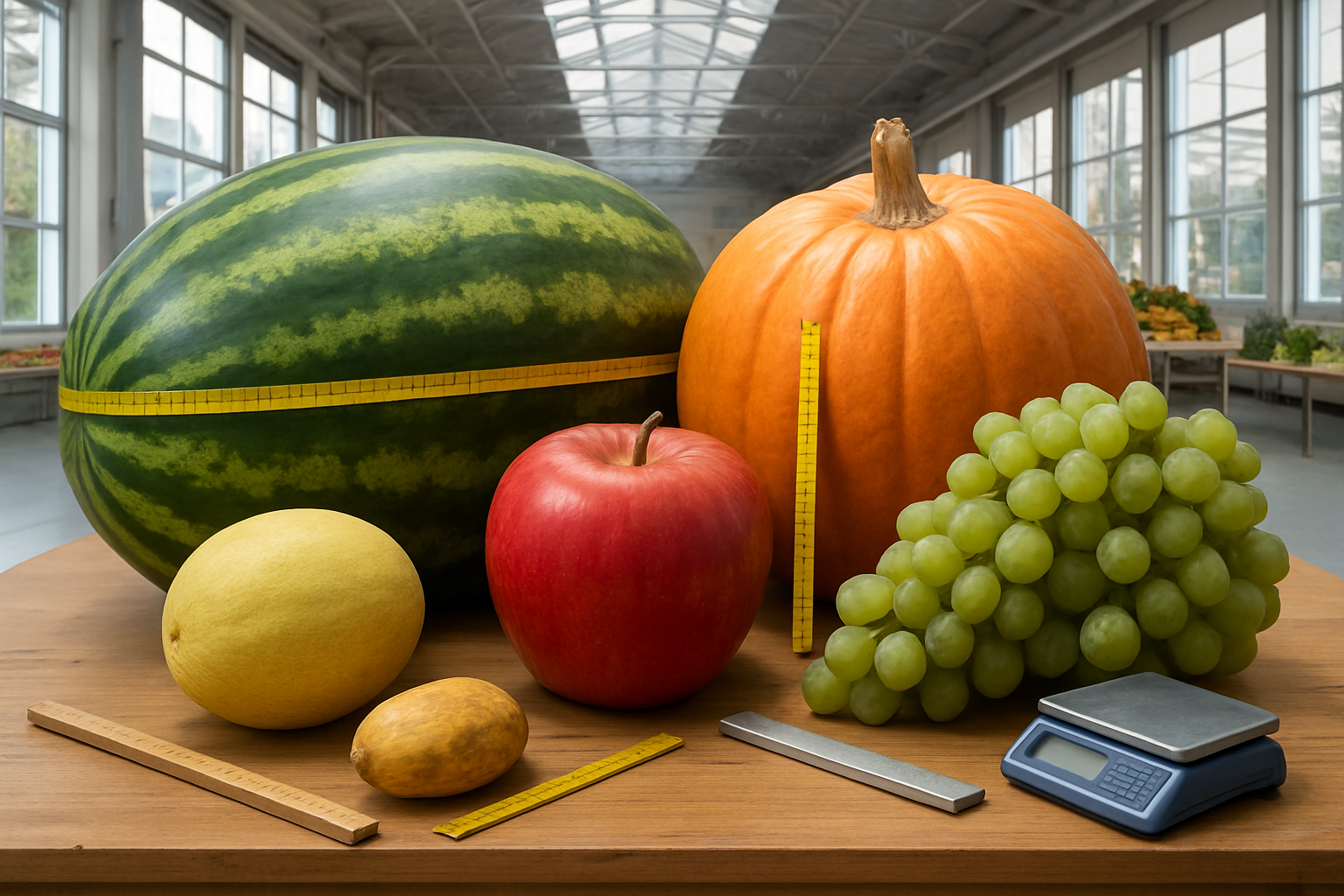
Heaviest and smallest fruits ever recorded
The world of fruit records features some jaw-dropping extremes that showcase nature's incredible diversity. The heaviest fruit ever recorded belongs to the jackfruit family - a massive specimen weighing in at 94.8 pounds was documented in Kerala, India. This colossal fruit could easily feed dozens of people and required multiple people just to lift it.
On the opposite end of the spectrum, the smallest fruits come from the duckweed family, specifically Wolffia species. These tiny fruits measure less than 1 millimeter in diameter - smaller than a grain of sand. You'd need thousands of these microscopic fruits to equal the weight of a single grape.
Pumpkins hold the crown for consistently breaking weight records, with the current world record holder tipping the scales at an astounding 2,749 pounds. This champion pumpkin, grown by Stefano Cutrupi in Italy, was so massive it required a forklift to move. These record-breaking pumpkins grow at rates of up to 50 pounds per day during peak season.
Most expensive fruits sold at auction
Luxury fruit auctions in Japan have redefined what people will pay for premium produce. The most expensive fruit ever sold was a pair of Yubari King melons that fetched $45,000 at a Japanese auction. These perfectly round, incredibly sweet melons are grown exclusively in Hokkaido and represent the pinnacle of Japanese fruit cultivation.
Ruby Roman grapes from Ishikawa Prefecture regularly sell for thousands of dollars per bunch. A single bunch of these grape varieties once sold for $12,000, with each grape the size of a ping-pong ball. The grapes must meet strict criteria: each grape must weigh at least 20 grams and contain sugar levels of at least 18%.
Square watermelons from Japan command prices around $200-$300 each, though they're grown primarily for decoration rather than eating. The Densuke black watermelon, also from Japan, has sold for over $6,000 at auction due to its rare black rind and exceptional sweetness.
Fastest growing fruit varieties
Bamboo technically produces the fastest-growing fruit on Earth, with some species capable of growing up to 35 inches in a single day. However, among commonly consumed fruits, certain varieties of strawberries can produce ripe fruit in as little as 60 days from planting.
Passion fruit vines rank among the speediest fruit producers, often yielding harvestable fruit within 6-8 months of planting. These vigorous climbers can grow several feet per month under optimal conditions and continue producing fruit for years.
Dragon fruit cacti surprise many with their rapid growth, producing edible fruit within 12-18 months of planting. The cactus itself can grow several feet annually, and once established, produces multiple fruit harvests throughout the growing season. Some commercial varieties have been bred specifically for faster maturation, allowing growers to harvest fruit even sooner.
Hidden Culinary and Cultural Secrets
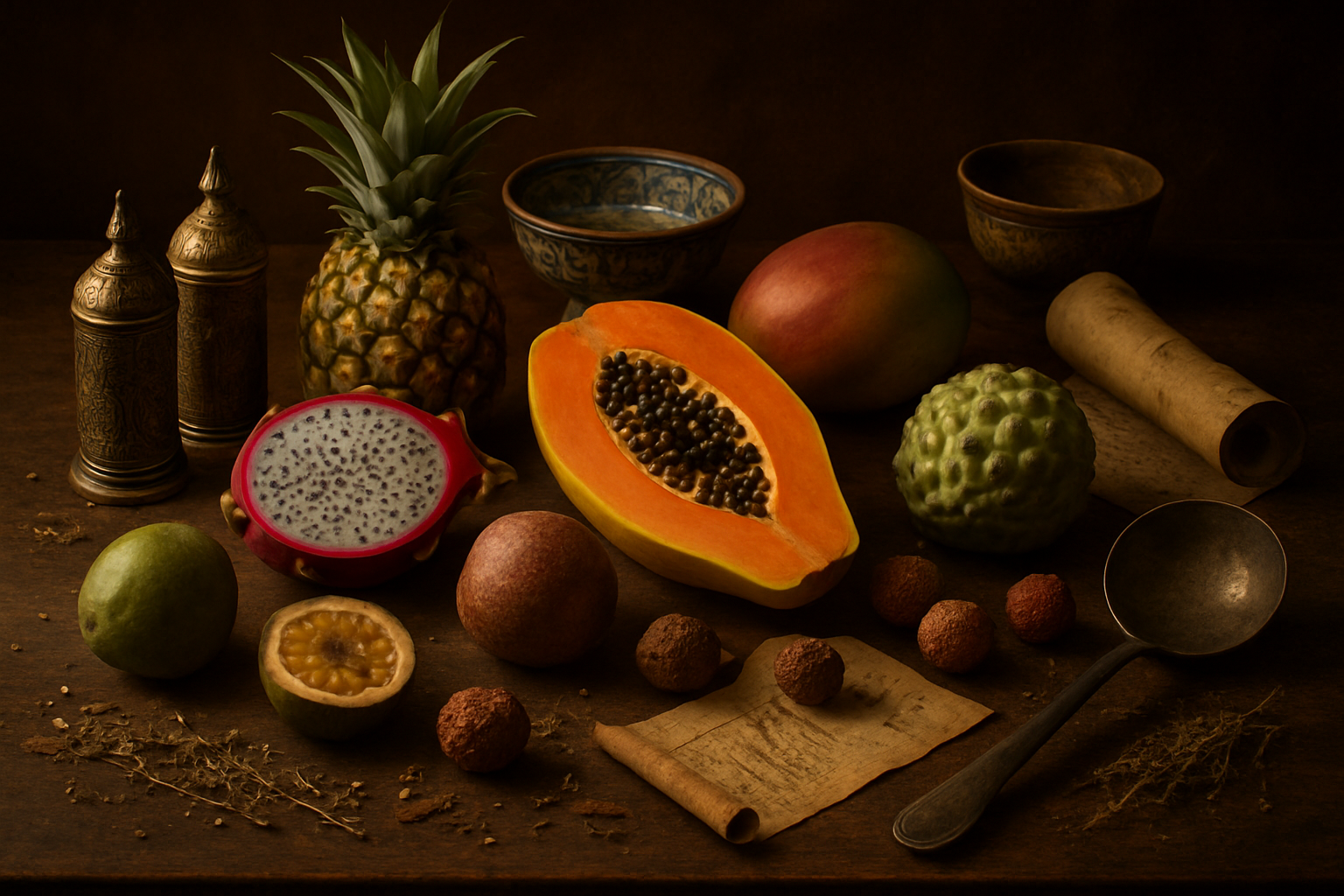
Fruit flavor combinations that enhance taste
Pairing fruits strategically can create explosive taste sensations that go far beyond simple fruit salads. Watermelon and feta cheese might sound odd, but the salty-sweet combination brings out watermelon's subtle flavors while mellowing the cheese's sharpness. Similarly, strawberries paired with black pepper amplify the berry's natural sweetness through contrast, while lime juice on mango creates an addictive sweet-tart balance that's become a street food staple worldwide.
Apples and sharp cheddar create the perfect balance of crisp texture and complementary flavors, explaining why this combination appears in countless recipes. Pears work beautifully with blue cheese, as the fruit's gentle sweetness offsets the cheese's bold, pungent notes. These fruit facts about flavor pairing have roots in food science - contrasting tastes often enhance each other rather than competing.
Traditional ceremonies centered around specific fruits
Pomegranates hold sacred significance in Jewish Rosh Hashanah celebrations, symbolizing fertility and abundance with their hundreds of seeds representing good deeds for the coming year. In Hindu traditions, coconuts are cracked open during temple ceremonies, representing the breaking of ego and revealing inner purity.
Japanese culture celebrates cherry blossoms (sakura) with elaborate hanami festivals, where families gather under blooming trees for picnics and reflection on life's fleeting beauty. Ancient Greek wedding ceremonies included sharing quinces, believed to ensure fertility and happiness in marriage. These amazing fruit facts show how deeply fruits are woven into human spiritual and cultural practices.
Mexican Day of the Dead altars feature oranges as offerings to deceased loved ones, their bright color and sweet scent believed to guide spirits home. Chinese New Year celebrations prominently display oranges and tangerines, their golden color symbolizing wealth and good fortune.
Fruits used as natural preservatives and medicines
Long before refrigeration, fruits served as powerful preservatives and healing agents. Cranberries contain natural compounds that prevent bacterial growth, which Native Americans discovered centuries ago when using them to preserve pemmican (dried meat). The fruit's high acidity and unique chemical makeup made it invaluable for food storage during harsh winters.
Lemons and limes became essential for long sea voyages, preventing scurvy among sailors through their vitamin C content. Their acidic nature also helped preserve other foods and purify water. Grapes naturally ferment into wine, creating alcohol that acts as a preservative while providing nutritional benefits.
Elderberries have been used medicinally for over 2,000 years, with modern science confirming their antiviral and immune-boosting properties. Papaya contains enzymes that aid digestion and reduce inflammation, earning it a place in traditional medicine across tropical regions. These interesting fruit trivia examples demonstrate how our ancestors understood fruits' medicinal value long before modern science explained the mechanisms behind their healing properties.
Color-changing fruits that indicate ripeness
Bananas provide nature's perfect ripeness indicator, transitioning from green to yellow to brown spots as starches convert to sugars. Green bananas contain resistant starch that's difficult to digest, while perfectly ripe yellow bananas offer peak sweetness and digestibility. Those brown spots indicate maximum sugar content, perfect for baking.
Avocados shift from bright green to dark purple-black when ready to eat, though this varies by variety. The Hass avocado's color change is so reliable that grocery stores use it as a selling point. Pears often don't change color dramatically but soften near the stem when ripe, requiring a gentle touch test.
Tomatoes transform from green to red as chlorophyll breaks down and lycopene increases, creating both color change and enhanced flavor. Peaches develop deeper orange and red hues while becoming slightly soft to touch. These fruit nutrition facts about color-changing reveal how nature provides built-in freshness indicators, helping both humans and animals identify optimal eating times for maximum nutritional benefit.
Your favorite fruits carry stories that stretch back thousands of years, from ancient trade routes to modern-day nutritional discoveries that continue to surprise scientists. These colorful treasures pack more than just great taste – they're loaded with vitamins, antioxidants, and compounds that can boost your health in ways you never imagined. The way they grow might shock you too, with some fruits defying gravity and others requiring the most unusual pollination methods nature has to offer.
Next time you bite into an apple, savor a strawberry, or peel a banana, remember you're enjoying something truly extraordinary. These fruits have broken world records, shaped entire cultures, and traveled incredible distances to reach your plate. Take a moment to appreciate the amazing journey and science behind every piece of fruit you eat – there's always more to discover about these natural wonders that make our lives sweeter and healthier.


.png)
Comments
Post a Comment