Health Benefits of Eating Fruits Daily
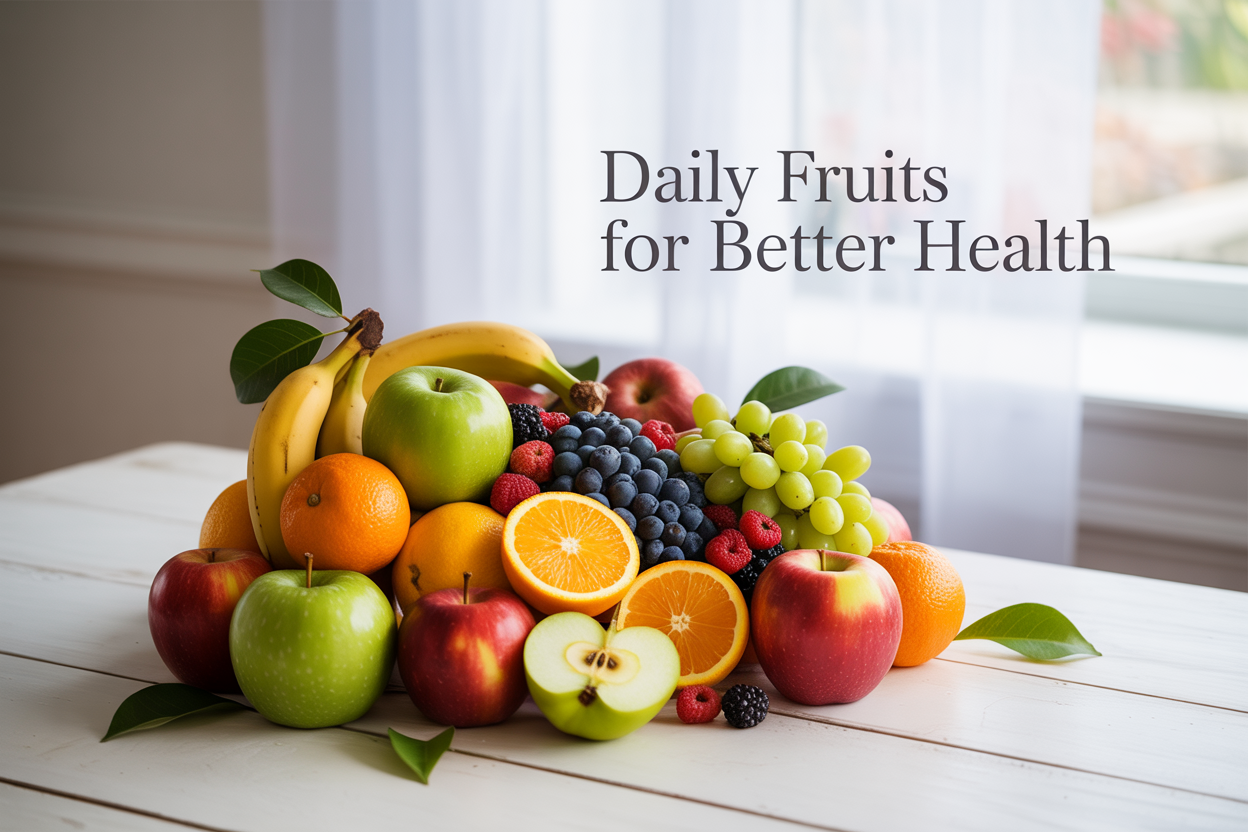
Eating fruits every day does more than satisfy your sweet tooth – it gives your body a powerful nutritional boost that impacts everything from your immune system to your mental clarity. This guide is for anyone who wants to understand the real health benefits of eating fruits daily and discover how simple dietary changes can transform their well-being.
The daily fruit consumption benefits go far beyond basic nutrition. You'll learn about the essential nutrients in fruits that your body needs to function at its best, and how these natural powerhouses work for disease prevention by strengthening your defenses against chronic conditions.
We'll also explore the surprising connections between fruits for mental health and cognitive performance, plus dive into the weight management with fruits strategies that make healthy eating sustainable. Finally, discover how the right fruits can give you those coveted skin benefits of eating fruits that leave you glowing from the inside out.
Essential Nutrients Found in Fruits
Vitamin C for Immune System Support
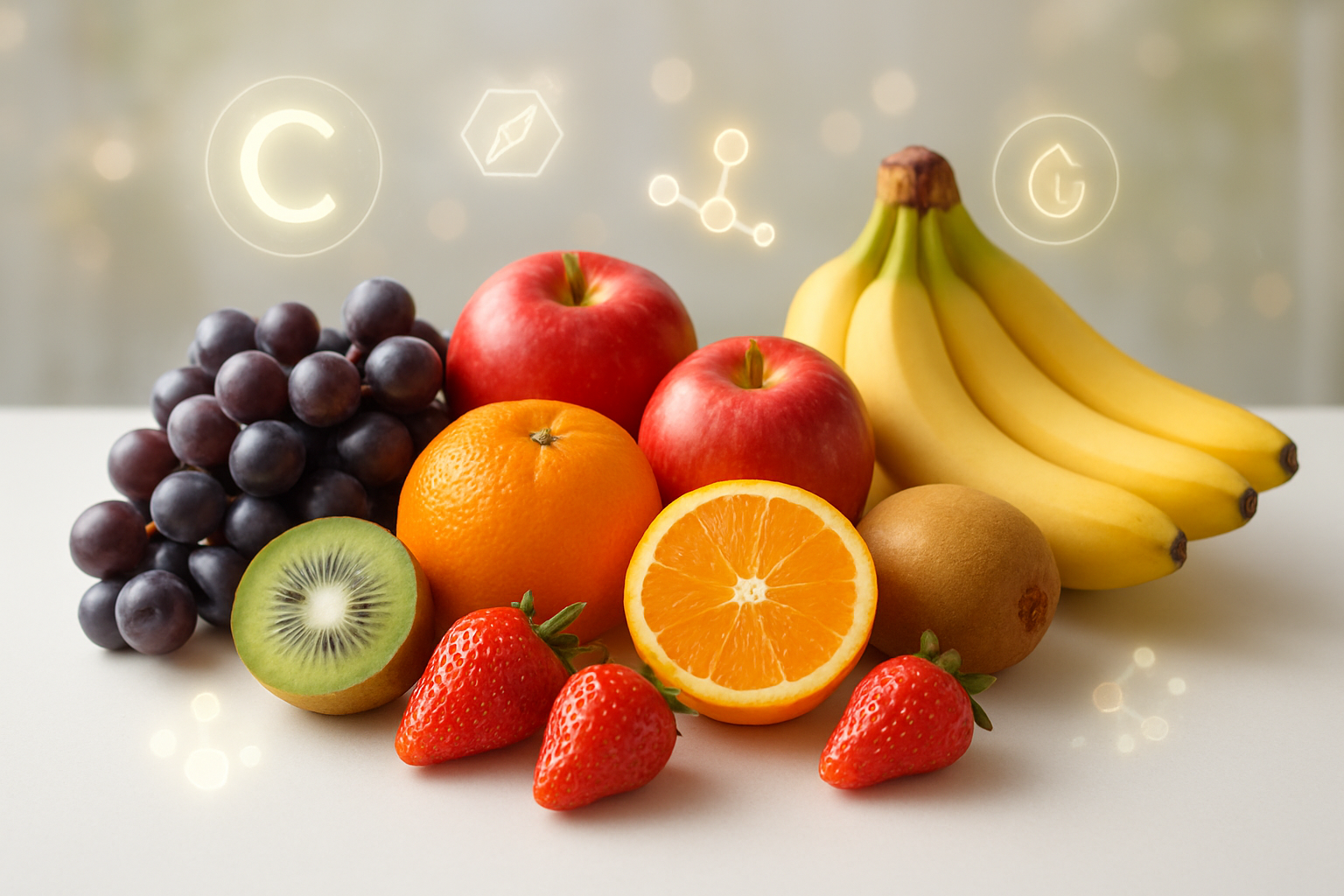
Vitamin C stands as one of the most powerful immune-boosting nutrients found in fruits. Citrus fruits like oranges, lemons, and grapefruits pack exceptional amounts of this water-soluble vitamin, delivering up to 100% of your daily needs in a single serving. Strawberries, kiwi, and papaya also serve as excellent sources, often containing even higher concentrations than traditional citrus options.
This essential vitamin acts as your body's natural defense system, stimulating the production of white blood cells that fight infections and diseases. Daily fruit consumption benefits include enhanced wound healing, better iron absorption, and stronger collagen production for healthy tissues. Your immune system relies on consistent vitamin C intake since your body can't store this nutrient for extended periods.
Fiber for Digestive Health
The fiber content in fruits provides incredible support for your digestive system while promoting overall gut health. Apples with their skin, pears, berries, and bananas deliver both soluble and insoluble fiber that work together to optimize digestion. A medium apple contains about 4 grams of fiber, while a cup of raspberries provides an impressive 8 grams.
Soluble fiber from fruits dissolves in water, creating a gel-like substance that slows digestion and helps control blood sugar levels. Insoluble fiber adds bulk to stool and promotes regular bowel movements, preventing constipation and supporting colon health. The essential nutrients in fruits work synergistically with fiber to feed beneficial gut bacteria, creating a healthy microbiome that influences everything from mood to immune function.
Potassium for Heart Function
Potassium-rich fruits play a crucial role in maintaining cardiovascular health and proper heart rhythm. Bananas are famous for their potassium content, but oranges, melons, and dried fruits like apricots also provide substantial amounts of this vital mineral. A medium banana contains approximately 400mg of potassium, contributing significantly to the recommended daily intake of 3,500-4,700mg.
This mineral helps regulate blood pressure by counteracting sodium's effects and supporting proper muscle contractions, including your heart muscle. Regular consumption of potassium-rich fruits can reduce stroke risk and support healthy blood pressure levels. The mineral also aids in proper nerve signal transmission and helps prevent muscle cramps during physical activity.
Antioxidants for Cellular Protection
Fruits contain a diverse array of antioxidants that protect your cells from harmful free radical damage. Berries lead the pack with anthocyanins, while citrus fruits provide flavonoids, and colorful fruits like peaches and mangoes offer carotenoids. These compounds give fruits their vibrant colors and deliver powerful protective benefits.
Antioxidants from daily fruit consumption help reduce inflammation, slow aging processes, and may lower cancer risk. Blueberries contain some of the highest antioxidant levels among all foods, while pomegranates provide unique compounds that support heart and brain health. The health benefits of eating fruits daily become amplified when you consume a variety of colors, ensuring you receive different types of antioxidants that work together to protect your body at the cellular level.
Disease Prevention Through Daily Fruit Consumption

Reduced Risk of Heart Disease
Daily fruit consumption benefits your cardiovascular system in remarkable ways. Antioxidants like flavonoids and polyphenols found in berries, citrus fruits, and apples help reduce inflammation in blood vessels and improve circulation. The potassium in bananas and oranges naturally lowers blood pressure by counteracting sodium's effects, while the fiber in fruits helps eliminate harmful cholesterol from your bloodstream.
Studies consistently show that people who eat fruits regularly have 15-30% lower rates of heart disease. The anthocyanins in dark berries strengthen arterial walls, while vitamin C in citrus fruits prevents oxidative damage to the heart muscle. Even simple changes like adding an apple to your lunch or snacking on grapes can make measurable differences in your heart health markers.
Lower Chances of Stroke
Fruits for disease prevention particularly shine when it comes to stroke reduction. The combination of potassium, magnesium, and natural antioxidants creates a protective effect against blood clots and arterial blockages. Citrus fruits contain hesperidin, which improves blood flow and reduces stroke risk by up to 19% according to recent research.
Regular consumption of fruits rich in folate, like oranges and strawberries, helps maintain healthy homocysteine levels - elevated levels are linked to increased stroke risk. The natural nitrates in fruits also help keep blood vessels flexible and responsive, reducing the likelihood of dangerous pressure spikes that can trigger strokes.
Cancer Prevention Benefits
Essential nutrients in fruits work together to create powerful anti-cancer effects. The lycopene in tomatoes and watermelons protects against prostate cancer, while the ellagic acid in pomegranates and berries helps prevent cellular damage that leads to tumor formation. Cruciferous fruits contain compounds that support your body's natural detoxification processes, eliminating cancer-causing substances before they can cause harm.
The fiber in fruits feeds beneficial gut bacteria, which produce compounds that protect colon cells from cancerous changes. Vitamin C acts as a powerful antioxidant, neutralizing free radicals that can damage DNA. Regular fruit eaters show significantly lower rates of colorectal, lung, and stomach cancers, with some studies indicating risk reductions of 20-40% compared to those with minimal fruit intake.
Weight Management and Metabolic Benefits
Natural Appetite Control from Fiber
Fruits pack a serious fiber punch that naturally helps control your appetite without leaving you feeling deprived. When you eat an apple or pear with the skin on, you're getting both soluble and insoluble fiber that expands in your stomach, creating that satisfying "full" feeling. This fiber acts like a natural appetite suppressant, sending signals to your brain that you've had enough to eat.
The pectin found in citrus fruits, apples, and berries forms a gel-like substance in your digestive system, slowing down how quickly food moves through your stomach. This means you stay satisfied longer between meals and are less likely to reach for unhealthy snacks. Weight management with fruits becomes easier when your body naturally regulates hunger cues.
Research shows people who eat high-fiber fruits before meals consume about 15% fewer calories during the meal itself. The chewing action required for whole fruits also triggers satiety hormones, giving your brain time to register fullness before you overeat.
Low Calorie Density for Satiety
Most fruits contain 80-90% water, making them incredibly filling while keeping calories surprisingly low. A whole cup of strawberries has only 50 calories, while a large apple contains around 95 calories - yet both provide substantial volume and satisfaction.
This high water content combined with fiber creates what nutritionists call "high satiety index" foods. You can eat generous portions of fruits without derailing your calorie goals. Compare eating a 100-calorie apple to a 100-calorie cookie - the apple will keep you full for hours, while the cookie might leave you craving more sugar within 30 minutes.
| Fruit | Calories per Cup | Water Content | Fiber (grams) |
|---|---|---|---|
| Watermelon | 46 | 92% | 0.6 |
| Strawberries | 50 | 89% | 3.0 |
| Cantaloupe | 54 | 89% | 1.4 |
| Raspberries | 65 | 86% | 8.0 |
| Apple (1 medium) | 95 | 84% | 4.4 |
Improved Metabolism and Energy Levels
Metabolic benefits of fruits extend far beyond simple calorie counting. The natural sugars in fruits - fructose, glucose, and sucrose - provide quick energy without the crash associated with processed sugars. Your body efficiently converts these natural sugars into usable energy, supporting healthy metabolic function.
Citrus fruits contain compounds called flavonoids that boost fat burning and improve insulin sensitivity. Grapefruit, in particular, has been studied for its ability to enhance metabolism. People who ate half a grapefruit before meals for 12 weeks showed improved metabolic markers and lost more weight compared to those who didn't include grapefruit.
The vitamin C in fruits supports healthy adrenal function, helping your body manage stress hormones that can slow metabolism. Meanwhile, the natural enzymes in pineapple and papaya aid digestion, ensuring your body efficiently processes nutrients and maintains steady energy levels throughout the day.
Berries contain anthocyanins that activate genes responsible for fat burning and improve the function of mitochondria - your cells' energy powerhouses. Regular berry consumption has been linked to increased energy expenditure and improved exercise performance.
Blood Sugar Regulation
Despite containing natural sugars, whole fruits actually help regulate blood sugar levels rather than spiking them. The fiber in fruits slows sugar absorption, preventing the rapid blood glucose spikes that trigger fat storage and energy crashes.
The glycemic index of most whole fruits ranks low to moderate, meaning they release sugar slowly into your bloodstream. Apples, pears, berries, and cherries are particularly effective at maintaining steady blood sugar levels. The antioxidants in these fruits also improve insulin sensitivity, helping your cells better respond to insulin signals.
Daily fruit consumption benefits include better glucose control throughout the day. Studies show people who eat 2-3 servings of whole fruits daily have lower hemoglobin A1C levels (a marker of long-term blood sugar control) and reduced risk of developing type 2 diabetes.
The chromium found in apples and bananas supports healthy insulin function, while the polyphenols in berries help muscles absorb glucose more efficiently during physical activity. This creates a positive cycle where stable blood sugar supports consistent energy levels, making it easier to maintain an active lifestyle that burns calories and builds lean muscle mass.
Mental Health and Cognitive Enhancement

Brain Function Improvement
The connection between fruits for mental health and enhanced brain function runs deeper than most people realize. Antioxidants like anthocyanins found in blueberries and blackberries cross the blood-brain barrier, directly protecting neural tissue from oxidative stress. These compounds help maintain the integrity of brain cells while promoting the growth of new neural connections.
Citrus fruits packed with vitamin C support neurotransmitter production, particularly dopamine and norepinephrine, which are essential for focus and attention. Meanwhile, the folate in fruits like oranges and strawberries aids in the synthesis of DNA and RNA in brain cells, supporting overall cognitive function and memory formation.
Research shows that people who consume fruits regularly demonstrate improved working memory, faster processing speeds, and better executive function. The natural compounds in fruits also help protect against age-related cognitive decline by reducing inflammation in brain tissue.
Mood Stabilization Through Natural Sugars
Unlike processed sugars that cause dramatic spikes and crashes, the natural fructose in fruits provides steady energy to the brain. This consistent fuel supply helps maintain stable serotonin levels, the neurotransmitter responsible for feelings of well-being and happiness.
Bananas contain tryptophan, an amino acid precursor to serotonin, while their natural sugars help this mood-boosting compound cross into the brain more effectively. The B vitamins found in many fruits also play crucial roles in neurotransmitter synthesis and mood regulation.
Daily fruit consumption benefits include more balanced energy levels throughout the day, reducing the irritability and mood swings often associated with blood sugar fluctuations. The fiber in whole fruits slows sugar absorption, creating a more gradual and sustained release of energy that supports emotional stability.
Stress Reduction Benefits
Fruits contain powerful stress-fighting compounds that help the body manage cortisol levels naturally. Vitamin C, abundant in citrus fruits, kiwi, and strawberries, directly supports adrenal gland function and helps reduce cortisol production during stressful situations.
The magnesium found in fruits like figs and bananas acts as a natural relaxant, helping to calm the nervous system and reduce physical tension. These minerals also support better sleep quality, which is essential for stress recovery and mental resilience.
Cognitive enhancement through fruits extends to stress management through improved adaptability. The antioxidants in colorful fruits help protect the brain from stress-induced damage, while the natural sugars provide the energy needed for optimal stress response without the crash that comes from artificial stimulants.
Regular fruit consumption creates a foundation for better stress resilience, helping the mind stay clear and focused even during challenging situations.
Skin and Beauty Benefits from Fruit Nutrients
Anti-aging properties from antioxidants
Fruits pack a powerful punch against aging thanks to their rich antioxidant content. These natural compounds work like tiny bodyguards, protecting your skin from free radical damage that causes wrinkles, fine lines, and age spots. Berries are absolute champions in this arena - blueberries, strawberries, and raspberries contain anthocyanins that boost collagen production and keep skin firm and elastic.
Citrus fruits bring vitamin C to the party, which is essential for collagen synthesis. Regular consumption of oranges, grapefruits, and kiwis helps maintain skin structure and reduces the appearance of aging. Pomegranates deserve special mention for their punicalagins, compounds that protect against UV damage and promote cellular renewal.
Hydration for healthy skin
The skin benefits of eating fruits extend far beyond antioxidants. Many fruits contain high water content that supports skin hydration from within. Watermelons, cucumbers, and oranges contribute to your daily fluid intake while delivering essential nutrients directly to skin cells.
This natural hydration helps maintain skin elasticity, reduces dryness, and creates that coveted plump appearance. Unlike topical moisturizers that work on the surface, fruit consumption hydrates at the cellular level, creating lasting results that show in your complexion's overall health and vitality.
Natural glow from vitamin content
The vitamin profile in fruits creates a natural radiance that no highlighter can replicate. Vitamin A from mangoes and papayas promotes skin cell turnover, revealing fresh, glowing skin underneath. This process helps fade dark spots and creates an even skin tone.
B vitamins found in bananas and avocados support skin barrier function, keeping moisture locked in and irritants out. The combination of these vitamins creates what many call the "fruit glow" - that healthy luminosity that comes from nourished, well-functioning skin cells.
Hair health improvement
Your hair reaps significant rewards from daily fruit consumption too. Vitamin C enhances iron absorption, preventing hair loss caused by iron deficiency. The silica in strawberries strengthens hair follicles, while the biotin in avocados promotes healthy hair growth.
Fruits rich in vitamin E, like kiwis and mangoes, improve scalp circulation and add natural shine to hair strands. The omega-3 fatty acids in some fruits help combat dry, brittle hair, creating stronger, more resilient locks that grow faster and look healthier overall.
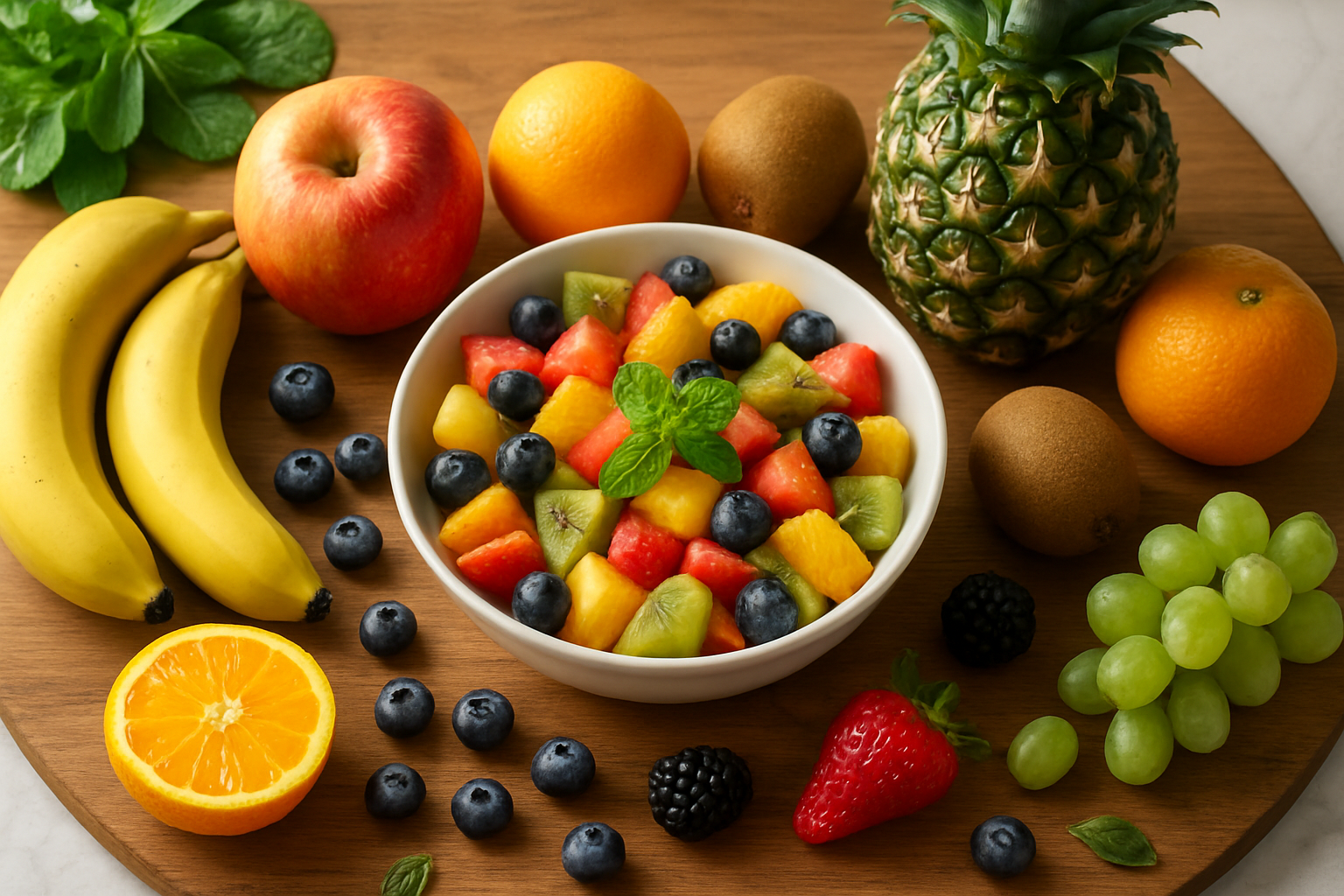
Eating fruits every day really is one of the simplest ways to boost your overall health. From loading your body with essential vitamins and minerals to protecting against serious diseases, fruits pack a powerful nutritional punch that your body craves. The natural fiber helps keep your weight in check while supporting healthy digestion, and the antioxidants work behind the scenes to keep your brain sharp and your skin glowing.
Making fruits a daily habit doesn't have to be complicated or expensive. Start by adding just one piece of fruit to each meal, or swap out that afternoon snack for a handful of berries. Your body will thank you with more energy, better mood, clearer skin, and stronger protection against illness. The best part? You'll actually enjoy the process of getting healthier, one delicious bite at a time.


.png)
Comments
Post a Comment