How to Get Kids to Eat More Fruits
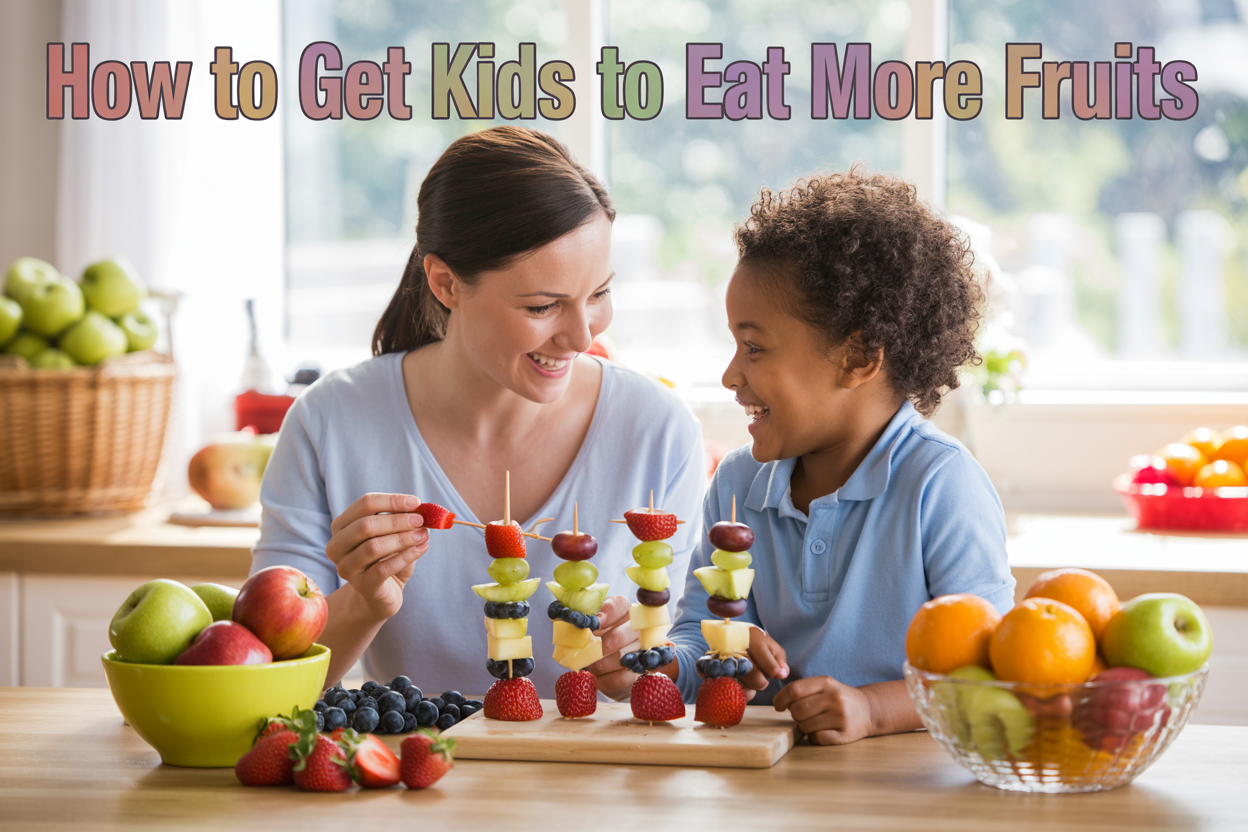
Getting kids to eat more fruits can feel like an uphill battle for many parents. Children refusing to eat fruits is one of the most common mealtime struggles families face, leaving parents searching for practical solutions that actually work.
This guide is designed for parents, caregivers, and anyone responsible for feeding children who want to boost their kids' fruit intake without the daily drama. We'll explore proven strategies that make fruits more appealing to kids and turn resistant eaters into willing fruit enthusiasts.
You'll discover how to make fruits more accessible and attractive in your home, plus creative ways to serve fruit to kids that disguise healthy eating as fun treats. We'll also cover how getting children involved in choosing and preparing their own fruit can dramatically increase their willingness to try new options, along with addressing the most common roadblocks that keep kids from enjoying this essential food group.
Make Fruits More Appealing and Accessible
Cut fruits into fun shapes and colorful arrangements
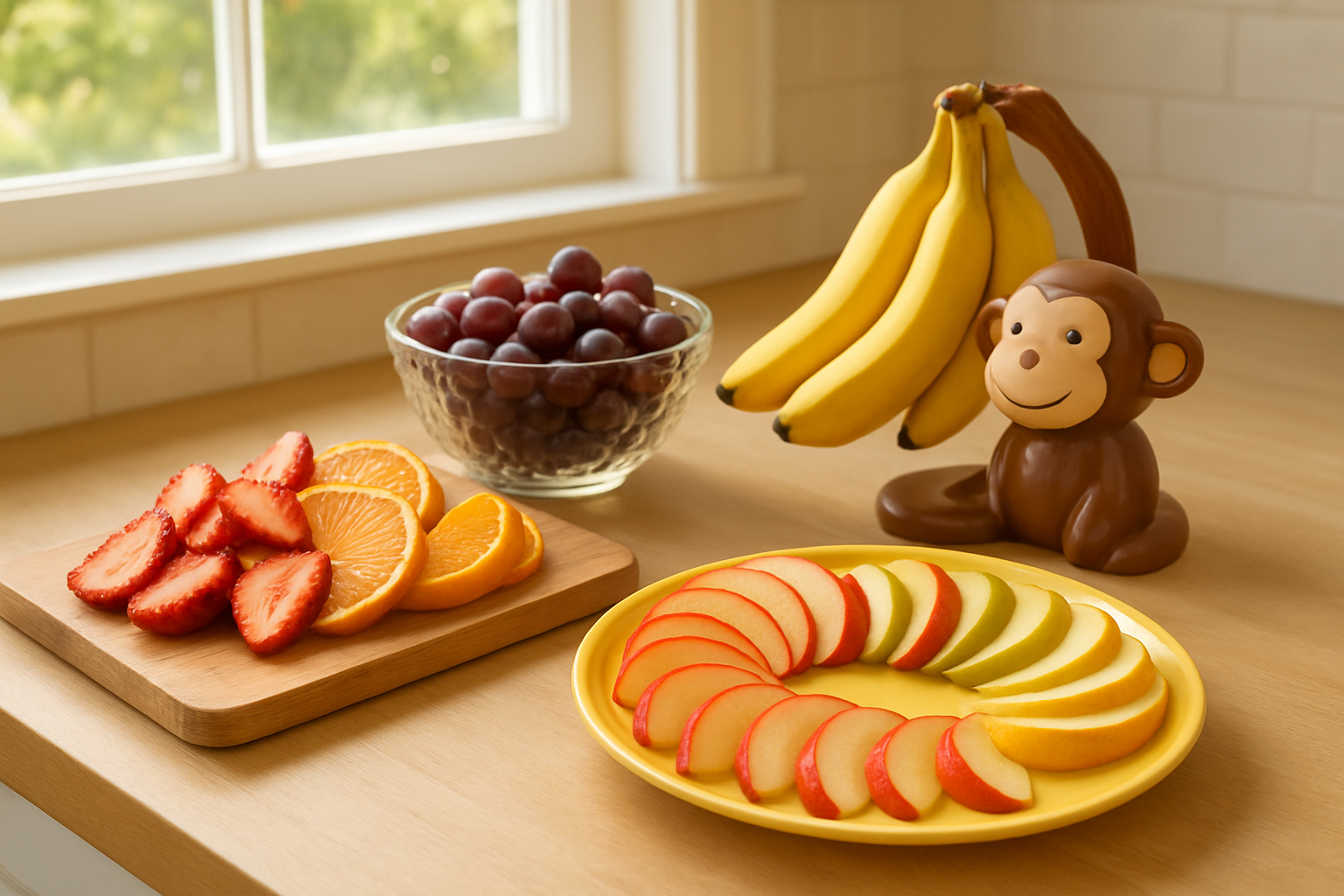
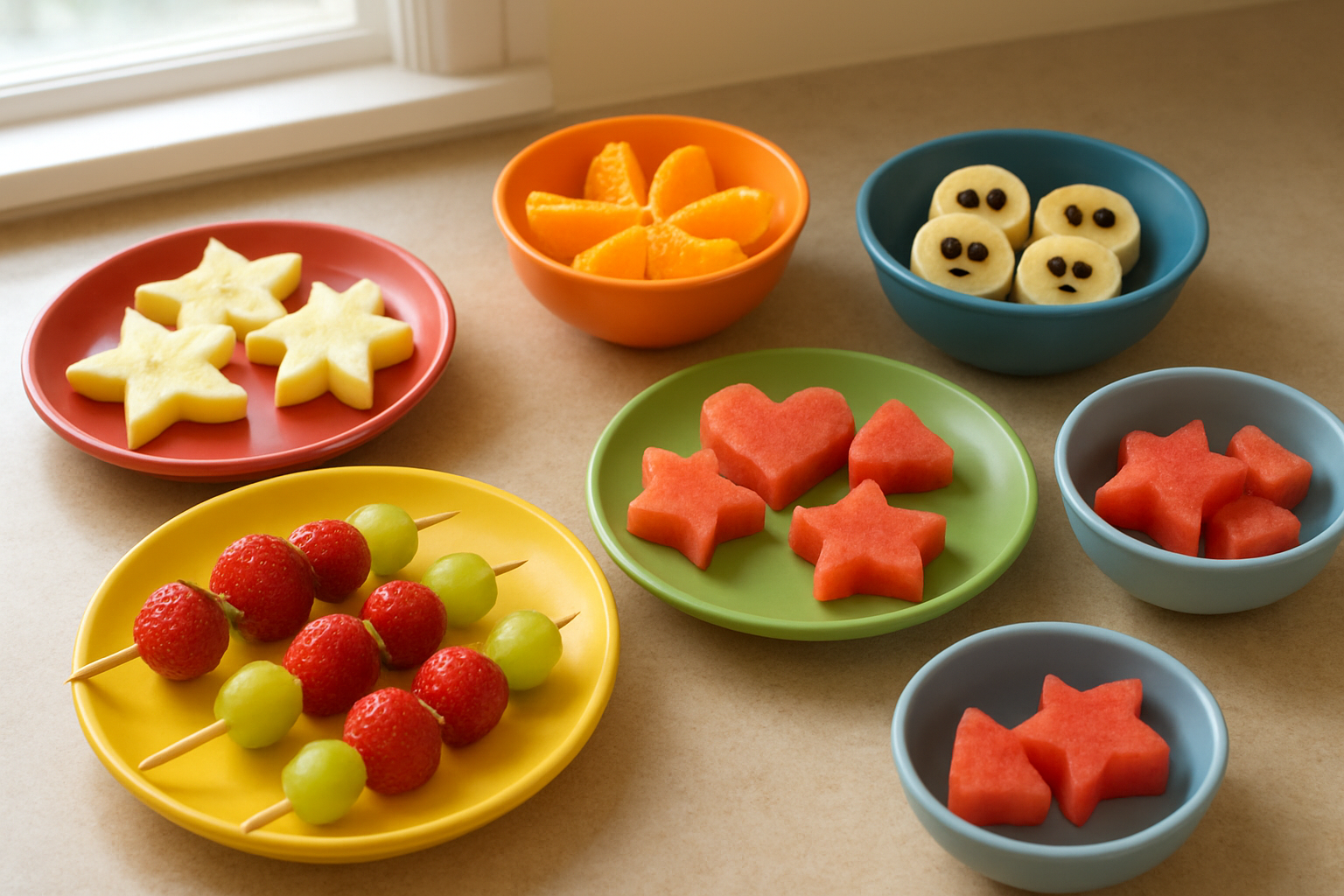
Creating visually appealing fruit presentations can completely change how kids perceive their healthy snacks. Cookie cutters work wonderfully for transforming ordinary apple slices, watermelon pieces, and pear chunks into stars, hearts, butterflies, and other exciting shapes. The simple act of making fruits appealing to kids through creative presentation often sparks curiosity and enthusiasm that wasn't there before.
Rainbow arrangements on plates capture children's attention instantly. Try organizing berries, orange segments, yellow pineapple chunks, green grapes, and purple plums in colorful patterns. Kids naturally gravitate toward bright, organized displays that look more like art projects than healthy requirements.
Consider investing in fun cutting tools like melon ballers for perfect spheres or crinkle cutters that create interesting textures on banana slices and strawberries. These small modifications make ordinary fruits feel special and different from the usual presentation style.
Keep pre-washed and cut fruits at eye level in the refrigerator
Strategic placement makes all the difference when encouraging kids to eat more fruits. Position clear containers filled with ready-to-eat fruit pieces at your children's eye level in the refrigerator. When hunger strikes, they'll spot these convenient options first rather than searching for less healthy alternatives.
Preparation ahead of time removes barriers that might discourage fruit consumption. Wash grapes, slice apples with a bit of lemon juice to prevent browning, cut up strawberries, and portion out blueberries into small containers. Having everything ready eliminates the excuse that fruit takes too long to prepare.
Clear storage containers work better than opaque ones because kids can immediately see what's available. Label containers with colorful stickers or their names to create ownership and excitement around their personal fruit stashes.
Create fruit kabobs with attractive presentations
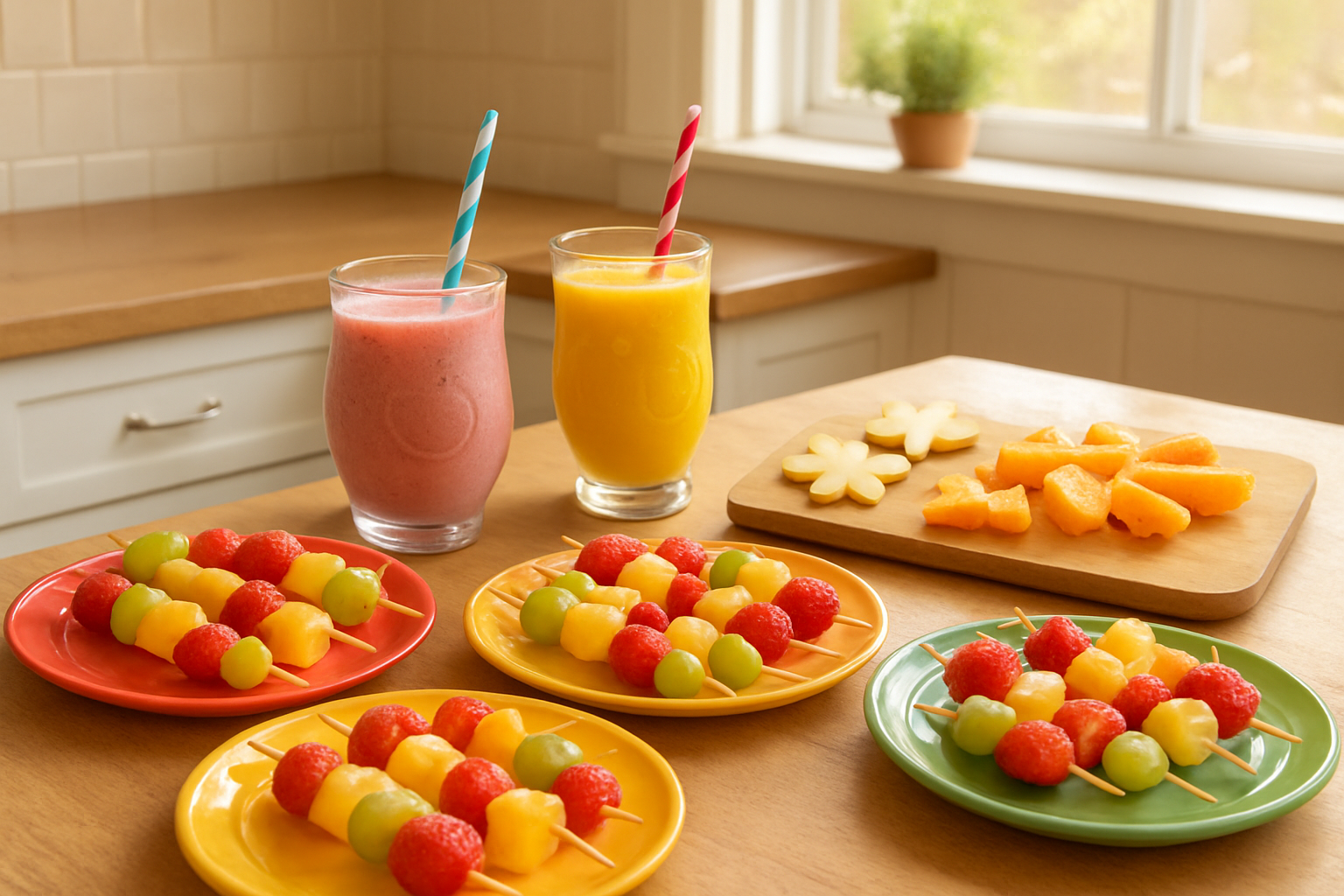
Fruit kabobs transform eating into an interactive experience that kids absolutely love. Thread alternating pieces of colorful fruits onto wooden skewers to create patterns that look almost too pretty to eat. The handheld nature of kabobs appeals to children who prefer foods they can easily manage themselves.
Mix textures and flavors by combining soft fruits like bananas and kiwis with firmer options like grapes and pineapple chunks. This variety keeps each bite interesting and prevents boredom that sometimes comes with eating the same fruit repeatedly.
Make kabob creation a family activity where children can choose their own fruit combinations. Providing options like marshmallows or small cheese cubes as occasional additions can make the experience feel more like a treat while still maintaining the focus on getting picky eaters to eat fruit.
Serve fruits in special bowls or plates designated for healthy snacks
Designating specific dishware exclusively for fruit creates positive associations and makes healthy eating feel special. Choose colorful, fun bowls or plates that kids help select at the store. When these special dishes appear, children know something good is coming their way.
Character-themed plates featuring favorite cartoon figures or animals can make fruit consumption feel like part of playtime rather than a chore. The excitement of using their special fruit bowl often overrides any initial resistance to trying new varieties.
Consider portion-controlled compartment plates that allow kids to sample different fruits without mixing flavors they might not enjoy together. This approach works particularly well for children who prefer their foods separated and gives them control over their eating experience.
Transform Fruits into Kid-Friendly Treats
Blend fruits into smoothies with fun colors and flavors
Smoothies work like magic when it comes to getting picky eaters to eat fruit. Kids love the milkshake-like texture, and you can sneak in multiple servings of fruits without them even realizing it. The key is making smoothies visually exciting with bright, fun colors that grab their attention.
Start with kid favorites like strawberries and bananas for a pretty pink smoothie, or try mango and pineapple for a sunny yellow treat. Frozen fruits work perfectly and give smoothies that thick, creamy consistency kids love. Add a splash of milk or yogurt to make it extra smooth and creamy.
Make smoothie time interactive by letting kids choose their ingredients or create "color themes" - purple smoothies with blueberries and grapes, green ones with spinach (they won't taste it!) and pineapple, or orange smoothies with carrots and mangoes. Use clear cups so they can see their colorful creation, and don't forget fun straws or colorful cups to make the experience special.
Pro tip: prepare smoothie packs ahead of time by portioning frozen fruits in bags. Kids can grab a bag, dump it in the blender with some liquid, and feel like they're making their own special drink.
Make homemade fruit popsicles for hot days
Nothing beats a cold popsicle on a warm day, and making fruit recipes for children at home gives you complete control over the ingredients. Skip the store-bought versions loaded with artificial colors and sugar - homemade fruit popsicles are surprisingly easy and way more delicious.
Pure fruit popsicles work great for kids who love intense flavors. Simply blend watermelon, strawberries, or peaches with a tiny bit of water, pour into popsicle molds, and freeze. For creamier options, mix pureed fruits with plain Greek yogurt or coconut milk.
Get creative with layered popsicles that look like rainbow treats. Pour different colored fruit purees one layer at a time, letting each layer freeze slightly before adding the next. Kids love watching the layers form and picking their favorite color combinations.
Try these winning combinations:
-
Strawberry and banana cream
-
Mango and coconut
-
Mixed berry medley
-
Orange and pineapple sunshine pops
Add small fruit pieces for texture - chopped strawberries in strawberry pops or blueberries in lemon pops create fun surprises. Use silicone molds for easy removal, or repurpose small paper cups with wooden sticks for budget-friendly options.
Create fruit parfaits with yogurt and granola layers
Parfaits turn fruit consumption into an exciting building activity that kids absolutely love. The layered presentation makes fruits look fancy and special, while the combination of textures keeps things interesting for young palates.
Start with plain Greek yogurt as your base - it's protein-packed and not too sweet. Let kids choose their fruit layers from options like sliced strawberries, blueberries, diced peaches, or banana rounds. The granola adds a satisfying crunch that many children find irresistible.
Making parfaits becomes a fun assembly line activity. Set up small clear glasses or mason jars, and let kids layer their creations. Start with yogurt, add fruits, sprinkle granola, and repeat. The clear containers show off their beautiful layers, making kids proud of their creations.
Switch up the flavors to keep things exciting:
-
Vanilla yogurt with berries and honey granola
-
Plain yogurt with tropical fruits and coconut granola
-
Berry yogurt with mixed fruits and chocolate granola chips
Make mini parfaits in shot glasses for smaller appetites, or larger versions in mason jars that can double as grab-and-go breakfast options. Add a drizzle of honey or maple syrup between layers for extra sweetness that helps mask any tartness from the fruits.
Store assembled parfaits in the refrigerator for quick snacks, but add granola right before serving to maintain that satisfying crunch kids love.
Involve Children in Fruit Selection and Preparation
Take kids grocery shopping and let them choose new fruits to try
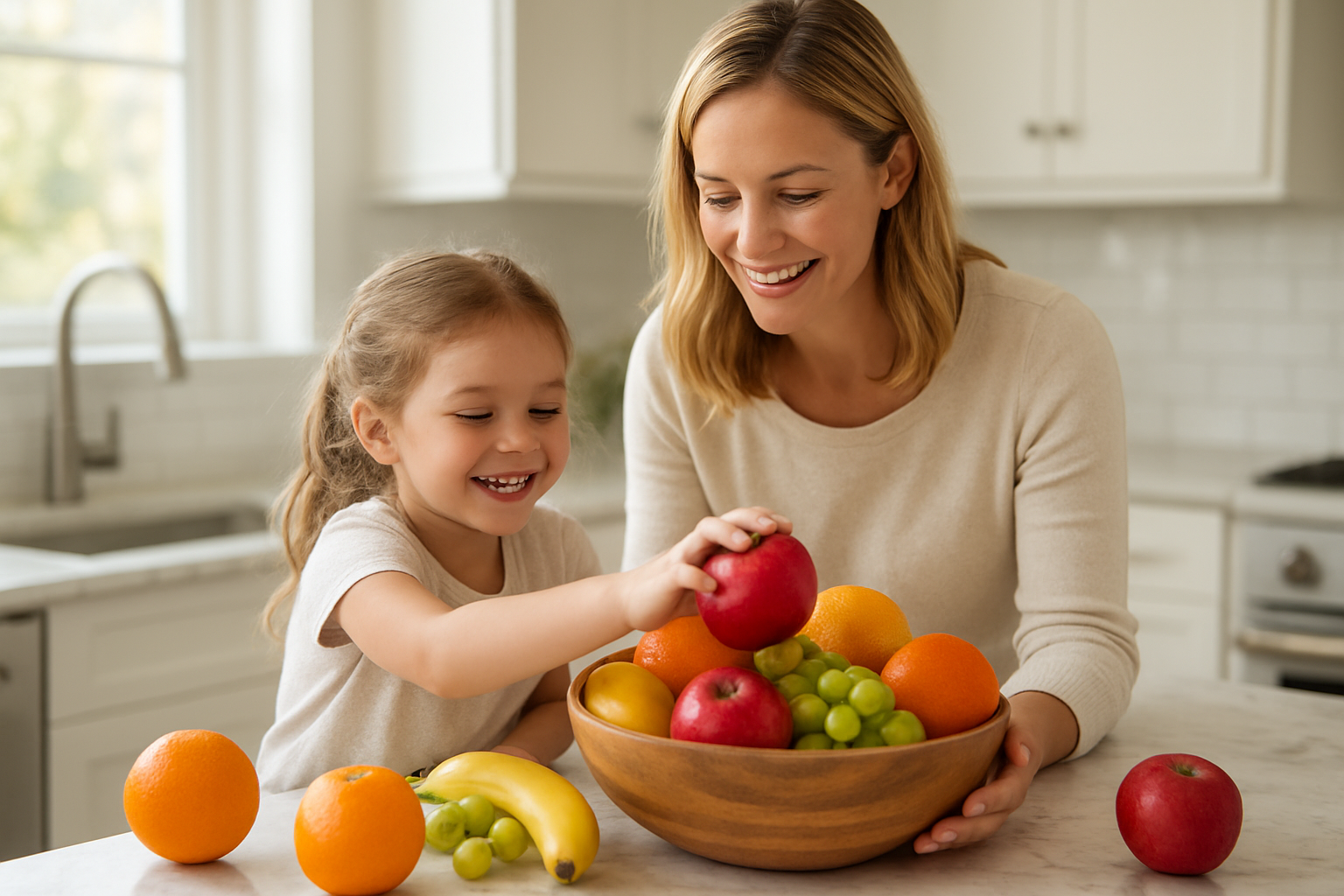
Shopping for fruits becomes an exciting adventure when you give children ownership in the selection process. Hand them a small basket or let them push a mini cart while exploring the produce section together. This simple act transforms grocery shopping from a chore into an educational experience that naturally increases their interest in trying different fruits.
Encourage your child to pick one new fruit each shopping trip. Dragon fruit, star fruit, or kiwi might catch their eye with unusual shapes and colors. When kids choose their own fruits, they feel invested in eating them later. Create a game where they guess what different fruits might taste like based on their appearance, smell, or texture.
The produce section offers countless teachable moments. Show them how to select ripe fruits by gently pressing or smelling them. Point out seasonal varieties and explain why certain fruits cost more or less during different times of the year. This knowledge builds their appreciation for fresh produce while developing practical life skills.
Start a small garden or visit fruit farms together
Growing fruits at home creates an unbreakable connection between children and their food. Even apartment dwellers can grow strawberries in containers or cherry tomatoes on a sunny windowsill. Watching seeds transform into edible treats feels magical to young minds, and kids are naturally drawn to taste fruits they've helped nurture.
Start small with easy-to-grow options like strawberry plants, which produce fruit relatively quickly and don't require extensive garden space. Blueberry bushes work well in containers and provide years of harvests. The daily routine of watering and checking on plants builds anticipation and responsibility.
Fruit farm visits offer hands-on learning experiences that supermarkets can't match. Apple orchards, strawberry patches, and berry farms let children see where their food originates. The act of picking their own fruits directly from trees and plants creates positive associations that last well beyond the visit. Many farms offer educational tours explaining growing processes, which satisfies children's natural curiosity about how things work.
Teach children to wash and prepare fruits safely
Fruit preparation becomes much more appealing when children participate in the process. Start with simple tasks like rinsing berries in a colander or peeling bananas. As they develop fine motor skills and confidence, introduce safe knife techniques using child-appropriate tools.
Create a dedicated fruit preparation station at counter height where children can work comfortably. Provide them with their own cutting board, child-safe knives, and colorful plates for their creations. This ownership over the process makes them more likely to eat the fruits they've prepared.
Safety education should accompany every preparation lesson. Teach proper handwashing techniques before handling food, explain why certain fruits need thorough cleaning, and demonstrate how to identify when fruits have gone bad. These skills build confidence in the kitchen while ensuring food safety practices become second nature.
Show them different cutting techniques that make fruits more appealing. Apple slices, orange wheels, and melon balls are more enticing to young eaters than whole fruits. Let them experiment with fun shapes using cookie cutters on firm fruits like apples or pears.
Create weekly fruit tasting adventures as family activities
Transform fruit consumption into exciting family traditions that children anticipate eagerly. Designate one evening each week as "Fruit Adventure Night" where the family tries new varieties together. Create scorecards where everyone rates different fruits, discussing flavors, textures, and preferences without judgment.
Theme your tastings around different concepts to maintain interest. Try fruits from different countries, comparing tropical varieties one week and temperate fruits the next. Color-themed tastings featuring only red fruits or green fruits add visual appeal and educational value. Seasonal tastings help children understand natural growing cycles while building excitement for different times of year.
Document your adventures with photos and a family fruit journal. Record which fruits each family member enjoyed most, funny faces made during first tastings, and creative descriptions of flavors. Children love looking back at these memories, and the documentation reinforces positive associations with trying new foods.
Make the experience interactive by researching fruits together before tasting. Look up where they grow, how they're harvested, and interesting facts about their history or cultural significance. This background knowledge makes the tasting more meaningful and memorable.
Involve extended family or friends in your fruit adventures through video calls or in-person gatherings. Children often show more willingness to try new foods when peers or grandparents participate enthusiastically. These social experiences reinforce that eating various fruits is normal and enjoyable behavior.
Use Creative Strategies to Increase Fruit Consumption
Establish fruit-only snack times before meals
Setting up dedicated fruit snack windows about an hour before main meals can dramatically increase your child's fruit consumption. When kids are naturally hungry but not ravenous, they're more likely to reach for an apple or handful of grapes without much resistance. Pick consistent times like 4 PM before dinner or 10 AM as a mid-morning break to create predictable routines.
Keep a designated fruit bowl at eye level in the refrigerator stocked with pre-washed berries, cut melon, or peeled orange segments. This removes barriers and makes grabbing fruit as easy as reaching for crackers. You can also create "fruit plates" with 2-3 different options so kids feel they have choices while still eating what you want them to eat.
The key is timing these snacks when children are genuinely hungry but meals are still an hour away. This sweet spot means they'll actually eat the fruit instead of just picking at it, and they won't be too full to enjoy dinner later.
Replace processed snacks with dried or fresh fruit options
Swap out those goldfish crackers and fruit gummies for real fruit alternatives that satisfy the same cravings. Dried mango strips give kids that chewy texture they love from gummy snacks, while freeze-dried strawberries provide that satisfying crunch of chips. Fresh apple slices with a small container of peanut butter can replace crackers and cheese.
Stock your pantry with naturally sweet dried fruits like dates, apricots, and banana chips. When kids ask for their usual processed snacks, offer these alternatives first. Most children won't even notice the switch once they discover how naturally sweet and flavorful real fruit can be.
Create grab-and-go snack bags filled with trail mix containing dried cranberries, raisins, and nuts. Pre-portion these in small containers or bags so kids can easily grab them for school lunches or after-school snacks. This strategy works especially well for getting picky eaters to eat fruit because you're not completely eliminating their favorite snack foods – just upgrading them.
Add fruits to familiar foods like oatmeal and pancakes
Sneak fruits into foods your kids already love instead of presenting fruit as a separate item they might reject. Mash bananas directly into pancake batter or fold fresh blueberries into muffin mix. These additions often go unnoticed while significantly boosting fruit intake.
Try these simple additions that kids rarely resist:
-
Diced strawberries mixed into yogurt
-
Grated apple stirred into oatmeal while cooking
-
Pureed peaches blended into smoothie bowls
-
Chopped pears baked into homemade bread
-
Fresh raspberries topped on cereal
The beauty of this approach is that familiar foods provide comfort while the added fruits contribute natural sweetness and nutrition. Kids get used to expecting fruit as part of these meals, making it feel normal rather than forced. Start with small amounts and gradually increase the fruit-to-food ratio as children adapt to the new flavors and textures.
Create fruit-based rewards for positive behaviors
Transform fruit into something special by using it as a reward system for good behavior, completed chores, or achievements. This doesn't mean bribing kids with candy – instead, make certain fruits feel like treats they earn through positive actions.
Set up a reward chart where completing tasks earns them access to "premium" fruits like fresh berries, tropical fruits, or their favorite seasonal options. Maybe finishing homework means they get to pick any fruit from a special fruit basket, or helping with dishes earns them a fruit smoothie made exactly how they like it.
You can also create fruit-based celebrations for bigger accomplishments. When your child gets a good grade or shows kindness to siblings, celebrate with a special fruit parfait they help build or let them choose exotic fruits to try at the grocery store. This positive association helps children view fruits as desirable rather than something they have to endure, naturally increasing their willingness to eat more fruits throughout the day.
Address Common Challenges and Resistance
Handle texture issues by offering different fruit preparations
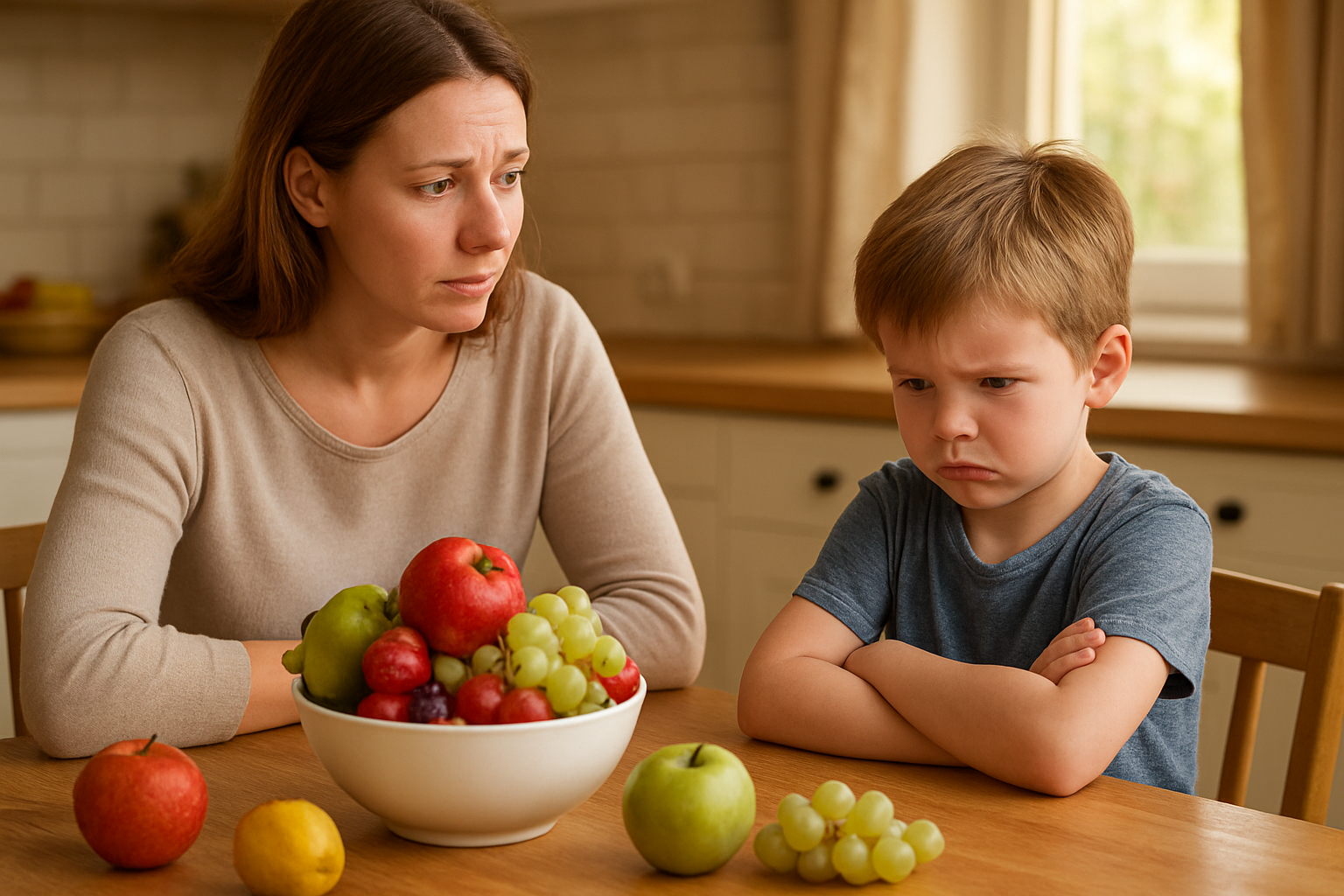
Many parents struggle with children refusing to eat fruits because of texture preferences. Some kids hate mushy bananas while others can't stand crunchy apples. The key to getting picky eaters to eat fruit lies in understanding that texture matters as much as taste.
Start by observing what textures your child already enjoys in other foods. Do they prefer smooth yogurt or chunky varieties? Crispy crackers or soft bread? This information helps you choose the right fruit preparation methods.
For kids who dislike mushy textures, serve fruits at their peak firmness. Offer crisp apples, firm pears, or frozen grapes that provide satisfying crunch. Freeze berries to create naturally firm, bite-sized treats that feel different from their soft, fresh counterparts.
Children who prefer smoother textures respond well to fruit purees, smoothies, or frozen fruit pops. Blend strawberries into silk-smooth drinks or create homemade fruit leather that eliminates chunks and seeds. Even traditionally textured fruits like oranges can be juiced to remove pulp.
Consider these preparation alternatives:
-
Chunky fruits: Cut into uniform pieces, serve frozen, or dehydrate for chips
-
Soft fruits: Puree into smoothies, freeze into popsicles, or blend into sauces
-
Stringy fruits: Remove visible strings from oranges or choose seedless varieties
-
Watery fruits: Serve chilled or partially frozen to change mouthfeel
Overcome sweetness preferences by pairing tart fruits with natural sweeteners
Kids naturally gravitate toward sweet flavors, which can make introducing tart or sour fruits challenging. Rather than avoiding these nutritious options, smart pairing strategies can make even the sourest fruits appealing to young taste buds.
Raw honey serves as an excellent natural sweetener for children over 12 months old. Drizzle it over sliced green apples or mix it with plain Greek yogurt as a dip for tart berries. Maple syrup works similarly, adding sweetness without processed sugar concerns.
Fruit combinations create natural sweetness balance. Pair tart cranberries with sweet pineapple chunks, or mix sour cherries with banana slices. The naturally sweet fruits mask the tartness while introducing new flavors gradually.
Yogurt makes an ideal partner for sour fruits. The creamy texture and mild sweetness complement tart berries, making both more appealing. Create parfaits with layers of plain yogurt, honey, and mixed berries for an attractive presentation.
Consider these natural sweetening strategies:
| Tart Fruit | Natural Sweetener Pairing |
|---|---|
| Green apples | Peanut butter or almond butter |
| Cranberries | Orange segments or dates |
| Sour cherries | Vanilla yogurt |
| Grapefruit | Cinnamon and honey |
Deal with picky eating by introducing one new fruit at a time
Overwhelming children with multiple new fruits creates resistance and anxiety around eating. The "one fruit rule" helps kids adjust to new flavors and textures without feeling pressured, making the process of encouraging kids to eat healthy more successful.
Choose a single new fruit and serve it consistently for several days alongside familiar favorites. This exposure method, backed by child nutrition research, shows that kids need 8-12 exposures before accepting new foods. Don't give up after the first few rejections.
Start with fruits that share characteristics with foods your child already enjoys. If they love sweet foods, begin with naturally sweet options like mangoes or red grapes. For kids who enjoy crunchy snacks, try crisp pears or fresh snap peas (technically a fruit).
Make the new fruit introduction feel special rather than forced. Create "fruit adventures" where you explore one new option together. Let children examine, smell, and even play with the fruit before expecting them to eat it. This hands-on approach reduces anxiety and builds curiosity.
Track your child's responses to identify patterns. Some children accept fruits faster when they're hungry before meals, while others prefer them as desserts. Notice whether your child responds better to whole fruits or cut pieces, room temperature or chilled options.
Remember that rejection doesn't mean permanent dislike. Children's taste preferences change rapidly, and today's refused fruit might become next week's favorite snack.
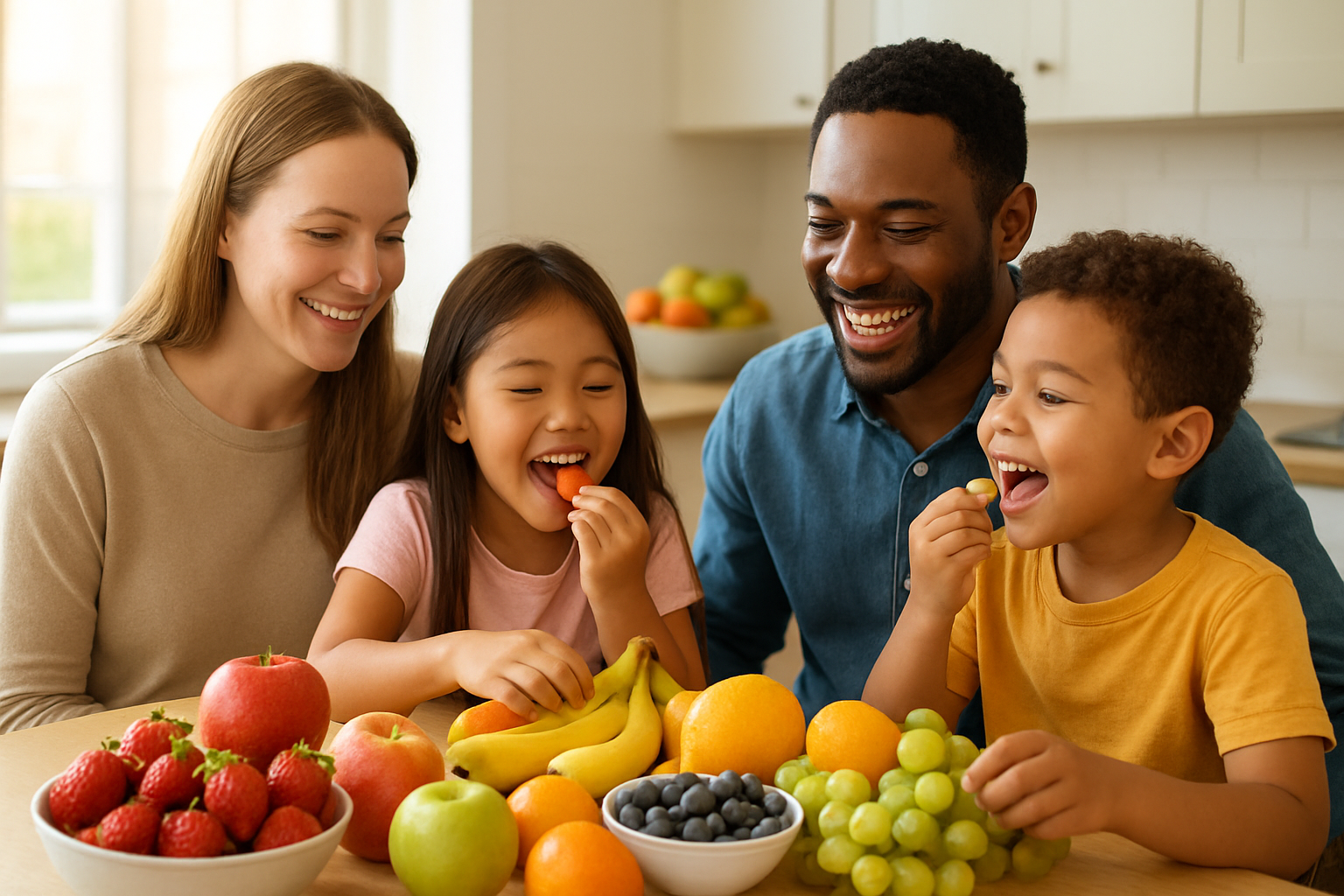
Getting kids to eat more fruits doesn't have to be an uphill battle. The secret lies in making fruits irresistible through creative presentation, turning them into fun treats, and letting kids take the lead in choosing and preparing their favorites. When children feel involved in the process and see fruits as exciting snacks rather than boring health food, they naturally become more willing to try new varieties and eat them regularly.
Start small, stay patient, and remember that every child's preferences are different. What works for one kid might not work for another, so don't be afraid to experiment with different approaches until you find what clicks. The goal isn't perfection – it's progress. Even getting your child to eat one extra serving of fruit each day is a win worth celebrating.


.png)
Comments
Post a Comment