How to Start a Fruit Business
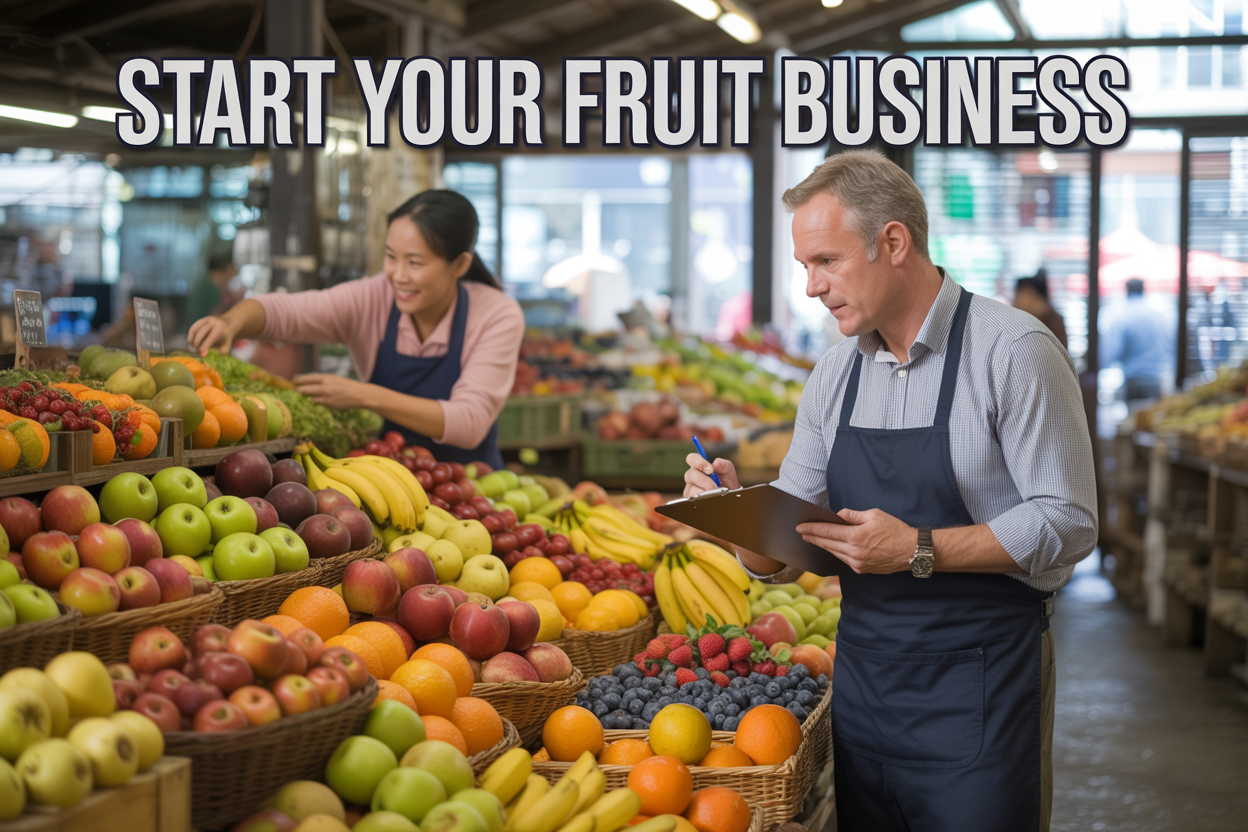
Starting a profitable fruit business can turn your passion for fresh produce into a steady income stream. This comprehensive fruit business startup guide is designed for aspiring entrepreneurs who want to break into the fruit retail market, from first-time business owners to experienced vendors exploring new opportunities.
The fresh fruit industry offers multiple paths to success, but knowing how to start a fruit business requires careful planning and strategic execution. Whether you're considering a roadside fruit stand, wholesale distribution, or retail storefront, the fundamentals remain the same.
In this guide, we'll walk you through researching your local market and identifying the most profitable fruit business opportunities in your area. You'll also learn how to choose the right business model for your goals and budget, from starting a fruit stand business to launching a wholesale operation. Finally, we'll cover the essential steps for securing reliable suppliers and navigating the licensing requirements that keep your business compliant and thriving.
Research Your Local Fruit Market and Competition
Analyze demand for different fruit varieties in your area
Understanding local fruit demand is crucial when learning how to start a fruit business. Start by visiting grocery stores, farmers markets, and existing fruit stands to observe which varieties sell quickly and which sit longer on shelves. Pay attention to price points and quality levels customers gravitate toward.
Talk directly with potential customers in your neighborhood. Ask about their fruit purchasing habits, preferred varieties, and what they look for when buying fresh produce. Many successful fruit retail business owners discover untapped demand for specific varieties that larger stores don't carry regularly.
Consider your local climate and cultural preferences. Areas with large Hispanic populations might show strong demand for tropical fruits like mangoes and papayas, while regions with health-conscious consumers often favor organic berries and exotic superfruits. Document your findings to identify gaps in the current market that your fresh fruit business could fill.
Track local grocery store prices and note which fruits command premium pricing. This research helps you understand profit margins and identify opportunities for competitive positioning in your fruit business startup guide planning.
Identify existing competitors and their pricing strategies
Map out all fruit vendors within a 5-mile radius of your planned location. This includes grocery stores, farmers markets, roadside stands, and mobile fruit vendors. Visit each competitor multiple times to understand their product mix, quality standards, and customer service approach.
Create a detailed comparison chart tracking:
| Competitor Type | Average Prices | Product Range | Quality Level | Peak Hours |
|---|---|---|---|---|
| Grocery Chains | $2-4/lb | Wide variety | Consistent | All day |
| Farmers Markets | $3-6/lb | Seasonal focus | High quality | Weekends |
| Fruit Stands | $1.50-3/lb | Limited variety | Variable | Rush hours |
Study their customer interactions and note what complaints or requests you hear. Maybe customers want better quality at the grocery store prices, or they're seeking varieties that nobody currently offers. These observations become goldmines for your profitable fruit business strategy.
Don't just focus on direct competitors. Consider indirect competition like juice bars, smoothie shops, and online grocery delivery services that might impact your customer base.
Study seasonal trends and peak selling periods
Fruit demand fluctuates dramatically throughout the year, and successful fruit vendor business model operations plan accordingly. Summer months typically see increased demand for berries, stone fruits, and melons, while winter shifts toward citrus fruits and stored apples.
Track seasonal patterns by monitoring local grocery store promotional cycles. Notice when certain fruits go on sale and how customer behavior changes. Many fruit businesses see peak sales during:
-
Summer months (May-September) for fresh, local varieties
-
Holiday seasons when people buy for entertaining
-
Back-to-school periods when parents focus on healthy snacks
-
New Year when health resolutions drive fruit consumption
Weather patterns also affect demand. Hot days boost sales of hydrating fruits like watermelon and grapes, while cooler weather increases interest in comfort fruits like apples and pears.
Plan your inventory and staffing around these patterns. Some wholesale fruit business startup operations focus exclusively on peak seasons to maximize profitability while minimizing overhead during slower periods.
Evaluate potential customer demographics and preferences
Your target customers shape everything from product selection to pricing strategy. Different demographic groups show distinct fruit purchasing patterns that smart business owners leverage for success.
Young professionals often prioritize convenience and are willing to pay premium prices for pre-cut fruits, exotic varieties, and organic options. Families with children focus on value and kid-friendly options like grapes, bananas, and berries. Senior citizens typically prefer familiar varieties at reasonable prices with excellent customer service.
Income levels significantly impact purchasing decisions. Higher-income areas support premium pricing for organic and exotic fruits, while budget-conscious neighborhoods respond better to volume discounts and everyday varieties.
Cultural backgrounds influence fruit preferences strongly. Research your area's ethnic composition and learn about traditional fruits from those cultures. Many fruit market business opportunities emerge from serving underrepresented cultural communities with authentic varieties they can't find elsewhere.
Consider lifestyle factors too. Health-conscious communities near gyms, yoga studios, or hiking trails often show higher demand for antioxidant-rich berries and tropical fruits. Areas with many young families might prefer organic options and convenient packaging.
Survey potential customers directly through social media polls or brief conversations at existing markets. Ask about their current fruit shopping habits, desired improvements, and willingness to try new varieties or shopping formats.
Choose Your Fruit Business Model
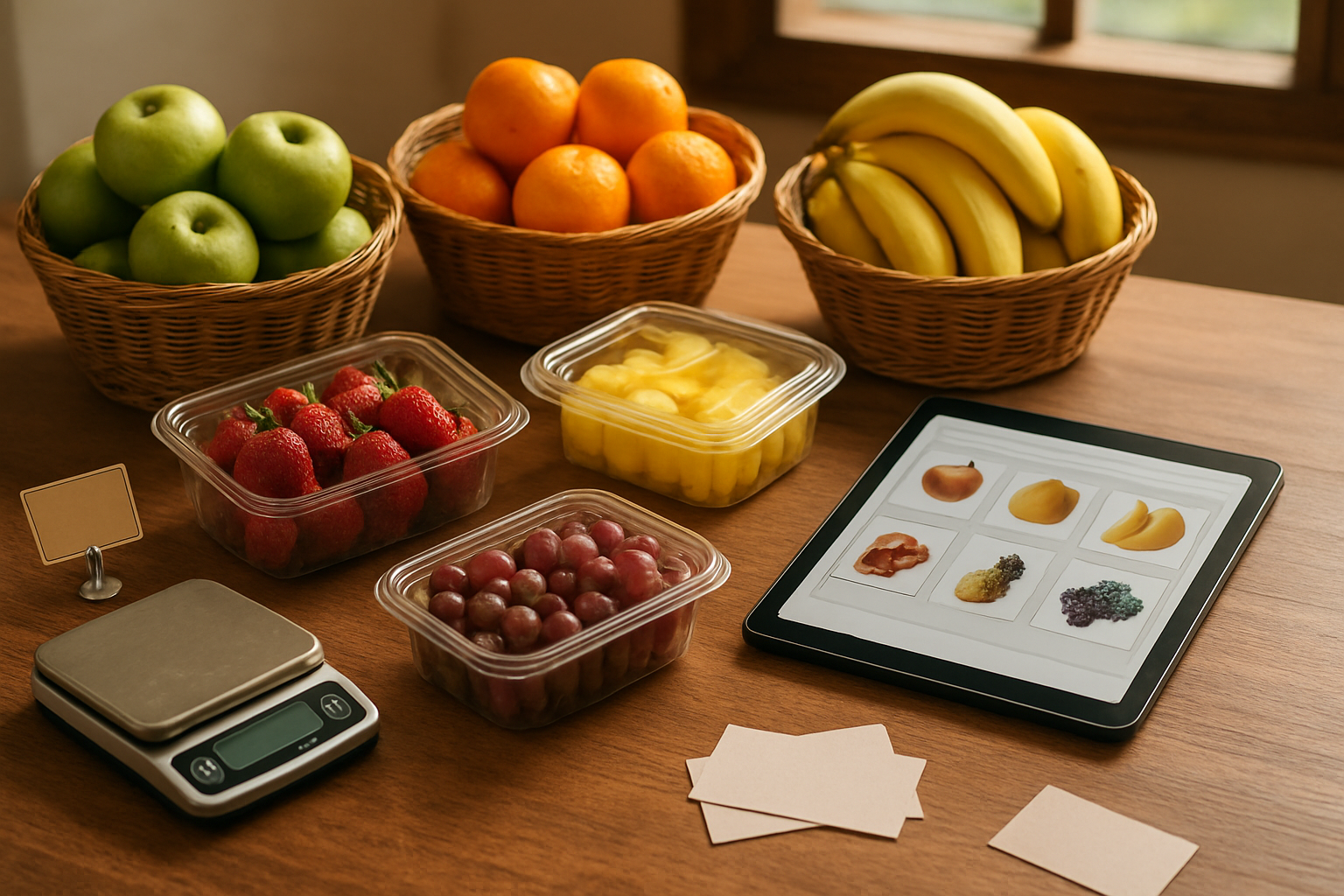
Select between retail, wholesale, or direct-to-consumer sales
Your choice of sales model dramatically impacts every aspect of your fruit business startup. Each approach offers distinct advantages and challenges that you need to carefully consider.
Retail operations involve selling directly to individual customers through established storefronts or market stalls. This model gives you higher profit margins per unit but requires significant investment in location, display equipment, and customer-facing operations. You'll need to focus on visual merchandising, customer service, and maintaining consistent inventory levels. The startup costs are typically higher, but you maintain full control over pricing and customer relationships.
Wholesale fruit business startup means selling in bulk to retailers, restaurants, or food service companies. While profit margins per unit are lower, you can move larger volumes with less customer interaction. This model requires strong relationships with buyers, reliable transportation, and the ability to handle larger quantities. Your success depends on competitive pricing, consistent quality, and dependable delivery schedules.
Direct-to-consumer sales through farmers markets, online platforms, or subscription boxes offer the highest profit potential. You can build personal relationships with customers and command premium prices for quality and freshness. This approach works especially well for organic or specialty fruits, allowing you to tell your story and differentiate from mass-market competitors.
Consider starting with one model and expanding as your business grows. Many successful fruit vendors begin with direct sales to understand customer preferences before moving into wholesale or retail operations.
Decide on fresh fruit versus processed fruit products
The choice between fresh fruit and processed products fundamentally shapes your operational requirements and profit potential. Fresh fruit business ideas typically require less initial equipment investment but demand excellent supply chain management and quick turnover to prevent spoilage.
Fresh fruit operations focus on sourcing, storing, and selling unprocessed fruits. Your success depends on maintaining cold chain management, understanding seasonal availability, and moving inventory quickly. The learning curve is gentler, making this an excellent starting point for new entrepreneurs. You'll need refrigeration, proper storage facilities, and strong supplier relationships to ensure consistent quality.
Processed fruit products like jams, dried fruits, juices, or fruit salads require additional equipment, food safety certifications, and manufacturing space. While the initial investment is higher, processed products offer longer shelf life, higher profit margins, and the opportunity to create unique branded offerings. You'll need commercial kitchen space, processing equipment, and compliance with food manufacturing regulations.
Many profitable fruit business models combine both approaches. Start with fresh fruit sales to understand your market, then gradually introduce value-added processed products. This strategy allows you to capture different customer segments while maximizing revenue from your fruit inventory. Some entrepreneurs begin by partnering with local food processors to test processed product demand before investing in their own equipment.
Consider mobile fruit stands versus permanent locations
Location strategy significantly impacts your fruit business licensing requirements, startup costs, and growth potential. Both mobile and permanent setups offer unique advantages that suit different business goals and market conditions.
Mobile fruit stands provide flexibility and lower overhead costs, making them ideal for testing different markets and building customer bases. You can follow seasonal patterns, attend special events, and adapt to changing neighborhood demands. Food trucks and mobile vendors often require fewer permits and lower initial investments. However, you'll face daily setup and breakdown requirements, weather dependency, and limited storage space.
Permanent locations offer stability, better storage capabilities, and the opportunity to build a recognized neighborhood presence. Customers know where to find you, and you can invest in better refrigeration and display systems. Permanent shops allow for expanded inventory and the potential to offer additional services like custom fruit arrangements or catering.
Your fruit vendor business model choice depends on several factors:
| Factor | Mobile Stand | Permanent Location |
|---|---|---|
| Initial Investment | Lower | Higher |
| Flexibility | High | Limited |
| Storage Capacity | Limited | Extensive |
| Weather Impact | High | Minimal |
| Permit Complexity | Moderate | Higher |
Many successful fruit entrepreneurs start mobile to test their concept and build capital before transitioning to permanent locations. This approach minimizes risk while providing valuable market insights that inform future location decisions.
Secure Reliable Fruit Suppliers and Build Relationships
Find Local Farmers and Wholesale Fruit Distributors
Building a successful fruit business starts with finding the right suppliers. Local farmers often provide the freshest produce at competitive prices, especially when you're starting a fruit stand business or retail operation. Visit nearby farmer's markets to meet growers face-to-face and sample their products. Many small-scale farmers appreciate direct relationships with retailers because it eliminates middleman costs.
Wholesale fruit distributors offer another excellent option for your fruit business startup guide. These companies typically provide consistent inventory, standardized packaging, and reliable delivery schedules. Regional produce terminals and food service distributors can supply everything from common apples to exotic tropical fruits. Research distributors in your area by checking industry directories, attending trade shows, and networking with other fruit vendors.
Don't overlook specialty suppliers who focus on organic, locally-grown, or unique varieties. These partnerships can help differentiate your fresh fruit business ideas from competitors. Online platforms now connect fruit businesses directly with farms, making it easier to source products from different regions during off-seasons.
Negotiate Favorable Pricing and Delivery Terms
Smart pricing negotiations can make or break your profitable fruit business. Suppliers typically offer volume discounts, so calculate your weekly and monthly needs before discussions. Ask about seasonal pricing fluctuations, as some fruits cost significantly more during certain months.
Payment terms matter just as much as product prices. New businesses often struggle with cash flow, so negotiate net-30 or net-60 payment terms instead of paying upfront. Some suppliers offer early payment discounts (like 2% off for payment within 10 days), which can improve your margins if you have available cash.
Delivery schedules should align with your business model and customer demand. Negotiate specific delivery windows that work for your operation. Some suppliers charge extra for morning deliveries or weekend service, while others include these in their standard rates. Clarify minimum order requirements and cancellation policies upfront to avoid surprises.
Establish Backup Suppliers for Consistent Inventory
Smart fruit business owners always have backup plans. Weather, transportation issues, and seasonal shortages can disrupt your primary supplier's ability to deliver. Maintain relationships with at least two additional suppliers for your core products.
Create a supplier contact list with phone numbers, email addresses, and typical lead times. Test these backup relationships periodically by placing small orders to ensure they can deliver quality products when needed. Some fruit vendors rotate between suppliers weekly to maintain multiple active relationships.
Regional diversity helps protect against localized problems. If your primary apple supplier is in Washington state and a storm affects that region, having backup suppliers in different areas keeps your shelves stocked. Document each supplier's strengths - some excel at citrus, others at berries, and some specialize in exotic fruits.
Verify Quality Standards and Organic Certifications
Quality control protects your reputation and ensures customer satisfaction. Visit supplier facilities when possible to see how they handle, store, and transport fruit. Look for proper refrigeration, clean packaging areas, and efficient loading procedures.
Request references from other retailers who buy from the same suppliers. Ask about consistency, delivery reliability, and how suppliers handle quality issues. Most reputable suppliers willingly provide this information because they value long-term partnerships.
Organic certifications require special attention if you plan to market organic fruit business opportunities. Verify that suppliers maintain current USDA Organic certification and ask for copies of their certificates. Understand the chain of custody requirements - organic fruits must remain separated from conventional products throughout transportation and storage.
Establish clear quality standards for appearance, ripeness, and shelf life. Create written agreements that specify acceptable quality levels and return policies for substandard products. Good suppliers appreciate clear expectations and often work with retailers to resolve quality issues quickly.
Navigate Legal Requirements and Obtain Permits

Register Your Business and Choose Appropriate Business Structure
Starting a fruit business requires selecting the right legal structure that protects your personal assets while maximizing tax benefits. Most new fruit business owners choose between a sole proprietorship, limited liability company (LLC), or corporation.
A sole proprietorship works well if you're starting small with a single fruit stand, but it offers no personal asset protection. An LLC provides liability protection while maintaining simple tax filing, making it ideal for most fruit retail operations. This structure shields your personal property if someone gets sick from your products or if you face other business-related lawsuits.
Corporations offer the most protection but involve more paperwork and double taxation. Consider this option only if you plan to scale quickly or seek investors for a wholesale fruit business startup.
You'll need to register your business name with your state's Secretary of State office and obtain an Employer Identification Number (EIN) from the IRS, even if you don't have employees initially. This number helps separate your business and personal finances, which banks require for business accounts.
Acquire Food Handling Licenses and Health Permits
Food safety regulations are critical when learning how to start a fruit business. Most jurisdictions require food handler permits for anyone directly involved in fruit preparation or sales. These permits typically involve completing a food safety course covering proper storage temperatures, contamination prevention, and hygiene protocols.
Your local health department will inspect your operation before issuing permits. They'll check your refrigeration systems, hand-washing stations, and storage areas. For fruit stands, this includes examining how you display products and maintain cold chains for perishable items.
Many areas require annual renewals and surprise inspections. Keep detailed temperature logs and cleaning schedules to stay compliant. Some locations also mandate liability insurance specifically for food businesses, protecting you from potential foodborne illness claims.
Understand Local Zoning Laws for Fruit Retail Operations
Zoning regulations determine where you can operate your fruit business. Residential areas typically prohibit commercial food sales, while commercial and mixed-use zones usually allow fruit retail with proper permits.
Mobile fruit vendors face additional restrictions. Many cities limit where food trucks can park and for how long. Some require special permits for operating on public streets or near schools and hospitals.
Before signing any lease or purchasing property, verify that your intended location allows fruit retail operations. Check for restrictions on outdoor displays, signage size, and operating hours. Some areas prohibit early morning deliveries or require specific waste disposal methods for organic materials.
Contact your city planning department early in your planning process. They can provide detailed zoning maps and explain any special requirements for fresh fruit business operations in your target area.
Set Up Your Fruit Business Location and Equipment
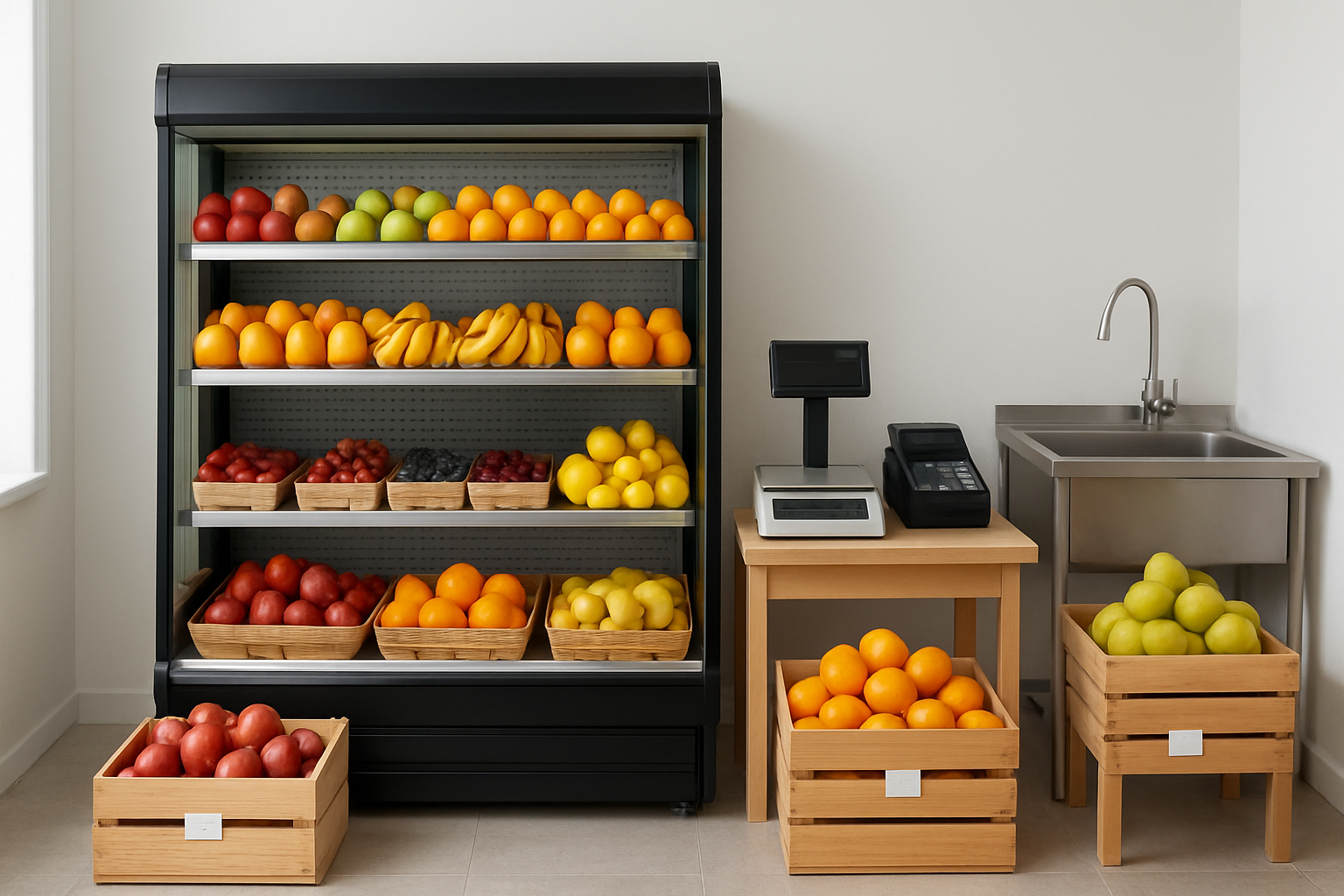
Choose High-Traffic Location with Proper Refrigeration Facilities
Location makes or breaks your fruit business startup guide strategy. You want spots where people naturally walk by - think near grocery stores, office buildings, subway stations, or busy intersections. These high-traffic areas give you maximum exposure without spending a fortune on advertising.
Foot traffic matters, but so does parking. Customers buying fruit in bulk need convenient access. Strip malls with dedicated parking often work better than downtown areas where parking is a nightmare. Consider your target customers too - families shop differently than office workers grabbing a quick snack.
Refrigeration isn't optional when starting a fruit stand business. Fruits lose money fast when they spoil, and customers won't buy wilted produce. Your location needs reliable electrical infrastructure to support commercial-grade cooling systems. Factor in backup power options for areas prone to outages.
Check zoning laws before signing any lease. Some areas restrict food businesses or require special permits for fruit vendors. Your landlord should also be comfortable with potential juice spills and frequent deliveries.
Invest in Essential Equipment Like Scales and Display Cases
Professional digital scales are your most critical investment. Get certified scales that meet local weights and measures requirements. Many customers buy fruit by the pound, so accuracy builds trust and keeps you compliant with regulations.
Display cases with built-in refrigeration keep products fresh while showcasing them attractively. Look for units with adjustable shelving to accommodate different fruit sizes. LED lighting makes colors pop and uses less energy than traditional bulbs.
Other essential equipment includes:
-
Cash register or point-of-sale system
-
Shopping baskets and paper bags
-
Misting systems for leafy greens
-
Hand trucks for moving heavy boxes
-
Cleaning supplies and sanitizers
-
Price tags and markers
Don't buy everything new when starting your profitable fruit business. Quality used equipment often works just as well and saves valuable startup capital.
Design Attractive Fruit Displays to Maximize Sales
Visual appeal directly impacts sales in the fruit business. Arrange colorful fruits at eye level - bright oranges, red apples, and yellow bananas naturally draw attention. Create depth by stacking products in pyramids rather than flat rows.
Group complementary items together. Place lemons next to avocados since many customers use them together. Position impulse buys like berries near the checkout area where people wait in line.
Keep displays full but not overcrowded. Sparse displays suggest poor quality or old inventory, while cramped arrangements make selection difficult. Rotate stock regularly, moving older items to the front using the first-in, first-out principle.
Use proper signage with clear pricing and origin information. Many customers want to know if fruit is locally grown or organic. Chalkboard signs add a personal touch and are easy to update as prices change.
Install Proper Storage Systems to Maintain Freshness
Different fruits need different storage conditions. Bananas release ethylene gas that ripens other fruits quickly, so store them separately. Apples stay crisp in cool, humid conditions while citrus fruits prefer slightly warmer temperatures.
Walk-in coolers give you the most flexibility for storing large quantities at different temperatures. Divide the space into zones - one for tropical fruits, another for stone fruits, and separate areas for vegetables if you expand your product line.
Humidity control prevents both wilting and mold growth. Most fruits need 85-90% humidity, which you can maintain with proper ventilation and misting systems. Monitor temperatures daily with digital thermometers that alert you to dangerous fluctuations.
Create a systematic storage layout that makes inventory rotation easy. Label everything with delivery dates and use clear containers so you can quickly assess quality. This organization becomes crucial as your fresh fruit business ideas expand and inventory grows more complex.
Develop Effective Marketing and Customer Retention Strategies
Create Eye-Catching Signage and Promotional Materials
Visual appeal makes or breaks your fruit business. Your signage serves as the first impression customers get, so invest in bright, colorful displays that highlight the freshness and quality of your produce. Use chalkboard signs to showcase daily specials and prices - customers love seeing handwritten details that feel personal and authentic.
Digital displays work wonders for rotating promotional content, especially if you're running seasonal deals. Consider weather-resistant materials for outdoor setups, and make sure your fonts are large enough to read from a distance. Include appetizing photos of your best fruits alongside clear pricing information.
Banners and flags create movement that catches the eye, while A-frame sidewalk signs can direct foot traffic to your location. Don't forget about packaging - branded bags and boxes turn every purchase into a walking advertisement for your business.
Build Relationships with Local Restaurants and Cafes
Restaurant partnerships can become your most reliable revenue stream. Chefs value consistent quality and competitive pricing, making them ideal long-term customers for your fruit business startup. Start by visiting local establishments during their slower hours and bring samples of your best seasonal offerings.
Create a wholesale price sheet specifically for food service clients, typically 15-30% below retail prices. Restaurants often need specific quantities and delivery schedules, so flexibility becomes your competitive advantage. Establish relationships with:
-
Farm-to-table restaurants seeking local suppliers
-
Juice bars and smoothie shops requiring daily deliveries
-
Bakeries needing fresh fruit for desserts and pastries
-
Hotels and catering companies with bulk orders
Regular communication keeps you top-of-mind when they're placing orders. Send weekly availability lists and seasonal forecasts to help them plan menus around your best products.
Implement Loyalty Programs and Seasonal Promotions
Customer retention costs far less than acquiring new buyers. Design a simple punch card system where customers earn a free item after a certain number of purchases, or create a digital loyalty app that tracks spending and rewards frequent buyers.
Seasonal promotions align with natural buying patterns. Summer berry festivals, fall apple celebrations, and winter citrus specials create excitement and urgency. Bundle complementary fruits at discounted prices - like pairing strawberries with cream or apples with caramel dip.
Weekly specials encourage repeat visits, while "buy two, get one free" deals move inventory quickly during peak ripeness periods. Email newsletters announcing flash sales or new arrivals keep customers engaged between visits.
Leverage Social Media to Showcase Fresh Daily Offerings
Social media transforms your fruit business into an engaging brand that customers follow eagerly. Instagram and Facebook work perfectly for food businesses because people love seeing vibrant, fresh produce photos.
Post daily "what's fresh" updates showing your best-looking fruits, including close-up shots that highlight quality and freshness. Share behind-the-scenes content like early morning market runs or relationships with your suppliers. This storytelling approach helps customers connect with your business on a personal level.
Use local hashtags and geotags to reach nearby customers actively searching for fresh produce. Respond quickly to comments and messages - social media users expect fast, friendly interaction. Share customer photos featuring your fruits in their recipes or smoothies, creating a community around your brand.
Live videos during busy market days showcase the energy and popularity of your stand, creating social proof that attracts new customers.

Starting your own fruit business takes careful planning and attention to detail, but the rewards can be sweet. From researching your local market to finding reliable suppliers, each step builds the foundation for your success. Getting the right permits might feel like a hassle, but it protects your business down the road. Setting up your location and equipment properly from day one will save you headaches later.
The fruit business is all about relationships - with your suppliers, customers, and community. Focus on quality products, fair prices, and excellent service. Your customers will notice the difference and keep coming back. Ready to turn your fruit business dreams into reality? Start with that market research today and take it one step at a time. Your fresh, profitable venture is waiting for you to make the first move.


.png)
Comments
Post a Comment