How to Start a Fruit Juice Business (Step-by-Step)
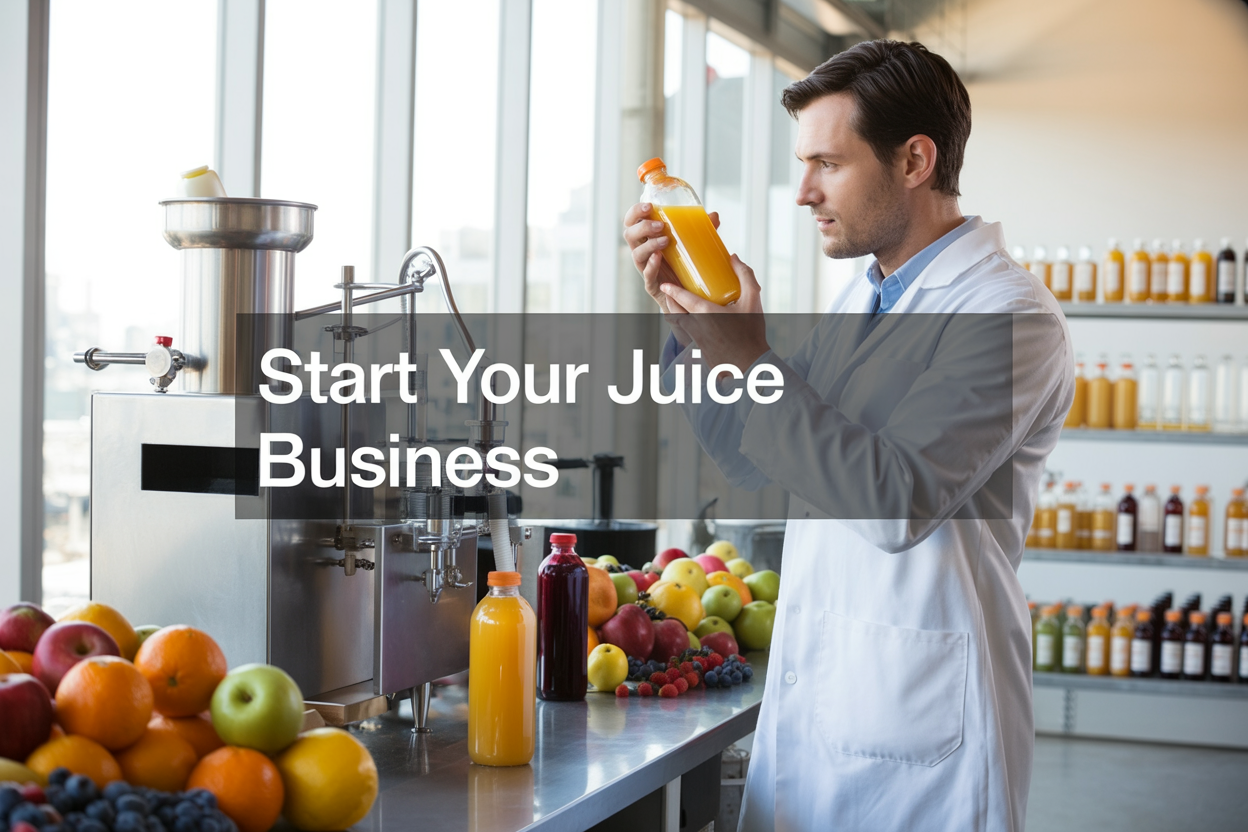
Starting a successful fruit juice business requires more than just great recipes and fresh ingredients. This comprehensive guide walks aspiring entrepreneurs through the essential steps to launch and grow their juice company from concept to profitable operation.
This step-by-step fruit juice business startup guide is designed for food and beverage entrepreneurs, health-conscious business owners, and anyone looking to enter the growing juice market. You'll learn how to transform your passion for healthy beverages into a thriving commercial venture.
We'll cover the foundational elements of building your juice business, including market research and developing a solid fruit juice business plan that attracts investors. You'll also discover the critical legal requirements and permits needed to operate safely and legally. Finally, we'll explore how to source quality ingredients, set up your production facility, and create effective marketing strategies that drive customer acquisition and long-term growth.
Research Your Market and Define Your Niche

Analyze local competition and identify market gaps
Understanding your local juice market starts with taking a close look at what's already out there. Walk through grocery stores, health food shops, and juice bars in your area. Note which brands dominate the shelves, what price points they're hitting, and which flavors seem most popular.
Pay special attention to what's missing from the current offerings. Maybe your area lacks organic options, or perhaps there's a shortage of exotic flavor combinations. Some regions might be oversaturated with green juices but completely missing tropical blends. Look for patterns in customer complaints on review sites - these often reveal gaps you can fill.
Create a simple spreadsheet tracking your competitors' products, prices, and unique selling points. Visit during different times of day to see when juice sales peak. Strike up conversations with store managers about which products fly off shelves and which ones sit around.
Don't forget about indirect competitors too. Coffee shops selling smoothies, fitness centers with juice counters, and even meal replacement drink companies all compete for the same customer dollars.
Choose your juice types and target customer demographics
Your juice business success depends heavily on matching the right products with the right people. Health-conscious millennials might gravitate toward cold-pressed green juices with kale and cucumber, while busy professionals could prefer convenient grab-and-go fruit blends.
Consider these key demographic segments:
-
Health enthusiasts looking for nutrient-dense, low-sugar options
-
Fitness buffs wanting post-workout recovery drinks
-
Parents seeking healthy alternatives for their kids
-
Seniors interested in immune-boosting ingredients
-
Busy professionals needing convenient, energizing options
Match your juice types to these groups. Antioxidant-rich berry blends appeal to health-conscious consumers, while sweet apple-based mixes work well for children. Protein-enhanced juices attract fitness customers, and ginger-turmeric combinations draw wellness-focused buyers.
Test your assumptions by conducting informal surveys at farmers markets or local events. Ask potential customers about their current juice-buying habits, preferred flavors, and what they'd like to see more of in stores.
Determine pricing strategies based on market research
Pricing your juices requires balancing profitability with market competitiveness. Start by calculating your true costs - ingredients, packaging, labor, overhead, and distribution. Many new juice business owners underestimate these expenses and price themselves out of profit.
Research shows that premium juice positioning often works better than competing on price alone. Customers buying fresh juice typically prioritize quality over saving a few cents. However, you still need to stay within reasonable ranges for your market.
Create a pricing matrix comparing your planned products against existing options:
| Product Type | Competitor Low | Competitor High | Your Target Price |
|---|---|---|---|
| 16oz Green Juice | $6.99 | $9.99 | $8.49 |
| 12oz Fruit Blend | $4.99 | $7.99 | $6.99 |
| 8oz Wellness Shot | $2.99 | $4.99 | $3.99 |
Consider offering different price points through varying sizes or ingredient quality levels. A basic fruit juice line alongside premium cold-pressed options lets you capture both budget-conscious and premium customers.
Factor in your distribution costs too. Selling direct to consumers at farmers markets allows higher margins than wholesale to retail stores, where you'll need to account for retailer markups while staying competitive on shelf prices.
Create Your Business Plan and Secure Funding

Develop Comprehensive Financial Projections and Startup Costs
Creating a solid fruit juice business plan starts with understanding exactly how much money you'll need upfront and what your ongoing expenses will look like. Start by calculating your initial equipment costs, which can range from $15,000 for basic juicing equipment to $150,000+ for commercial-grade machinery depending on your production scale. Don't forget about facility costs - whether you're renting a commercial kitchen space or setting up your own production facility.
Your startup cost breakdown should include:
-
Equipment and machinery: Juicers, bottling equipment, refrigeration units
-
Facility costs: Rent, utilities, renovations, permits
-
Initial inventory: Fruits, vegetables, bottles, labels, packaging materials
-
Marketing and branding: Logo design, website development, initial advertising
-
Working capital: Cash flow buffer for first 3-6 months of operations
-
Professional services: Legal fees, accounting setup, business registration
For financial projections, create detailed monthly forecasts for your first year and quarterly projections for years two and three. Factor in seasonal variations - citrus fruits are cheaper in winter, while berries peak in summer. Your cost of goods sold (COGS) will typically represent 30-45% of your revenue, with fresh fruit costs being your biggest variable expense.
Choose Your Business Structure and Register Legally
Selecting the right business structure impacts everything from taxes to liability protection. Most juice business startups choose between LLC, S-Corporation, or C-Corporation structures. An LLC offers flexibility and pass-through taxation while protecting personal assets. S-Corps provide tax advantages for profitable businesses but have restrictions on ownership. C-Corps make sense if you're planning to seek significant investment or go public eventually.
Register your business name with your state and check trademark availability if you plan to expand beyond local markets. You'll also need an Employer Identification Number (EIN) from the IRS, even if you don't have employees initially - banks and suppliers will require this for business accounts and wholesale purchasing.
Explore Funding Options Including Loans, Investors, and Grants
Most juice businesses need between $50,000 to $250,000 in startup capital. Personal savings often cover the initial phase, but scaling requires additional funding. Traditional bank loans work well if you have strong credit and can provide collateral, but many banks view food and beverage startups as risky.
Consider these funding alternatives:
| Funding Source | Pros | Cons | Best For |
|---|---|---|---|
| SBA Loans | Lower rates, longer terms | Extensive paperwork, slow approval | Established credit, solid business plan |
| Equipment Financing | Equipment as collateral | Higher rates than traditional loans | Purchasing specific machinery |
| Angel Investors | Industry expertise, networking | Give up equity, loss of control | High-growth potential businesses |
| Crowdfunding | Market validation, no debt | Time-intensive, no guarantee | Unique products, strong marketing |
Local economic development agencies often provide grants or low-interest loans for food manufacturing businesses, especially those creating jobs in rural areas. Some states offer specific incentives for agricultural processing businesses.
Set Realistic Sales Targets and Growth Milestones
Base your sales projections on market research rather than wishful thinking. If you're starting with farmers markets and local stores, estimate 50-100 bottles per week initially, growing to 500-1000 bottles weekly within six months. Direct-to-consumer sales typically yield higher margins but require more marketing investment.
Break down your revenue goals by channel:
-
Retail stores: Usually your highest volume but lowest margin (40-50% wholesale pricing)
-
Farmers markets: Mid-volume, higher margins, great for customer feedback
-
Online sales: Lowest volume initially, highest margins, scalable long-term
-
Food service: Restaurants and cafes offer steady orders but demand consistency
Set monthly milestones for key metrics beyond just revenue: customer acquisition cost, average order size, production efficiency, and inventory turnover. Plan for seasonal fluctuations - summer typically brings 30-40% higher sales for most juice businesses. Your growth strategy should outline when you'll need additional equipment, staff, or facility space based on realistic sales progression rather than optimistic projections.
Navigate Legal Requirements and Obtain Permits

Research Food Safety Regulations and Health Department Requirements
Starting a fruit juice business means dealing with strict food safety rules that protect consumers from foodborne illnesses. The FDA oversees most juice operations under the Food Safety Modernization Act, which requires you to follow Hazard Analysis and Critical Control Points (HACCP) guidelines. These rules cover everything from how you handle raw fruit to your final packaging process.
Your local health department will inspect your facility before you can operate. They'll check your water sources, waste management systems, and employee hygiene protocols. Most states require juice manufacturers to pasteurize their products or include warning labels for unpasteurized beverages. Some regions have additional requirements, like specific temperature controls during storage and transportation.
Cold-pressed juice businesses face unique challenges since many want to avoid pasteurization. You'll need to implement alternative safety measures like high-pressure processing or UV treatment, depending on your state's regulations. Keep detailed records of your safety procedures because inspectors will review them during visits.
Contact your state's department of agriculture early in your planning process. They can provide specific guidelines for your area and help you understand which federal regulations apply to your juice business startup guide.
Acquire Necessary Business Licenses and Permits
Your fruit juice business requirements include multiple licenses at federal, state, and local levels. Start with your basic business license from your city or county clerk's office. You'll also need a federal Employer Identification Number (EIN) from the IRS, even if you're starting as a sole proprietor.
Food manufacturing requires a food handler's license or food processing permit from your state. This permit ensures you understand proper food safety practices and storage requirements. Many states also require a separate beverage manufacturing license specifically for juice production.
If you plan to sell directly to consumers, you'll need a retail food establishment permit. Wholesale operations require different permits, often including a food distributor's license. Some states have cottage food laws that allow small-scale juice production from home kitchens, but these typically limit where and how much you can sell.
| License Type | Issuing Authority | Typical Cost | Renewal Period |
|---|---|---|---|
| Business License | Local Government | $50-500 | Annual |
| Food Processing Permit | State Health Dept | $200-1,500 | 1-3 years |
| EIN | IRS | Free | Permanent |
| Retail Food Permit | Local Health Dept | $100-800 | Annual |
Check with your local zoning office to ensure your planned location allows food manufacturing. Some residential areas prohibit commercial food production, even for small home-based operations.
Understand Labeling Laws and Nutritional Disclosure Requirements
Juice labeling follows strict FDA guidelines that protect consumers and prevent misleading claims. Your commercial juice business must include specific information on every product label: the product name, net quantity, ingredient list in descending order by weight, nutrition facts panel, and your company's name and address.
The nutrition facts panel requires laboratory testing to determine accurate values for calories, sugars, vitamins, and minerals. This testing can cost $500-1,500 per product, but it's mandatory for most commercial juice operations. Small businesses with less than $10 million in annual sales may qualify for simplified labeling requirements.
Ingredient lists must be completely accurate. If you add any preservatives, natural flavors, or processing aids, they must appear on the label. "100% Fruit Juice" claims have specific requirements - you can't add water, sweeteners, or other ingredients and still use this label.
Organic claims require USDA organic certification, which involves annual inspections and detailed record-keeping. "Natural" claims are less regulated but can still get you into legal trouble if they're misleading.
Fresh juice sold at farmers markets or directly to consumers often has different labeling requirements than products sold through retail stores. Many states allow simplified labeling for direct sales, but you still need basic information like ingredients and allergen warnings.
Always include allergen warnings if your facility processes common allergens like nuts or dairy, even if they're not in your juice products. Cross-contamination warnings protect both your customers and your business from liability issues.
Source Quality Ingredients and Suppliers
Establish relationships with reliable fruit suppliers
Building strong relationships with fruit suppliers forms the backbone of any successful juice business startup. Start by researching local farms and wholesale fruit distributors in your area, as shorter supply chains often mean fresher produce and lower transportation costs. Visit potential suppliers in person to evaluate their operations, storage facilities, and quality standards. Look for suppliers who can provide consistent year-round availability or seasonal planning calendars.
Create a supplier evaluation checklist that includes factors like pricing, quality consistency, delivery reliability, and certifications (organic, fair trade, or food safety). Many juice business owners make the mistake of choosing suppliers based solely on price, but reliability and quality should weigh heavily in your decision.
Develop personal relationships with key suppliers by maintaining regular communication, paying invoices promptly, and showing genuine interest in their farming practices. These relationships become invaluable during peak seasons or supply shortages. Consider attending local agricultural trade shows and farmers' markets to discover new suppliers and stay updated on industry trends.
Negotiate bulk purchasing agreements for cost savings
Smart procurement strategies can significantly impact your juice production business profitability. Negotiate volume-based pricing tiers that reward larger orders with better rates. Most suppliers offer discounts for purchases above certain thresholds, so calculate your monthly fruit requirements and explore opportunities to consolidate orders.
Seasonal purchasing agreements work particularly well for fruit juice manufacturing businesses. Lock in favorable prices during peak harvest seasons when fruits are abundant and prices drop. This requires proper storage planning and cash flow management, but the cost savings often justify the investment.
Consider forming purchasing cooperatives with other local juice producers or food manufacturers. Pooling your orders increases buying power and helps everyone secure better rates. Joint purchasing also strengthens relationships within the industry and creates opportunities for knowledge sharing.
Payment terms negotiations matter just as much as pricing. Request extended payment periods (30-60 days) to improve cash flow, especially during your startup phase when every dollar counts.
Implement quality control standards for consistent products
Consistency separates professional juice companies from amateur operations. Develop written quality standards for each fruit type you purchase, including specifications for ripeness, size, color, and acceptable defect levels. Create inspection protocols that your team can follow regardless of who receives deliveries.
Implement a batch tracking system that records supplier information, delivery dates, and quality scores for each shipment. This data helps identify patterns and address quality issues before they affect your final products. Many commercial juice businesses use simple spreadsheets or specialized food production software to manage this information.
Train your staff to recognize quality issues and empower them to reject substandard deliveries. Establish clear procedures for handling rejected shipments, including documentation requirements and supplier notification protocols. Regular quality audits of your suppliers' facilities help maintain standards and demonstrate your commitment to excellence.
Consider implementing incoming inspection procedures that include random sampling and basic quality tests. Simple tools like refractometers for measuring sugar content (Brix levels) or pH meters can provide objective quality measurements beyond visual inspection.
Create backup supplier networks to avoid disruptions
Supply chain disruptions can destroy a juice business overnight. Weather events, crop diseases, labor shortages, or transportation issues can leave you without critical ingredients. Maintain relationships with at least two reliable suppliers for each major fruit type in your product line.
Diversify your supplier base geographically to reduce weather-related risks. If your primary apple supplier operates in one region, find backup suppliers in different areas with varying harvest seasons. This geographical diversification provides natural protection against localized disruptions.
Develop contingency pricing agreements with backup suppliers before you need them. Many suppliers offer "standby" agreements where they guarantee availability at predetermined prices during emergencies. These arrangements cost slightly more but provide valuable insurance for your beverage business plan.
Create detailed supplier contact lists with multiple phone numbers, email addresses, and key contact names. Include information about each supplier's capacity, minimum orders, and lead times. Update this information regularly and test your backup systems periodically by placing small orders with secondary suppliers.
Consider maintaining strategic inventory levels of non-perishable ingredients or frozen fruit concentrates as additional backup options. While fresh fruit produces superior juice, having emergency alternatives ensures continuous production during supply shortages.
Set Up Your Production Facility and Equipment
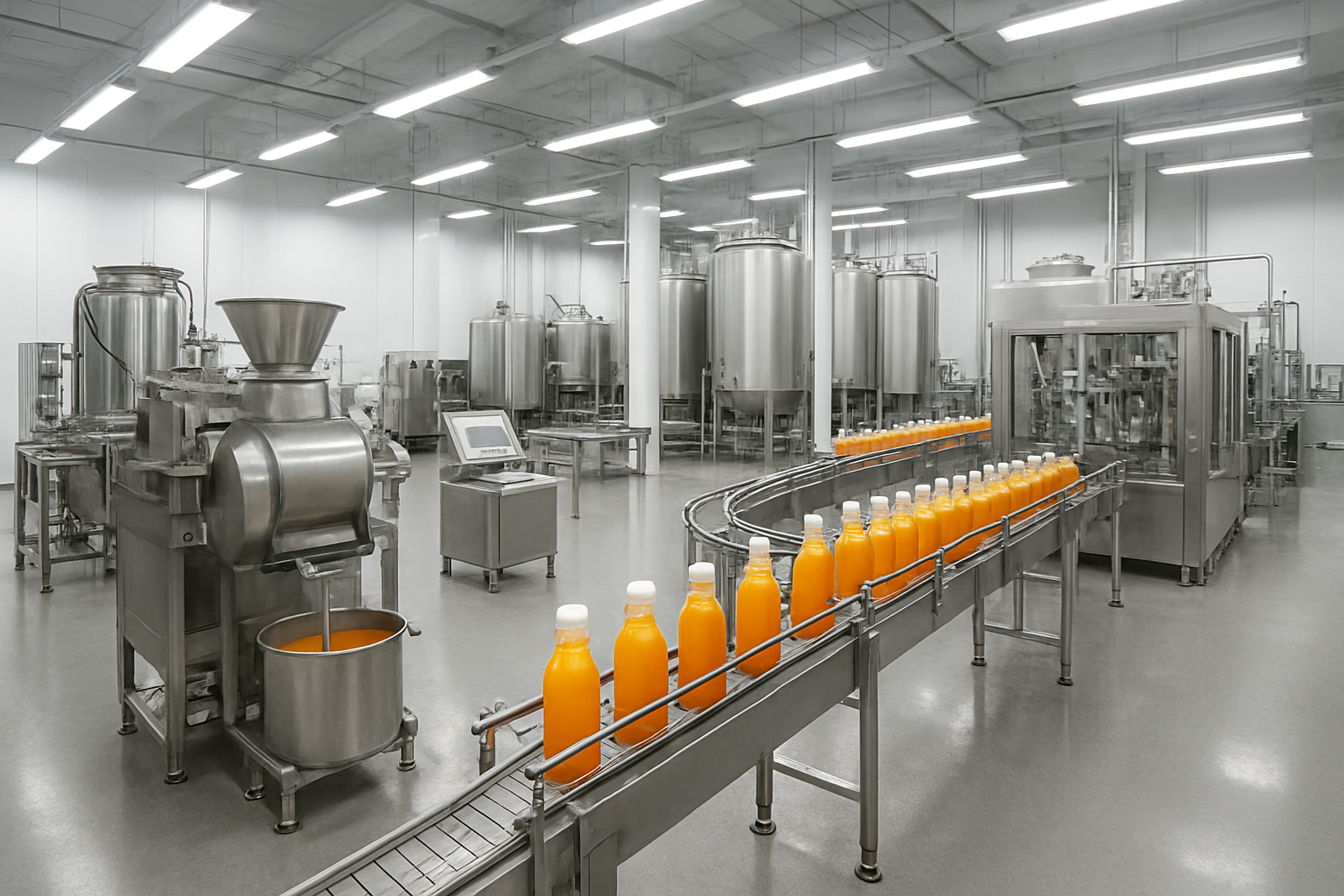
Choose Between Commercial Kitchen Rental or Dedicated Facility
Starting a juice production business means making a critical decision about your production space. Commercial kitchen rentals offer a cost-effective entry point for new juice entrepreneurs. These shared facilities typically cost $15-25 per hour and come equipped with basic commercial-grade equipment and necessary health certifications. You'll share the space with other food businesses, which can limit your production hours but significantly reduces initial overhead costs.
Dedicated facilities provide complete control over your juice production schedule and operations. While the upfront investment is substantial—often requiring $50,000-200,000 for setup—you gain the flexibility to scale production and customize the space for your specific juice business needs. Consider factors like production volume, growth projections, and available capital when choosing your path.
Location plays a crucial role regardless of which option you select. Look for facilities near your target distribution areas to minimize transportation costs and ensure fresh product delivery.
Purchase Essential Juicing and Bottling Equipment
Commercial juice production requires specialized equipment that can handle large volumes while maintaining quality and safety standards. Cold-press juicers are essential for premium juice businesses, with machines ranging from $3,000 for smaller units to $50,000 for high-capacity commercial models. These machines extract juice without heat, preserving nutrients and extending shelf life.
Your equipment checklist should include:
-
Commercial juicers or extractors (cold-press or centrifugal based on your product line)
-
Bottling machines (manual, semi-automatic, or fully automatic depending on volume)
-
Pasteurization equipment (if required by local regulations)
-
Washing and sanitizing stations for produce preparation
-
Commercial blenders for smoothies or mixed beverages
-
Scales and measuring equipment for consistent recipes
-
Quality testing tools (pH meters, refractometers)
Start with essential equipment and upgrade as your business grows. Many successful juice companies begin with semi-automatic systems and transition to fully automated lines as production demands increase.
Install Proper Refrigeration and Storage Systems
Temperature control is non-negotiable in juice production. Fresh fruit and vegetable juices require consistent cold storage to maintain quality and meet food safety regulations. Your refrigeration system should include walk-in coolers for ingredient storage and finished product holding.
Plan for different temperature zones:
-
Ingredient storage: 35-40°F for most fruits and vegetables
-
Finished product storage: 32-35°F for maximum shelf life
-
Flash cooling areas: For rapid temperature reduction after production
Commercial refrigeration units range from $5,000 for basic walk-in coolers to $25,000 for advanced systems with multiple zones. Factor in backup power systems to protect your inventory during outages. Many juice businesses lose thousands of dollars worth of product due to inadequate refrigeration planning.
Storage capacity should accommodate at least 3-5 days of inventory, accounting for both ingredients and finished products. This buffer helps manage supply chain fluctuations and maintains consistent product availability.
Design Efficient Workflow Layouts for Maximum Productivity
Your production layout directly impacts efficiency, product quality, and profitability. Design your space following a logical flow: receiving → washing → processing → packaging → storage → shipping. This linear approach minimizes contamination risks and reduces handling time.
Create designated zones for different activities:
Receiving and prep area: Include adequate space for ingredient inspection, washing, and preparation. Install proper drainage and non-slip surfaces for safety.
Production zone: Position juicing equipment with easy access to cleaned ingredients and packaging materials. Allow sufficient space for operators to work safely around machinery.
Packaging area: Design this zone for smooth transition from production to finished goods. Include labeling stations and quality control checkpoints.
Storage and shipping: Position finished goods storage near loading areas for efficient distribution.
Consider traffic patterns to prevent cross-contamination between raw ingredients and finished products. Install hand-washing stations at strategic points and use color-coded tools and surfaces to maintain food safety standards.
Proper workflow design can increase production efficiency by 30-40% compared to poorly planned layouts. Invest time in planning before installing equipment, as retrofitting is expensive and disruptive to operations.
Develop Your Brand Identity and Product Line
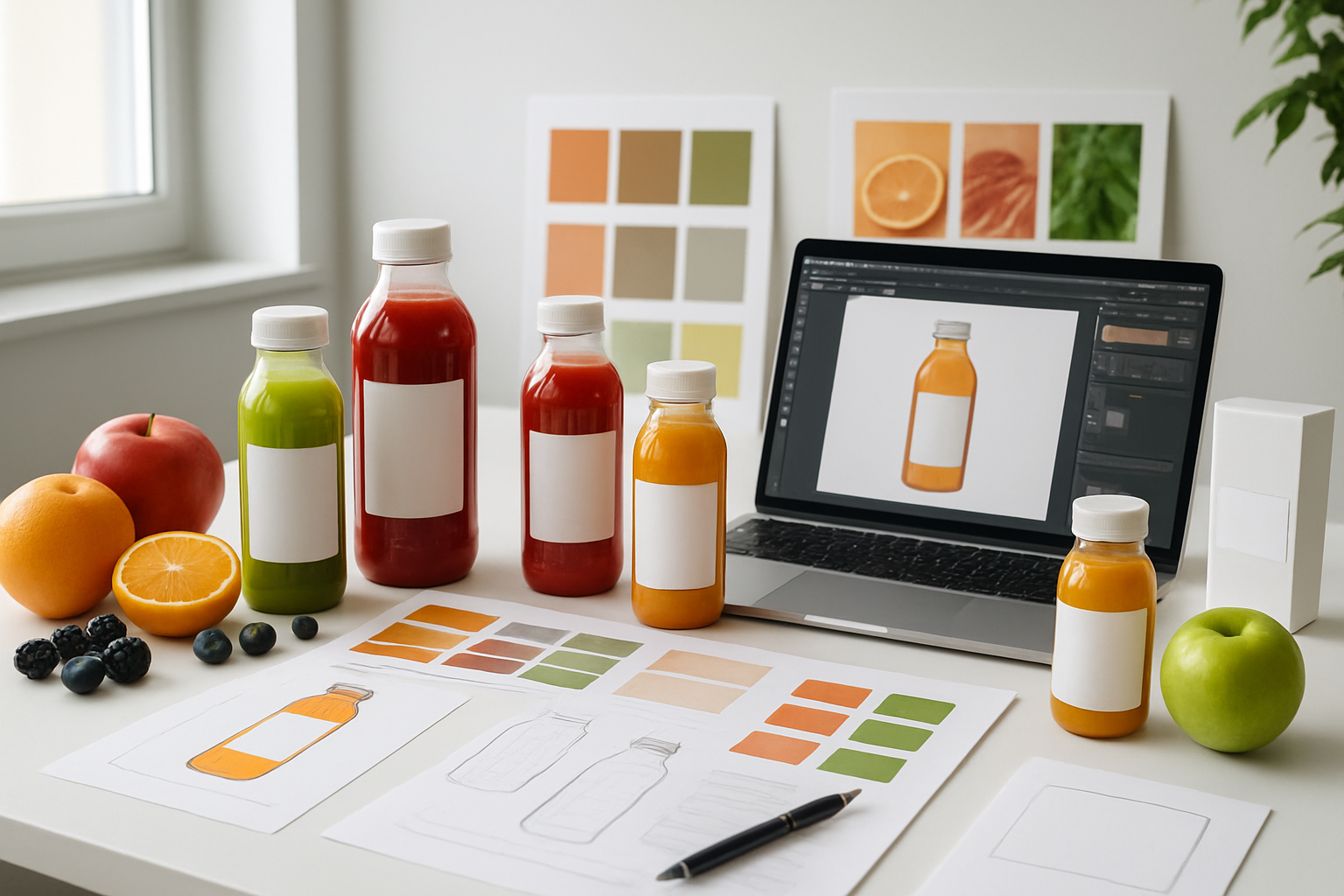
Create compelling brand name, logo, and packaging design
Your brand identity becomes the face of your fruit juice business plan and sets you apart from competitors. Start by brainstorming brand names that reflect your juice's personality - whether that's health-focused, premium, fun, or locally-sourced. Test potential names with friends, family, and potential customers to gauge reactions and memorability.
Your logo should work across multiple platforms, from bottle labels to social media profiles. Keep it simple enough to reproduce clearly at small sizes while making it distinctive enough to stand out on crowded store shelves. Consider hiring a professional designer or using design platforms like Canva for polished results.
Packaging design directly influences purchase decisions. Your bottles, caps, and labels must protect the product while creating shelf appeal. Glass bottles convey premium quality but cost more, while plastic offers affordability and safety. Choose packaging that aligns with your target market's preferences and your juice business startup budget.
Color psychology plays a huge role in packaging success. Orange suggests energy and vitamin C, green implies health and natural ingredients, while deep purples and reds can communicate antioxidant benefits. Your packaging should tell your brand story at first glance.
Formulate signature juice recipes and test with focus groups
Recipe development forms the heart of starting a juice company successfully. Begin with popular flavor combinations like apple-carrot-ginger or green blends with kale, spinach, and pineapple. Document every recipe with precise measurements, ingredient sources, and processing steps to ensure consistency.
Focus groups provide invaluable feedback before you commit to large-scale production. Recruit 8-12 people from your target demographic and have them taste-test different variations. Ask specific questions about flavor balance, sweetness levels, texture, and purchase intent. Record their responses and adjust recipes based on consistent feedback patterns.
Create a systematic approach to recipe testing:
-
Start with small batches (1-2 liters)
-
Test one variable at a time (sweetness, acidity, texture)
-
Keep detailed notes on ingredient ratios
-
Track costs for each recipe iteration
-
Test shelf stability and flavor changes over time
Consider seasonal variations of your core recipes. Summer might call for lighter, more refreshing blends, while winter could feature richer, spice-infused options. This strategy keeps your product line fresh and gives customers reasons to return.
Establish consistent quality standards and recipes
Consistency builds customer loyalty in the competitive beverage business plan landscape. Document every step of your production process, from ingredient selection to final packaging. Create standard operating procedures (SOPs) that any team member can follow to produce identical results.
Establish quality checkpoints throughout production:
-
Ingredient inspection upon delivery
-
pH and Brix (sugar content) testing during blending
-
Taste testing before bottling
-
Final product inspection before labeling
-
Regular equipment calibration schedules
Implement a batch tracking system to trace any quality issues back to specific ingredients or production dates. This becomes critical for commercial juice business operations and helps with recalls if needed. Use simple spreadsheets initially, but consider investing in specialized software as you scale.
Train all production staff on quality standards and testing procedures. Even small variations in processing can affect taste, color, and shelf life. Regular training sessions ensure everyone understands the importance of maintaining your established standards.
Design attractive labels that comply with regulations
Label design must balance marketing appeal with regulatory compliance for your fruit juice manufacturing business. The FDA requires specific information on beverage labels, including nutrition facts, ingredient lists, allergen warnings, and net weight statements. Research local and federal labeling requirements thoroughly before finalizing designs.
Work with a designer who understands food labeling regulations to avoid costly reprints. Your labels need clear, readable fonts for required information while maintaining visual appeal. Consider these essential elements:
| Required Information | Design Considerations |
|---|---|
| Product name | Most prominent text element |
| Net weight | Specific size requirements |
| Nutrition facts | Standardized format and size |
| Ingredient list | Listed by weight, descending order |
| Allergen warnings | Must be clearly visible |
| Manufacturer info | Company name and address |
High-quality label materials resist moisture and maintain appearance throughout the product's shelf life. Waterproof options cost more but prevent smudging and peeling in refrigerated environments. Test different materials with your bottles to ensure proper adhesion and appearance.
Consider sustainable labeling options as environmentally conscious consumers increasingly prefer eco-friendly packaging. Recycled paper labels or biodegradable materials can become selling points that differentiate your juice business startup from conventional competitors.
Build Your Sales Channels and Distribution Network
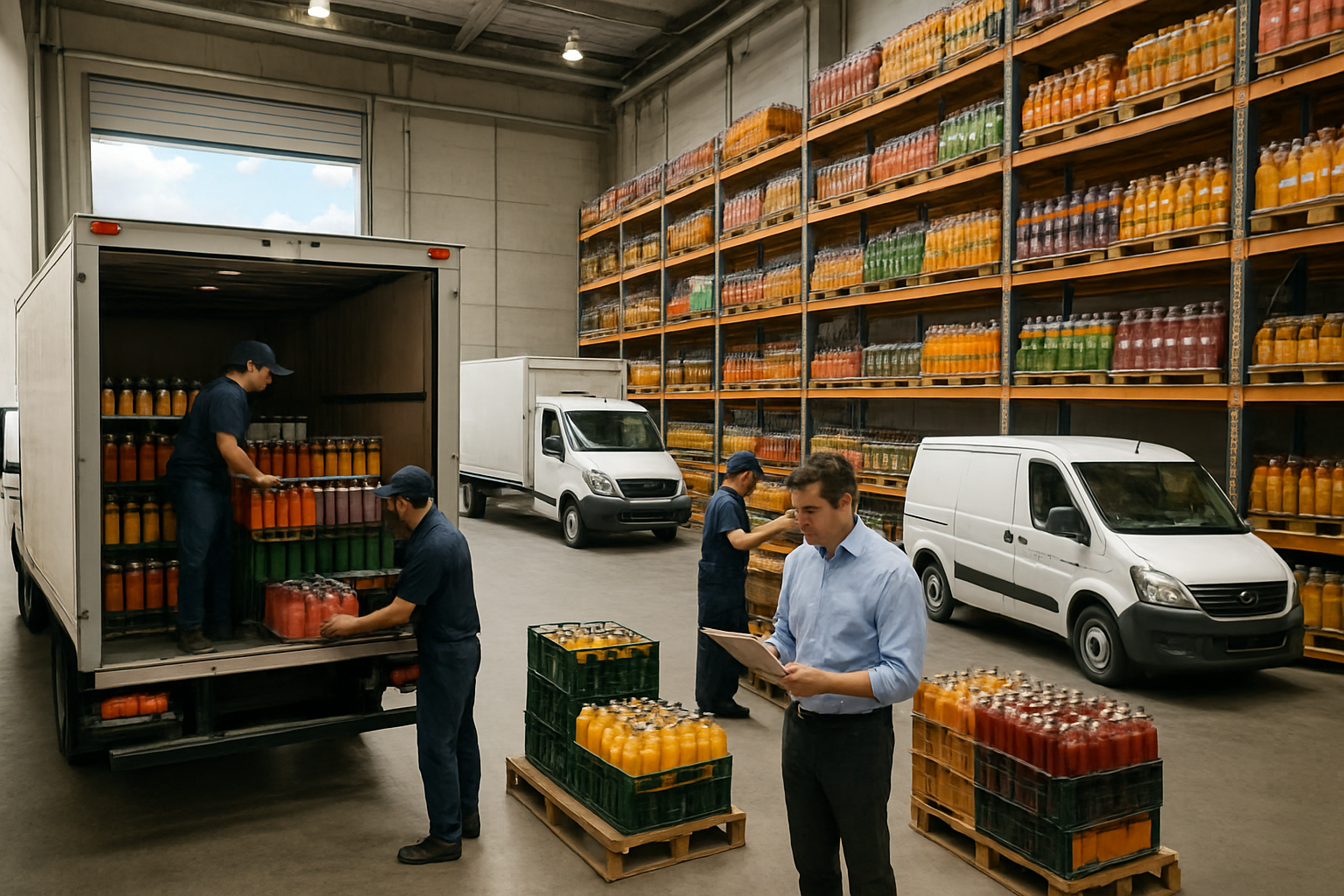
Secure partnerships with local retailers and cafes
Building relationships with local retailers and cafes creates a steady revenue stream for your fruit juice business startup. Start by identifying potential partners who align with your brand values and target customer base. Health food stores, organic markets, specialty grocery chains, and trendy cafes often welcome locally-produced, fresh juice options.
Create a compelling sales pitch that highlights your unique selling points - whether that's locally-sourced ingredients, cold-pressed methods, or innovative flavor combinations. Prepare professional product samples, pricing sheets, and marketing materials that demonstrate the quality and professionalism of your juice production business.
Consider offering exclusive flavors or seasonal varieties to specific retailers to make the partnership more attractive. Many store owners appreciate having products their competitors don't carry. Negotiate terms that work for both parties, including delivery schedules, payment terms, and promotional support.
Build these relationships gradually. Start with one or two locations, prove your reliability with consistent quality and on-time deliveries, then use those success stories to approach additional retailers. Word-of-mouth recommendations from satisfied retail partners carry significant weight in the local business community.
Set up direct-to-consumer sales through farmers markets
Farmers markets offer an excellent testing ground for your juice business plan while building direct customer relationships. The low overhead costs make this channel perfect for new juice companies looking to generate immediate cash flow and gather customer feedback.
Research local farmers markets and understand their vendor requirements, fees, and customer demographics. Most markets require proof of insurance, health department permits, and sometimes a brief application process. Choose markets that attract health-conscious consumers who appreciate fresh, local products.
Design an eye-catching booth setup that reflects your brand identity. Invest in professional signage, attractive product displays, and proper refrigeration equipment to maintain juice quality. Offer samples generously - taste is your strongest selling tool. Fresh fruit juice samples often convert browsers into buyers instantly.
Track customer preferences and seasonal trends through direct sales data. This information becomes invaluable for planning production schedules and developing new flavors. Many successful juice entrepreneurs use farmers market feedback to refine their commercial juice business before scaling to larger distribution channels.
Develop online ordering and delivery systems
Digital sales channels expand your market reach beyond geographical limitations. A well-designed online platform allows customers to order fresh juices for pickup or delivery, creating convenience that busy consumers value highly.
Start with a simple e-commerce website featuring clear product photos, ingredient lists, and nutritional information. Many juice business startup guides recommend platforms like Shopify or WooCommerce for their user-friendly interfaces and built-in payment processing. Include subscription options for regular customers who want weekly or monthly juice deliveries.
Partner with local delivery services or develop your own delivery network for nearby areas. Same-day or next-day delivery works best for fresh juices with limited shelf life. Consider offering delivery windows that accommodate customer schedules, such as early morning deliveries for those who want fresh juice with breakfast.
Implement inventory management systems that sync with your online orders to prevent overselling products with short shelf lives. Real-time inventory tracking becomes crucial as your beverage business plan scales and you manage multiple sales channels simultaneously.
Create wholesale pricing structures for bulk buyers
Wholesale relationships with restaurants, office buildings, gyms, and corporate cafeterias can provide significant volume sales for your fruit juice manufacturing business. Develop tiered pricing structures that incentivize larger orders while maintaining healthy profit margins.
Calculate your cost per unit including ingredients, labor, packaging, and overhead expenses. Standard wholesale markup typically ranges from 50-100% above cost, depending on your market positioning and competition. Create volume discounts that encourage larger orders - for example, 10% off orders over 50 units, 15% off orders over 100 units.
Design professional wholesale catalogs showcasing your product line, minimum order quantities, delivery schedules, and payment terms. Include case studies or testimonials from existing wholesale customers to build credibility with potential buyers.
Establish clear wholesale policies covering order minimums, delivery frequency, payment terms (typically net 30 days), and return policies for unsold products approaching expiration dates. These policies protect your business while providing clarity for wholesale partners planning their inventory needs.
Launch Your Marketing Strategy and Customer Acquisition
Build Social Media Presence Showcasing Fresh, Healthy Products
Creating a strong social media presence is crucial when you start a fruit juice business. Your online presence becomes your digital storefront, showcasing the vibrant colors and fresh appeal of your products to potential customers. Instagram and TikTok work exceptionally well for juice businesses because they're visual platforms where you can display your colorful products effectively.
Post high-quality photos and videos of your juice-making process, from washing fresh fruits to the final bottled product. Show behind-the-scenes content of your production facility to build trust and transparency. Customer testimonials and user-generated content perform well, especially when customers share photos of themselves enjoying your juices.
Create engaging content that educates your audience about the health benefits of different fruits and juice combinations. Share recipes, nutrition tips, and seasonal fruit information to position yourself as an expert in the healthy beverage space. Use relevant hashtags like #freshjuice, #healthylifestyle, and location-based tags to reach local customers.
Consistency matters more than perfection. Post regularly and engage with your followers by responding to comments and messages promptly. Partner with local fitness influencers, nutritionists, or health-focused accounts to expand your reach and credibility.
Implement Local Advertising and Community Outreach Programs
Local advertising drives immediate sales for your juice business startup. Start with Google My Business optimization to appear in local search results when people look for fresh juice options in your area. This free tool helps potential customers find your location, hours, and contact information easily.
Print advertising still works well for local businesses. Consider placing ads in community newspapers, local magazines, and health-focused publications. Sponsor local events like farmers markets, health fairs, or fitness events where your target audience gathers naturally.
Community outreach builds lasting relationships that drive word-of-mouth marketing. Partner with local gyms, yoga studios, and wellness centers to offer samples or create cross-promotional opportunities. Many gym owners welcome partnerships with healthy beverage companies because it adds value for their members.
School partnerships can generate consistent sales if you offer healthy juice options that meet nutritional guidelines. Approach local schools about providing juices for their cafeterias or vending machines. Office buildings and corporate wellness programs also present excellent opportunities for regular bulk orders.
Host juice-tasting events at your location or community venues. These events let people experience your product quality firsthand while building personal connections with potential customers. Offer educational components about nutrition and healthy living to add value beyond just selling juice.
Offer Promotional Deals and Loyalty Programs for Repeat Customers
Smart promotional strategies help convert first-time buyers into regular customers. Start with grand opening specials like "buy one, get one 50% off" or free samples during your first month. New customer discounts encourage people to try your products without significant financial commitment.
Loyalty programs work exceptionally well for juice businesses because customers often purchase beverages regularly. Create a simple punch card system where customers earn a free juice after purchasing a certain number. Digital loyalty apps provide more sophisticated tracking and can send automated reminders to customers.
Subscription models generate predictable revenue while offering convenience to customers. Offer weekly or monthly juice packages at discounted rates compared to individual purchases. Include variety packs so customers can try different flavors without committing to large quantities of single flavors.
Seasonal promotions keep your marketing fresh and relevant. Summer detox packages, back-to-school energy blends, or holiday gift sets create urgency and seasonal appeal. Bundle complementary products like healthy snacks with juice purchases to increase average order value.
Partner with other local businesses for cross-promotional deals. Team up with salad shops, gyms, or wellness centers to offer combination deals. These partnerships expand your customer base while providing added value to customers of both businesses.
Track the performance of different promotional strategies to understand what resonates with your customer base. Some audiences respond better to percentage discounts, while others prefer buy-one-get-one deals or free add-ons. Use this data to refine your promotional calendar and maximize return on marketing investment.
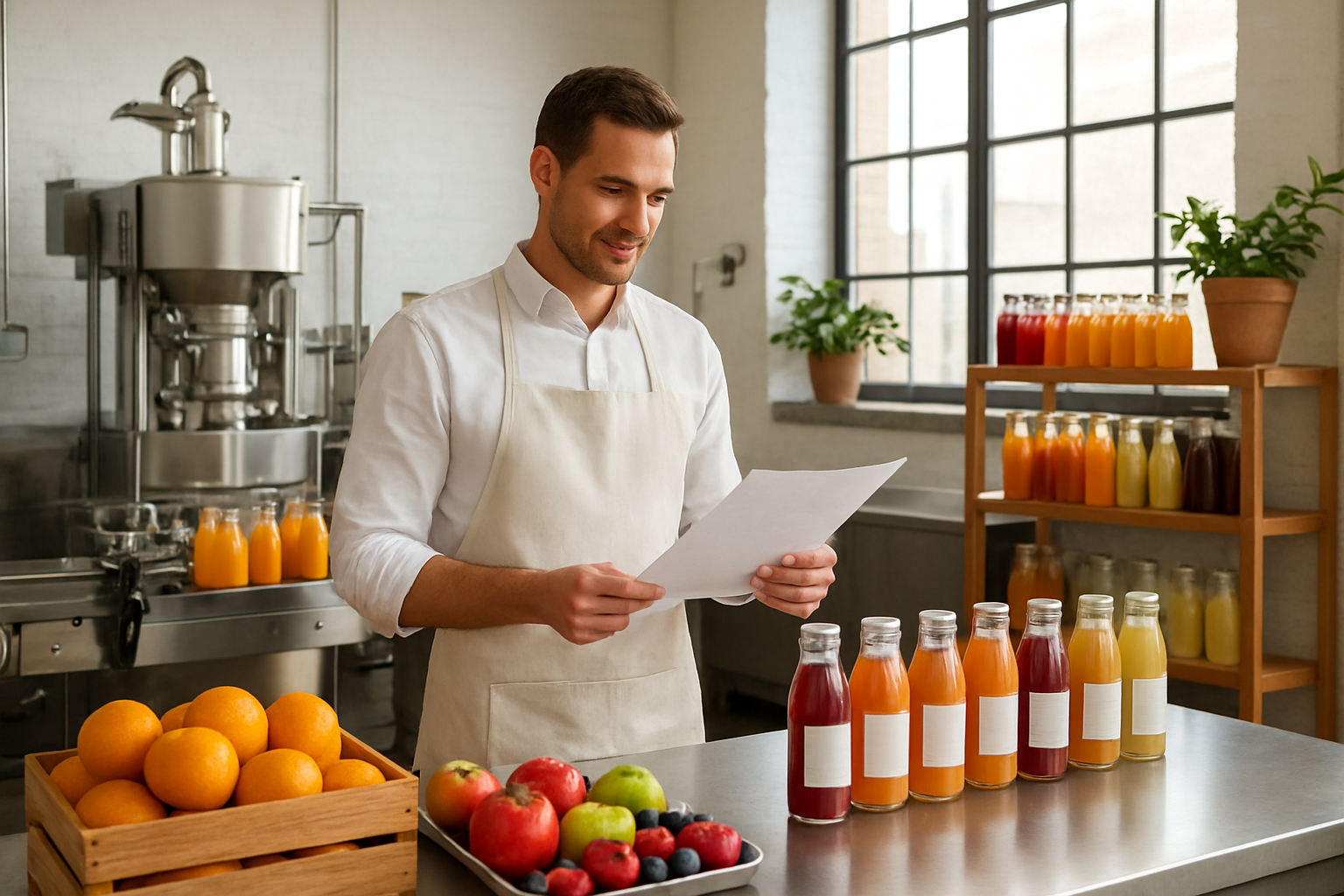
Starting a fruit juice business takes careful planning and attention to detail across multiple areas. From researching your target market to setting up production facilities, each step builds the foundation for long-term success. The key areas to focus on include understanding your customers, creating a solid business plan, handling legal requirements, finding reliable suppliers, and developing a strong brand that stands out in the crowded beverage market.
Success in the juice business comes down to quality products and smart marketing. Make sure you have the right permits, reliable suppliers, and equipment that can grow with your business. Don't underestimate the power of building relationships with distributors and customers early on. Start small, test your products with real customers, and be ready to adapt as you learn what works. With the right preparation and dedication, your fruit juice business can turn your passion for healthy beverages into a profitable venture.


.png)
Comments
Post a Comment