How to Store Fruits to Keep Them Fresh Longer
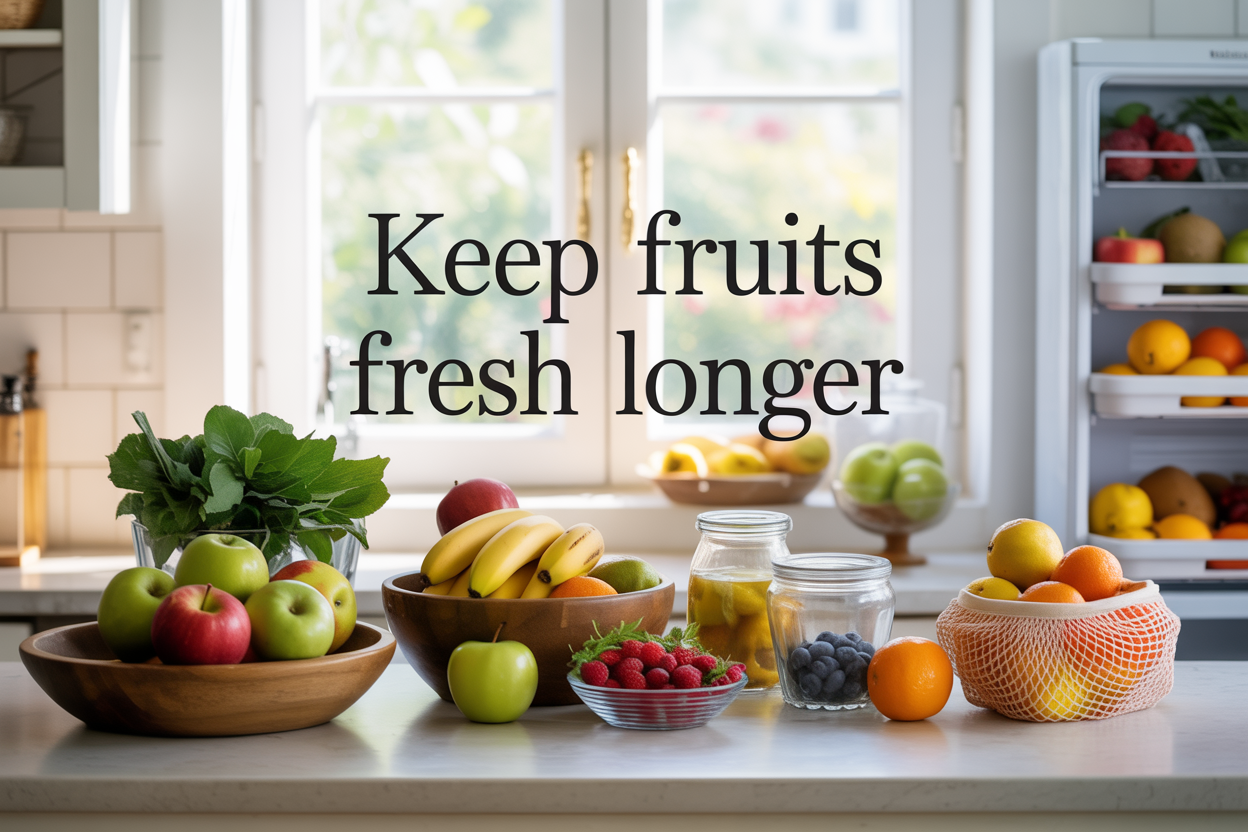
Fresh fruit spoiling too fast? You're not alone. Home cooks, busy families, and anyone wanting to cut grocery waste can learn how to store fruits properly and keep fruits fresh longer with the right techniques.
Most people toss fruit in the fridge or leave it on the counter without understanding what makes it rot quickly. Smart fruit storage isn't complicated once you know the basics of fruit ripening science and which fruits need different care.
This guide covers proven fruit storage tips that actually work. You'll discover how to control ethylene gas fruits produce that speeds up ripening, plus the best storage temperatures for each type of fruit. We'll also show you simple ways to manage humidity and air circulation so your produce stays fresh for weeks instead of days.
Understand the Science Behind Fruit Ripening and Spoilage
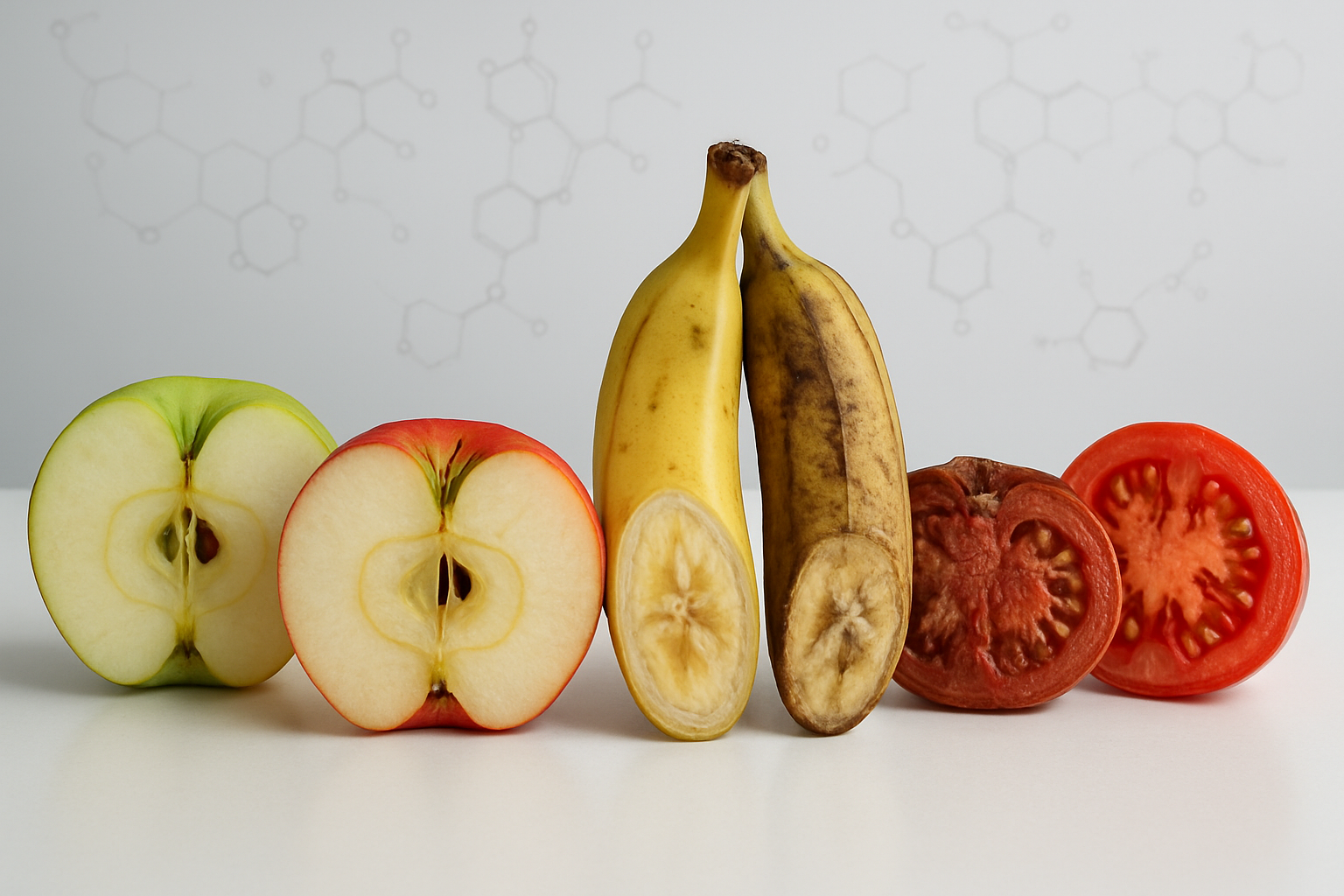
How ethylene gas accelerates fruit deterioration
Ethylene gas acts as nature's ripening hormone, and understanding its impact is crucial for proper fruit storage. This colorless, odorless gas triggers a cascade of chemical reactions that soften fruit texture, change color, and develop flavors. When fruits produce or are exposed to ethylene, enzymes break down cell walls, convert starches to sugars, and reduce chlorophyll levels.
The concentration of ethylene gas directly affects ripening speed. Even tiny amounts - as little as 0.1 parts per million - can dramatically accelerate the process. This explains why placing one overripe banana in a fruit bowl causes nearby fruits to ripen quickly. The gas accumulates in enclosed spaces, creating a ripening chamber effect that speeds deterioration.
Different fruits have varying sensitivity levels to ethylene. Bananas, apples, and tomatoes are heavy producers, while citrus fruits, grapes, and berries are highly sensitive to exposure. This sensitivity determines which fruits should be stored separately to maximize freshness.
The role of temperature in fruit preservation
Temperature controls the speed of enzymatic reactions responsible for fruit spoilage. For every 18°F increase in temperature, these reactions double in speed, cutting storage life in half. Cold storage slows down ripening processes, preserving texture, flavor, and nutritional value.
Most fruits benefit from specific temperature ranges:
-
Tropical fruits (bananas, pineapples, mangoes): 50-55°F
-
Stone fruits (peaches, plums, apricots): 32-35°F
-
Berries: 32-36°F
-
Citrus fruits: 45-50°F
-
Apples and pears: 30-32°F
Refrigeration significantly extends shelf life for most fruits. Strawberries last 1-2 days at room temperature but stay fresh for 5-7 days when properly refrigerated. However, some fruits suffer from chilling injury when stored too cold, developing brown spots, poor flavor, and inability to ripen properly.
Why moisture levels affect freshness
Fruits contain 80-95% water, making moisture control essential for maintaining quality. Water loss through transpiration causes wilting, shriveling, and weight loss. High humidity environments slow this moisture loss, while dry conditions accelerate dehydration.
The ideal humidity level for most fruit storage ranges between 85-95%. This high humidity maintains the pressure gradient that keeps water inside fruit cells. Refrigerator crisper drawers work by creating these humid microclimates through controlled ventilation.
Excess moisture creates problems too. Water droplets on fruit surfaces provide breeding grounds for bacteria and mold. Proper air circulation removes excess moisture while maintaining optimal humidity levels. Perforated storage bags allow moisture regulation without creating stagnant, overly humid conditions.
Understanding which fruits ripen after picking
Fruits fall into two categories: climacteric and non-climacteric. This distinction affects storage strategies and determines whether fruits continue improving after harvest.
Climacteric fruits continue ripening after picking because they produce ethylene gas and respond to it:
-
Bananas
-
Apples
-
Avocados
-
Tomatoes
-
Peaches
-
Pears
-
Melons
These fruits can be harvested slightly underripe and stored at room temperature to achieve perfect ripeness. They benefit from controlled ripening environments and strategic ethylene exposure.
Non-climacteric fruits stop developing sugars and flavors once picked:
-
Citrus fruits
-
Grapes
-
Berries
-
Cherries
-
Pineapples
These fruits should be selected at peak ripeness and immediately refrigerated to maintain quality. They won't improve in sweetness or flavor during storage, making proper selection at purchase critical for best results.
Master the Art of Proper Fruit Selection for Longevity
Choose fruits at the right ripeness stage
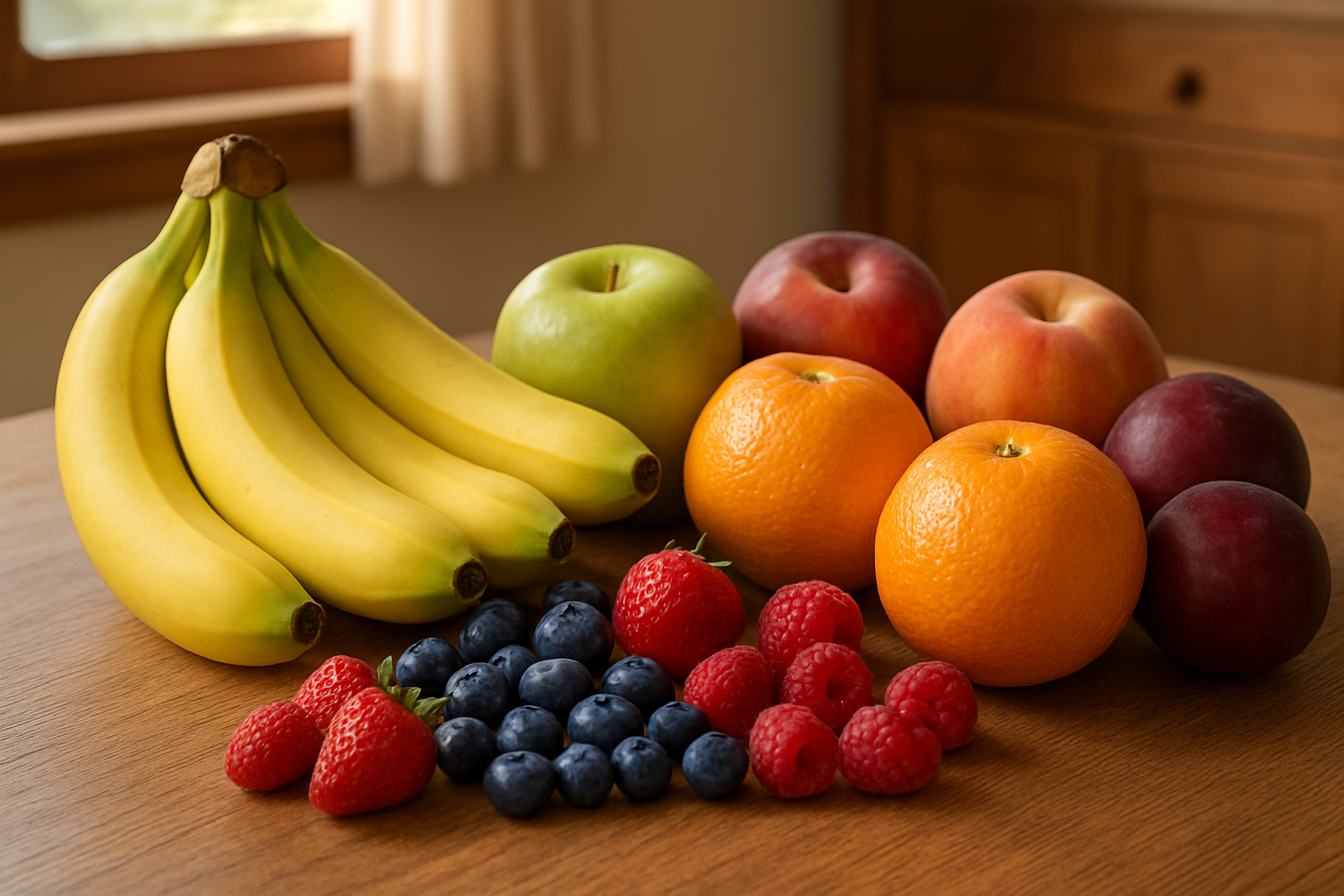
The secret to keeping fruits fresh longer starts at the grocery store or farmer's market. Different fruits need different ripeness levels when you bring them home, depending on how quickly you plan to eat them.
For immediate consumption, select fully ripe fruits that yield slightly to gentle pressure. Think perfectly ripe peaches with a sweet aroma or bananas with bright yellow skin and tiny brown spots. These fruits taste best right away but won't last long in storage.
If you're planning to eat fruits within a week, choose those that are nearly ripe but still firm. Avocados should feel solid with just a hint of give, while pears should be firm with minimal softness near the stem. These fruits will continue ripening at home, giving you the perfect eating window.
For the longest storage life, pick underripe fruits that feel quite firm. Green bananas, hard peaches, and firm plums will gradually ripen over several days or even weeks when stored properly. This approach works especially well for seasonal fruits you want to enjoy over time.
Stone fruits like peaches and plums should have good color development even when firm. Citrus fruits can be quite firm since they don't continue ripening after harvest. Berries should look plump and vibrant but avoid overly soft ones that won't survive the trip home.
Inspect for bruises and damage before purchasing
Every bruise, cut, or soft spot on a fruit becomes a gateway for bacteria and mold. These damaged areas spread quickly, turning a minor blemish into complete spoilage within days. Learning to spot problem areas saves money and extends your fruit's lifespan significantly.
Check the entire surface of each fruit, rotating it in your hands. Look for dark spots, wrinkled skin, or areas that feel mushy compared to the rest of the fruit. Small bruises might seem harmless, but they create weak points where decay starts and spreads rapidly.
Pay special attention to areas where fruits touch each other in containers. Berries packed tightly often develop soft spots where they press together. Examine the bottom layer carefully since damaged fruits often sink to the bottom of containers.
For citrus fruits, avoid any with soft spots or white, fuzzy patches that indicate mold. The skin should feel firm and taut. For stone fruits, gentle pressure testing helps identify internal bruising that might not be visible on the surface.
Don't ignore minor scratches on apple or pear skin. While they might not affect immediate eating quality, these breaks in the skin allow moisture loss and bacterial entry during storage. Choose fruits with smooth, intact skin whenever possible for maximum storage life.
Select fruits with intact stems and skin
The natural protective barriers that fruits develop serve as your first line of defense against spoilage. Intact skin and properly attached stems create a sealed system that keeps moisture in and harmful bacteria out.
Stem areas deserve special attention because they're natural entry points for decay. Grapes should have fresh-looking, green stems that aren't dried out or moldy. Cherries with stems attached last significantly longer than those without. The stem acts like a natural cork, sealing the fruit and preventing moisture loss.
For apples and pears, check that the stem area looks clean and dry. Any dark or wet spots around the stem indicate the beginning of rot. The skin should appear waxy and smooth without cracks or punctures.
Berry selection requires examining the attachment points where they connect to stems. Strawberries should have bright green tops that aren't wilted or slimy. Blackberries and raspberries should release easily from their containers without leaving behind pieces of fruit.
Citrus fruits benefit from intact button ends where they attached to the tree. These small, circular areas should be dry and flush with the fruit's surface. Any gaps or raised areas can allow air and moisture to penetrate the fruit's protective skin.
When skin integrity matters most, choose fruits that feel substantial for their size. This indicates good moisture content and structural soundness that will support longer storage periods.
Optimize Storage Temperatures for Different Fruit Types
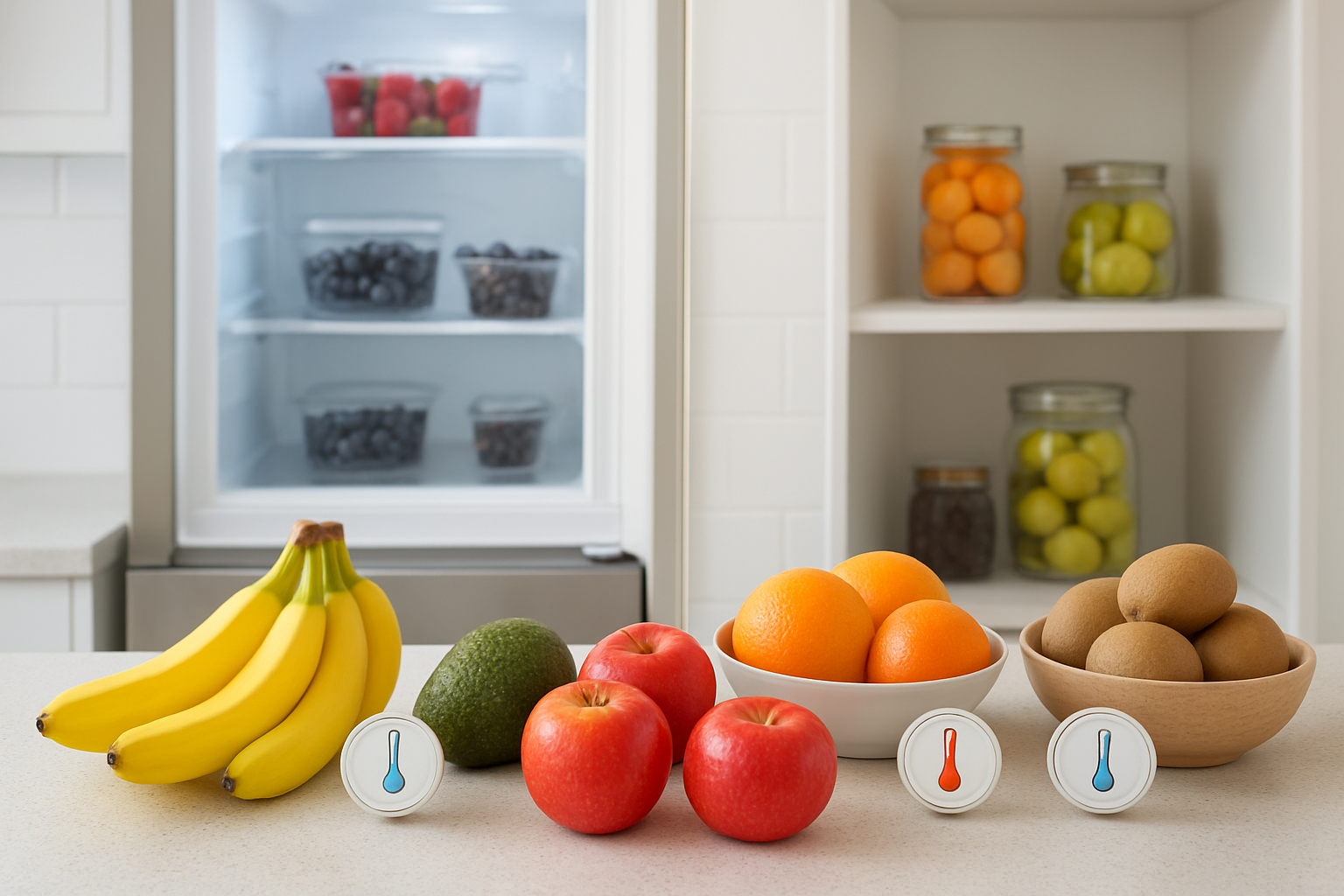
Keep tropical fruits at room temperature
Tropical fruits like bananas, mangoes, pineapples, and avocados perform best when stored at room temperature between 60-70°F (15-21°C). These fruits are cold-sensitive and can suffer from chilling injury when exposed to temperatures below 55°F (13°C). When you refrigerate tropical fruits prematurely, their cell walls break down, leading to brown spots, mushy textures, and off-flavors.
Bananas are perfect examples of temperature-sensitive fruits. Store them on your counter away from direct sunlight, and they'll continue ripening naturally. Once they reach your desired ripeness, you can move them to the refrigerator to slow down the process, though the skin may darken. Mangoes and papayas should remain at room temperature until they yield slightly to gentle pressure, indicating peak ripeness.
Refrigerate stone fruits and berries immediately
Stone fruits like peaches, plums, nectarines, and cherries require immediate refrigeration to maintain their quality and extend shelf life. These fruits are highly perishable and lose moisture quickly at room temperature. Store them in your refrigerator's crisper drawer at temperatures between 32-35°F (0-2°C).
Berries are even more delicate and should go straight into the refrigerator without washing. Strawberries, blueberries, raspberries, and blackberries can spoil within hours at room temperature due to their high moisture content and thin skins. Place them in shallow containers to prevent crushing, and only wash them right before eating to prevent premature decay.
For optimal results with stone fruits, arrange them in single layers to prevent bruising and check daily for any signs of overripeness.
Store apples and citrus fruits in cool conditions
Apples and citrus fruits are remarkably hardy and can tolerate a range of storage conditions, but they perform best in cool environments. Apples should be stored in the refrigerator at 30-35°F (-1 to 2°C) with high humidity. The old saying "one bad apple spoils the bunch" holds true, so inspect your apples regularly and remove any damaged ones immediately.
Citrus fruits like oranges, lemons, limes, and grapefruits can stay fresh at room temperature for about a week, but refrigeration extends their life significantly. Store them in the refrigerator's main compartment rather than the crisper drawer, as they don't need as much humidity as other fruits.
Here's a quick reference for proper fruit storage temperatures:
| Fruit Type | Ideal Temperature | Storage Location |
|---|---|---|
| Tropical fruits | 60-70°F (15-21°C) | Counter/pantry |
| Stone fruits | 32-35°F (0-2°C) | Refrigerator crisper |
| Berries | 32-35°F (0-2°C) | Refrigerator shelf |
| Apples | 30-35°F (-1-2°C) | Refrigerator crisper |
| Citrus | 35-40°F (2-4°C) | Refrigerator shelf |
Maintain consistent temperature to prevent spoilage
Temperature fluctuations cause more damage to stored fruits than slightly imperfect storage conditions. When temperatures swing up and down, fruits experience stress that accelerates ripening and decay. Your refrigerator should maintain steady temperatures without frequent door openings that cause warm air to enter.
Avoid storing fruits near heat sources like stoves, direct sunlight, or heating vents. These areas create hot spots that can cause uneven ripening and premature spoilage. Similarly, don't place fruits in the coldest parts of your refrigerator, such as against the back wall, where they might freeze.
Monitor your storage areas with a simple thermometer to ensure consistency. Small temperature variations of 5-10 degrees can significantly impact how long your fruits stay fresh. When transporting fruits from the store, use insulated bags during hot weather to prevent temperature shock.
Consider your home's seasonal temperature changes too. During summer months, even room-temperature storage areas can become too warm, requiring you to refrigerate fruits you'd normally keep on the counter.
Control Humidity and Air Circulation Effectively
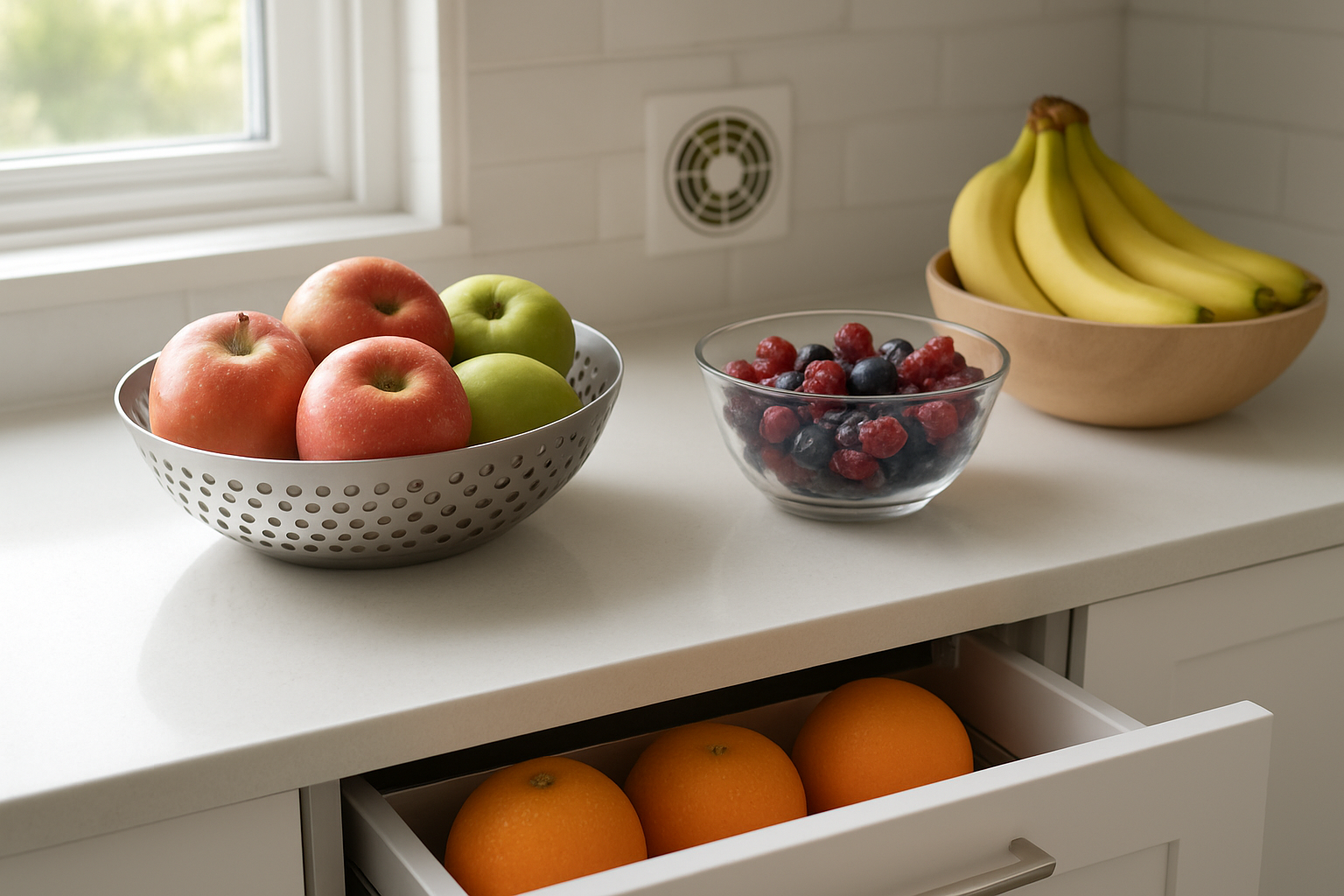
Use perforated bags for proper ventilation
Perforated plastic bags are your best friend when it comes to storing fruits that need some breathing room. These bags, with their tiny holes, create the perfect balance between protection and airflow. You can find them at most grocery stores, or simply poke small holes in regular plastic bags using a toothpick or skewer.
Most berries, grapes, and cherries benefit from this storage method. The holes allow excess moisture to escape while preventing the fruit from drying out completely. Place your fruits in these bags and store them in the refrigerator's crisper drawer. The key is spacing the holes about half an inch apart – too many holes and your fruit will dry out, too few and moisture will build up.
For delicate fruits like strawberries, line the perforated bag with a paper towel before adding the fruit. This extra layer absorbs any excess moisture that might cause spoilage. Replace the paper towel if it becomes too damp.
Maintain optimal humidity levels in storage areas
Different fruits have specific humidity needs, and understanding these requirements can dramatically extend their shelf life. Most fruits prefer humidity levels between 85-95%, which is why your refrigerator's crisper drawers are designed with humidity controls.
Set your crisper drawer to high humidity for leafy greens and most fruits. Apples, pears, and stone fruits thrive in these conditions. However, some fruits like citrus prefer slightly lower humidity around 80-85%. If your refrigerator has multiple crisper drawers, use one for high-humidity fruits and another for those requiring less moisture.
| Fruit Type | Ideal Humidity Level | Storage Location |
|---|---|---|
| Berries | 90-95% | High-humidity crisper |
| Citrus | 80-85% | Regular refrigerator shelf |
| Stone fruits | 85-90% | High-humidity crisper |
| Apples | 90-95% | High-humidity crisper |
Monitor humidity levels using a small hygrometer if you want to be precise. Place a shallow dish of water in low-humidity areas to increase moisture, or add silica gel packets to reduce excess humidity.
Avoid airtight containers that trap moisture
Sealed containers might seem like the logical choice for fruit storage, but they often do more harm than good. When fruits are completely sealed off from air circulation, they create their own humid microenvironment that becomes a breeding ground for mold and bacteria.
Airtight containers trap ethylene gas, which speeds up ripening and can cause premature spoilage. The moisture that naturally evaporates from fruits has nowhere to go, creating condensation that settles back onto the fruit surface. This excess moisture accelerates decay and creates perfect conditions for fungal growth.
Instead of sealed containers, choose storage options that allow some air exchange:
-
Mesh bags for onions and potatoes
-
Cardboard containers with ventilation holes
-
Shallow bowls covered with breathable cloth
-
Produce bags with micro-perforations
If you must use containers, leave the lid slightly ajar or choose ones with built-in ventilation systems. Glass containers with loose-fitting lids work better than plastic containers with tight seals. The goal is to protect your fruit while allowing natural moisture to escape and fresh air to circulate.
Separate Fruits Based on Ethylene Production
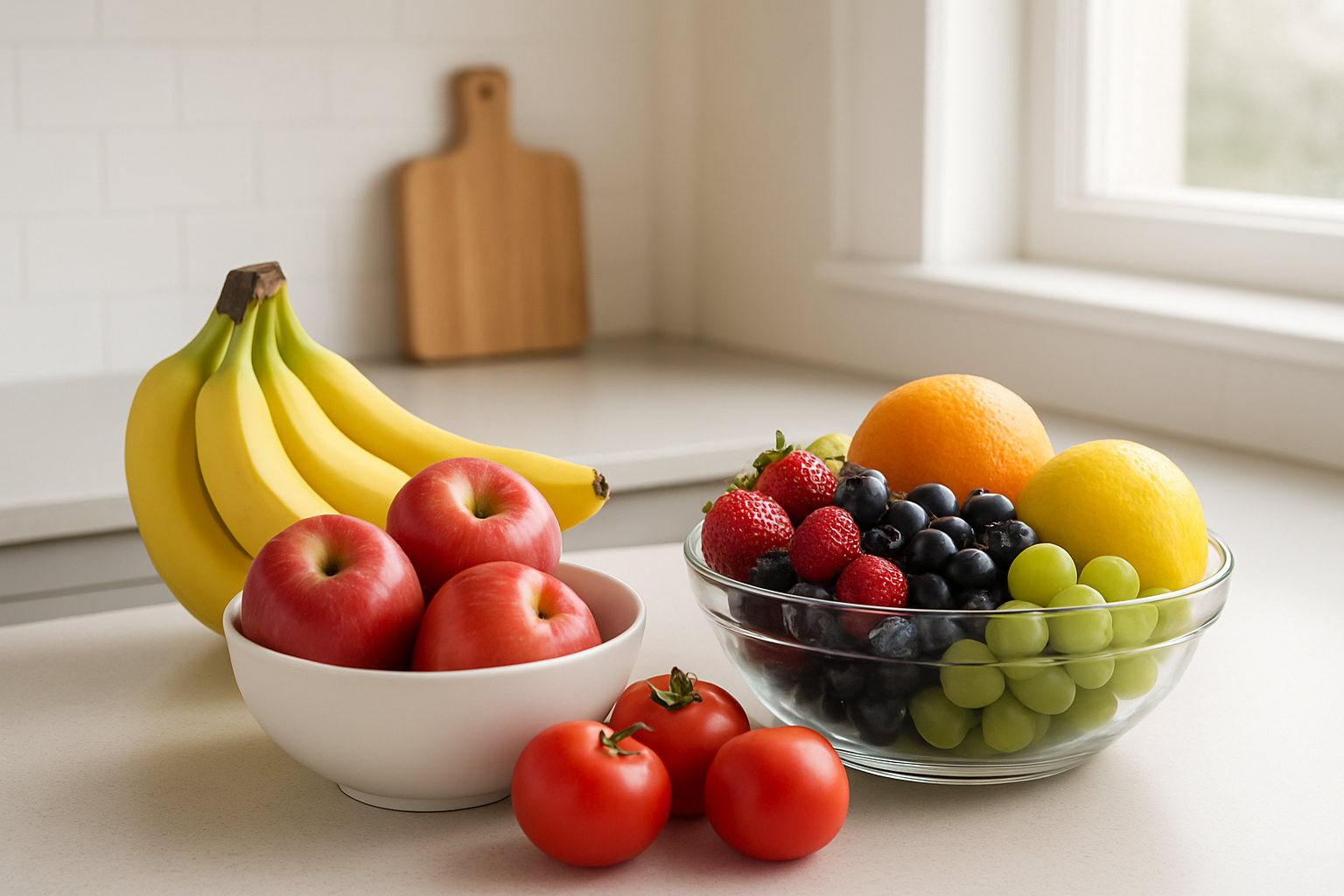
Isolate High Ethylene Producers Like Bananas and Apples
Bananas and apples are notorious for their high ethylene gas production, acting like natural ripening agents that can turn your fresh produce into overripe mush faster than you'd like. These fruits pump out ethylene continuously, creating an invisible cloud of ripening gas that affects everything nearby.
Store bananas separately from other fruits, ideally in a well-ventilated area or even hanging on a banana hook to prevent bruising. If your bananas are ripening too quickly, you can slow the process by separating each banana from the bunch and storing them in different locations. For apples, keep them in the refrigerator's crisper drawer in a perforated plastic bag, away from other produce.
Other high ethylene producers include tomatoes, melons, avocados, and stone fruits like peaches and plums. These fruits should be stored in designated areas where their gas production won't accelerate the ripening of nearby produce. Creating a "ripening station" in your kitchen for these fruits helps you maintain better control over your entire fruit collection.
Keep Ethylene-Sensitive Fruits Away from Producers
Certain fruits are extremely sensitive to ethylene gas and will deteriorate rapidly when exposed to even small amounts. Leafy greens, berries, citrus fruits, and grapes fall into this category and require protection from ethylene-producing neighbors.
Store ethylene-sensitive fruits in separate refrigerator compartments or at least maintain physical distance between producers and sensitive varieties. Berries should go directly into the refrigerator in their original containers, while citrus fruits can be stored in the main refrigerator compartment but away from apples or other producers.
Creating zones in your refrigerator and pantry helps prevent cross-contamination. Use the top shelf for ethylene-sensitive items and lower shelves for producers, taking advantage of the fact that ethylene gas rises. This simple organizational strategy can extend the freshness of your sensitive fruits by several days.
Use Ethylene-Absorbing Products When Necessary
Commercial ethylene absorbers provide an extra layer of protection for your fruit storage system. These products contain potassium permanganate or other compounds that actively absorb ethylene gas from the surrounding air, creating a more controlled environment for your produce.
Place ethylene-absorbing sachets in your refrigerator's crisper drawers, especially if you must store high producers and sensitive fruits in the same general area. These products are particularly useful in smaller refrigerators where complete separation isn't possible. Replace the sachets according to manufacturer instructions, typically every 2-3 months.
For serious fruit enthusiasts, investing in produce storage containers with built-in ethylene absorption can make a significant difference in keeping fruits fresh longer. These containers work especially well for expensive or delicate fruits where extended freshness translates to real savings.
Store Mixed Fruit Arrangements Strategically
Mixed fruit bowls and arrangements require special consideration since they combine ethylene producers and sensitive fruits in close proximity. The key is understanding which combinations work and which spell disaster for your fruit's longevity.
Citrus fruits make excellent centerpieces for mixed arrangements because they're relatively resistant to ethylene and don't produce significant amounts themselves. Pair oranges, lemons, and limes with other low-ethylene fruits like grapes or berries for attractive displays that won't compromise freshness.
If you want to include apples or bananas in your arrangement, consume the entire display within 1-2 days or remove the high producers after the first day. For longer-lasting displays, stick to ethylene-neutral fruits or use artificial alternatives for high-producing fruits while keeping the real versions stored properly elsewhere.
Consider the timing of your fruit purchases when planning mixed arrangements. Buy ethylene-sensitive fruits first and add producers closer to when you plan to consume everything, ensuring maximum freshness for your fruit storage efforts.
Apply Special Storage Techniques for Extended Freshness
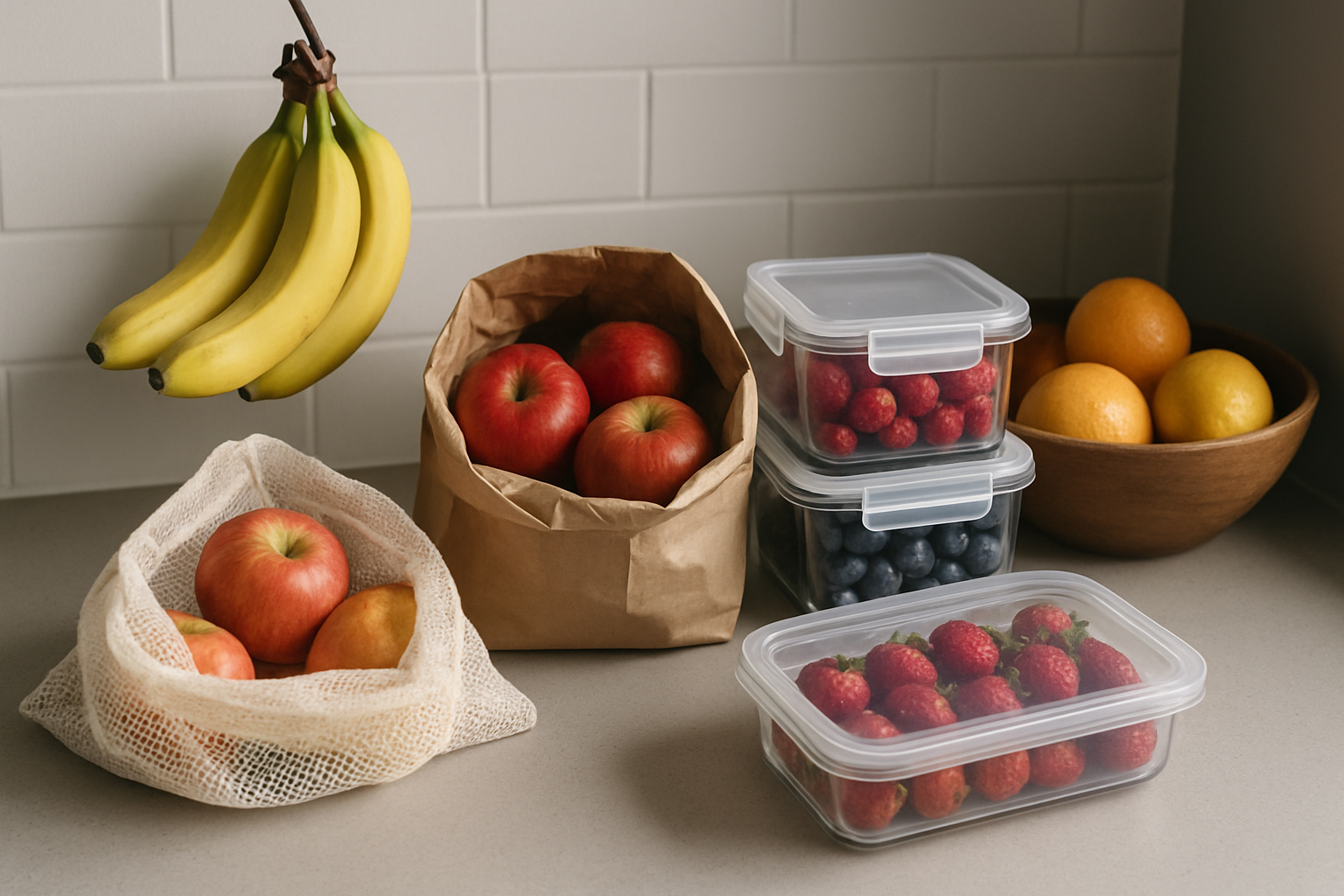
Wrap Individual Fruits to Prevent Bruising
Wrapping individual fruits creates a protective barrier that significantly extends their lifespan. Paper towels work wonderfully for delicate fruits like peaches, plums, and pears. The soft padding prevents bruising during storage while allowing the fruit to breathe naturally. For apples, consider wrapping each one in tissue paper or newspaper, which helps maintain moisture levels without creating excess humidity that leads to rot.
Plastic wrapping should be used sparingly and only for specific situations. Wrap citrus fruits in perforated plastic bags to maintain humidity while preventing moisture buildup. This technique is particularly effective for oranges and lemons that tend to dry out quickly in refrigerator conditions.
Store Cut Fruits Properly to Maintain Quality
Cut fruits require immediate attention to prevent oxidation and bacterial growth. Place sliced apples, pears, and bananas in airtight containers with a light coating of lemon juice to prevent browning. The citric acid acts as a natural preservative while maintaining the fruit's original flavor.
For berries and stone fruits, use shallow containers to avoid crushing the bottom layers. Line containers with paper towels to absorb excess moisture, which is the primary culprit behind rapid spoilage. Change these paper towels every few days to maintain optimal storage conditions.
Vacuum-sealed bags work exceptionally well for cut melons and pineapples. Remove as much air as possible before sealing to slow down the oxidation process. Store these sealed portions in the refrigerator's crisper drawer for maximum freshness.
Use Newspaper Wrapping for Certain Fruit Types
Newspaper wrapping is an old-school technique that remains highly effective for specific fruits. Wrap green tomatoes individually in newspaper to slow their ripening process, allowing you to enjoy fresh tomatoes over several weeks. The paper absorbs excess moisture while creating a controlled environment for gradual ripening.
Root vegetables like potatoes and onions benefit from newspaper storage in dark, cool places. The paper prevents exposure to light, which can cause sprouting and bitter flavors. Wrap each item separately to prevent one spoiled piece from affecting the entire batch.
Bananas respond well to newspaper wrapping around their stems. This simple trick blocks ethylene gas from escaping through the stem area, significantly slowing the ripening process and keeping your bananas yellow longer.
Position Fruits Stem-Side Down When Applicable
Proper positioning makes a real difference in how long fruits stay fresh. Store apples, pears, and stone fruits stem-side down to prevent air from entering through the stem cavity. This natural opening is where bacteria and mold typically begin their invasion, so blocking this entry point extends storage life considerably.
Avocados should always be stored stem-side down, especially when they're nearly ripe. This position helps maintain the fruit's natural moisture levels and prevents the flesh from browning around the stem area. The same principle applies to mangoes and papayas.
For tomatoes, store them stem-side down at room temperature until they reach desired ripeness, then transfer to the refrigerator in the same position. This prevents the delicate skin around the stem from becoming the weak point where spoilage begins.
Rotate Stock Using First-In-First-Out Method
Smart rotation prevents waste and ensures you're always eating fruit at its peak quality. Label storage containers with purchase or harvest dates, making it easy to identify which fruits need attention first. This systematic approach works particularly well for bulk purchases and seasonal harvests.
Create a designated "eat first" area in your refrigerator for fruits approaching peak ripeness. Check this section daily and move items as needed. This visual reminder system prevents forgotten fruit from spoiling in the back of the crisper drawer.
When storing similar fruits, place newer purchases behind older ones. This natural rotation system works for both refrigerated and counter storage. Keep a mental or written inventory of your fruit supplies to make meal planning easier and reduce unnecessary waste.
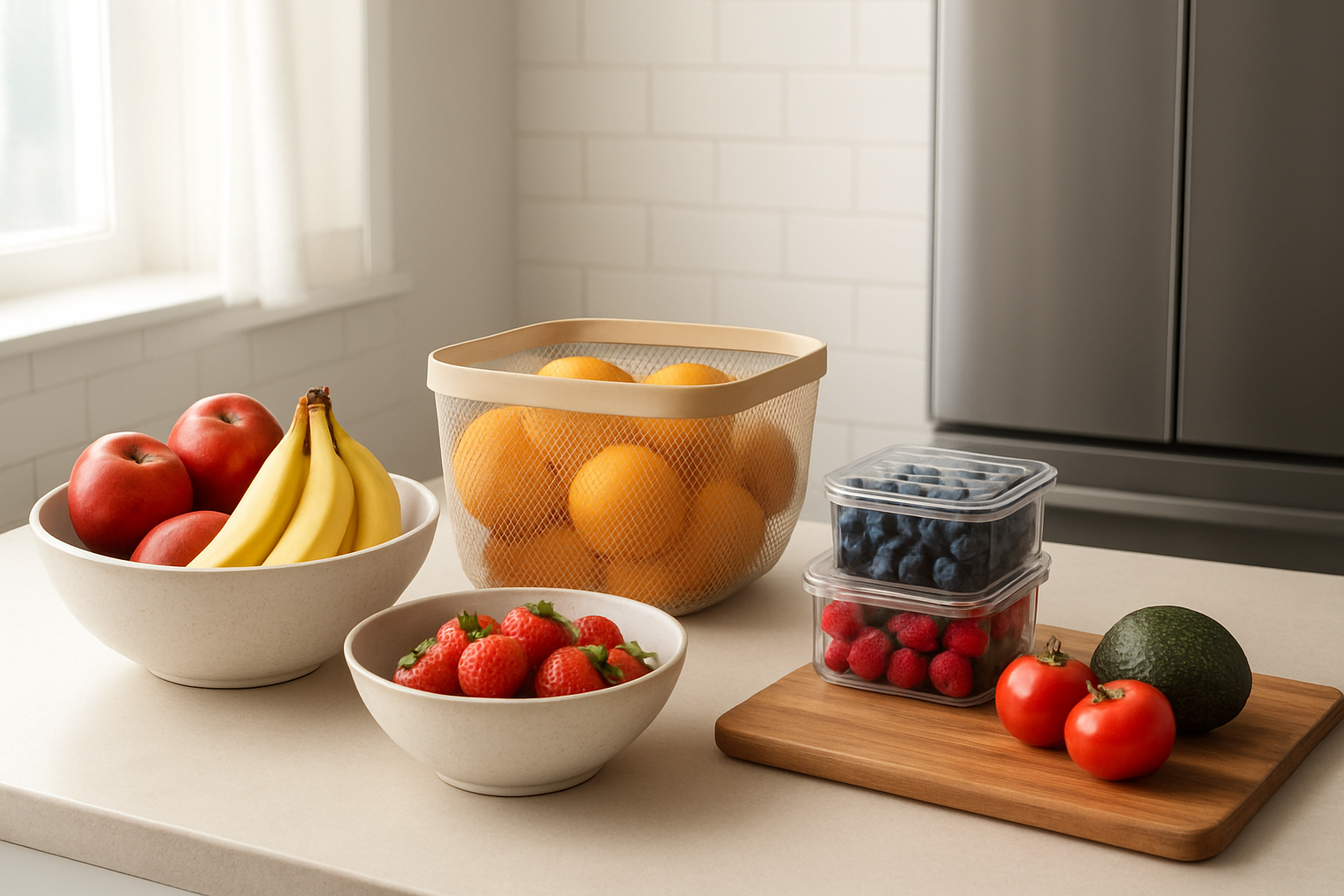
Keeping your fruits fresh starts with understanding how they ripen and choosing the right ones at the store. Pay attention to storage temperatures since different fruits have different needs - some love the cold while others prefer room temperature. Don't forget about humidity and air flow, and always separate your ethylene producers from the sensitive fruits to prevent early spoilage.
The real secret is combining all these techniques together. When you match the right temperature, humidity, and storage method to each type of fruit, you'll see a huge difference in how long they stay fresh. Start with just one or two techniques that seem easiest for your kitchen setup, then gradually add more as they become habits. Your wallet and your taste buds will thank you when you're throwing away less fruit and enjoying better flavors.


.png)
Comments
Post a Comment