How to Wash Fruits Properly to Remove Chemicals
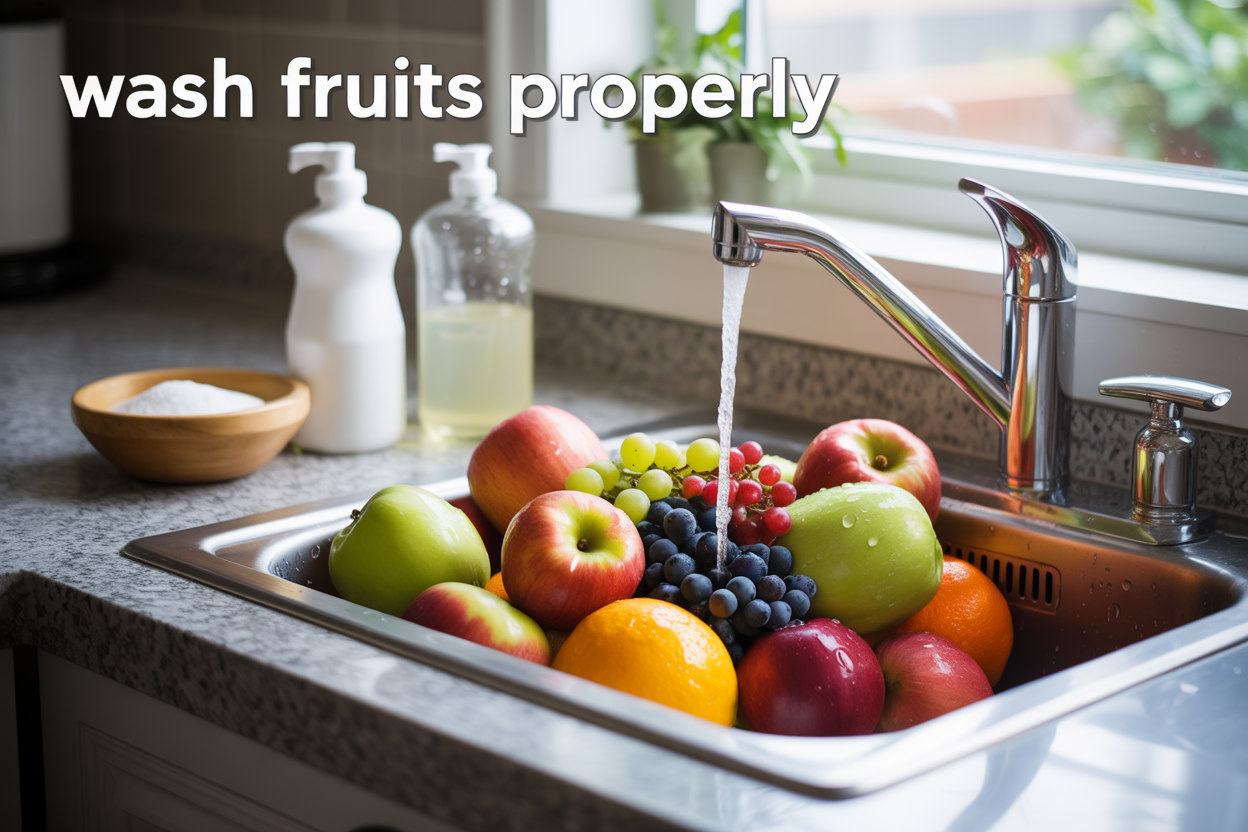
How to Wash Fruits Properly: Your Complete Guide to Chemical-Free Produce
Many fruits at the grocery store carry pesticide residue and chemical coatings that regular rinsing won't remove. This guide is for health-conscious families, parents feeding young children, and anyone wanting to know how to wash fruits properly to remove chemicals from their produce.
Learning safe fruit washing techniques protects your family from harmful pesticides while preserving the nutritional value of fresh fruits. You don't need expensive products or complicated methods to get clean fruits at home.
We'll walk through simple fruit cleaning methods using common household items, plus step-by-step washing techniques for different types of fruits. You'll also discover advanced methods to remove pesticide residue from heavily contaminated produce and learn proper storage tips to keep your freshly cleaned fruits safe and fresh longer.
Understanding Chemical Contamination on Fruits
Common pesticides and their health risks
Fruits carry various chemical residues from agricultural practices, with organophosphates being among the most commonly detected pesticides. These chemicals target the nervous systems of insects but can also affect human health when consumed regularly. Organochlorines, though banned in many countries, persist in soil and continue appearing on produce due to their long-lasting nature.
Carbamates represent another major category, working similarly to organophosphates by disrupting nerve function. Popular fungicides like thiabendazole and imazalil coat fruit surfaces to prevent mold during storage and transport. Neonicotinoids, while primarily targeting pollinators, also contaminate fruits and vegetables throughout the growing process.
Health risks from pesticide exposure include hormone disruption, neurological problems, and increased cancer risk with long-term consumption. Children face particular vulnerability since their developing bodies process these chemicals less effectively. Research links chronic exposure to attention disorders, reduced cognitive function, and developmental delays in young people.
How chemicals penetrate fruit surfaces
Chemical absorption varies significantly based on fruit characteristics and application methods. Waxy surfaces like apples and pears initially repel water-based pesticides, but systemic chemicals applied to soil get absorbed through roots and distributed throughout the plant, including the fruit flesh.
Soft-skinned fruits absorb chemicals more readily than thick-skinned varieties. Berries with their delicate surfaces allow deeper penetration, making surface washing less effective for complete removal. Citrus fruits typically contain higher concentrations in their peels, while the flesh remains relatively protected.
Timing of application affects penetration depth. Pre-harvest treatments applied close to picking remain largely on surfaces, while earlier applications during fruit development integrate more completely into plant tissues. Weather conditions also play a role - rain can wash away surface residues but simultaneously drives remaining chemicals deeper into fruit tissues.
Which fruits contain the highest chemical residues
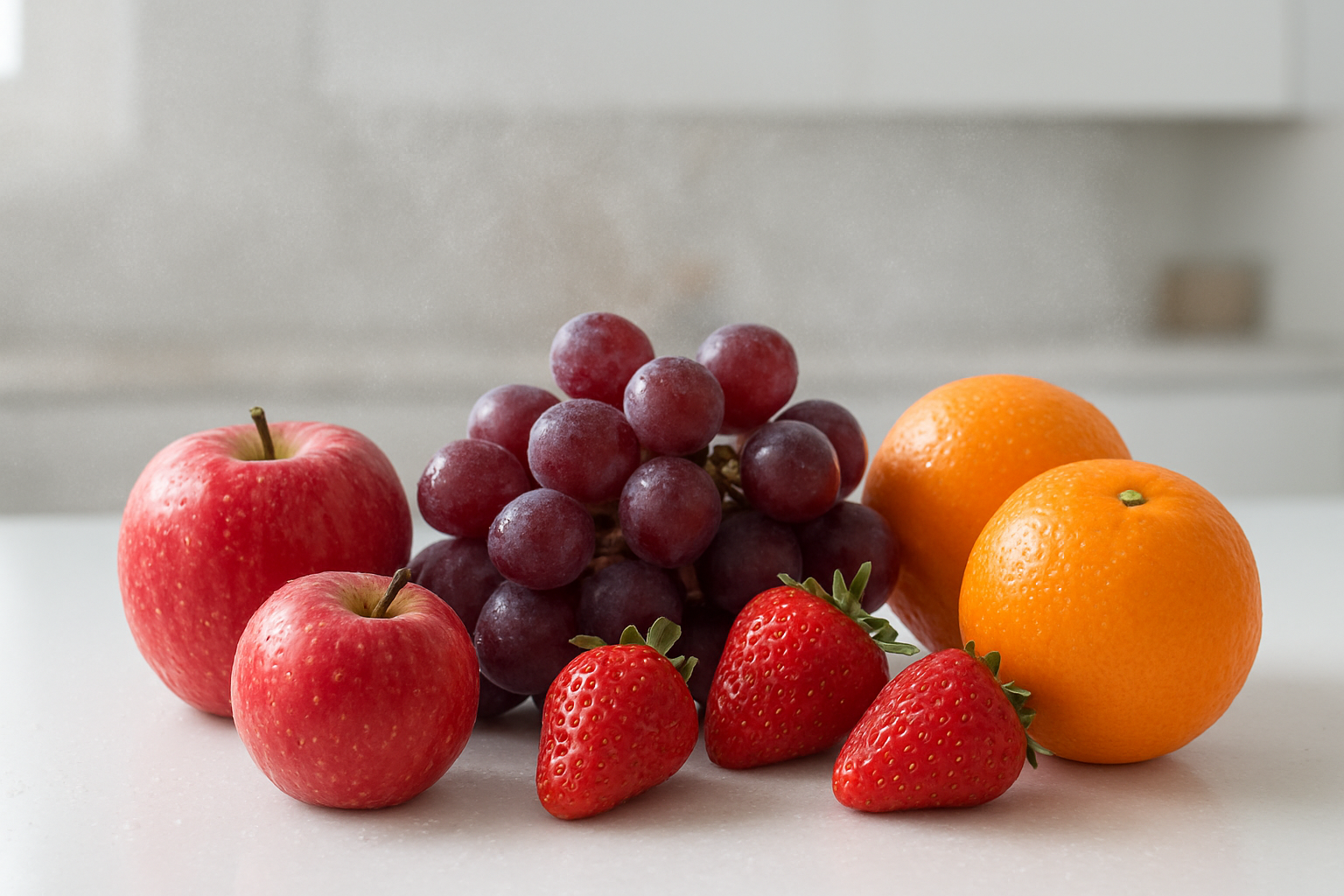
The Environmental Working Group's annual analysis consistently identifies the "Dirty Dozen" - fruits with the highest pesticide contamination levels. Strawberries top this list regularly, testing positive for multiple pesticide residues even after washing. Apples follow closely, with their waxy coating trapping numerous chemical compounds.
Grapes, particularly non-organic varieties, show concerning residue levels due to frequent fungicide applications needed in humid growing conditions. Peaches and nectarines rank high because their soft, fuzzy surfaces readily absorb and retain chemicals. Cherries also make the list, with small surface area concentrating residues.
| High-Residue Fruits | Typical Pesticide Count | Main Contamination Type |
|---|---|---|
| Strawberries | 8-10 different chemicals | Fungicides, Insecticides |
| Apples | 6-8 different chemicals | Growth regulators, Fungicides |
| Grapes | 5-7 different chemicals | Fungicides |
| Peaches | 4-6 different chemicals | Insecticides |
| Cherries | 3-5 different chemicals | Insecticides, Fungicides |
Imported fruits often contain higher residue levels than domestic produce due to different regulatory standards and longer transport times requiring additional preservatives. Learning how to wash fruits properly becomes especially important when consuming these high-residue varieties regularly.
Essential Tools and Ingredients for Effective Fruit Washing
Natural cleaning solutions that remove chemicals
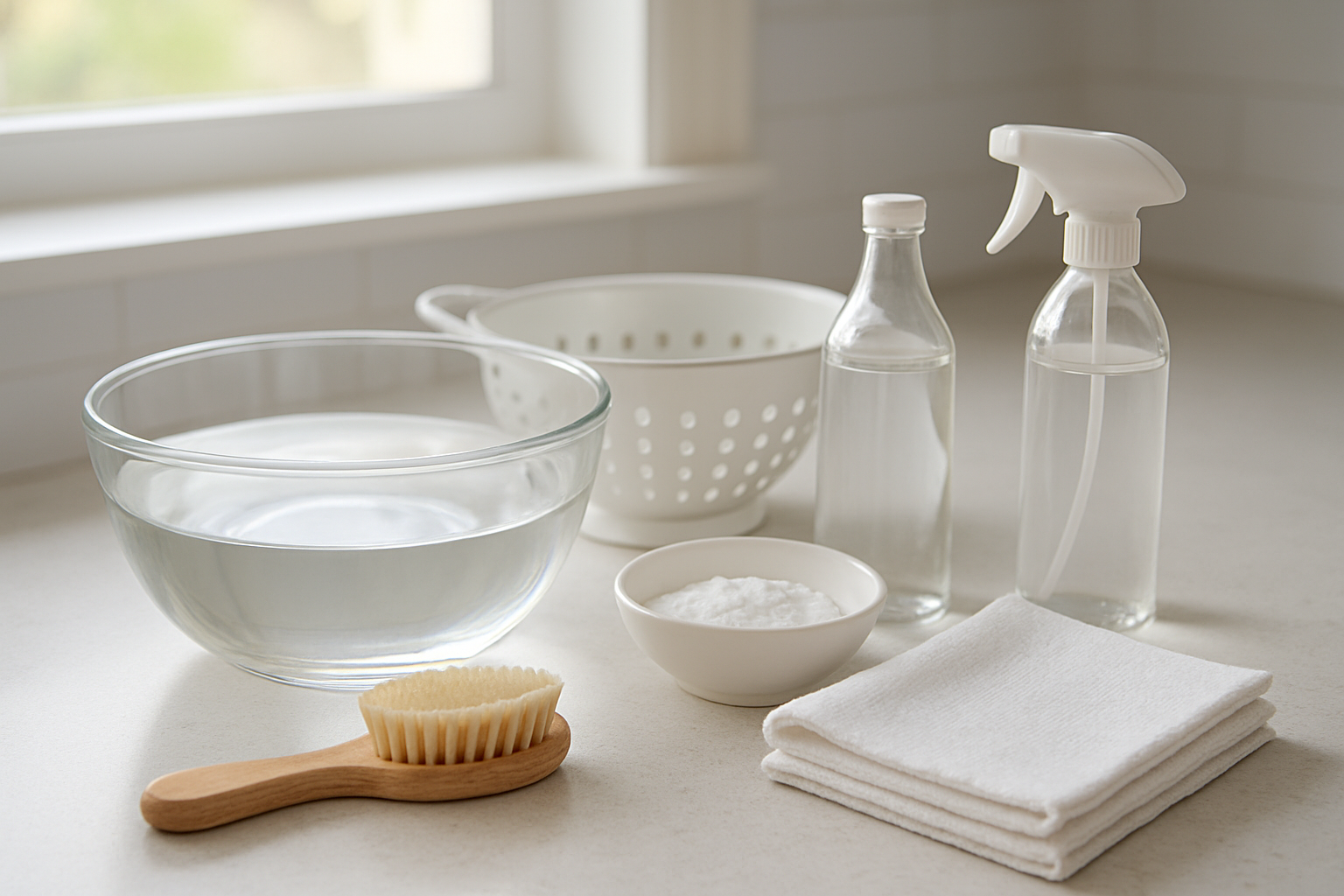
White vinegar stands as one of the most effective natural solutions for washing fruits at home. Mix one part white vinegar with three parts water to create a powerful cleaning solution that breaks down pesticide residues and chemical coatings. The acidity in vinegar helps dissolve waxy substances that trap contaminants on fruit surfaces.
Baking soda offers another excellent option for safe fruit washing. Create a paste with water or dissolve two tablespoons in a large bowl of water. This alkaline solution neutralizes acidic pesticides and lifts stubborn residues. Research shows baking soda removes more pesticide residue than plain water or commercial washes.
Salt water solutions work particularly well for removing dirt and surface contaminants. Mix one tablespoon of salt per cup of water to create an effective cleaning bath that draws out impurities through osmosis.
Lemon juice mixed with water provides natural antibacterial properties while helping remove chemical residues. The citric acid breaks down waxy coatings and pesticide films, making this combination perfect for delicate fruits.
Specialized brushes for different fruit types
Soft-bristled brushes work best for fruits with delicate skins like peaches, plums, and berries. These brushes clean effectively without damaging the fruit's surface or removing beneficial nutrients stored just beneath the skin.
Firm-bristled brushes handle tougher-skinned fruits like apples, pears, and citrus fruits. The stronger bristles scrub away stubborn residues and waxy coatings without compromising the fruit's integrity.
| Fruit Type | Recommended Brush | Purpose |
|---|---|---|
| Apples, Pears | Medium-firm bristles | Remove wax and pesticides |
| Berries | Soft bristles or cloth | Gentle cleaning without damage |
| Citrus fruits | Firm bristles | Remove thick waxy coatings |
| Stone fruits | Soft-medium bristles | Clean crevices around stems |
Vegetable brushes with different bristle textures on each side offer versatility for various fruit washing techniques. Look for brushes specifically designed for food cleaning to avoid transferring harmful chemicals from cleaning brushes.
When to use commercial fruit wash products
Commercial fruit wash products become necessary when dealing with heavily contaminated produce or when natural methods aren't sufficient. These products contain specialized ingredients designed to break down specific types of pesticides and chemical residues that home remedies might miss.
Use commercial washes for conventionally grown fruits known to retain high pesticide levels, including strawberries, spinach, kale, and peaches. These products often contain surfactants that help lift oily residues and emulsifiers that break down waxy coatings.
Choose products certified for food safety and avoid those containing harsh chemicals or artificial fragrances. Look for plant-based formulations that rinse away completely without leaving residues of their own.
Commercial washes prove especially valuable for cleaning large quantities of fruit or when time constraints prevent thorough natural washing methods. They offer consistency and convenience while maintaining effectiveness against chemical contamination.
Creating homemade cleaning mixtures
The most versatile homemade mixture combines two tablespoons each of baking soda and lemon juice in one cup of water. This combination provides both alkaline and acidic properties, tackling different types of chemical residues effectively.
For heavily contaminated fruits, create a stronger solution using one tablespoon of baking soda, one tablespoon of white vinegar, and one teaspoon of salt in two cups of water. Let fruits soak for 15 minutes before scrubbing gently.
A simple vinegar spray works well for quick cleaning. Mix equal parts white vinegar and water in a spray bottle, spray fruits generously, wait five minutes, then rinse thoroughly with clean water.
For organic fruits or those with minimal contamination, plain water with a pinch of salt suffices. This gentle mixture removes surface dirt and bacteria without over-processing naturally clean produce.
Store homemade mixtures in the refrigerator for up to one week, but prepare fresh batches regularly to maintain effectiveness. Always rinse fruits thoroughly after using any cleaning solution to remove all traces of cleaning agents.
Step-by-Step Washing Techniques for Different Fruit Categories
Proper method for smooth-skinned fruits like apples and pears
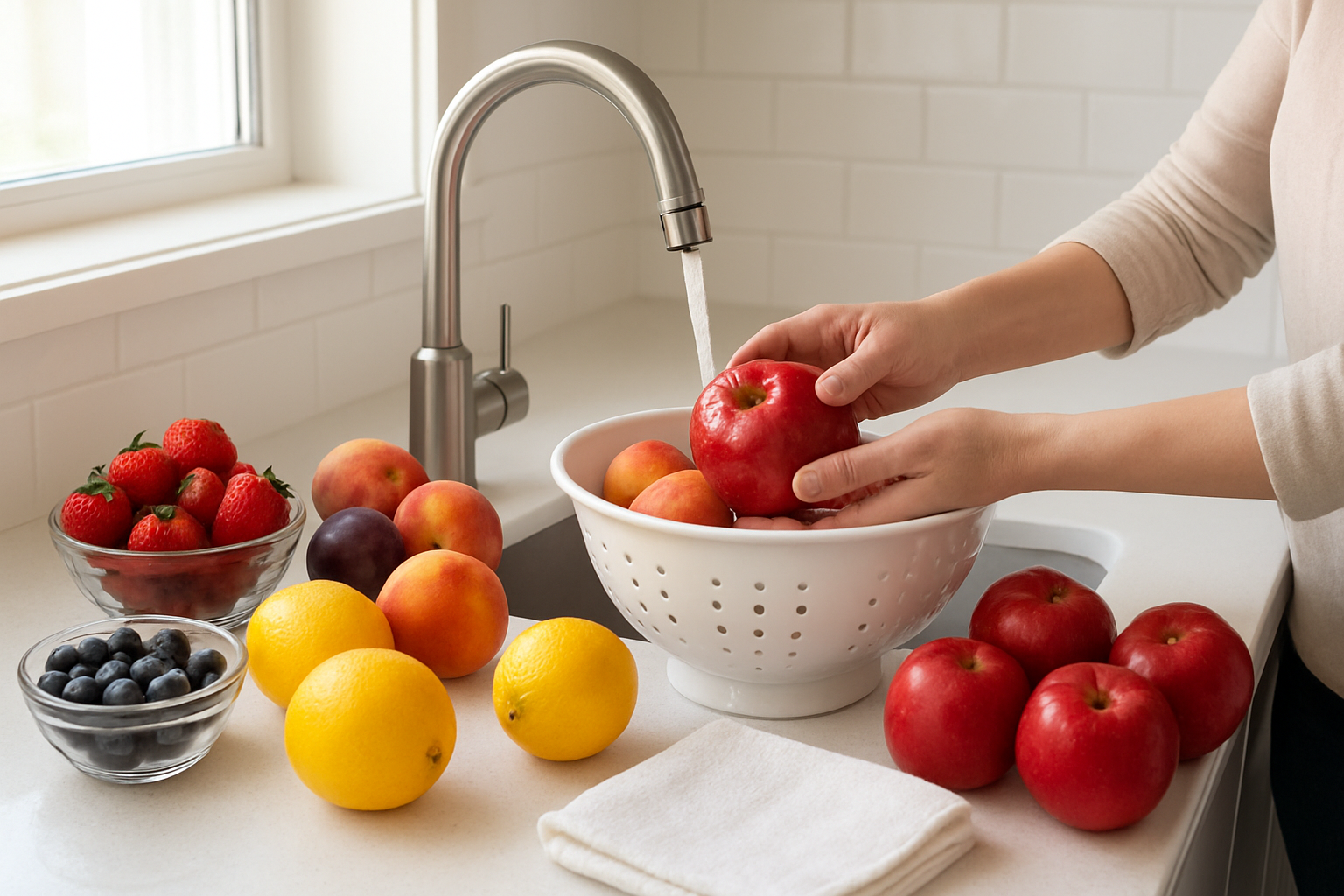
Start by running cold water over your smooth-skinned fruits for 15-20 seconds. The water temperature matters because hot water can actually push chemicals deeper into the fruit's pores. Hold the fruit under the stream while gently rubbing the surface with your hands in a circular motion.
For better results when washing fruits naturally, create a simple baking soda solution using one teaspoon of baking soda per cup of water. Let apples and pears soak for 12-15 minutes in this mixture. Research shows this method removes significantly more pesticide residue than plain water alone. After soaking, scrub gently with a clean produce brush, paying special attention to the stem and blossom ends where chemicals tend to concentrate.
The waxy coating on many store-bought apples requires extra attention. Mix equal parts white vinegar and water in a spray bottle. Spray the fruit, let it sit for 30 seconds, then scrub with a brush before rinsing thoroughly. This combination breaks down both wax and chemical residues effectively.
Always dry your clean fruits with a clean cloth or paper towel. This final step removes any remaining surface contaminants and helps prevent bacterial growth during storage.
Cleaning techniques for berries and delicate fruits
Berries need a gentler approach since their delicate skin can easily tear or bruise. Never wash berries until you're ready to eat them, as excess moisture accelerates spoilage. When you're ready to remove chemicals from fruits like strawberries, blueberries, and raspberries, use the following method.
Fill a large bowl with three parts cold water and one part white vinegar. Gently place berries in this solution and let them sit for 5 minutes maximum. The acidic environment breaks down pesticide residues without damaging the fruit's structure.
After the vinegar bath, drain the berries in a fine-mesh strainer and rinse gently under cold running water for 30 seconds. Handle them like precious gems – any rough treatment will cause bruising and create entry points for bacteria.
For strawberries specifically, remove the green tops only after washing. The leaves actually protect the fruit during the cleaning process. Pat berries dry with paper towels using a gentle blotting motion rather than wiping, which can tear the skin.
Grapes benefit from a cluster-by-cluster approach. Hold each cluster by the stem and swish it through the vinegar solution, then rinse thoroughly. This fruit washing technique ensures you reach all the hidden spots between individual grapes where residues often hide.
Washing citrus fruits to remove wax and chemicals
Commercial citrus fruits often have the thickest wax coating of any produce, making them challenging to clean properly. The good news is their thick skin provides excellent protection, but you still need effective fruit cleaning methods if you plan to use the zest or eat the peel.
Start with warm (not hot) water to soften the waxy coating. Roll the citrus fruit back and forth under the stream while applying firm pressure with your palms. The rolling motion helps break up stubborn wax deposits.
Create a paste using baking soda and a small amount of water. Rub this paste all over the citrus fruit using circular motions, then scrub with a clean brush. The abrasive action of baking soda cuts through wax while neutralizing chemical residues. Rinse thoroughly until the water runs clear and the fruit feels smooth rather than slippery.
For organic citrus that hasn't been waxed, a simpler approach works well. Mix equal parts lemon juice and water in a bowl. Soak the fruit for 5 minutes, then scrub lightly with a brush. This natural acid helps break down any pesticide residue while being gentle on unwaxed skin.
Salt can also help remove wax from citrus fruits. Rub coarse sea salt directly onto the wet fruit surface, working in circular motions. The salt crystals act as a natural abrasive that strips away protective coatings without harsh chemicals.
Special approach for thick-skinned fruits like melons
Thick-skinned fruits like cantaloupe, honeydew, and watermelon present unique challenges because their textured surfaces can harbor bacteria and chemical residues in deep grooves. Even though you remove the skin before eating, contamination can transfer from your knife to the flesh during cutting.
Begin by scrubbing the entire surface with a clean produce brush under running water. Pay extra attention to the stem and blossom ends, as well as any deep grooves or indentations. These areas often contain the highest concentration of contaminants.
For melons with netted skin like cantaloupe, use an old toothbrush dedicated solely to produce cleaning. The smaller bristles can reach into the netting where larger brushes miss. Scrub systematically across the entire surface, working the bristles into every crevice.
Create a cleaning solution using two tablespoons of baking soda per quart of water. Submerge smaller melons completely, or pour the solution over larger ones like watermelons. Let the solution work for 10 minutes before scrubbing again with your brush.
The final rinse is critical for these fruits. Use plenty of cold water to flush away all loosened debris and cleaning solution. Run your hands over the surface to check for any remaining rough spots that might need additional scrubbing. A properly cleaned melon should feel smooth and smell fresh, with no soapy or chemical odors lingering on the surface.
Advanced Chemical Removal Methods
Soaking times that maximize contaminant removal
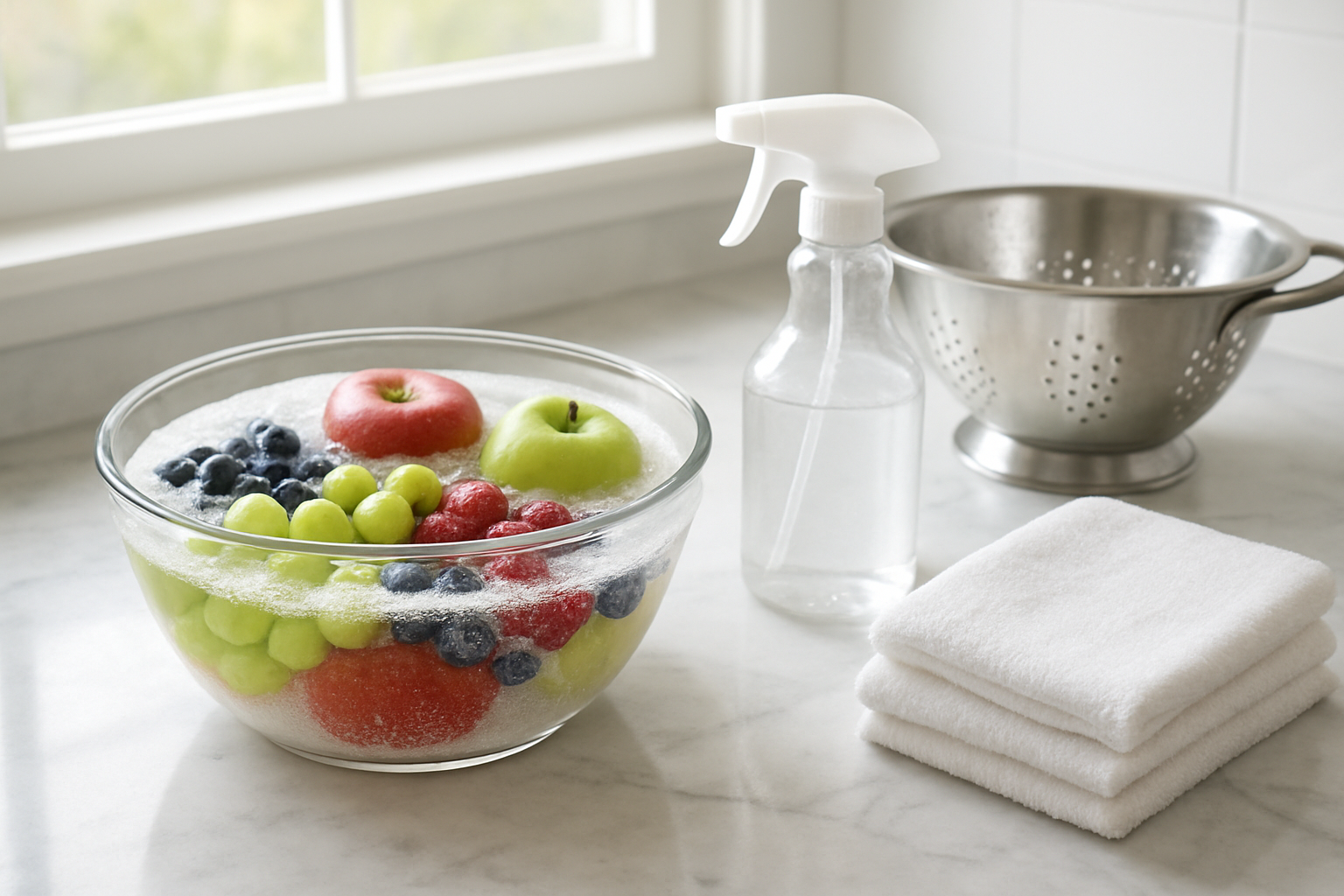
The duration you soak your fruits makes a significant difference in how much pesticide residue gets removed. Different fruits require different soaking times based on their skin thickness and surface characteristics. Thin-skinned fruits like grapes, berries, and cherries need shorter soaking periods of 2-3 minutes to prevent them from becoming waterlogged and losing their texture.
Medium-skinned fruits such as apples, pears, and peaches benefit from 5-7 minutes of soaking time. This allows the washing solution to penetrate surface wax coatings that manufacturers often apply to extend shelf life. Thick-skinned fruits like oranges, lemons, and melons can handle longer soaking periods of 10-15 minutes, which helps break down stubborn pesticide films.
Water temperature also affects cleaning efficiency. Room temperature water works best for most fruits, as hot water can damage delicate skin and cold water doesn't activate cleaning agents effectively. Always rinse fruits thoroughly after soaking to remove any loosened residues and cleaning agents.
Salt water solutions for enhanced cleaning
Salt water creates an effective natural cleaning solution that helps break down chemical residues without introducing harsh synthetic cleaners. Mix 1 tablespoon of sea salt or kosher salt per cup of water to create your cleaning solution. The salt helps draw out water-soluble pesticides and creates a slightly abrasive action that scrubs away surface contaminants.
This method works particularly well for leafy greens, berries, and other delicate fruits where you want to remove chemicals from fruits naturally. The salt solution also helps eliminate bacteria and other microorganisms that might be present on the fruit surface.
Soak your fruits in the salt water for the appropriate time based on their type, then gently agitate them with your hands to enhance the cleaning action. The salt crystals help scrub away stubborn residues while being gentle enough not to damage the fruit skin.
Baking soda wash technique for stubborn residues
Baking soda offers one of the most effective fruit cleaning methods for removing pesticide residue, especially for fruits with waxy coatings. Create a solution using 1 teaspoon of baking soda per cup of water. The alkaline nature of baking soda helps neutralize acidic pesticide compounds and breaks down waxy protective coatings.
This technique works exceptionally well for apples, which often have thick wax coatings that trap chemical residues. Submerge the fruits in the baking soda solution and let them soak for 12-15 minutes. For extra cleaning power, use a soft brush to gently scrub the surface while the fruit soaks.
Research shows that baking soda solutions can remove up to 96% of certain pesticide residues when used properly. After soaking, rinse the fruits thoroughly under running water to remove all baking soda residue. Pat them dry with a clean towel before storing or consuming.
| Fruit Type | Soaking Time | Best Method |
|---|---|---|
| Berries | 2-3 minutes | Salt water |
| Apples | 12-15 minutes | Baking soda |
| Citrus | 10-15 minutes | Salt water |
| Stone fruits | 5-7 minutes | Either method |
Post-Washing Storage and Safety Tips
Proper Drying Techniques to Prevent Bacterial Growth
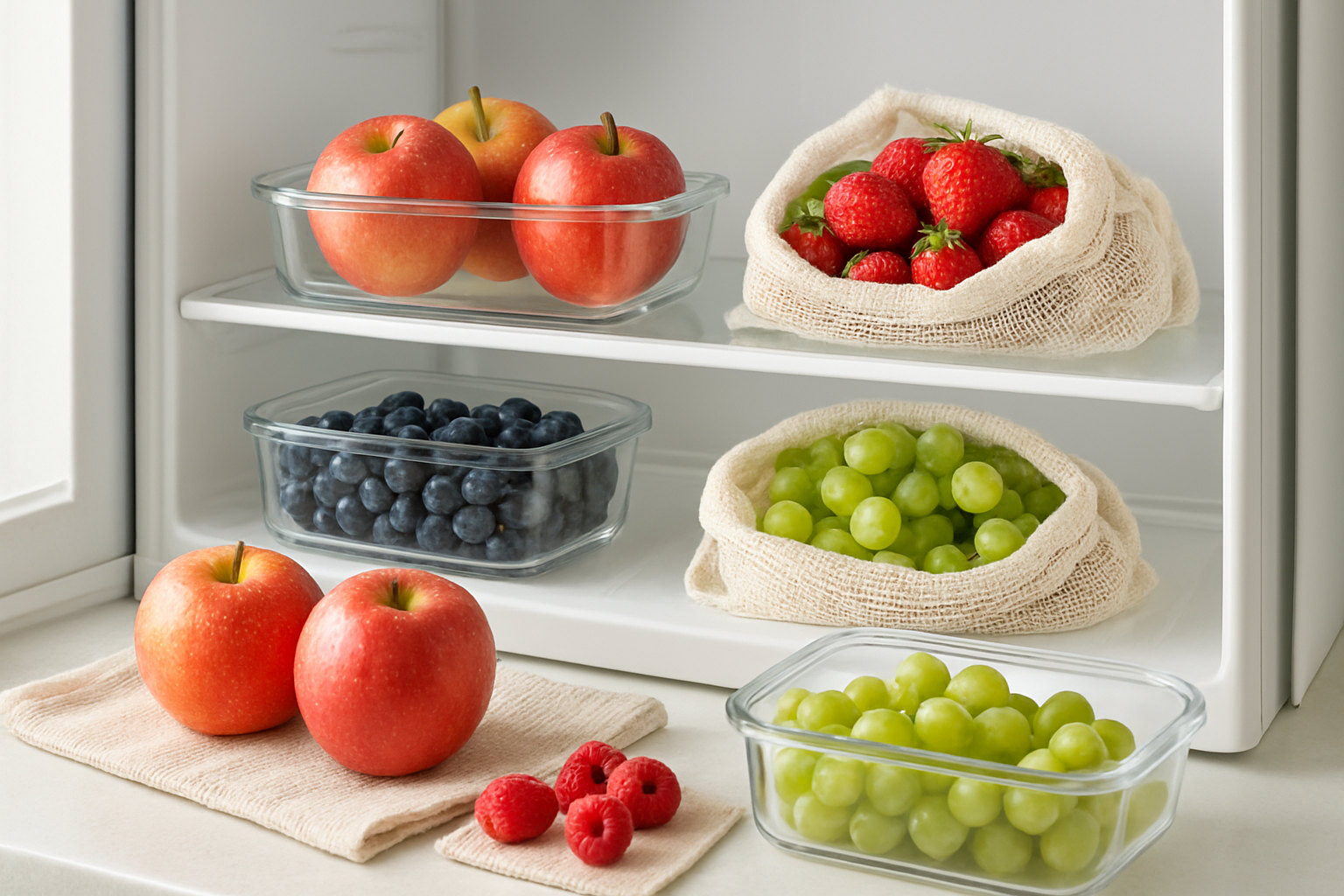
Once you've finished washing fruits naturally, the drying process becomes just as important as the cleaning itself. Wet fruit surfaces create the perfect breeding ground for harmful bacteria like E. coli and Salmonella, which can multiply rapidly in moist environments.
Start by gently patting fruits dry with clean paper towels or a dedicated fruit-drying cloth. Avoid using regular kitchen towels that might harbor bacteria from other cleaning tasks. For delicate fruits like berries, place them in a single layer on clean paper towels and let air circulation do most of the work.
Consider investing in a salad spinner for smaller fruits - it removes excess water without bruising tender surfaces. After spinning, spread fruits on a clean kitchen towel for 10-15 minutes to eliminate remaining moisture.
Air drying guidelines by fruit type:
-
Hard fruits (apples, pears): Pat dry and store immediately
-
Soft fruits (peaches, plums): Air dry for 5-10 minutes before storing
-
Berries: Air dry for 15-20 minutes on paper towels
-
Citrus: Pat dry thoroughly, focusing on stem areas where moisture collects
Never store damp fruits in closed containers or plastic bags, as trapped moisture accelerates bacterial growth and spoilage.
How Timing Affects Chemical Removal Effectiveness
The timing of when you wash fruits at home significantly impacts how effectively you remove pesticide residue and other chemical contaminants. Fresh produce continues to change after harvest, affecting how deeply chemicals penetrate the fruit's surface.
Immediate washing benefits:
Washing fruits immediately after purchase removes surface-level pesticides before they have time to penetrate deeper into the skin. Water-soluble chemicals wash away more easily when they haven't had time to bond with the fruit's natural waxes.
Storage timing considerations:
Many people wonder whether to wash fruits before or after storage. Research shows that washing just before consumption proves most effective for chemical removal while preventing premature spoilage. Pre-washed fruits often develop soft spots and mold faster due to cellular damage from extended moisture exposure.
Optimal washing windows:
-
Stone fruits: Wash 2-3 hours before eating for maximum chemical removal
-
Berries: Wash immediately before consumption to prevent rapid deterioration
-
Citrus: Can be washed and stored for up to 24 hours without quality loss
-
Apples/pears: Wash up to 6 hours before eating for best results
Temperature also plays a role - room temperature water removes chemicals more effectively than cold water, as it helps dissolve waxy coatings that trap pesticides.
When Washing Isn't Enough and Peeling Becomes Necessary
Despite your best fruit cleaning methods, some situations require peeling to achieve truly chemical free fruits. Certain pesticides and waxes penetrate so deeply that surface washing cannot eliminate all residues.
Fruits that benefit most from peeling:
-
Heavily waxed produce: Commercial apples, cucumbers, and bell peppers often have synthetic waxes that trap pesticides underneath
-
Thin-skinned imports: Grapes and berries from countries with different pesticide regulations may require skin removal
-
Root vegetables treated as fruits: Carrots and beets can have systemic pesticides that washing cannot remove
Signs that peeling is necessary:
Look for unusually shiny surfaces, sticky or greasy textures after washing, or fruits that feel artificially smooth. These indicators suggest heavy wax coatings or persistent chemical treatments.
Peeling techniques for maximum safety:
Use a dedicated vegetable peeler rather than a knife to remove consistent, thin layers. Wash the peeler between different fruits to prevent cross-contamination. Remove slightly more skin than seems necessary, especially around stem areas where chemicals concentrate.
Nutritional trade-offs:
While peeling removes chemicals, it also eliminates beneficial nutrients found in fruit skins. Weigh the benefits of chemical removal against nutritional loss. Organic alternatives might be worth the extra cost for fruits you normally would need to peel.
Some fruits like citrus can be scrubbed with baking soda solutions as an alternative to peeling, removing both surface wax and embedded chemicals while preserving the nutrient-rich peel.
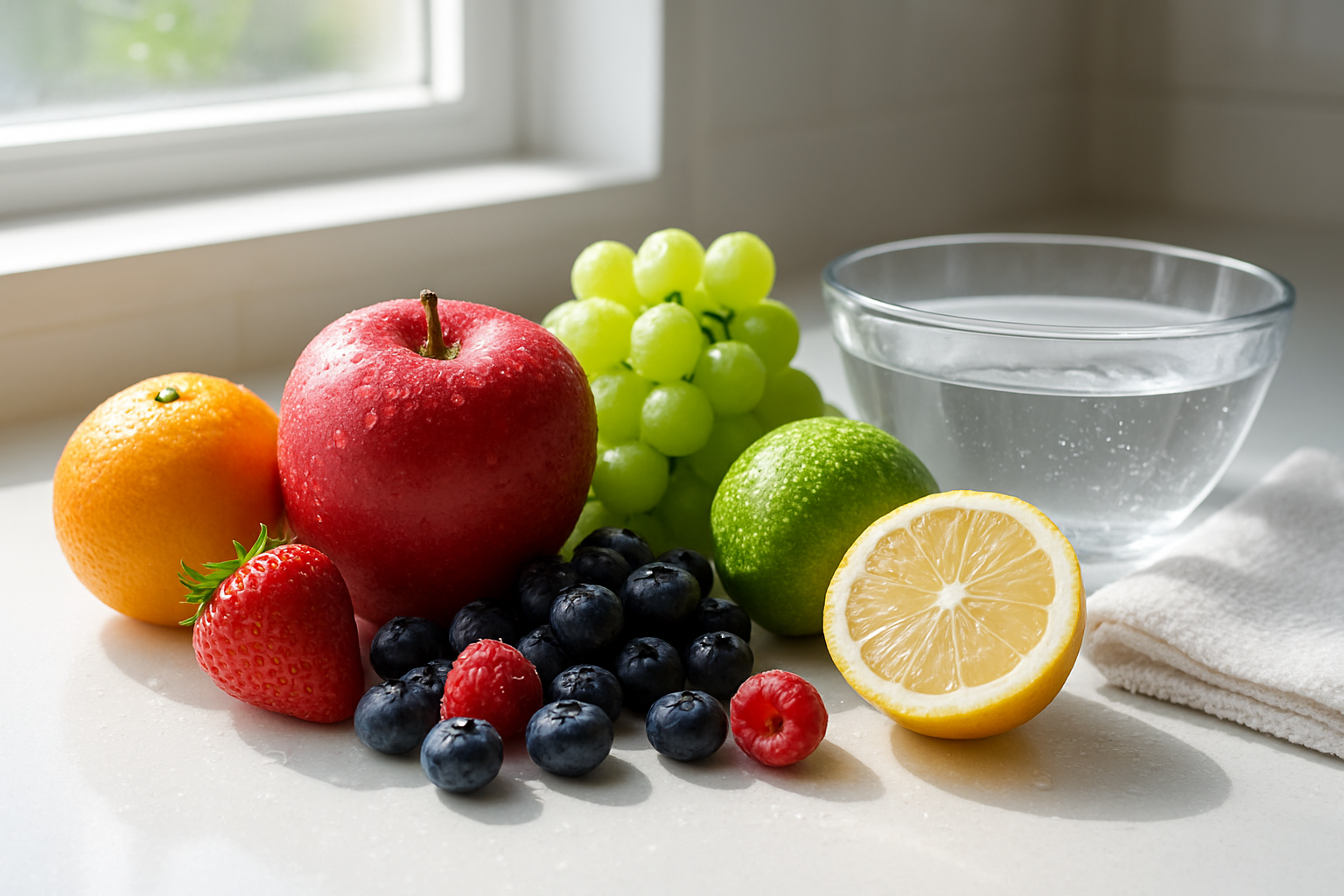
Washing your fruits properly isn't just about making them look clean – it's about protecting your family from harmful chemicals that can stick around even after you bring them home. The simple techniques we've covered, from using baking soda solutions to understanding which fruits need extra attention, can make a real difference in reducing your exposure to pesticides and other contaminants. You don't need expensive products or complicated methods to get great results.
Start with one or two of these washing methods this week and see how easy they are to add to your routine. Keep those basic tools like a soft brush and baking soda handy, and remember that even organic fruits benefit from a good wash. Your health is worth the extra few minutes it takes to clean your produce the right way.


.png)
Comments
Post a Comment