Local Fruits in Uganda You Shouldn't Miss
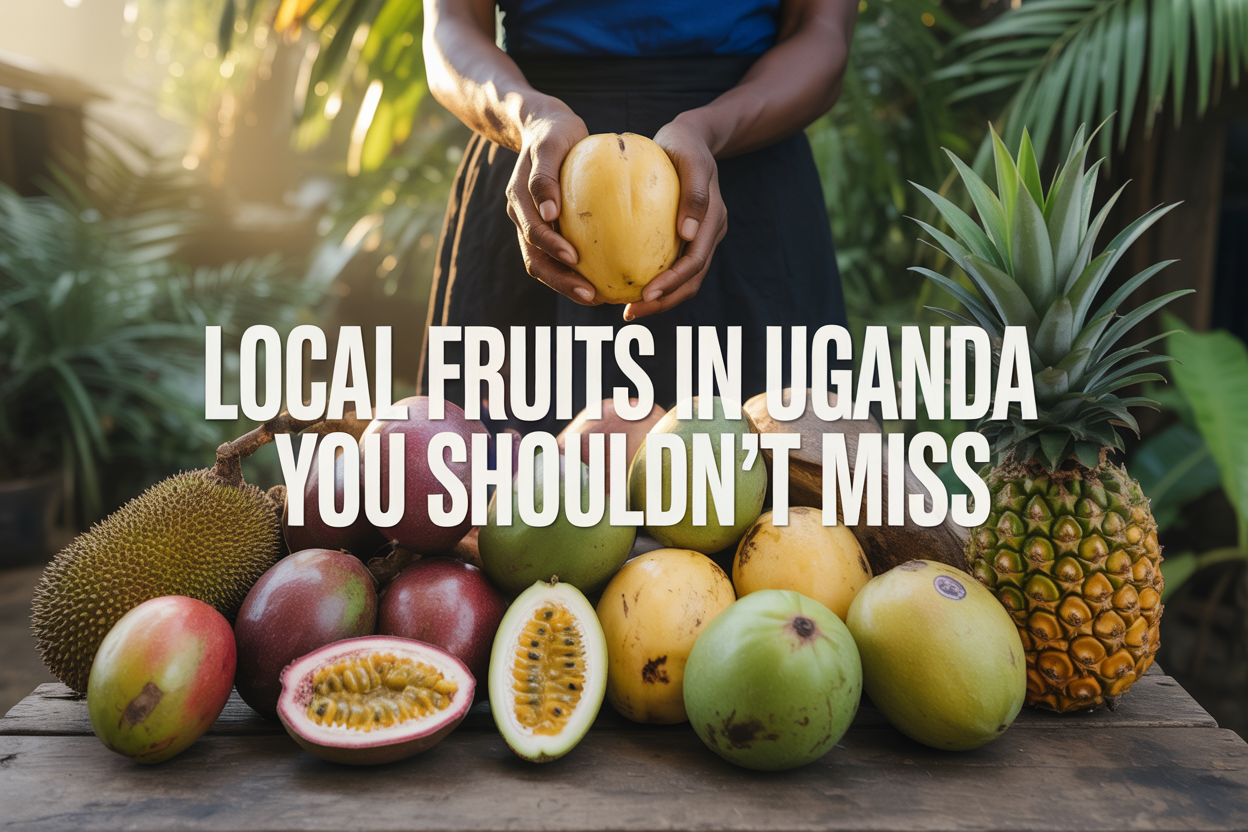
Uganda's vibrant fruit scene offers travelers and food lovers a chance to taste some of Africa's most incredible tropical and indigenous fruits. This guide is perfect for tourists planning a trip, expats living in Uganda, and anyone curious about authentic Ugandan cuisine and culture.
Local fruits Uganda offers range from familiar tropical varieties to completely unique indigenous fruits Uganda that you won't find anywhere else in the world. Each fruit tells a story of the country's rich agricultural heritage and diverse climate zones.
We'll explore the sweet tropical delights that make Uganda a fruit lover's paradise, including mangoes, pineapples, and passion fruits that taste completely different from imported versions. You'll also discover nutrient-rich indigenous powerhouses like the orange-fleshed jackfruit and the antioxidant-packed African potato apple that local communities have treasured for generations.
Finally, we'll cover seasonal fruits Uganda produces during specific times of year, helping you plan your visit around peak harvest seasons, plus practical tips on where to buy fruits Uganda and how to enjoy them like a local.
Sweet and Succulent Tropical Delights
Mangoes That Melt in Your Mouth
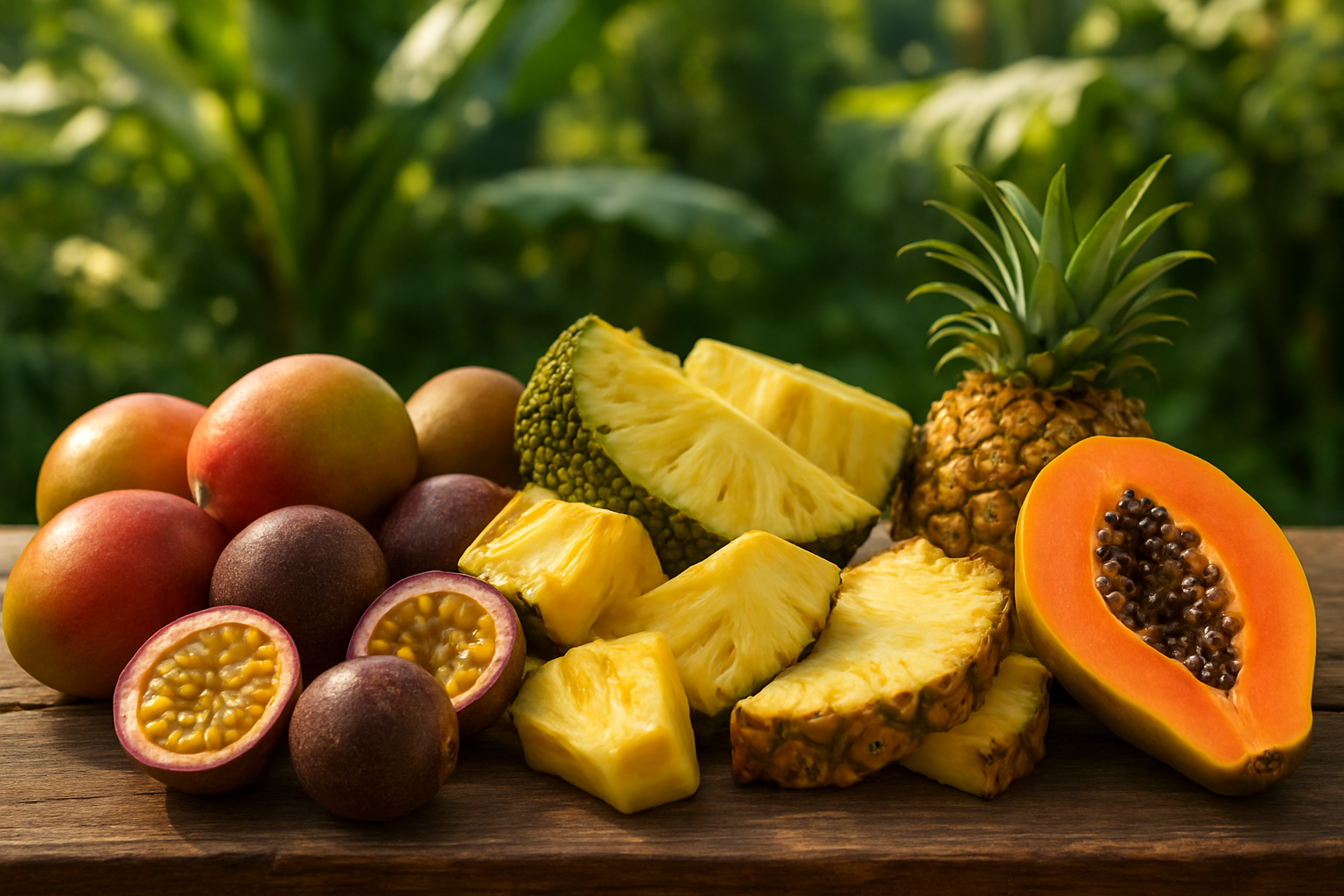
Uganda's tropical climate creates perfect conditions for growing some of the world's most incredible mangoes. The country produces over a dozen varieties, each with distinct flavors and textures that will completely change how you think about this beloved fruit. Tommy Atkins mangoes dominate the commercial market, but the real treasures lie in the local varieties like Dodo and Bogoya mangoes that grow in backyards across the country.
The sweetness of Uganda fruits reaches its peak during mango season from November to February. These aren't your typical grocery store mangoes - they're fiber-free, incredibly juicy, and so sweet you might think they're dessert. Local farmers have perfected growing techniques passed down through generations, resulting in mangoes with flesh so tender they practically dissolve on your tongue.
What sets Ugandan mangoes apart is their incredible variety of flavors. Some taste like honey with hints of citrus, while others have rich, creamy notes reminiscent of custard. The skin ranges from deep red to golden yellow, and locals can identify each variety just by looking at the shape and color.
Pineapples Bursting with Flavor
The volcanic soils of Uganda produce pineapples that put Hawaiian varieties to shame. These tropical fruits Uganda offers are smaller than commercial varieties but pack an incredible punch of sweetness and acidity that creates the perfect balance. The Smooth Cayenne variety thrives in Uganda's climate, developing a golden flesh that's both tangy and sweet.
Fresh Ugandan pineapples contain enzymes that aid digestion and provide natural anti-inflammatory benefits. Local varieties ripen on the plant longer than exported fruits, allowing natural sugars to develop fully. This means every bite delivers maximum flavor without the harsh acidity that often characterizes store-bought pineapples.
The best pineapples come from the central regions around Kampala and Wakiso, where farmers have mastered the art of growing these spiky treasures. When perfectly ripe, the fruit gives slightly to pressure and emits a sweet, tropical aroma that you can smell from several feet away.
Passion Fruits for Natural Energy
Purple passion fruits grow wild across Uganda's hills and have become one of the country's most celebrated local fruits Uganda proudly exports. These wrinkled, egg-sized fruits contain a treasure trove of seeds surrounded by intensely flavored pulp that delivers an instant energy boost. The tartness hits first, followed by a rush of tropical sweetness that energizes both body and mind.
Local varieties contain higher concentrations of vitamins A and C compared to their South American cousins. The seeds are edible and provide healthy omega-6 fatty acids, making this a complete superfood package. Many Ugandans start their day with fresh passion fruit juice mixed with a touch of honey for natural sustained energy.
Yellow passion fruits also grow throughout the country, offering a milder, sweeter flavor profile perfect for those who find the purple variety too intense. Both types peak during the dry seasons, making them readily available for most of the year.
Sweet Bananas Beyond Your Expectations
Uganda produces more bananas per capita than any other country in the world, and the variety available here will amaze you. Beyond the familiar yellow bananas, you'll discover red bananas with hints of raspberry flavor, tiny finger bananas that taste like candy, and cooking bananas that transform into sweet, creamy treats when prepared properly.
The indigenous fruits Uganda cultivates include the beloved Bogoya banana, which locals consider the sweetest variety in the world. These short, plump bananas have incredibly thin skins and flesh so sweet they're often served as dessert. Lady finger bananas, called Sukali Ndiizi locally, are small enough to eat in just a few bites but deliver concentrated banana flavor that's absolutely addictive.
Red bananas offer something completely different - their flesh has a slight pinkish hue and tastes like a cross between a regular banana and a berry. They're naturally sweeter than yellow varieties and have a creamier texture that makes them perfect for eating fresh or adding to fruit salads.
Nutrient-Rich Indigenous Powerhouses
Jackfruit for Complete Protein and Fiber
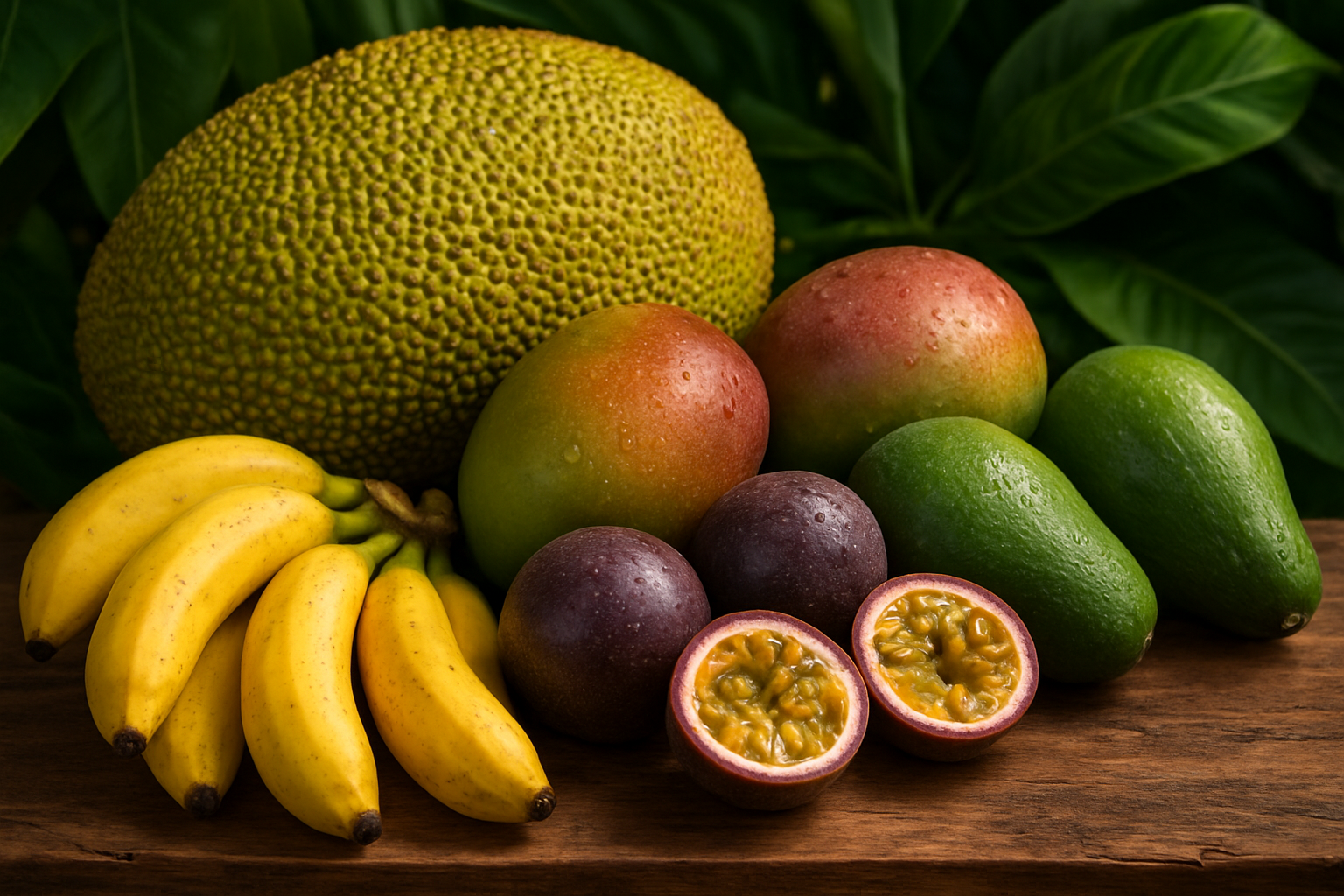
Uganda's jackfruit stands as one of Africa's most impressive nutritional powerhouses, offering a rare combination of complete protein and exceptional fiber content that's hard to find in other tropical fruits Uganda has to offer. This massive fruit, which can weigh up to 80 pounds, provides all nine essential amino acids your body needs, making it particularly valuable for vegetarians and vegans exploring local fruits Uganda markets.
The flesh delivers about 3 grams of protein per cup, alongside a whopping 2.5 grams of dietary fiber that supports digestive health and helps regulate blood sugar levels. What makes jackfruit truly special among indigenous fruits Uganda produces is its versatility – young jackfruit has a meat-like texture that absorbs flavors beautifully, while ripe jackfruit offers sweet, custard-like flesh packed with vitamins A and C.
Beyond protein and fiber, jackfruit contains potassium for heart health, magnesium for muscle function, and antioxidants that combat inflammation. The seeds are equally nutritious, providing additional protein and can be roasted like chestnuts for a satisfying snack.
Avocados Packed with Healthy Fats
Ugandan avocados deserve recognition as nutritional superstars among the country's indigenous fruits Uganda farmers have cultivated for generations. These creamy gems contain nearly 20 grams of monounsaturated fats per fruit, the same heart-healthy fats found in olive oil that help reduce bad cholesterol and support brain function.
What sets Uganda's avocados apart is their exceptional oleic acid content, which enhances nutrient absorption from other foods you eat alongside them. Adding avocado to your meal can increase carotenoid absorption by up to 400%, making every bite of local fruits Uganda offers even more nutritionally valuable.
Each avocado provides over 10 grams of fiber, more potassium than a banana, and folate that's essential for cell division and DNA synthesis. The fruit also contains vitamin K for bone health, vitamin E for skin protection, and lutein for eye health. Uganda's year-round growing season means fresh avocados are available consistently, unlike many seasonal fruits Uganda produces.
Oranges Loaded with Vitamin C
Uganda's oranges pack an impressive vitamin C punch that rivals citrus fruits from anywhere in the world, making them standout options among tropical fruits Uganda's climate produces so abundantly. A single medium orange provides over 100% of your daily vitamin C requirement, supporting immune function, collagen production, and iron absorption.
These vibrant citrus fruits contain powerful flavonoids like hesperidin and naringenin that offer anti-inflammatory benefits and support cardiovascular health. The combination of vitamin C and these plant compounds creates a synergistic effect that's more powerful than taking vitamin C supplements alone.
Uganda's oranges also provide significant amounts of folate, thiamine, and potassium while being naturally low in calories and high in water content. The pectin fiber in oranges helps lower cholesterol levels and promotes feelings of fullness. What makes these oranges special among unique fruits Uganda produces is their intense sweetness balanced with just enough acidity, reflecting the country's ideal growing conditions of consistent temperatures and adequate rainfall.
Unique Flavor Experiences You Can't Find Elsewhere
Matoke for Versatile Cooking Options
When you think of bananas, dessert probably comes to mind. But matoke, Uganda's beloved green bananas, flip that expectation completely. These unique fruits Uganda offers can transform into hearty main dishes, flavorful side courses, or even creative snacks that'll surprise your taste buds.
Unlike sweet bananas, matoke has a starchy, potato-like texture that soaks up spices and flavors beautifully. Local cooks steam them with groundnut sauce, curry them with beef or chicken, or mash them into a comforting dish similar to mashed potatoes. The versatility is mind-blowing – you can wrap them in banana leaves with fish, toss them into stews, or even roast them over charcoal for a smoky flavor.
What makes matoke special among Uganda fruits is how it bridges the gap between fruit and vegetable. Raw matoke has a subtle, earthy taste that becomes nutty and satisfying when cooked. Street vendors often serve matoke with beans, creating a protein-rich meal that keeps you full for hours.
Tree Tomatoes with Tangy Sweetness
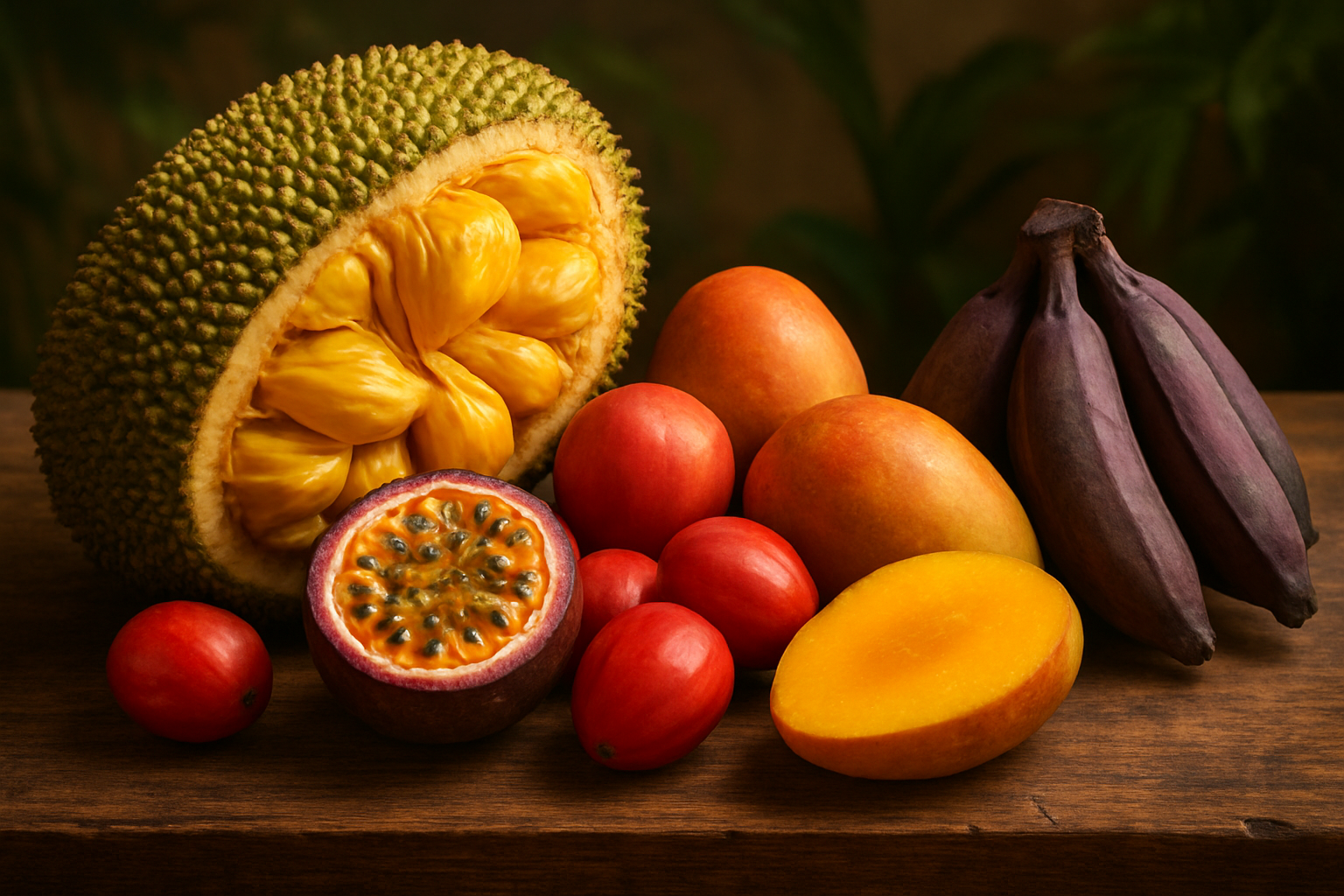
Tree tomatoes, known locally as "tomato ya mti," deliver a flavor punch that regular tomatoes can't match. These egg-shaped tropical fruits Uganda produces pack an intense combination of sweet and tart that wakes up your palate instantly.
Bite into a ripe tree tomato and you'll taste something like a cross between a passion fruit and a regular tomato, with hints of kiwi thrown in. The skin is slightly bitter, but the flesh inside bursts with juicy sweetness balanced by a pleasant tang. Many locals eat them fresh, sprinkling a bit of salt to enhance the natural flavors.
Tree tomatoes work wonderfully in fresh juices, jams, and chutneys. Some creative cooks add them to meat stews for a unique acidic note that cuts through rich flavors. You can also slice them into salads or blend them into smoothies for an unexpected twist.
African Custard Apple for Creamy Indulgence
The African custard apple, or sugar apple, looks like nature's own work of art with its bumpy, scaled exterior. But crack one open and you'll discover why this ranks among the most sought-after indigenous fruits Uganda has to offer.
Inside, creamy white segments hide black seeds, and the texture feels like eating natural ice cream. The flavor is incredibly sweet and custard-like, with hints of pineapple and vanilla that make it feel like a dessert disguised as fruit. Each segment melts on your tongue, leaving behind a rich, satisfying sweetness that's hard to forget.
Locals often eat custard apples fresh, carefully working around the seeds. Some blend the flesh into smoothies or use it to make natural ice cream. The fruit's natural creaminess means you don't need to add much – just a squeeze of lime juice brings out its best qualities.
Wild Berries for Antioxidant Benefits
Uganda's wild berries might be small, but they pack serious nutritional power alongside bold flavors you won't find in typical grocery stores. These tiny local fruits Uganda wilderness provides include wild blackberries, elderberries, and various indigenous berry varieties that local communities have enjoyed for generations.
Wild blackberries here taste more intense than cultivated versions – they're smaller but bursting with concentrated sweetness and slight tartness. Local children often collect them during hiking adventures, and they're perfect for snacking or making into jams and jellies.
The elderberries found in Uganda's highlands have a unique earthy-sweet flavor that works beautifully in traditional teas and medicinal preparations. Many communities use them for their immune-boosting properties, especially during rainy seasons.
| Berry Type | Flavor Profile | Best Uses |
|---|---|---|
| Wild Blackberries | Intense sweet-tart | Fresh eating, jams |
| Elderberries | Earthy-sweet | Teas, medicinal drinks |
| Forest Berries | Complex fruity | Trail snacks, smoothies |
These wild varieties often contain higher antioxidant levels than their commercial cousins because they grow in nutrient-rich forest soils without chemical interference.
Seasonal Fruits Worth Planning Your Visit Around
Best Months for Peak Ripeness
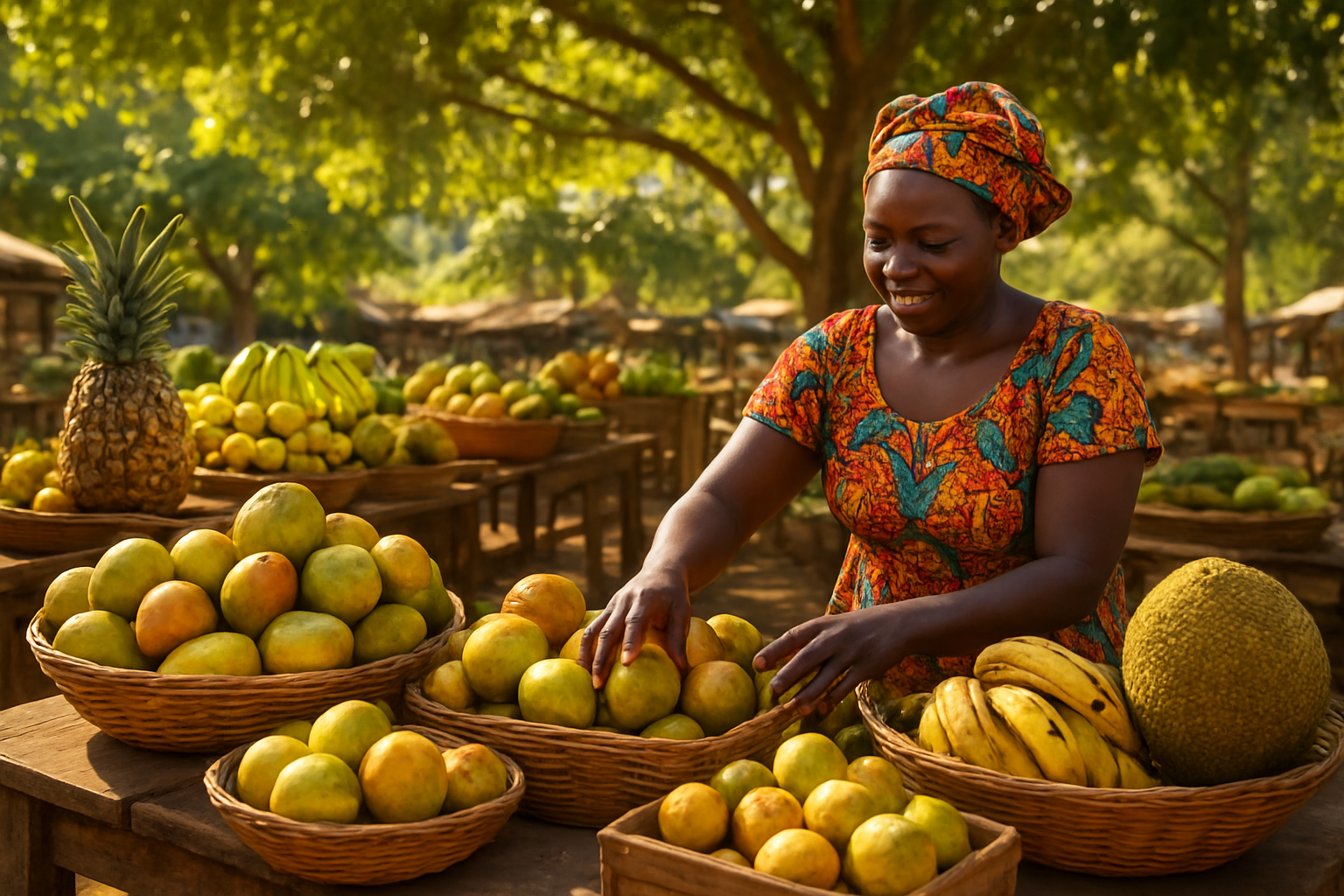
Planning your Uganda fruit adventure? Timing makes all the difference when it comes to enjoying seasonal fruits Uganda has to offer at their absolute best. The country's two rainy seasons create distinct fruiting periods that smart travelers know how to leverage.
March through May brings the first major harvest wave. During these months, you'll find passion fruits bursting with juice, mangoes at their sweetest, and jackfruits reaching massive proportions. The abundant rains from February create perfect growing conditions, making April and May particularly rewarding for fruit enthusiasts.
The second peak season runs from September through November, following the August rains. This period delivers exceptional avocados, papaya, and the prized matoke (cooking bananas) that Ugandans consider essential. October stands out as the golden month when most tropical fruits Uganda produces reach simultaneous peak ripeness.
December through February represents the dry season when tree fruits concentrate their flavors. While variety decreases, what's available tastes incredibly intense. Pineapples become almost candy-like, and citrus fruits develop their most complex flavor profiles.
Regional Variations Across Uganda
Uganda's diverse climate zones mean different regions excel with specific fruits throughout the year. The eastern slopes of Mount Elgon produce exceptional bananas and coffee fruits year-round due to consistent rainfall and volcanic soil. Mbale district particularly shines for arabica coffee cherries and sweet bananas that locals eat fresh.
Central Uganda, including Kampala and surrounding areas, serves as the country's fruit basket. The shores of Lake Victoria create microclimates perfect for mangoes, avocados, and passion fruits. Entebbe's proximity to the lake means fruits ripen more gradually, extending harvest seasons compared to inland areas.
Northern Uganda specializes in drought-resistant varieties. Gulu and Lira districts produce outstanding shea nuts, tamarind, and baobab fruits that thrive in drier conditions. These indigenous fruits Uganda offers become increasingly important as climate patterns shift.
Western Uganda's highlands around Fort Portal and Kasese deliver cooler-climate fruits. Irish potatoes might not be exotic, but the region's tree tomatoes, cape gooseberries, and highland bananas offer flavors impossible to replicate elsewhere. The Rwenzori Mountains create unique growing conditions for rare varieties found nowhere else in East Africa.
Festival Seasons for Maximum Variety
Ugandan cultural celebrations often coincide with peak fruit seasons, creating perfect opportunities to sample the widest variety of local fruits Uganda produces. The annual Nyege Nyege Festival in September happens right when passion fruits, mangoes, and avocados converge in markets.
Harvest festivals across different regions celebrate specific fruits. The Imbalu circumcision ceremonies in eastern Uganda during even-numbered years (August-December) feature elaborate fruit displays showcasing unique fruits Uganda grows in Bugisu region. Local families prepare traditional foods incorporating seasonal fruits like jackfruit and various banana varieties.
Religious celebrations like Christmas and Easter often feature special fruit preparations. December markets overflow with pineapples and oranges for holiday meals, while Easter coincides with mango season in many regions. Smart visitors plan around these festivals to experience fruits prepared in traditional ways they might miss during regular market visits.
Local schools and agricultural shows throughout the year spotlight regional fruit varieties. The annual Agricultural Show in Kampala (typically August) brings together producers from across the country, offering visitors chances to taste rare varieties and learn directly from growers about optimal eating times and preparation methods.
Where to Find and How to Enjoy These Local Treasures
Local Markets for Authentic Experience
Visiting local markets offers the best way to discover authentic Uganda fruits in their natural environment. Kampala's Nakasero Market stands out as the premier destination, where vendors display colorful arrays of indigenous fruits alongside tropical varieties. The market buzzes with activity from early morning, and vendors eagerly share knowledge about their produce.
Owino Market provides another excellent option for fruit enthusiasts. Here you'll find vendors specializing in seasonal offerings, often selling fruits picked that same morning from nearby farms. The prices remain significantly lower than tourist-oriented shops, and bargaining is expected.
Regional markets like Masaka Central Market or Mbale Market offer unique local varieties specific to their areas. These markets often feature fruits you won't find in Kampala, making them worth visiting during your travels across Uganda.
Roadside Vendors for Fresh Picks
Roadside vendors scattered throughout Uganda provide convenient access to the freshest local fruits. These vendors typically source directly from nearby farms, ensuring peak ripeness and flavor. Along major highways like the Kampala-Entebbe road, vendors display seasonal fruits in attractive arrangements.
The best times to purchase from roadside vendors are early morning or late afternoon when new stock arrives. Many vendors specialize in specific fruits - some focus on mangoes during peak season, while others might specialize in passion fruits or jackfruit.
Always check for ripeness indicators that vendors can teach you. Fresh fruits should have vibrant colors, proper firmness, and pleasant aromas. Vendors often allow tastings, especially for unfamiliar varieties.
Traditional Preparation Methods
Traditional preparation methods enhance the natural flavors of Uganda fruits while preserving their nutritional value. Ugandans often eat fruits fresh and unprocessed, believing this maintains maximum health benefits.
For jackfruit, locals remove the fibrous outer skin and separate the sweet pods, often enjoying them as afternoon snacks. Passion fruits are typically cut in half, with the pulp scooped directly with a spoon - seeds and all.
Mangoes receive special treatment during peak season. Ugandans slice them into long strips, creating natural handles for easy eating. Some regions prepare mango juice by mashing ripe fruit with a little water.
Bananas undergo various traditional preparations. Sweet bananas are often steamed in their leaves, creating a naturally caramelized flavor. Others are sun-dried to create concentrated, chewy snacks that last for months.
Modern Ways to Incorporate into Your Diet
Modern preparation techniques help you enjoy Uganda fruits in creative, contemporary ways. Smoothie bowls featuring passion fruit, mango, and banana create nutritious breakfast options. The natural sweetness eliminates the need for added sugars.
Fruit salads combining indigenous varieties with tropical fruits offer balanced flavor profiles. Mix sweet mangoes with tart passion fruit and creamy avocado for textural contrast.
Juicing provides another modern approach. Combine passion fruit with pineapple for a vitamin C boost, or blend jackfruit with coconut water for a unique tropical drink. Many cafes in Kampala now feature fresh juice bars highlighting local fruits.
Freeze-dried preparations work well for preservation. Slice mangoes or bananas thinly and dehydrate them for healthy snacks. These travel well and maintain most nutritional benefits while extending shelf life significantly.
Incorporate fruits into savory dishes too. Green mangoes work excellently in salads, while ripe bananas complement meat dishes in traditional Ugandan cooking styles.
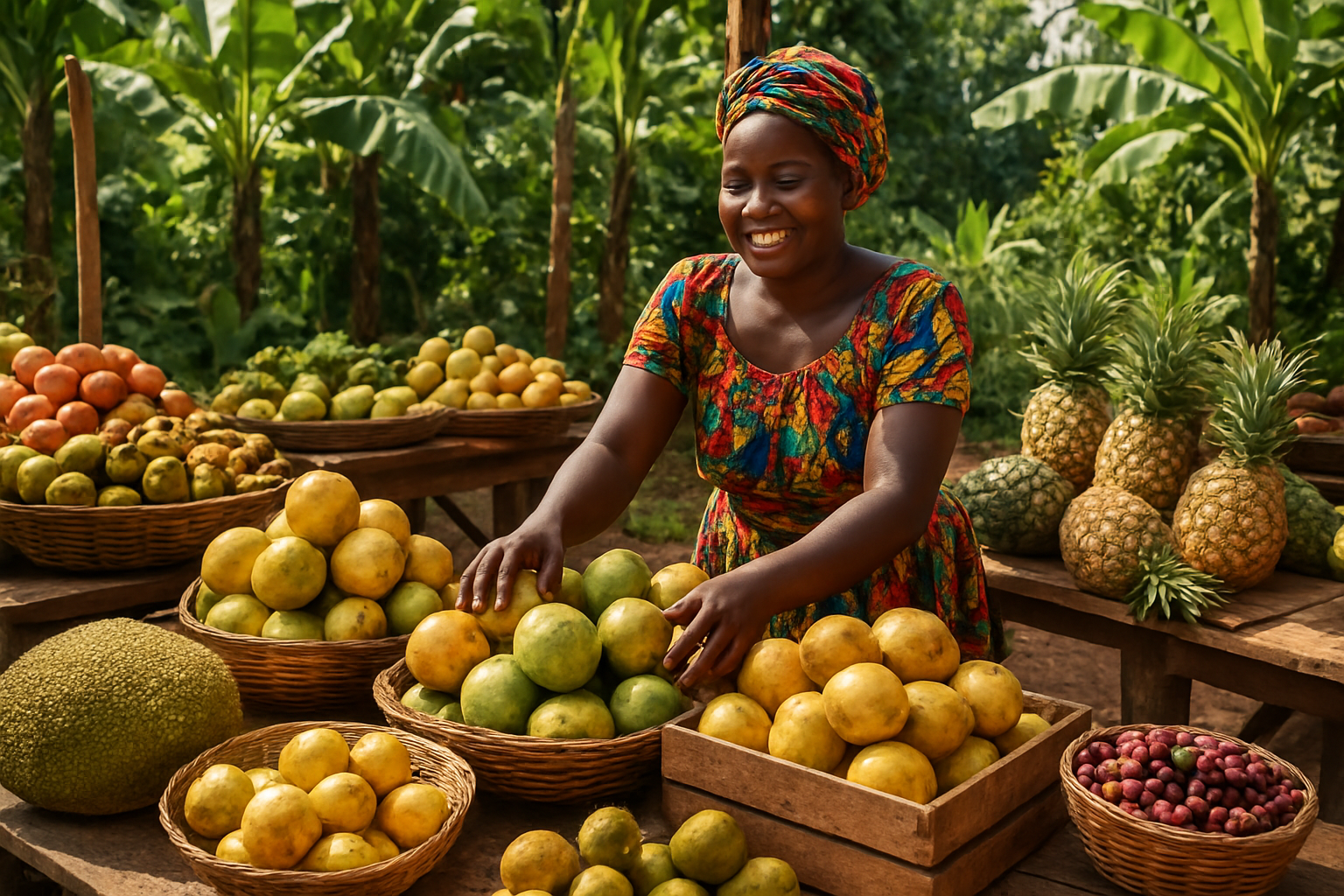
Uganda's tropical climate creates the perfect conditions for some of Africa's most extraordinary fruits, many of which you simply can't find anywhere else in the world. From the creamy sweetness of passion fruits to the vitamin-packed jackfruit and the exotic matooke varieties, these local treasures offer flavors that will completely change how you think about tropical produce. The indigenous fruits here aren't just delicious – they're nutritional powerhouses that have sustained local communities for generations.
Planning your trip around fruit seasons means you'll get to taste these incredible varieties at their absolute peak. Visit local markets, roadside stands, and fruit farms to discover authentic flavors and support the communities that grow them. Don't just stick to what looks familiar – ask locals about their favorites and be adventurous with your choices. Your taste buds will thank you, and you'll leave Uganda with memories of flavors you'll crave long after you return home.


.png)
Comments
Post a Comment