Mistakes to Avoid in a Fruit Business
Starting a fruit business can be incredibly rewarding, but many new entrepreneurs make costly mistakes that sink their ventures before they get off the ground. This guide helps aspiring fruit vendors, small market owners, and anyone considering fruit retail business understand the most common pitfalls and how to avoid them.
The fruit industry seems straightforward – buy fresh produce and sell it to customers. However, successful fruit businesses require careful attention to details that beginners often overlook. From choosing the right products to managing your supply chain, every decision impacts your bottom line and customer satisfaction.
We'll walk through the biggest fruit business mistakes that can drain your profits and drive away customers. You'll learn about critical quality control issues that can make or break your reputation, supply chain management problems that lead to waste and losses, and pricing strategies that actually hurt your business. We'll also cover location selection errors and marketing oversights that prevent customers from finding and returning to your store.
Poor Product Selection and Quality Control
Choosing fruits based on price alone rather than market demand
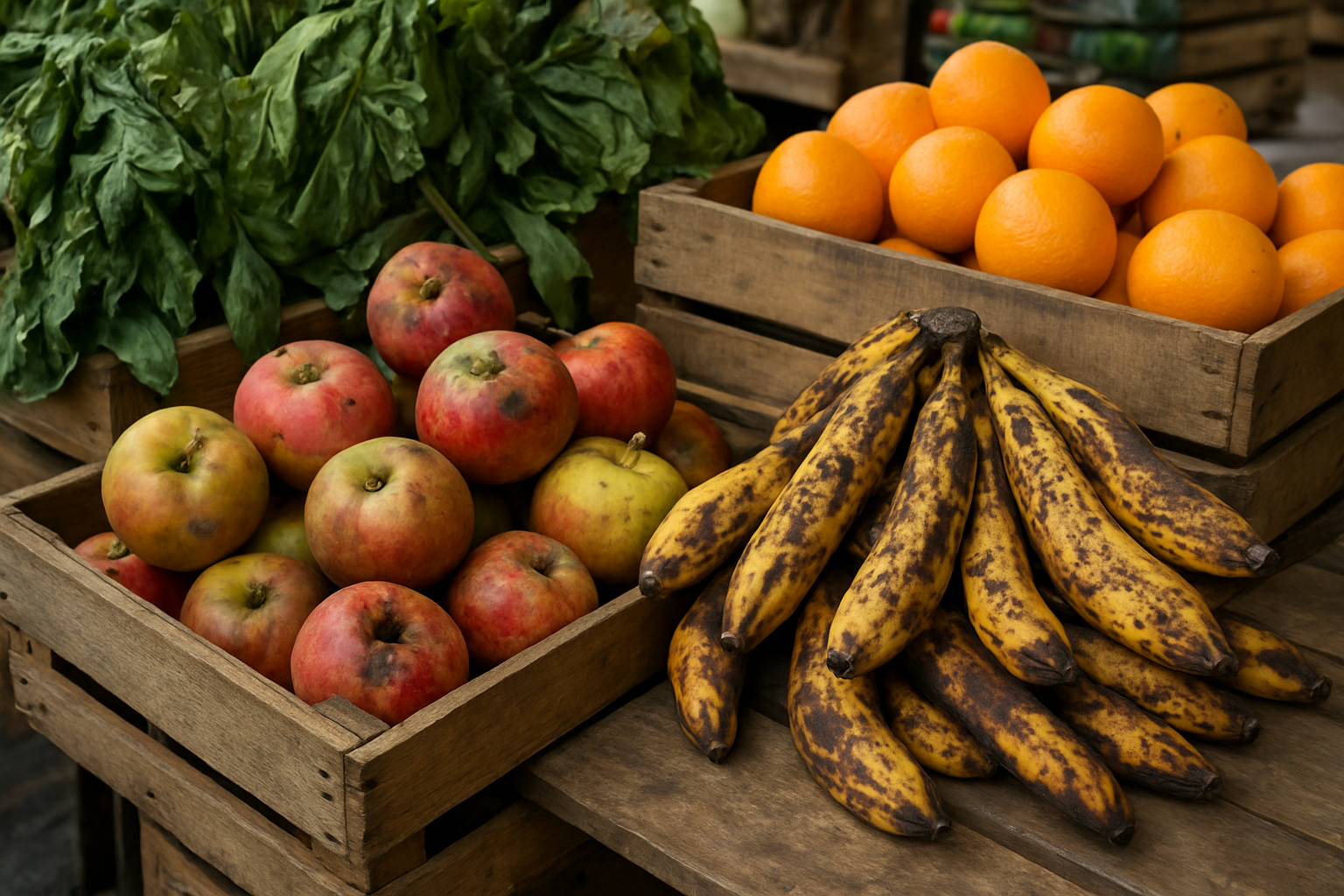
Many new fruit vendors make the costly mistake of selecting inventory based purely on wholesale prices rather than what customers actually want. Just because mangoes are cheap during off-season doesn't mean people will buy them when they're hard and flavorless. Smart fruit business tips always emphasize understanding your local market first.
Research what your target customers prefer and when they buy certain fruits. Office workers might grab quick-eating options like bananas and apples, while families shopping on weekends may invest in premium berries or exotic fruits. Track sales patterns and adjust your purchasing accordingly, even if it means paying slightly more for in-demand varieties.
Failing to establish consistent quality standards
Inconsistent quality kills customer trust faster than anything else in the fruit retail business. When customers can't predict whether they'll get sweet strawberries or sour ones, they'll shop elsewhere. Establishing clear quality control measures protects your reputation and builds loyal customers.
Create specific criteria for each fruit type you sell. For apples, this might include firmness levels, skin condition, and size requirements. Train staff to recognize these standards and reject subpar produce from suppliers. Document your standards and share them with vendors to ensure everyone understands expectations.
Regular quality checks throughout the day help maintain standards. Rotate stock properly, remove damaged items immediately, and monitor storage conditions. This attention to detail sets successful fruit businesses apart from those struggling with fruit business mistakes.
Ignoring seasonal availability and storage requirements
Each fruit has unique storage needs and peak seasons that directly impact profitability. Trying to sell tropical fruits during winter or storing delicate berries at room temperature wastes money and frustrates customers. Understanding these patterns prevents costly inventory losses.
| Fruit Type | Peak Season | Storage Temperature | Shelf Life |
|---|---|---|---|
| Berries | Summer | 32-36°F | 3-5 days |
| Citrus | Winter | 45-50°F | 2-3 weeks |
| Stone fruits | Summer | 32-35°F | 5-7 days |
| Tropical | Year-round | 50-55°F | 5-10 days |
Plan inventory around natural growing cycles and local preferences. Summer brings abundant local produce at better prices, while winter requires more imported options. Invest in proper refrigeration and humidity control to extend product life and maintain quality.
Neglecting to diversify product offerings
Relying on just a few fruit types limits revenue potential and makes your business vulnerable to supply disruptions or seasonal price swings. Customers appreciate variety and often discover new favorites when you offer diverse options.
Start with reliable staples like bananas, apples, and oranges, then gradually add seasonal specialties and exotic varieties. Consider complementary products like fresh juices, pre-cut fruit cups, or organic options to attract different customer segments.
Monitor which items perform well and adjust your mix accordingly. Some fruits might sell slowly but attract customers who then purchase other items. This cross-selling effect makes seemingly unprofitable products worthwhile when viewed as part of your overall strategy.
Inadequate Supply Chain Management

Relying on single suppliers without backup options
Building your entire fruit business around one supplier is like putting all your eggs in one basket – except these eggs can spoil, and your basket might break at the worst possible moment. Many fruit business owners make this critical mistake, thinking they've found the perfect supplier who offers great prices and quality products. When that supplier faces crop failures, transportation issues, or suddenly raises prices, your entire operation comes to a grinding halt.
Smart fruit business owners develop relationships with multiple suppliers across different regions. This approach protects you from seasonal variations, weather-related crop damage, and supplier-specific problems. Create a network of at least three reliable suppliers for your main fruit categories. Keep detailed records of each supplier's strengths, pricing, delivery schedules, and quality standards.
Diversifying your supplier base also gives you negotiating power. When suppliers know you have alternatives, they're more likely to maintain competitive pricing and quality standards. Establish backup suppliers even if you don't use them regularly – maintain these relationships through occasional small orders to ensure they'll prioritize you when needed.
Poor timing in procurement and inventory management
Timing mistakes in fruit procurement can destroy profit margins faster than any other supply chain error. Fruits are highly perishable, with narrow windows for optimal sales. Buy too early, and your inventory spoils before selling. Buy too late, and you miss peak demand periods while scrambling to find quality products at inflated prices.
Successful fruit business operators track seasonal patterns, local events, and customer demand cycles. They know that back-to-school season drives apple sales, summer barbecues increase berry demand, and holiday seasons boost citrus purchases. Create a procurement calendar that accounts for:
-
Seasonal availability and pricing patterns
-
Local events and festivals
-
Religious holidays and cultural celebrations
-
School schedules and community activities
Inventory turnover in fruit retail should happen every 2-3 days for highly perishable items and weekly for hardier fruits. Monitor sales velocity closely and adjust ordering patterns based on actual movement rather than assumptions. Use the first-in-first-out rotation system religiously to minimize spoilage losses.
Insufficient cold storage and transportation planning
Temperature control makes the difference between profit and massive losses in fruit business operations. Many entrepreneurs underestimate the critical importance of maintaining proper cold chain management from supplier to customer. Fruits continue ripening after harvest, and temperature fluctuations accelerate spoilage exponentially.
Invest in proper refrigeration equipment sized for your operation's needs, not just current inventory levels. Plan for growth and seasonal volume increases. Different fruits require different storage temperatures – bananas need warmer conditions than berries, while citrus fruits have their own optimal ranges. Understand these requirements and organize your storage accordingly.
Transportation planning extends beyond just moving products from point A to point B. Refrigerated vehicles, insulated containers, and delivery scheduling all impact product quality. Partner with logistics providers who understand perishable goods handling, or invest in your own temperature-controlled delivery system. Track delivery times and routes to minimize exposure to temperature variations.
Monitor storage conditions with digital thermometers and humidity gauges. Document temperature logs to identify patterns that might indicate equipment problems before they cause major losses. Emergency backup plans for equipment failures can save thousands of dollars in spoiled inventory during critical periods.
Pricing and Financial Management Errors

Setting prices without understanding market rates
Many fruit business owners make the critical mistake of pricing their products based on gut feelings rather than actual market research. This approach often leads to pricing yourself out of the market or leaving money on the table. When starting a fruit business, you need to research what competitors charge for similar products in your area. Visit local grocery stores, farmers markets, and other fruit vendors to understand the going rates.
Consider the quality difference between your products and others. If you're selling premium organic fruits, you can charge more than conventional produce, but you need to justify that premium through superior quality or unique varieties. Keep in mind that fruit business pricing strategies should also account for your target customers' purchasing power and shopping habits.
Ignoring hidden costs like spoilage and storage
One of the biggest fruit business mistakes involves underestimating the true cost of doing business. Spoilage represents a major expense that many newcomers fail to calculate properly. Fresh fruits have limited shelf lives, and even with proper handling, you'll lose some inventory to natural deterioration.
Storage costs add up quickly, especially if you need refrigerated space to maintain product quality. Factor in electricity bills for cooling systems, proper ventilation, and humidity control equipment. Transportation costs between suppliers and your location also impact your bottom line. These fruit vendor mistakes can quickly eat into profits if not properly accounted for in your pricing structure.
Failing to negotiate favorable payment terms with suppliers
Building strong relationships with suppliers goes beyond just securing good product prices. Payment terms significantly impact your cash flow, yet many fruit retailers accept whatever terms suppliers initially offer. Push for extended payment periods, especially during your business's early stages when cash flow is tight.
Negotiate volume discounts for larger orders and seasonal agreements that lock in favorable rates during peak growing seasons. Some suppliers offer early payment discounts, which can be worthwhile if your cash position allows it. Don't forget to discuss return policies for damaged or unsold merchandise.
Inadequate cash flow planning for seasonal fluctuations
The fruit business experiences significant seasonal variations that catch many operators off guard. Summer months typically bring abundance and lower wholesale prices, while winter often means higher costs and limited local availability. Your fruit business tips should include creating detailed cash flow projections that account for these seasonal patterns.
Plan for slower periods by building cash reserves during profitable months. Consider diversifying your product mix to include items with different seasonal patterns or exploring preserved fruit options during off-seasons. Understanding these cycles helps you make better purchasing decisions and avoid cash crunches during challenging periods.
Location and Market Research Mistakes

Choosing retail locations without foot traffic analysis
Walking by an empty fruit stand tells the whole story - prime location matters more than perfect produce when nobody's around to buy it. Many fruit business owners make the costly mistake of selecting retail locations based on low rent or gut feelings rather than actual customer traffic data.
Smart fruit business location selection requires analyzing pedestrian patterns throughout different times of day and week. Morning rush hours might bring office workers seeking quick breakfast options, while afternoon traffic could include parents picking up healthy snacks for kids. Weekend patterns often differ completely from weekday flows.
Professional foot traffic counters, local business association data, and simple observation sessions help reveal these patterns. Some entrepreneurs spend entire weeks monitoring potential locations, noting peak hours, customer demographics, and seasonal variations. This research prevents the heartbreak of opening in what seems like a busy area that actually empties out during crucial business hours.
Failing to understand local customer preferences
Every neighborhood has its own fruit personality. While exotic dragon fruit might fly off the shelves in trendy urban areas, suburban family neighborhoods often prefer familiar apples, bananas, and seasonal favorites. Misreading these preferences leads to inventory waste and missed sales opportunities.
Local taste preferences stem from cultural backgrounds, income levels, and shopping habits. Areas with large Hispanic populations might demand specific citrus varieties, while health-conscious communities prioritize organic options. Some neighborhoods love pre-cut convenience packs, others prefer whole fruits they can select themselves.
Successful fruit vendors conduct informal surveys, chat with potential customers, and observe shopping patterns at nearby grocery stores. They attend community events, join local business groups, and pay attention to restaurant menus in the area. This grassroots research reveals what people actually want to buy, not what business owners think they should want.
Ignoring competition and market saturation
Opening a fruit stand next to three established produce vendors rarely ends well. Market saturation analysis helps identify whether an area can support another fruit business or if differentiation strategies are necessary.
Competition research goes beyond counting nearby fruit vendors. Grocery stores, farmers markets, and even convenience stores selling fresh produce compete for the same customer dollars. Online delivery services and meal kit companies also impact local fruit sales, especially in tech-savvy neighborhoods.
Smart entrepreneurs map all direct and indirect competitors within a reasonable radius, analyze their pricing, product selection, and service quality. They identify gaps in the market - perhaps nobody offers late-night fresh fruit options, or organic selections are limited. This analysis reveals opportunities for differentiation rather than head-to-head competition.
Overlooking accessibility and parking considerations
Nothing kills fruit sales faster than customers who can't reach your location or find parking. These practical concerns often get overlooked during the excitement of starting a fruit business, but they directly impact daily operations and customer satisfaction.
Accessibility includes public transportation access, sidewalk conditions, and compliance with disability requirements. Busy intersections without crosswalks deter foot traffic, while locations near bus stops or subway exits naturally attract commuters. Elderly customers, a key demographic for fresh produce, need easy access without stairs or long walks.
Parking challenges vary by location type. Street vendors need loading zones for supply deliveries and customer parking for larger purchases. Shopping center locations should verify adequate parking during peak hours and consider whether customers will walk from distant parking spots carrying heavy fruit purchases. Even bicycle accessibility matters in many communities, requiring secure bike parking options.
Customer Service and Marketing Oversights
Lack of Proper Fruit Handling and Display Techniques
The way you handle and display your fruits directly impacts sales and customer perception. Many fruit business owners underestimate how visual presentation affects purchasing decisions. Bruised, overripe, or poorly arranged fruits send customers straight to competitors.
Temperature control is critical for maintaining freshness. Storing bananas next to apples accelerates ripening due to ethylene gas production. Create separate storage zones for different fruit types and invest in proper refrigeration systems. Rotate stock regularly using the "first in, first out" principle to prevent spoilage.
Your display strategy should highlight the best quality fruits at eye level while keeping delicate items like berries in protective containers. Use attractive lighting that makes colors pop without generating heat that damages produce. Mist certain fruits like leafy greens to maintain freshness, but avoid spraying citrus fruits which can develop mold faster when wet.
Insufficient Staff Training on Product Knowledge
Your team represents your business every time they interact with customers. Untrained staff who can't answer basic questions about ripeness, storage, or nutritional benefits create missed sales opportunities and frustrated customers.
Develop a comprehensive training program covering:
-
How to identify peak ripeness for different fruits
-
Proper storage recommendations for customers
-
Basic nutritional information and health benefits
-
Seasonal availability and best varieties
-
Handling techniques to prevent damage
Regular training sessions keep staff updated on new products and seasonal changes. Create quick reference guides they can consult when customers ask specific questions. Staff confidence translates directly into customer trust and increased sales.
Failing to Build Relationships with Regular Customers
Repeat customers form the backbone of successful fruit businesses, yet many owners treat them like strangers. Personal connections drive loyalty and word-of-mouth referrals that no advertising budget can match.
Learn regular customers' names and preferences. Remember who buys organic exclusively, who needs large quantities for events, or who prefers certain varieties. Offer personalized recommendations based on their past purchases or dietary goals.
Create a simple loyalty program that rewards frequent shoppers. This doesn't require expensive technology - a stamp card works perfectly for smaller operations. Send quick texts about special shipments or seasonal favorites to your best customers before advertising publicly.
Building relationships means going beyond transactions. Ask about family events where your fruits might play a role. Remember conversations about health goals or cooking projects. These personal touches create emotional connections that keep customers coming back.
Neglecting Online Presence and Social Media Marketing
Digital marketing isn't optional anymore, even for local fruit businesses. Customers research vendors online before visiting, and your absence from digital platforms suggests you're outdated or unreliable.
Start with basic Google My Business optimization. Ensure accurate hours, location, and contact information. Encourage satisfied customers to leave reviews and respond professionally to all feedback. Local search results heavily influence foot traffic.
Social media platforms offer powerful fruit business marketing opportunities. Instagram works particularly well for showcasing colorful, fresh produce. Post daily photos of new arrivals, seasonal specialties, or behind-the-scenes content showing your sourcing process. Facebook helps you connect with local community groups and share seasonal tips or recipes.
Consider simple email marketing to announce weekly specials or seasonal availability. Many customers appreciate advance notice about specialty items like exotic fruits or organic varieties. Even basic email newsletters can drive significant sales when sent consistently.
Online ordering and delivery services have become essential, especially after recent global events changed shopping behaviors. Partner with existing platforms or create simple pickup systems for regular customers. Your digital presence often determines whether potential customers choose your business over competitors.

Running a fruit business comes with plenty of opportunities to trip up, but most failures boil down to these core areas: choosing the wrong products or letting quality slip, mismanaging your supply chain, getting your pricing all wrong, picking bad locations without proper research, and dropping the ball on customer service and marketing. Each of these mistakes can sink your business faster than you might think, but the good news is they're all preventable with some planning and attention to detail.
Success in the fruit business isn't rocket science – it's about getting the basics right and staying consistent. Focus on sourcing quality products, build reliable supplier relationships, price your items competitively while protecting your margins, choose your location wisely, and never underestimate the power of treating customers well. Remember, people have plenty of places to buy their fruits, so give them a reason to keep coming back to you.


.png)
Comments
Post a Comment