Seasonal Fruits Calendar (What to Eat and When)
.png)
Seasonal Fruits Calendar: What to Eat and When
Eating fresh fruits that match the natural growing cycles can boost your health, save money, and deliver better flavors than out-of-season options. This seasonal fruit guide helps home cooks, health-conscious eaters, and budget-minded shoppers make smarter choices at the grocery store and farmers market.
When to eat seasonal fruits matters more than you might think. Your body craves different nutrients throughout the year – hydrating summer fruits during hot months, immune-boosting citrus when cold season hits, and energizing spring options after winter's heavy foods.
We'll walk you through each season's star fruits and their health benefits, plus share a practical monthly fruit calendar you can use for meal planning and grocery shopping. You'll also discover why seasonal eating benefits both your wallet and your wellbeing, making it easier to choose what fruits are in season no matter the time of year.
Understanding Seasonal Fruit Benefits for Your Health
Maximize Nutrient Absorption with Peak Season Produce
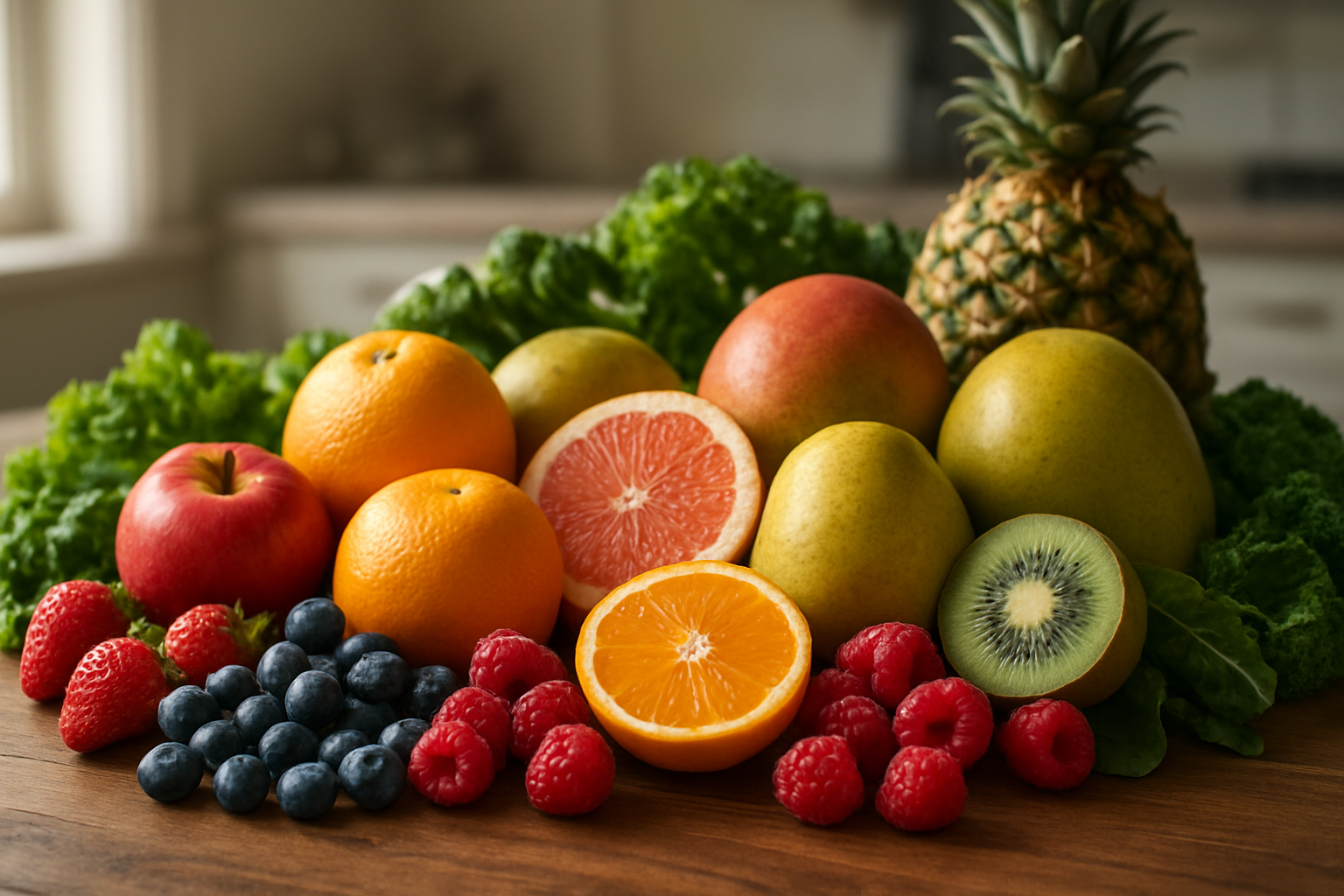
When fruits ripen naturally during their designated seasons, they develop their full nutritional potential. A fresh spring strawberry picked at peak ripeness contains significantly more vitamin C and antioxidants than one shipped from thousands of miles away or grown out of season in artificial conditions. This happens because seasonal fruits are allowed to mature completely on the plant, developing complex nutrient profiles that your body can easily absorb and use.
Peak season produce also maintains higher levels of phytonutrients—those powerful plant compounds that give fruits their vibrant colors and health benefits. For example, summer berries burst with anthocyanins that support brain health, while winter citrus fruits pack maximum vitamin C levels just when your immune system needs them most. Your seasonal fruit guide should prioritize these peak-nutrient windows for maximum health benefits.
Save Money by Buying Fruits at Their Natural Harvest Time
Shopping with a seasonal fruits calendar can cut your grocery bill dramatically. When fruits are in season locally, supply increases and prices drop naturally. You'll find that summer peaches cost a fraction of their winter price, and spring apples are budget-friendly compared to imported varieties available year-round.
Local farmers markets offer the best deals during peak seasons, often selling high-quality produce at wholesale prices. Many vendors provide bulk discounts when you buy seasonal fruits in larger quantities—perfect for freezing, preserving, or sharing with neighbors. This approach to seasonal eating benefits both your wallet and your health simultaneously.
Support Local Agriculture and Reduce Environmental Impact
Choosing seasonal fruits supports your local farming community while drastically reducing your carbon footprint. When you eat seasonal fruits that grow within a few hundred miles of your location, you eliminate the environmental cost of long-distance transportation, refrigerated storage, and extended packaging requirements.
Local seasonal produce requires less chemical preservation, artificial ripening, and protective packaging since it travels shorter distances. Your seasonal fruit shopping guide becomes an environmental action plan that reduces fuel consumption, plastic waste, and chemical runoff while keeping farming dollars in your community.
Enjoy Superior Taste and Freshness Year-Round
Nothing compares to the flavor explosion of a perfectly ripe, in-season fruit. Summer tomatoes taste completely different from their winter counterparts because they're picked at optimal ripeness rather than harvested early for shipping. Fall apples have that crisp texture and complex sweetness that storage varieties simply can't match months later.
Fresh fruit seasons deliver produce with natural sugars, acids, and aromatics at their peak balance. Your monthly fruit calendar becomes a roadmap to experiencing fruits exactly as nature intended—bursting with flavor, juicy, and satisfying in ways that out-of-season alternatives never achieve.
Spring Fruits to Energize Your Body After Winter
Early Spring Citrus Fruits for Vitamin C Boost
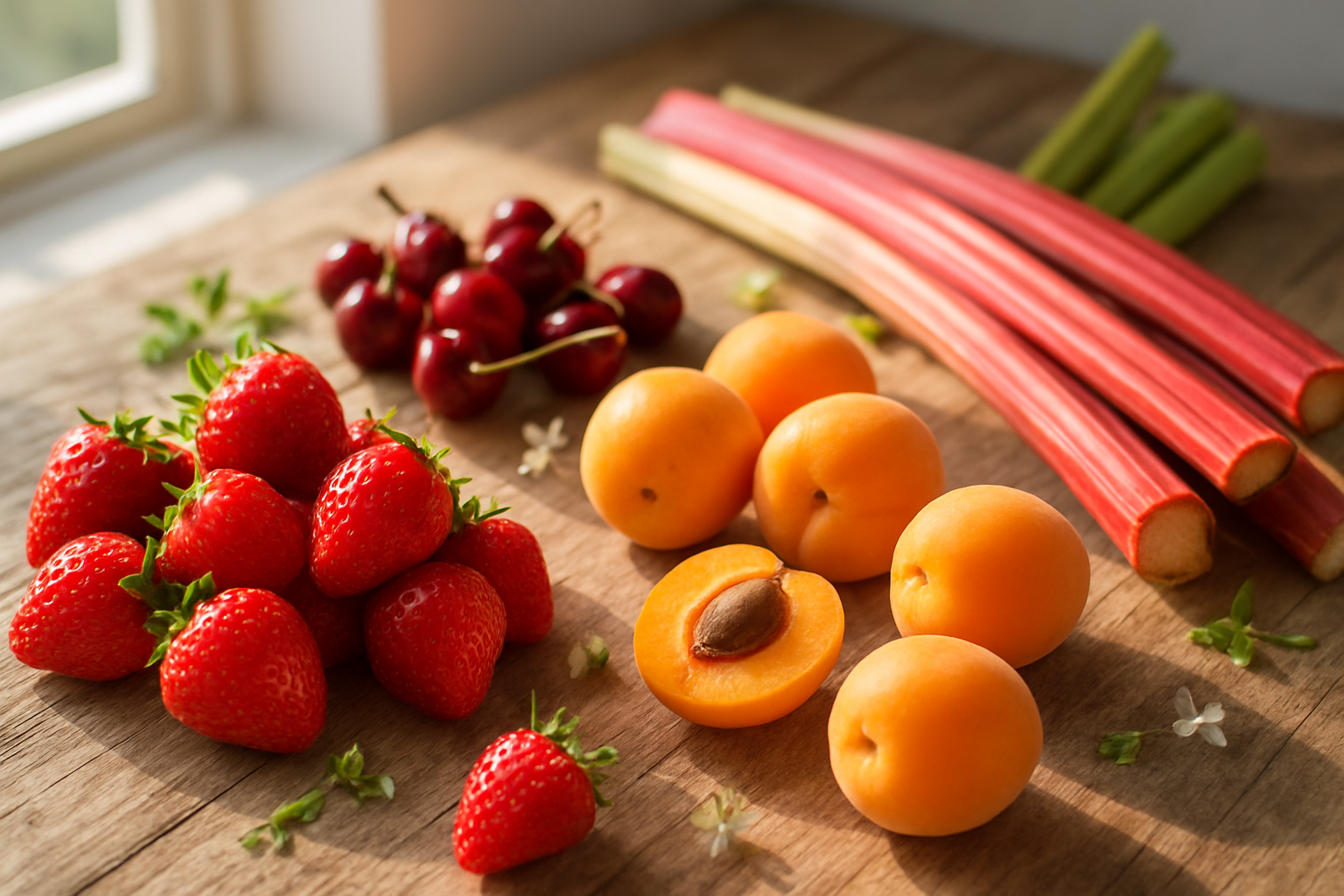
Spring citrus fruits pack a powerful punch when your body craves renewal after winter's long haul. Blood oranges, grapefruits, and late-season navel oranges reach their peak sweetness during March and April, delivering exactly what your vitamin-depleted system needs.
Blood oranges contain anthocyanins – the same antioxidants that give blueberries their superfood status. These compounds help reduce inflammation while supporting cardiovascular health. Grapefruits, especially the ruby red varieties, provide nearly 65% of your daily vitamin C needs in just half a fruit. The pink and red varieties also contain lycopene, which supports heart health and may help protect against certain cancers.
When shopping for spring citrus, choose fruits that feel heavy for their size with firm, smooth skin. Store them at room temperature for immediate eating or refrigerate for longer storage. The natural oils in citrus peels also contain beneficial compounds, so consider using organic varieties when zesting.
Strawberries and Their Anti-Inflammatory Properties
Fresh strawberries start appearing in farmers' markets by late April, marking one of spring's most anticipated arrivals. These ruby gems contain more vitamin C per serving than oranges, plus they're loaded with folate, potassium, and manganese.
The real magic lies in strawberries' unique combination of anthocyanins, ellagic acid, and quercetin. These natural compounds work together to reduce inflammation throughout your body, particularly beneficial for joint health and cardiovascular function. Research shows that eating strawberries regularly can help lower blood pressure and reduce markers of inflammation in the bloodstream.
Look for berries with bright red color extending to the stem area, avoiding those with white or pale shoulders. Fresh strawberries spoil quickly, so buy only what you'll eat within 2-3 days. Remove any damaged berries immediately to prevent spoilage from spreading. Wash them just before eating to maintain their texture and flavor.
Apricots for Natural Energy and Skin Health
Apricots bridge the gap between spring and summer, typically appearing in markets from May through early July. These velvety fruits provide natural sugars that deliver sustained energy without the crash associated with processed sweets.
Rich in beta-carotene, apricots support skin health from the inside out. Your body converts beta-carotene into vitamin A, essential for cell regeneration and maintaining healthy skin tissue. Fresh apricots also contain potassium for heart health, fiber for digestive wellness, and iron for energy production.
Choose apricots that yield slightly to gentle pressure and have a sweet aroma near the stem end. Avoid fruits with green tinges or overly soft spots. Ripe apricots continue softening at room temperature, so buy them a day or two before you plan to eat them for optimal flavor and texture.
Summer Abundance for Hydration and Cooling
Stone Fruits That Beat the Heat Naturally
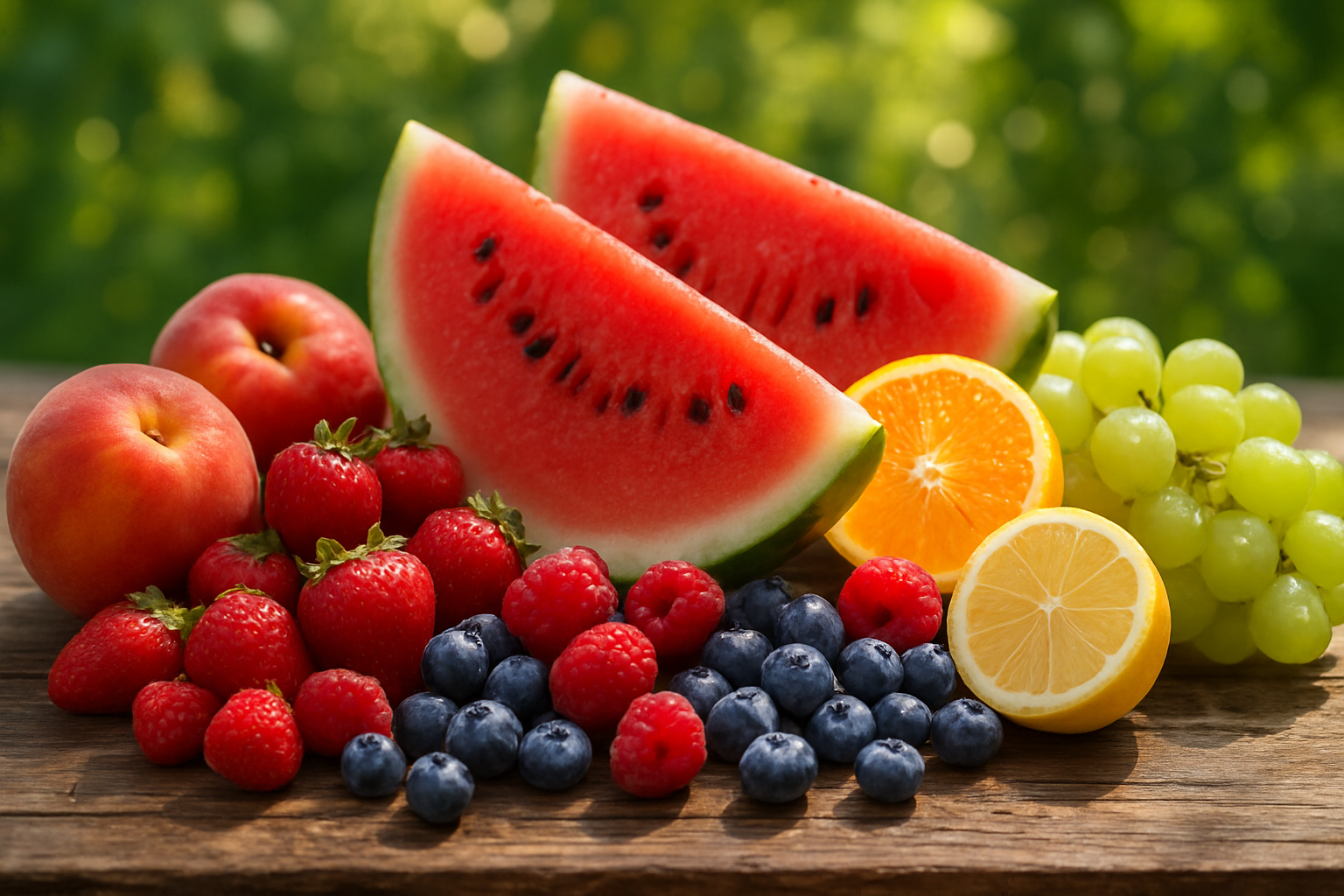
Stone fruits reach their absolute peak during summer months, offering the perfect combination of sweetness and natural cooling properties. Peaches, plums, apricots, and nectarines contain high water content that helps maintain hydration while delivering essential vitamins and minerals your body craves in hot weather.
Peaches shine from June through August, packed with vitamins A and C that support skin health during increased sun exposure. Their natural sugars provide quick energy without the crash of processed alternatives. Plums follow closely, available from July through September, offering potent antioxidants that help combat heat-related oxidative stress.
Nectarines and apricots deliver similar benefits with their own unique nutritional profiles. Apricots contain beta-carotene, which helps protect skin from UV damage, while nectarines provide fiber that supports digestive health during summer's lighter eating patterns.
Berries Packed with Antioxidants for Sun Protection
Summer brings an explosion of berry varieties, each offering powerful antioxidants that work as natural sun protection from the inside out. Strawberries, blueberries, blackberries, and raspberries contain anthocyanins and vitamin C that help repair cellular damage from increased outdoor activities.
Blueberries peak from June through August, providing some of the highest antioxidant levels among all fruits. Their anthocyanins support eye health and cognitive function during summer's demanding schedules. Strawberries offer vitamin C levels that exceed citrus fruits, supporting collagen production for healthy skin.
Blackberries and raspberries deliver fiber and folate, supporting energy production during active summer months. These berries freeze beautifully, allowing you to enjoy peak-season nutrition year-round when incorporated into smoothies or healthy desserts.
Melons for Ultimate Hydration and Electrolyte Balance
Melons serve as nature's sports drinks, providing exceptional hydration with natural electrolyte balance. Watermelon leads this category with 92% water content, plus lycopene that supports heart health and recovery from summer activities.
Cantaloupe offers beta-carotene and potassium, essential for maintaining proper muscle function during hot weather. Its natural sugars provide sustained energy without artificial additives. Honeydew delivers vitamin C and B vitamins that support immune function when summer travel and activities increase exposure to new environments.
These melons peak from July through September, offering the sweetest flavors and highest nutritional content. Choose melons that feel heavy for their size and give slightly when pressed at the blossom end.
Tropical Fruits Available at Peak Freshness
Summer marks peak season for many tropical fruits in North America, as imports arrive at their freshest and most affordable. Mangoes, pineapples, and papayas deliver enzymes that aid digestion during summer's varied eating patterns.
Mangoes provide vitamins A and C along with folate, supporting energy production during active summer months. Their creamy texture satisfies cravings for rich foods without heavy ingredients. Pineapples contain bromelain, an enzyme that reduces inflammation from increased physical activity.
Papayas offer papain enzyme and vitamin C, supporting digestive health and immune function. These tropical options complement summer's fresh eating style while providing nutrients that support an active lifestyle.
Autumn Harvest for Immune System Preparation
Apples and Pears for Digestive Health
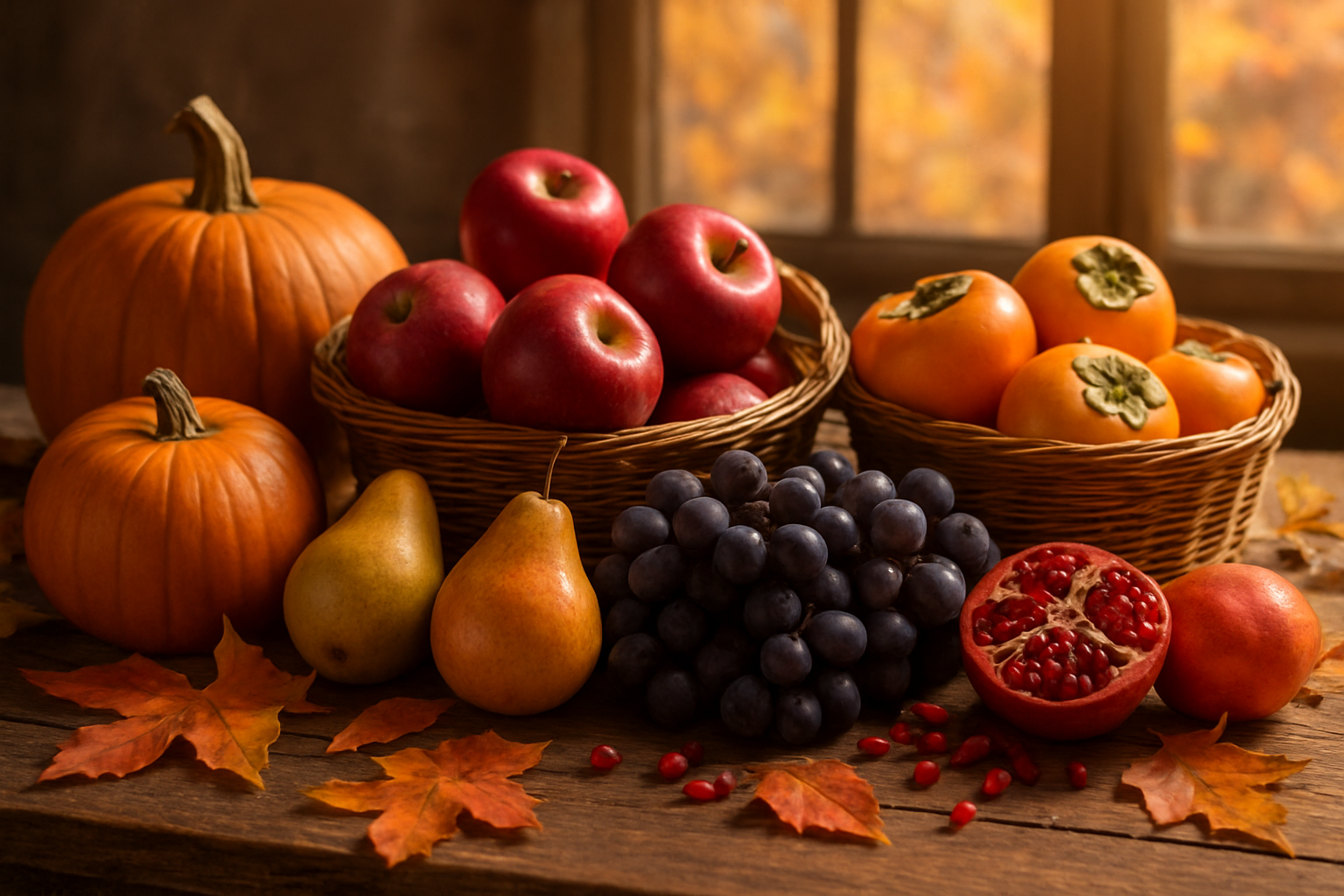
The classic autumn duo of apples and pears serves as nature's perfect digestive support system during this seasonal fruit guide period. These fall favorites contain impressive amounts of soluble fiber, particularly pectin, which helps regulate digestion and supports beneficial gut bacteria. A medium apple provides about 4 grams of fiber, while pears pack even more with roughly 6 grams per fruit.
Apples reach their peak from September through November, making them essential additions to any seasonal fruits calendar. Varieties like Honeycrisp, Gala, and Granny Smith offer different flavor profiles while delivering consistent health benefits. Pears, available from late summer through winter, provide natural sorbitol that gently supports digestive regularity.
Both fruits contain quercetin, a powerful antioxidant that reduces inflammation in the digestive tract. The skin holds most of these beneficial compounds, so eating them whole maximizes their health impact. Their natural enzymes also aid in breaking down other foods, making them excellent choices to eat before heavier autumn meals.
Cranberries for Natural Detoxification
Fresh cranberries arrive just in time for autumn's natural detox season, typically harvesting from October through December. These tart berries contain unique compounds called proanthocyanidins that support kidney and urinary tract health, helping your body flush out toxins more effectively.
Cranberries rank among the highest antioxidant-containing fruits, with their deep red color indicating high levels of anthocyanins and vitamin C. These nutrients work together to support liver function, your body's primary detoxification organ. The natural acids in cranberries also help prevent harmful bacteria from adhering to cellular walls throughout the urinary system.
Fresh cranberries offer more benefits than dried or processed versions, which often contain added sugars. Try incorporating them into smoothies, oatmeal, or homemade trail mixes. Their natural tartness pairs beautifully with sweeter autumn fruits like apples and pears, creating balanced flavor combinations that support your seasonal eating goals.
Pomegranates Rich in Disease-Fighting Compounds
Pomegranates emerge as autumn's antioxidant powerhouse, reaching peak ripeness from October through February. These ruby-jeweled fruits contain punicalagins, rare antioxidants found almost exclusively in pomegranates, which demonstrate remarkable anti-inflammatory and heart-protective properties.
Research shows pomegranate compounds may help reduce oxidative stress and support immune system function during cold season preparation. The fruit's ellagic acid content surpasses most other fruits, providing cellular protection against environmental damage. One cup of pomegranate seeds delivers about 30% of your daily vitamin C needs, plus significant amounts of vitamin K and folate.
The seeds, called arils, can be eaten fresh or juiced for concentrated benefits. When shopping for seasonal fruits during autumn months, choose pomegranates that feel heavy for their size with unblemished skin. Their natural storage ability means you can enjoy these immune-supporting fruits throughout the winter months, bridging the gap between autumn harvest and winter citrus season.
Late Season Grapes for Heart Health Benefits
Late-season grapes ripen from September through early November, offering concentrated heart-healthy compounds just when your body needs them most. These autumn varieties, including Cabernet Sauvignon, Merlot, and late-harvest table grapes, develop higher concentrations of resveratrol and other protective compounds due to extended growing periods.
The skin of red and purple grapes contains anthocyanins that support cardiovascular health by improving blood flow and reducing inflammation in blood vessels. Grapes also provide natural sugars that help maintain stable energy levels during autumn's shorter days and cooler temperatures.
Fresh grapes contain about 16% of your daily vitamin K needs, supporting bone health as you prepare for winter's indoor months. Their high water content helps maintain hydration as seasonal eating patterns shift toward heartier, warming foods. Late-season grapes pair excellently with autumn cheese boards, salads, and can be roasted with root vegetables for complex, seasonal flavor combinations that align with healthy seasonal eating practices.
Winter Citrus Season for Cold Weather Wellness
Oranges and Grapefruits for Immune Support
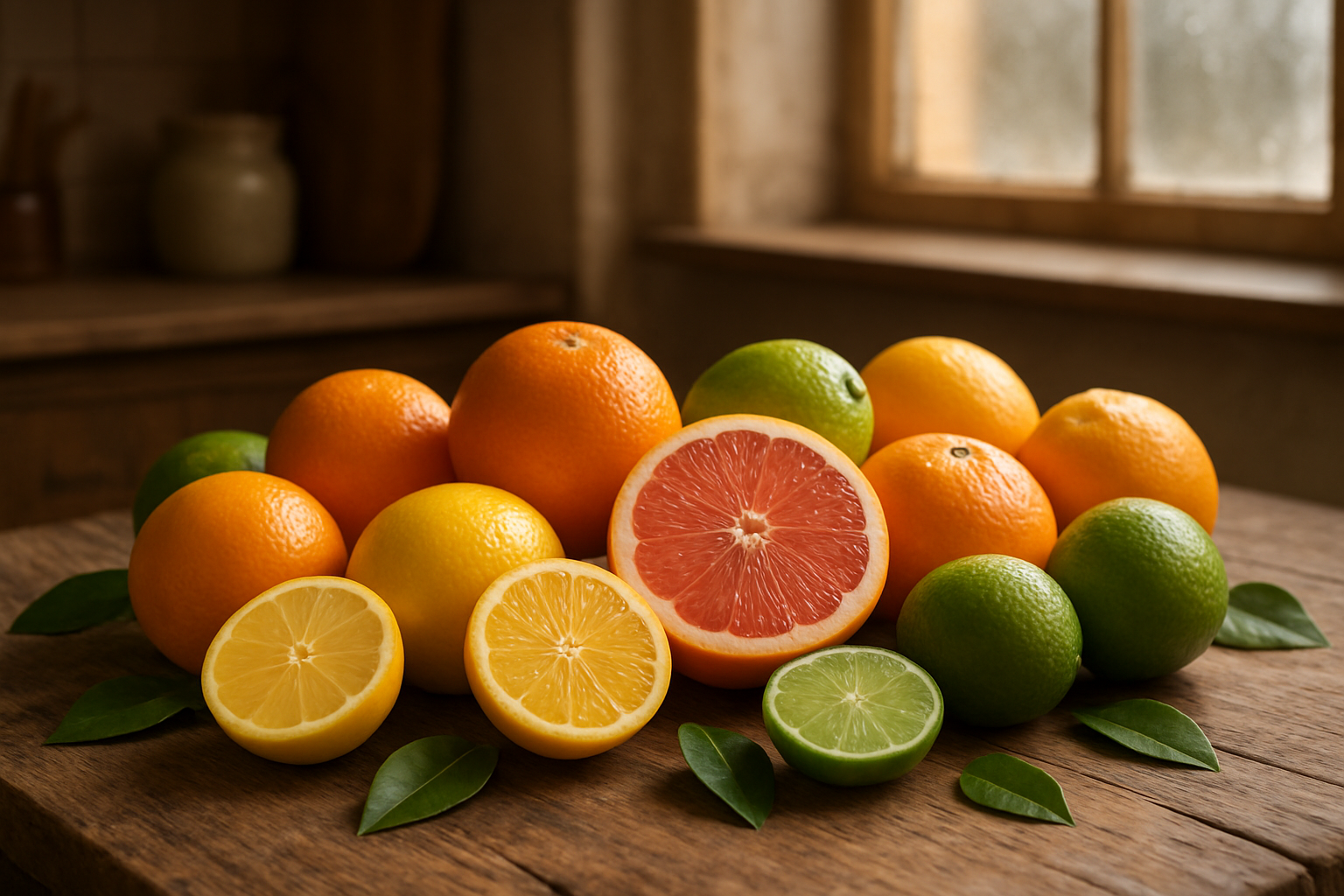
Winter brings the peak season for citrus fruits, making them perfect allies for staying healthy during cold months. Oranges reach their sweetest, juiciest state from December through March, packed with vitamin C that helps your immune system fight off seasonal bugs. A single medium orange provides about 70mg of vitamin C - nearly your entire daily requirement.
Grapefruits shine brightest from November to April, offering a tangy wake-up call for your taste buds and immune system. Pink and red varieties contain lycopene, an antioxidant that supports heart health and may reduce inflammation. The bitter compounds in grapefruit also help stimulate digestion, which tends to slow down during colder months.
Both fruits contain flavonoids like hesperidin and naringenin, which work alongside vitamin C to strengthen blood vessels and reduce cold symptoms. Ruby red grapefruits and blood oranges provide extra anthocyanins - the same compounds that give berries their superfood status.
Winter Pears and Apples for Fiber and Nutrients
Storage apples and winter pears become nutritional powerhouses during cold months. Varieties like Fuji, Gala, and Honeycrisp apples store beautifully through winter, maintaining their crisp texture and concentrated nutrients. These apples contain pectin, a soluble fiber that helps regulate blood sugar and keeps you feeling full longer - perfect for avoiding winter weight gain.
Winter pears like Anjou, Bosc, and Comice ripen slowly in cool storage, developing complex flavors and creamy textures. They're loaded with fiber (about 6 grams per medium pear) and potassium, which helps balance sodium intake from comfort foods. Pears also contain copper, essential for iron absorption and energy production when your body works harder to stay warm.
Both fruits provide quercetin, an anti-inflammatory compound concentrated in their skins. This natural antihistamine can help reduce seasonal allergy symptoms that sometimes flare up from dry indoor air.
Exotic Winter Fruits for Variety and Nutrition
Winter markets offer exciting tropical and exotic options that brighten cold days with vibrant flavors and unique nutrients. Pomegranates peak from October through February, bursting with antioxidants called punicalagins. These compounds have been shown to reduce inflammation and support heart health during stress-heavy winter months.
Kiwi fruits thrive in winter storage, providing more vitamin C per serving than oranges. Their tiny black seeds add fiber and omega-3 fatty acids, while the enzyme actinidin aids protein digestion. One kiwi delivers about 90mg of vitamin C plus folate and potassium.
Persimmons ripen late in fall and store well through winter. Fuyu varieties can be eaten crisp like apples, while Hachiya persimmons become sweet and custard-like when fully ripe. Both types contain high levels of vitamin A and manganese, supporting healthy vision and bone formation during months with limited sunlight.
Fresh dates, passion fruit, and star fruit add tropical flair to winter fruit bowls while providing diverse vitamins, minerals, and antioxidants that complement the seasonal citrus lineup perfectly.
Monthly Fruit Calendar for Easy Shopping Planning
Create Your Personal Seasonal Shopping List
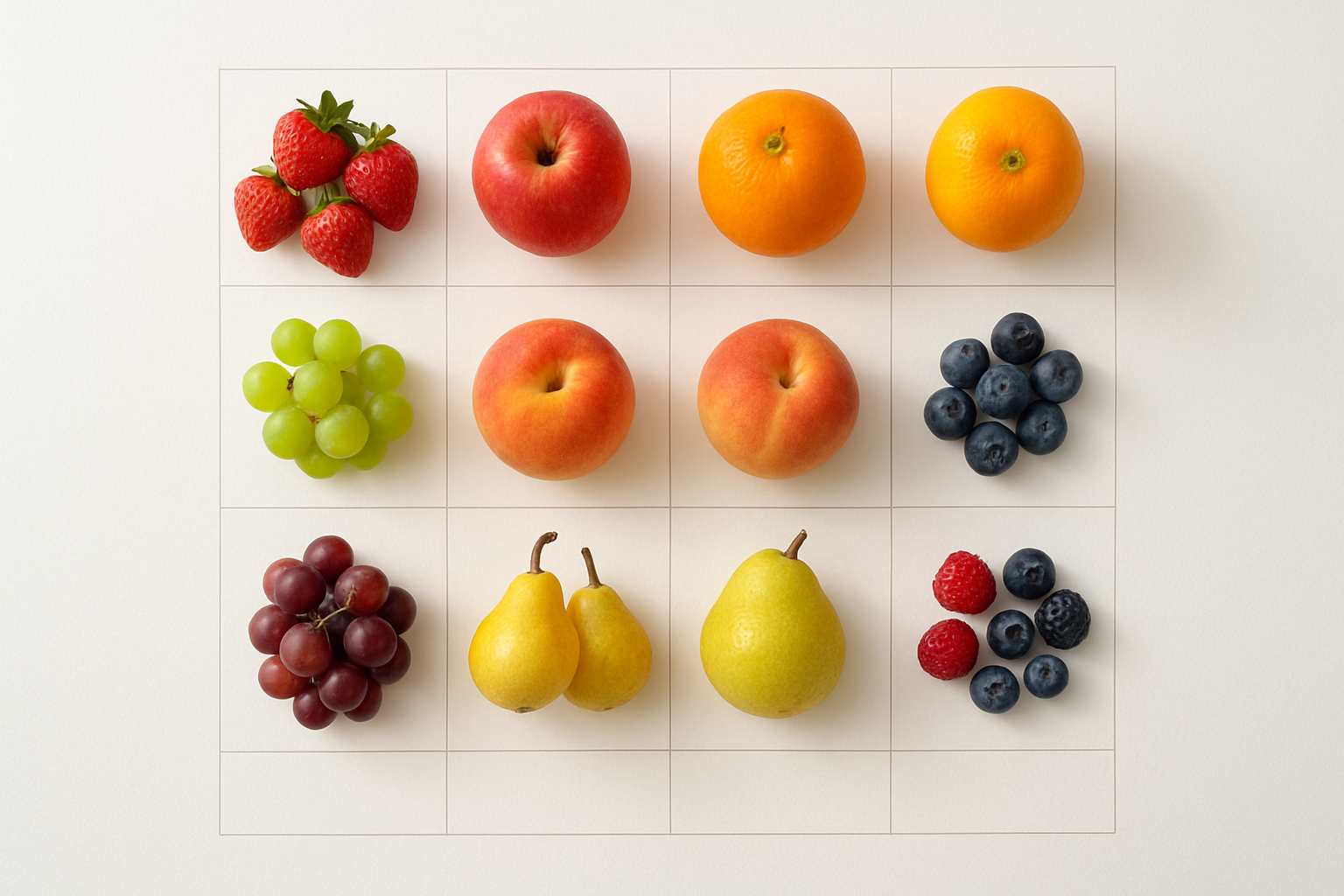
Building your own seasonal fruit calendar starts with understanding what grows naturally in your area throughout the year. Start by researching local farmers' markets and noting which fruits appear during specific months. This becomes your foundation for creating a monthly fruit calendar that actually works for your lifestyle and budget.
Create a simple chart listing each month alongside 3-5 fruits that peak during that time. For example, strawberries and rhubarb dominate late spring, while stone fruits like peaches and plums shine in summer. Apples and pears take center stage in fall, and citrus fruits brighten up winter months. Keep this list on your phone or stick it to your refrigerator for easy reference while grocery shopping.
Don't forget to include frozen and preserved options during off-seasons. Frozen berries maintain most of their nutritional value and cost significantly less than out-of-season fresh varieties. Your seasonal fruit guide should balance fresh options with practical alternatives.
Track Peak Seasons in Your Geographic Region
Regional differences dramatically affect seasonal fruit availability. What fruits are in season varies considerably between northern and southern climates, coastal and inland areas, and different elevation zones. Northern regions might see apple harvests lasting into November, while southern areas enjoy year-round citrus production.
Connect with local agricultural extensions, farmers' markets, and community-supported agriculture programs to learn your area's specific growing seasons. Many regions have unique micro-climates that extend or shorten traditional seasons. Coastal areas often have longer growing periods, while mountain regions face earlier frosts that limit late-season harvests.
Create location-specific notes in your monthly fruit calendar. Mark when local strawberry fields open for picking, note your region's peak peach weeks, and identify the best months for apple varieties in your area. This local knowledge helps you time purchases for maximum freshness and minimum cost.
Plan Meals Around Available Seasonal Produce
Smart meal planning revolves around seasonal fruit shopping guide principles. When berries flood markets in summer, plan smoothie bowls, berry salads, and fresh desserts. Fall apple abundance calls for warm fruit crisps, homemade applesauce, and hearty breakfast dishes featuring seasonal flavors.
Stock up during peak seasons and preserve excess fruit for later use. Freeze berries at their prime, dehydrate apple slices, and make jams from summer stone fruits. These preparations give you access to seasonal flavors year-round without paying premium out-of-season prices.
Build weekly menus based on what's currently in peak season. Summer meals feature refreshing fruit salads and cold soups, while winter menus incorporate warming citrus elements and stored preserves. This approach ensures maximum nutrition and flavor while supporting seasonal eating benefits.
Budget-Friendly Tips for Year-Round Fruit Consumption
Seasonal eating benefits extend far beyond nutrition - your wallet notices the difference too. Fresh fruit seasons bring dramatic price drops when local abundance meets market demand. A pound of strawberries might cost $6 in winter but drops to $2 during local harvest time.
Buy in bulk during peak seasons and preserve for year-round use. Invest in a good freezer space and basic preservation equipment. Frozen fruit works perfectly for smoothies, baking, and cooking applications. Dehydrated fruits make excellent snacks and last months when stored properly.
Shop at farmers' markets during closing hours for discounted prices on slightly overripe fruit - perfect for immediate consumption or preserving. Join community-supported agriculture programs for consistent access to seasonal produce at reduced costs. These relationships often provide access to "seconds" - cosmetically imperfect but nutritionally equivalent fruits at significant savings.
Consider fruit-sharing networks in your community. Many backyard fruit trees produce more than families can consume, creating opportunities for sharing or trading with neighbors. Apps and community boards often connect people with excess harvests to those seeking fresh, local options.
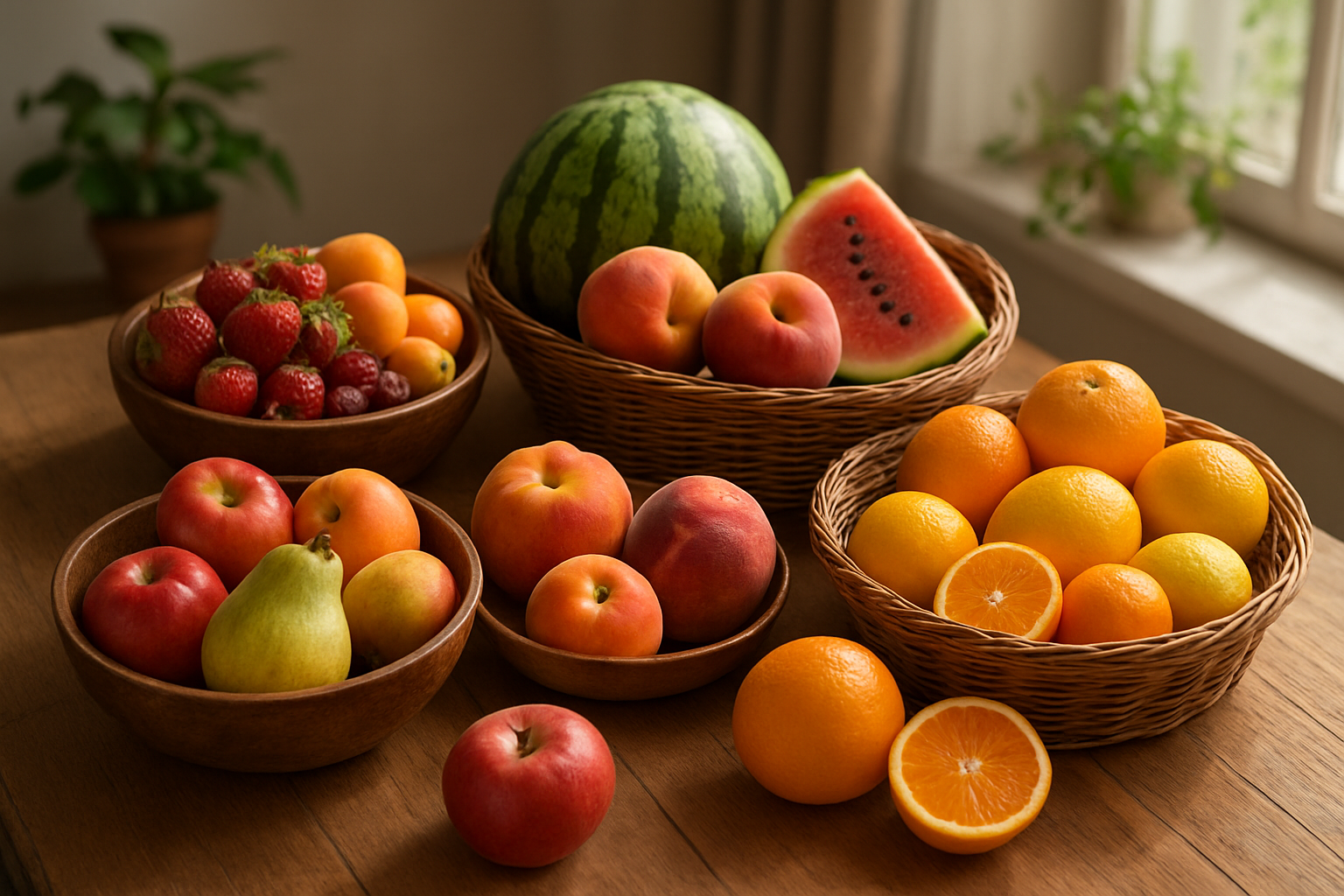
Eating fruits that match the seasons brings real benefits to your health and your wallet. Spring strawberries and apricots help your body bounce back from winter, while summer's watermelons and peaches keep you cool and hydrated. Fall apples and pears give you the nutrients you need before cold weather hits, and winter citrus fruits pack the vitamin C that fights off seasonal bugs.
The best part about following nature's timeline is how simple it makes grocery shopping. When you know what's in season each month, you'll find fresher fruits that taste better and cost less. Start small by picking one seasonal fruit to try each week, and soon you'll develop a natural rhythm that supports your health year-round. Your body will thank you for eating what it needs when it needs it most.


.png)
Comments
Post a Comment