The Hidden Chemicals in Fruits (and How to Avoid Them)
Many health-conscious consumers don't realize that their favorite fruits often carry invisible chemical residue from pesticides, waxes, and other agricultural treatments. This comprehensive guide is for anyone who wants to enjoy fresh produce while minimizing their exposure to potentially harmful fruit chemicals.
The truth is, even washing with plain water won't remove all pesticides on fruits. From apples to strawberries, chemical contamination affects both conventional and some organic produce in ways that might surprise you. Chemical exposure from food has become a growing concern as studies reveal links between pesticide residue and various health issues.
We'll explore which fruits carry the heaviest chemical loads, including the infamous dirty dozen fruits that top contamination lists year after year. You'll discover proven methods to remove pesticides from fruit using simple household items that are more effective than you'd expect. We'll also share smart shopping strategies to help you choose pesticide-free fruits when possible and know when organic vs conventional fruit makes the biggest difference for your health and budget.
By the end, you'll have practical tools to wash fruits to remove chemicals effectively and make informed decisions about the produce you bring home to your family.
Common Chemical Contaminants Found on Popular Fruits
Pesticide residues and their toxic effects on health
Modern agriculture relies heavily on pesticides to protect crops from insects, weeds, and diseases. These chemical compounds penetrate fruit skin and can persist even after washing. Organophosphates, commonly found on apples and grapes, disrupt the nervous system by blocking acetylcholinesterase enzymes. Carbamates work similarly and appear frequently on stone fruits like peaches and nectarines.
Neonicotinoids represent another concerning group of pesticides on fruits. Originally designed to target insect nervous systems, these chemicals can cross-react with human neurological pathways. Studies link chronic exposure to memory problems, attention deficits, and developmental issues in children. Glyphosate, the world's most widely used herbicide, shows up on citrus fruits and berries, with potential connections to hormonal disruption and cellular damage.
The cumulative effect of multiple pesticide residues creates what researchers call the "cocktail effect" - where small amounts of different chemicals interact in unpredictable ways. Your body processes these toxins through the liver, but constant exposure can overwhelm detoxification pathways, leading to bioaccumulation in fatty tissues.
Fungicides used to prevent mold during transportation
Fungicides keep fruits looking fresh during long shipping journeys, but these chemicals often penetrate deeper than surface-level pesticides. Thiabendazole, commonly applied to citrus fruits, bananas, and apples, prevents fungal growth but carries potential liver and reproductive toxicity risks. This chemical creates a protective barrier that extends shelf life but becomes nearly impossible to remove through standard washing.
Fludioxonil appears on grapes, strawberries, and stone fruits to prevent gray mold. While less acutely toxic than some alternatives, this fungicide accumulates in plant tissues and resists breakdown. Iprodione, another popular choice for berries and stone fruits, has raised concerns due to its classification as a possible carcinogen by health authorities.
Post-harvest fungicide treatments happen after fruits are picked, meaning these chemicals get applied directly to produce you'll eventually eat. Unlike pre-harvest applications that may break down over time, post-harvest treatments remain concentrated on fruit surfaces. Some fungicides even get injected into fruit stems or applied as edible coatings, making removal extremely difficult.
Wax coatings that contain harmful preservatives
That glossy shine on supermarket apples and citrus fruits comes from artificial wax coatings designed to replace natural waxes removed during washing. These coatings often contain petroleum-based compounds, shellac derived from insect secretions, or synthetic polymers that trap other chemical residues underneath.
Commercial fruit waxes frequently include preservatives like sodium benzoate, potassium sorbate, or parabens to extend shelf life. These additives can trigger allergic reactions in sensitive individuals and may disrupt hormonal systems with prolonged exposure. Some wax formulations contain morpholine, a compound that forms nitrosamines when combined with nitrites - creating potentially carcinogenic substances.
The real problem with wax coatings lies in their ability to seal in other chemical contaminants. Pesticides and fungicides applied before waxing become trapped beneath this protective layer, making removal through washing nearly impossible. Even organic produce sometimes receives approved natural wax treatments, though these generally contain fewer synthetic additives.
Growth regulators that accelerate ripening artificially
Ethylene gas treatment forces fruits to ripen quickly and uniformly for market appeal, but this process often involves synthetic growth regulators that remain as residues. 1-methylcyclopropene (1-MCP) slows ripening in storage, while ethephon speeds it up on command. These hormone-disrupting chemicals interfere with natural plant processes and may affect human endocrine systems.
Auxin-type growth regulators prevent fruit drop and control ripening timing but can accumulate in fruit tissues. Some of these compounds share structural similarities with human hormones, raising concerns about reproductive health impacts. Gibberellins, used to increase fruit size and extend growing seasons, may persist through harvest and processing.
The timing of growth regulator applications makes them particularly concerning. Applied close to harvest time, these chemicals have little opportunity to break down naturally. Unlike pesticides that target external threats, growth regulators work from within the plant, making their residues more likely to appear throughout the fruit rather than just on surfaces.
The Dirty Dozen: Fruits with the Highest Chemical Loads
Strawberries and their shocking pesticide absorption rates
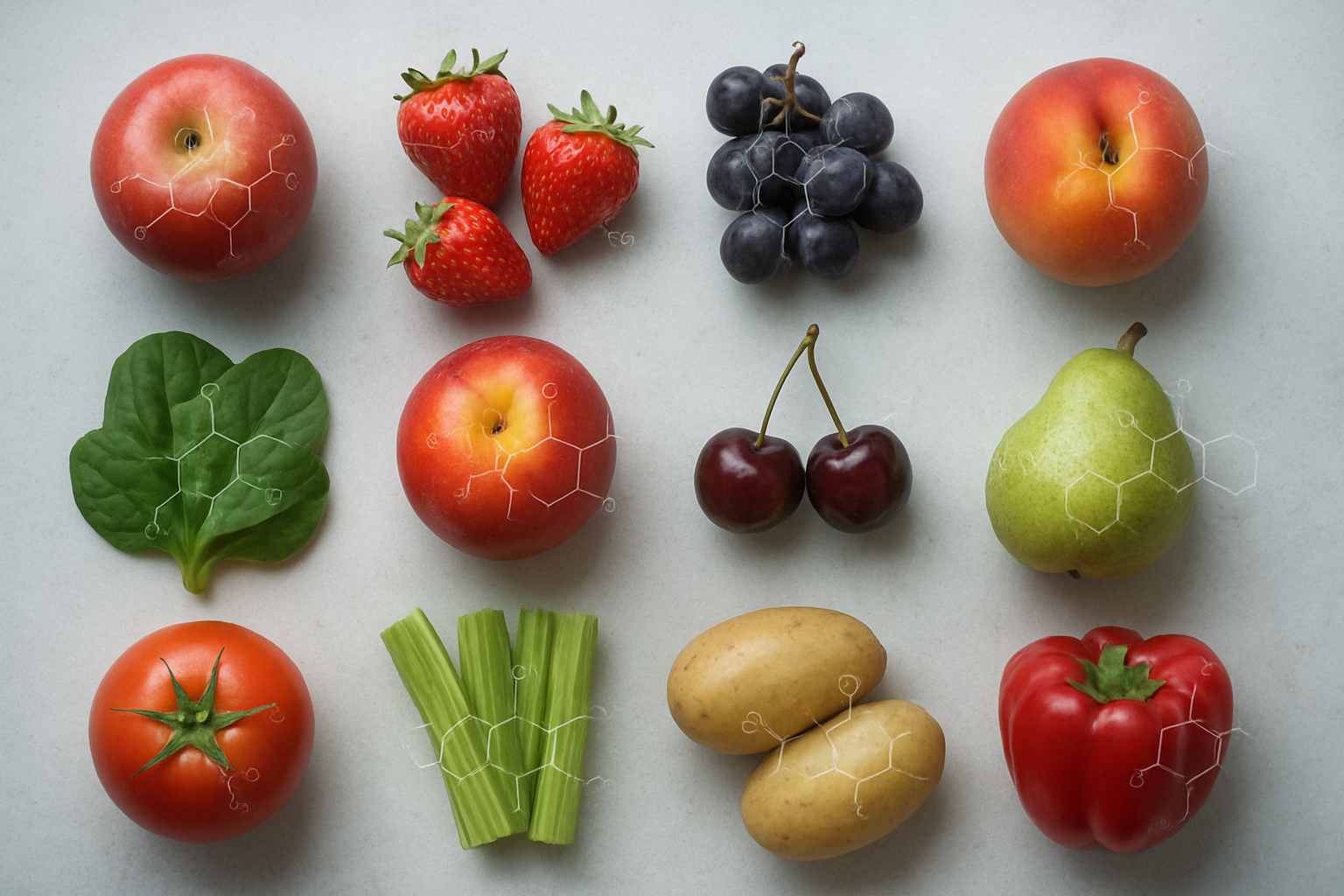
Strawberries consistently top the dirty dozen fruits list, and the reasons are genuinely alarming. These beloved berries can harbor residues from over 20 different pesticides, with some samples showing traces of up to 13 different chemicals simultaneously. The Environmental Working Group's testing revealed that 99% of conventional strawberry samples contained detectable pesticide residues, making them the most contaminated fruit on grocery store shelves.
The unique structure of strawberries makes them particularly vulnerable to chemical absorption. Unlike fruits with protective peels, strawberries have porous skin with numerous tiny seeds on their surface, creating multiple entry points for pesticides. Their delicate nature means they require frequent chemical treatments during growing and post-harvest handling to prevent spoilage and pest damage.
Common pesticides found on strawberries include carbendazim, bifenthrin, and malathion. These chemicals penetrate beyond the surface, making simple washing insufficient for complete removal. The high water content and soft texture of strawberries allow systemic pesticides to distribute throughout the entire fruit, not just the outer layer.
Apples and the multiple chemical treatments they receive
Apples receive an extensive array of chemical treatments from orchard to store shelf, making them one of the most chemically-laden fruits in conventional agriculture. The journey begins in orchards where trees are regularly sprayed with fungicides, insecticides, and herbicides throughout the growing season. Popular varieties like Gala, Fuji, and Red Delicious typically receive 10-15 different pesticide applications annually.
Post-harvest treatment adds another layer of chemical exposure. Many apples are treated with diphenylamine (DPA) to prevent storage scald, a browning condition that occurs during long-term storage. This chemical can penetrate the apple's waxy coating and remain present even after washing. Wax coatings applied to enhance appearance often contain additional preservatives and may trap pesticide residues beneath the surface.
The thin, edible skin of apples acts like a sponge for these chemicals. Testing frequently reveals residues from multiple pesticide classes, including organophosphates, carbamates, and neonicotinoids. The concentration of chemical residue on produce varies significantly between conventional and organic apples, with organic varieties showing 80% fewer detectable pesticides.
Grapes and their concentration of systemic pesticides
Grapes present unique challenges regarding chemical contamination due to their cluster growth pattern and thin skin. Both table grapes and wine grapes accumulate high levels of pesticide residues, with imported varieties often showing the highest concentrations. The delicate skin and high sugar content make grapes attractive to numerous pests, leading to frequent pesticide applications.
Systemic pesticides pose the greatest concern with grapes. These chemicals are absorbed by the vine and distributed throughout the plant, including into the fruit itself. Unlike contact pesticides that remain on surfaces, systemic chemicals cannot be removed through washing or peeling. Common systemic pesticides found in grapes include imidacloprid and thiamethoxam, both linked to environmental and health concerns.
The clustering nature of grape bunches creates ideal conditions for pest infestations, requiring multiple treatment cycles. Fungicides are particularly prevalent due to grapes' susceptibility to mold and mildew. Studies have detected up to 15 different pesticide residues on single grape samples, with some exceeding safe tolerance levels set by regulatory agencies.
Imported grapes often contain higher pesticide levels than domestic varieties due to different regulatory standards and longer transport times requiring additional preservative treatments. Chilean and Mexican grapes, commonly available during winter months, frequently test positive for chemicals banned or restricted in domestic production.
Health Risks Associated with Chemical Exposure from Fruits
Hormone Disruption from Endocrine-Disrupting Chemicals
Pesticides on fruits can seriously mess with your body's hormone system. Many conventional fruits contain chemicals that act like hormone imposters, tricking your endocrine system into thinking they're natural hormones. These sneaky substances can throw off everything from your metabolism to your reproductive health.
Atrazine, commonly found on apples and berries, mimics estrogen and can disrupt normal hormone production. Women might experience irregular menstrual cycles, while men could see drops in testosterone levels. Even small amounts of these chemical residues on produce add up over time, creating a cocktail of hormone disruptors in your system.
The worst part? Your thyroid gets hit hard too. Organochlorines found on grapes and strawberries interfere with thyroid function, potentially leading to weight gain, fatigue, and mood swings. Children are especially vulnerable since their hormone systems are still developing.
Neurological Effects Linked to Organophosphate Pesticides
Your brain doesn't appreciate the fruit chemicals that tag along with your daily apple or peach. Organophosphate pesticides, designed to attack insect nervous systems, don't discriminate when it comes to human neurons.
These chemicals work by blocking acetylcholinesterase, an enzyme crucial for proper nerve function. When this enzyme gets shut down, nerve signals go haywire. You might notice:
-
Memory problems and brain fog
-
Difficulty concentrating
-
Headaches and dizziness
-
Hand tremors or muscle weakness
Kids exposed to organophosphates show measurable drops in IQ scores and increased rates of ADHD. The developing brain is like a construction site - any interference with the building process can cause lasting damage.
Studies tracking farmworker families reveal children with higher pesticide exposure score lower on cognitive tests and struggle more with learning disabilities. The scary part is that even typical grocery store fruit contains enough residue to affect brain development.
Cancer Risks from Prolonged Exposure to Carcinogenic Residues
Chemical exposure from food accumulates in your body fat, creating a toxic storage system that releases carcinogens slowly over time. The International Agency for Research on Cancer has flagged several pesticides commonly found on fruits as probable human carcinogens.
Glyphosate residues on conventional strawberries and cherries have been linked to non-Hodgkin's lymphoma. Meanwhile, the fungicide captan, sprayed on apples to prevent rot, shows up in cancer studies as a potential cause of digestive system tumors.
Your liver works overtime trying to process these pesticide-free fruits wannabes, but it can't keep up with constant exposure. When your detox system gets overwhelmed, cancer-causing compounds stick around longer, increasing your risk of cellular damage and DNA mutations.
| Fruit | Common Carcinogenic Pesticide | Associated Cancer Type |
|---|---|---|
| Strawberries | Glyphosate | Non-Hodgkin's Lymphoma |
| Apples | Captan | Digestive System |
| Grapes | 2,4-D | Liver Cancer |
| Peaches | Malathion | Lung Cancer |
Immune System Weakening from Chemical Accumulation
Your immune system treats fruit contamination chemicals like foreign invaders, constantly mobilizing defenses against these synthetic compounds. This ongoing battle exhausts your immune resources, leaving you more vulnerable to infections and diseases.
Pesticide residues create chronic inflammation throughout your body. Your white blood cells get confused, sometimes attacking healthy tissue while missing real threats like viruses and bacteria. People with higher pesticide exposure catch colds more often and take longer to recover from illnesses.
The gut microbiome - your body's first line of immune defense - takes a major hit from these chemicals. Beneficial bacteria die off while harmful strains flourish, creating an imbalanced ecosystem that can't properly support immune function.
Research shows children eating the most pesticide-heavy fruits have weaker responses to vaccines and higher rates of allergies. Their developing immune systems learn to recognize food chemicals as normal, potentially setting up lifelong sensitivity and autoimmune issues.
Even worse, chemical accumulation happens faster than elimination. Your body stores these compounds in fat tissue, creating a reservoir that slowly leaks toxins back into your bloodstream, keeping your immune system in a constant state of alert.
Proven Methods to Remove Chemicals from Conventional Fruits

Effective washing techniques using household ingredients
Plain water alone removes only about 10-15% of pesticide residues from fruits. The good news is that common household ingredients can dramatically boost your cleaning power. A simple baking soda solution works wonders - mix one teaspoon of baking soda with two cups of water to create an effective pesticide-removing wash. The alkaline properties of baking soda help break down chemical residue on produce better than water alone.
White vinegar offers another powerful option for removing pesticides from fruit. Create a solution using one part white vinegar to three parts water, then soak your fruits for 5-10 minutes. The acetic acid in vinegar helps dissolve waxy coatings and pesticide films that cling to fruit surfaces.
For delicate berries and soft fruits, a gentle salt water solution works best. Dissolve one tablespoon of salt in a bowl of cool water and swish the fruits gently for 30 seconds. This method removes dirt, bacteria, and surface chemical residue without damaging tender skin.
Commercial fruit and vegetable washes aren't necessary when these household ingredients perform just as well at a fraction of the cost. Avoid using dish soap or bleach solutions, as these can leave harmful residues of their own.
Peeling strategies that maximize chemical removal
Strategic peeling can eliminate up to 75% of chemical residue on produce, but timing and technique matter. Always wash fruits thoroughly before peeling to prevent transferring surface contaminants to the flesh through your knife or peeler.
For apples, pears, and stone fruits, use a sharp vegetable peeler to remove thin, even strips. Thick peeling wastes valuable nutrients found just beneath the skin, while thin peeling removes most pesticide residues that concentrate in waxy outer layers.
Root vegetables and thick-skinned fruits benefit from scrubbing with a clean vegetable brush before peeling. This mechanical action helps loosen stubborn chemical residue that washing alone might miss.
Consider selective peeling based on contamination levels. The Environmental Working Group's Dirty Dozen list can guide your peeling decisions - heavily contaminated fruits like apples and peaches benefit most from peeling, while cleaner options like avocados may only need thorough washing.
Remember that fruit peels contain valuable fiber, antioxidants, and nutrients. Balance chemical exposure concerns with nutritional benefits by choosing organic versions of high-contamination fruits when possible, allowing you to keep nutrient-rich peels.
Soaking methods with timing for optimal results
Proper soaking times make the difference between effective chemical removal and wasted effort. Most pesticides require 10-15 minutes of soaking to break down effectively, but different fruits need different approaches.
Hard fruits like apples and pears can handle longer soaking times - up to 20 minutes in baking soda solution without texture changes. Submerge completely and agitate gently every few minutes to ensure even chemical removal.
Soft fruits like berries and grapes need gentler treatment. Soak for 5-10 minutes maximum to prevent water absorption that leads to mushy texture. Use cool water rather than warm, which can speed deterioration.
| Fruit Type | Soaking Time | Best Solution |
|---|---|---|
| Apples, Pears | 15-20 minutes | Baking soda water |
| Berries | 5-10 minutes | Salt water |
| Grapes | 10 minutes | Vinegar solution |
| Stone fruits | 12-15 minutes | Baking soda water |
After soaking, rinse thoroughly with clean water for at least 30 seconds. Pat dry with clean paper towels rather than cloth towels, which can harbor bacteria. This final rinse removes both chemical residues and cleaning solution remnants.
For maximum effectiveness, combine soaking with gentle scrubbing using your hands or a soft brush. The mechanical action helps dislodge stubborn residues that soaking alone might not eliminate.
Smart Shopping Strategies to Minimize Chemical Exposure
Organic fruit selection for maximum health benefits
Choosing organic fruits represents the most direct path to avoiding chemical residue on produce. Organic certification requires growers to eliminate synthetic pesticides, herbicides, and fungicides from their farming practices. These fruits typically contain 70% fewer pesticide residues compared to conventional options, making them the gold standard for chemical-free eating.
When selecting organic fruits, prioritize items from the dirty dozen fruits list first. Apples, strawberries, grapes, and peaches show the most dramatic difference between organic and conventional versions. Even if you can't afford to go completely organic, switching just these high-risk fruits can significantly reduce your overall chemical exposure from food.
Look for the USDA Organic seal rather than vague terms like "natural" or "eco-friendly." The organic certification process involves rigorous third-party inspections and detailed record-keeping, ensuring genuine pesticide-free fruits reach your table.
Local farmers market advantages over supermarket produce
Farmers markets offer unique benefits beyond just fresher produce. Local growers often use fewer chemicals than large-scale commercial operations, even when not certified organic. Small farms typically employ integrated pest management techniques that minimize pesticide use while maintaining crop health.
Direct communication with farmers allows you to ask specific questions about their growing practices. Many local producers use organic methods but haven't pursued expensive certification. They can tell you exactly what treatments, if any, they've used on their crops.
The shorter supply chain means fruits require fewer post-harvest chemical treatments. Supermarket produce often receives fungicides and preservatives to survive long-distance shipping and extended storage periods. Local fruits picked at peak ripeness need minimal chemical intervention.
Seasonal fruit choices that require fewer chemical treatments
Timing your fruit purchases with natural growing seasons dramatically reduces chemical exposure. Summer stone fruits like peaches and plums grown in their proper season need fewer fungicides and preservatives. Winter citrus fruits naturally resist pests better in cooler months, requiring less intensive spraying.
Spring berries pose higher risks because their delicate nature makes them vulnerable to pests and diseases throughout the growing season. However, late summer berry crops often receive fewer treatments as natural pest cycles wind down.
Root vegetables and tree fruits harvested in fall typically undergo minimal chemical treatment since cooler temperatures naturally suppress pest activity. Planning your fruit consumption around these natural cycles helps you avoid peak pesticide periods.
Reading labels to identify truly clean fruit options
Understanding produce labels goes beyond organic certification. PLU codes starting with 9 indicate organic produce, while 4 represents conventional items. Some retailers use 8-prefix codes for genetically modified fruits, though these remain rare in the produce section.
Look for specific certifications like "Certified Naturally Grown" or "IPM Certified," which indicate reduced chemical use even without full organic status. Regional certification programs often maintain high standards while supporting local agriculture.
Avoid fruits with excessive wax coatings or unnaturally perfect appearances. These often indicate heavy chemical treatment to achieve visual appeal. Natural variations in size, color, and surface texture actually suggest minimal processing.
Budget-friendly approaches to buying cleaner fruits
Smart shopping strategies can reduce chemical exposure without breaking your budget. Focus your organic dollars on the fruits you eat most frequently and those known for high pesticide residues. This targeted approach maximizes health benefits while managing costs.
Frozen organic fruits offer excellent value, especially for smoothies and baking. The freezing process occurs at peak ripeness, often resulting in higher nutritional content than fresh fruits shipped long distances.
Bulk buying during peak season allows you to preserve clean fruits for year-round enjoyment. Simple preservation methods like freezing berries or dehydrating apples extend the value of your organic purchases.
Consider joining community-supported agriculture programs or buying clubs that offer organic produce at wholesale prices. These arrangements often cost less than retail organic options while supporting local sustainable farming practices.
Store-brand organic lines typically cost 20-30% less than name-brand equivalents while maintaining the same certification standards. Many major retailers now offer comprehensive organic fruit selections at competitive prices.
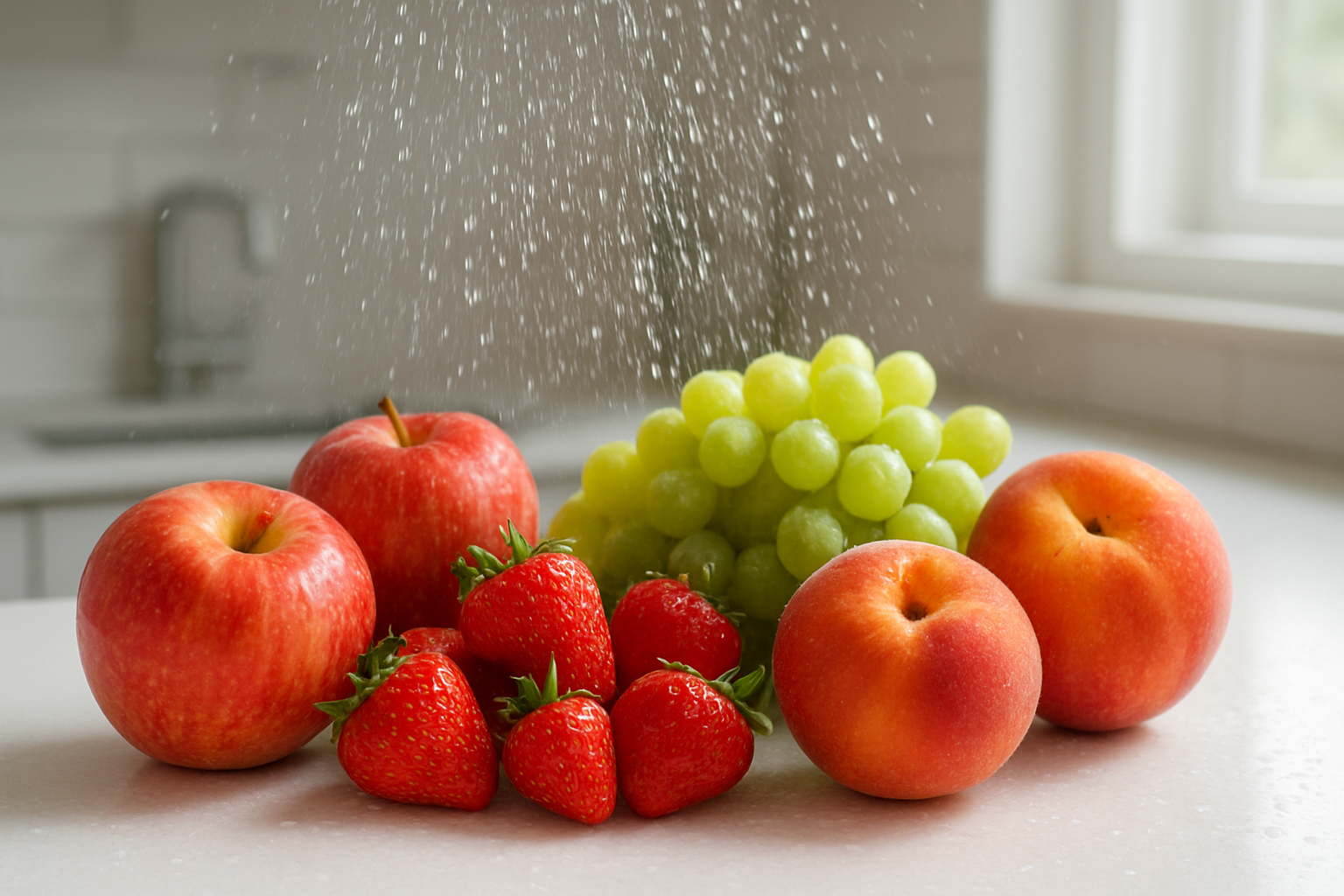
The fruits we eat daily carry more chemical residues than most people realize. From pesticides and fungicides on strawberries to wax coatings on apples, these substances can accumulate in our bodies over time and potentially impact our health. The Dirty Dozen list shows us which fruits need the most attention - strawberries, apples, grapes, and peaches consistently top the charts for chemical contamination.
The good news is that simple steps can dramatically reduce your exposure to these unwanted chemicals. Washing fruits with baking soda solutions, peeling when possible, and choosing organic versions of the most contaminated fruits can make a real difference. Smart shopping doesn't mean breaking the bank - focus your organic purchases on the fruits you eat most often and those known to have the highest chemical loads. Your body will thank you for taking these small but meaningful steps toward cleaner eating.


.png)
Comments
Post a Comment