What Are Fruits? (A Wholesome Understanding)
What Are Fruits? (A Wholesome Understanding)
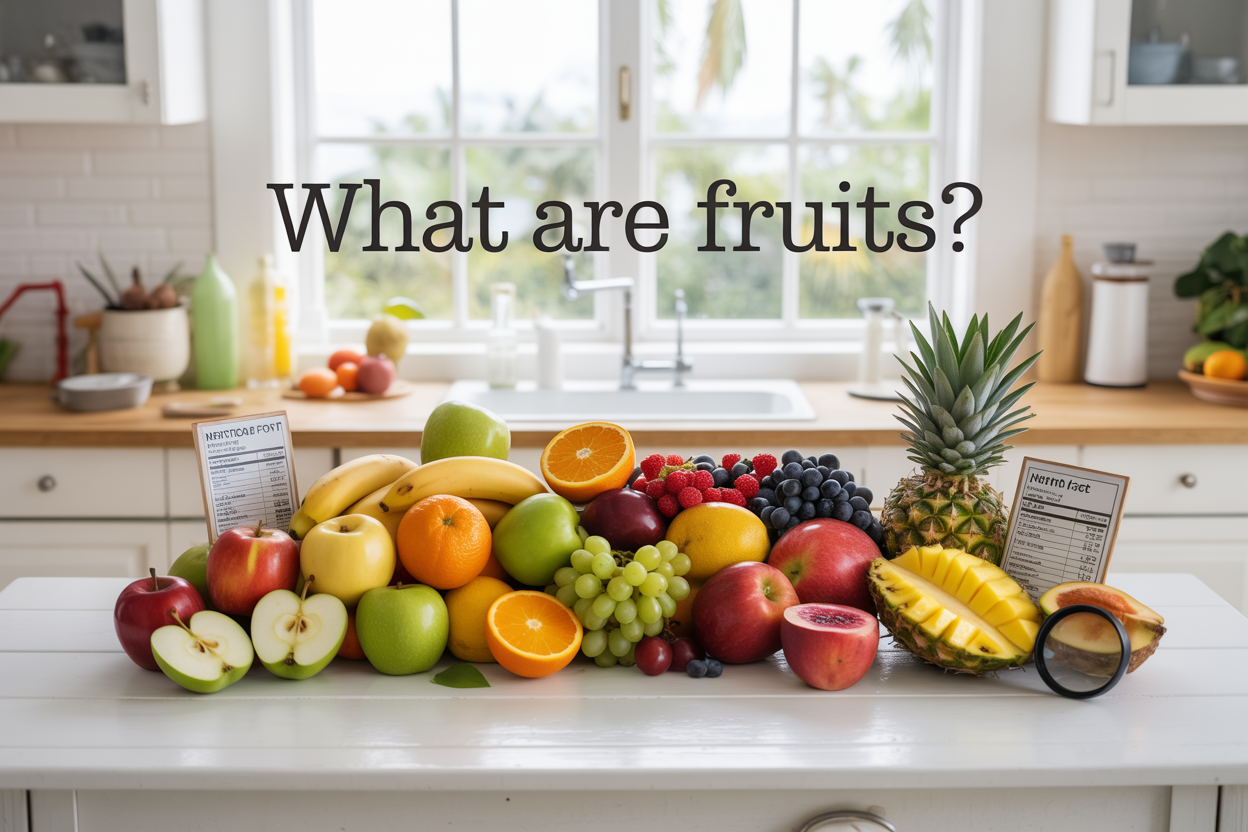
Fruits are nature's candy – sweet, colorful, and packed with nutrients that fuel our bodies every day. But there's more to these vibrant foods than meets the eye. While most people think of apples and oranges when they hear "fruit," the actual fruits definition from science might surprise you.
This guide is perfect for health-conscious individuals, parents planning family meals, and anyone curious about what makes fruits so special for our well-being. We'll break down complex nutritional science into bite-sized pieces you can actually use.
You'll discover the fascinating science behind fruit classification and why tomatoes technically belong in this group. We'll also explore the nutritional value of fruits and how their natural compounds work like tiny health warriors in your body. Finally, we'll share practical fresh fruit storage tips that keep your produce fresh longer and preserve those valuable nutrients.
Ready to see fruits in a whole new light? Let's dig into what makes these natural powerhouses so incredible for your health.
The Scientific Definition and Classification of Fruits
Botanical vs. Culinary Definitions Explained
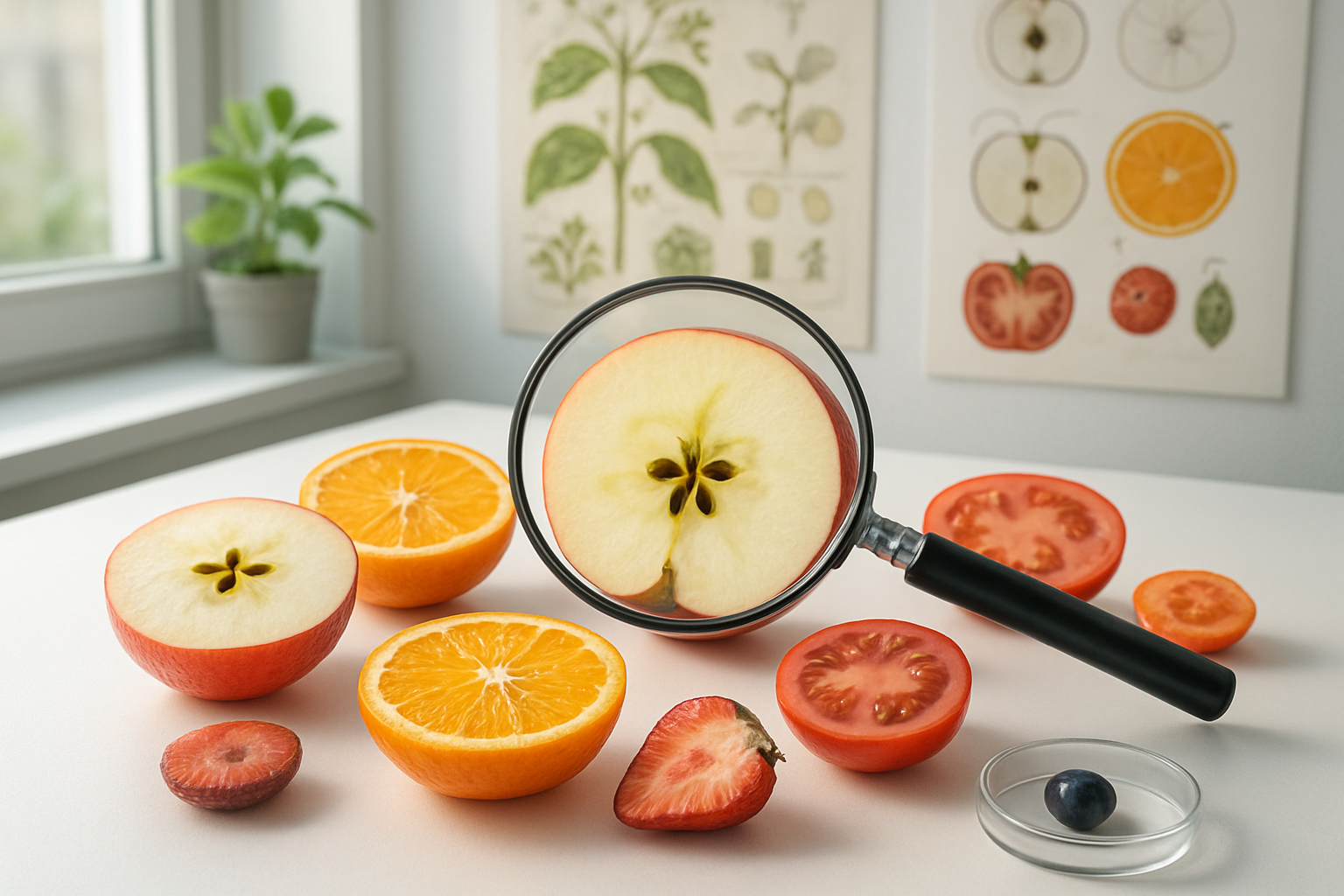
Understanding what truly defines fruits requires looking through two different lenses: science and cooking. Botanically speaking, fruits definition centers on a simple concept - any structure that develops from a flower and contains seeds. This means tomatoes, cucumbers, and even green beans are scientifically fruits, despite what your taste buds might tell you.
The culinary world takes a completely different approach. In the kitchen, fruits are sweet, often eaten as desserts or snacks, and generally enjoyed fresh. This creates fascinating contradictions where botanists and chefs can't agree on the same food item.
| Botanical Classification | Culinary Classification |
|---|---|
| Tomatoes = Fruits | Tomatoes = Vegetables |
| Rhubarb = Vegetable | Rhubarb = Fruit |
| Peppers = Fruits | Peppers = Vegetables |
| Strawberries = Not true fruits | Strawberries = Fruits |
This disconnect isn't just academic - it has real-world implications. The famous 1893 Supreme Court case Nix v. Hedden legally declared tomatoes as vegetables for tariff purposes, despite their botanical status as fruits.
How Fruits Develop from Flowering Plants
The journey from flower to fruit is a remarkable transformation that starts with pollination. When pollen reaches a flower's ovary, fertilization triggers dramatic changes in the plant's reproductive structure.
The flower's ovary begins swelling and developing protective layers around the developing seeds. Different parts of the flower contribute to what we eventually recognize as fruit:
-
Ovary walls become the flesh we eat
-
Ovules transform into seeds
-
Other flower parts may fuse to create additional fruit structures
This development process explains why fruit classification can be so complex. Some fruits develop from a single flower with one ovary (like cherries), while others form from multiple ovaries in one flower (like raspberries) or even from multiple flowers working together (like pineapples).
The entire process serves one primary biological purpose: protecting and dispersing seeds. Everything about a fruit's appearance, taste, and texture evolved to attract animals that would eat the fruit and spread the seeds elsewhere.
Key Characteristics That Make Something a Fruit
Three fundamental characteristics define true fruits from a botanical perspective. First, they must develop from the flower of a plant - specifically from the ovary or other floral parts. Second, they contain seeds (though some may be so tiny they're barely noticeable). Third, they serve as the plant's method for seed dispersal.
Types of fruits based on their development include:
-
Simple fruits: Develop from a single ovary (apples, oranges, grapes)
-
Aggregate fruits: Form from multiple ovaries in one flower (blackberries, strawberries)
-
Multiple fruits: Created from multiple flowers (pineapples, figs)
Texture and structure provide additional clues. True fruits often have distinct layers - the outer skin (exocarp), fleshy middle (mesocarp), and inner layer surrounding seeds (endocarp). Think of a peach: the fuzzy skin, juicy flesh, and hard pit perfectly illustrate these three layers.
The presence of seeds remains the most reliable indicator, even when they're modified or reduced. Seedless grapes still contain tiny, undeveloped seed structures, while bananas have those little black specks that are actually immature seeds.
Common Misconceptions About Fruit Classification
Many foods we consider fruits aren't botanically true fruits, while others we treat as vegetables are actually fruits. Strawberries top the list of imposters - those tiny yellow specks on the surface are the real fruits, while the red, sweet part we eat is just swollen flower tissue.
Rhubarb creates the opposite confusion. Though we bake it into pies and add sugar like other fruits, it's actually a vegetable - we're eating the plant's leaf stalks, not any reproductive structure.
Common fruit misconceptions include:
-
Nuts aren't always nuts: Peanuts are legumes, almonds are seeds
-
Berries aren't always berries: Grapes and tomatoes are true berries, but strawberries and raspberries aren't
-
Seeds can be fruits: Each "seed" on a strawberry is technically an individual fruit
These classification quirks don't affect the nutritional value of fruits or their health benefits. Whether scientifically accurate or not, the foods we commonly call fruits provide essential vitamins, minerals, and fiber that support overall health. Understanding these distinctions simply helps us appreciate the incredible diversity and complexity of plant reproduction strategies.
Essential Nutritional Components That Make Fruits Powerful
Vitamin and Mineral Content for Optimal Health
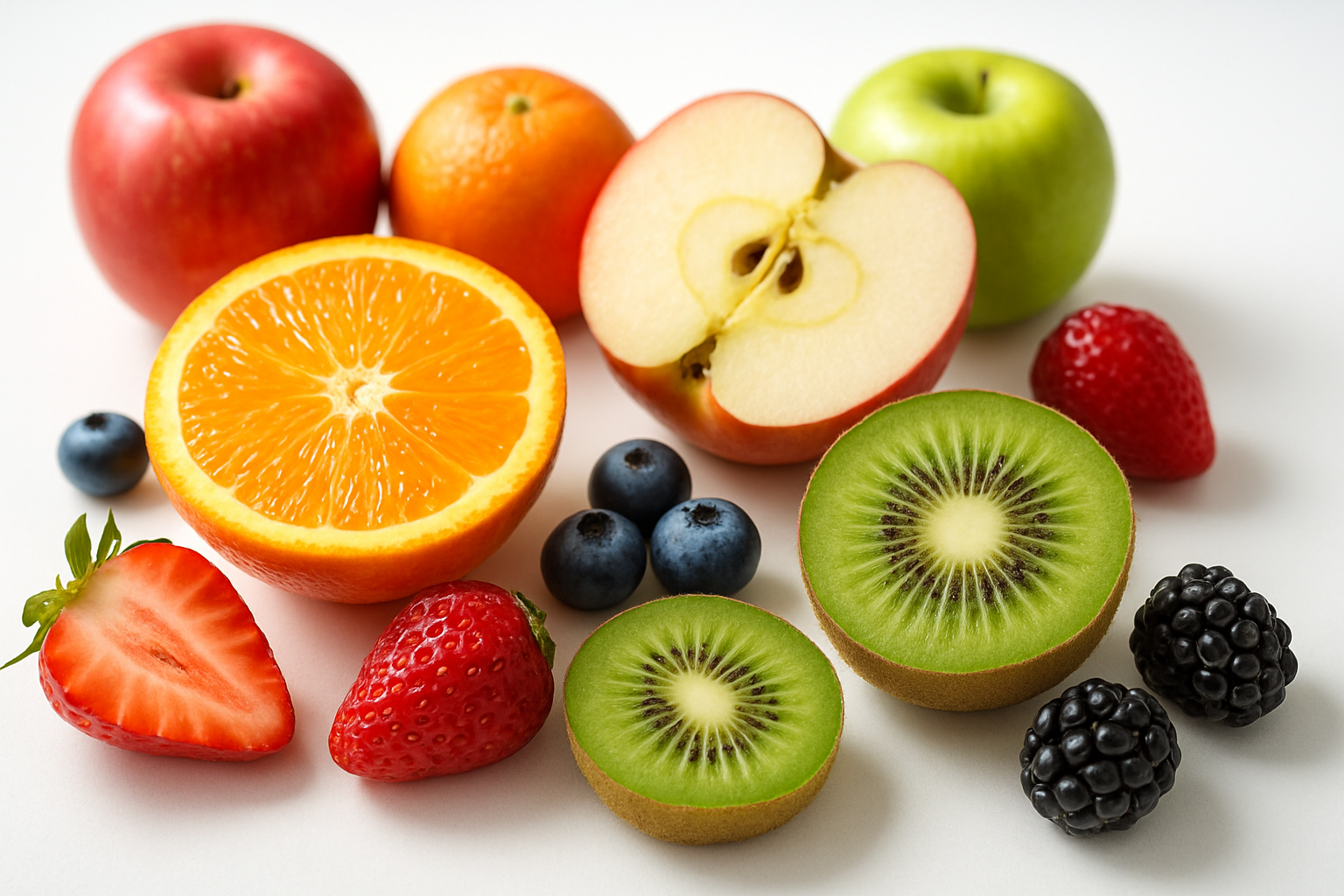
Fruits pack an incredible nutritional punch with their diverse vitamin and mineral profiles. Citrus fruits like oranges and grapefruits deliver hefty doses of vitamin C, supporting your immune system and helping your body absorb iron more effectively. Meanwhile, bananas provide potassium that keeps your heart beating strong and your muscles functioning properly.
Berries shine as vitamin powerhouses - strawberries contain more vitamin C than oranges, while blueberries offer vitamin K for bone health. Tropical fruits bring their own unique benefits: mangoes deliver vitamin A for eye health, and papayas provide folate that's essential for cell division and DNA repair.
The mineral content varies beautifully across different fruit types. Avocados contain magnesium for nerve function, while dried fruits like apricots concentrate minerals like iron and potassium. Fresh fruit nutrition benefits extend beyond individual vitamins - many fruits provide multiple nutrients that work together synergistically.
Antioxidants and Their Disease-Fighting Properties
The vibrant colors in fruits aren't just for show - they signal powerful antioxidant compounds that protect your cells from damage. These natural defenders neutralize harmful free radicals that can lead to chronic diseases and premature aging.
Different colored fruits offer distinct antioxidant profiles:
-
Red fruits (strawberries, cherries, red apples) contain anthocyanins that support heart health
-
Orange fruits (oranges, peaches, cantaloupe) provide beta-carotene for eye protection
-
Purple fruits (grapes, plums, blackberries) offer resveratrol with anti-inflammatory properties
-
Green fruits (kiwis, green apples, limes) contain chlorophyll and unique antioxidant blends
Research shows these compounds may reduce cancer risk, slow cognitive decline, and protect against heart disease. The antioxidant activity in fruits often exceeds that found in many vegetables, making them excellent additions to any health-focused diet.
Fiber Benefits for Digestive Wellness
Fruits provide both soluble and insoluble fiber, each playing crucial roles in digestive health. Soluble fiber, found abundantly in apples, pears, and citrus fruits, dissolves in water to form a gel-like substance that helps lower cholesterol and stabilize blood sugar levels.
Insoluble fiber, present in fruit skins and seeds, adds bulk to stool and promotes regular bowel movements. This type keeps your digestive system running smoothly and may reduce colon cancer risk.
Here's how much fiber different fruits typically contain per serving:
| Fruit | Fiber Content (grams) | Type |
|---|---|---|
| Raspberry (1 cup) | 8g | Mixed |
| Pear (1 medium) | 6g | Soluble-rich |
| Apple (1 medium with skin) | 4g | Mixed |
| Banana (1 medium) | 3g | Soluble-rich |
The health benefits of eating fruits include improved gut bacteria diversity, better nutrient absorption, and reduced inflammation throughout the digestive tract.
Natural Sugars vs. Processed Sugars
Fruits contain natural sugars - primarily fructose, glucose, and sucrose - that your body processes differently than refined sugars. The key difference lies in the package these sugars come wrapped in: fiber, water, vitamins, and minerals.
When you eat an apple, the fiber slows sugar absorption, preventing the blood sugar spikes associated with processed sweets. The nutritional value of fruits includes this built-in moderation system that processed foods lack entirely.
Natural fruit sugars provide sustained energy rather than the quick rush and crash cycle of refined sugars. Your liver processes fructose from whole fruits more efficiently because the fiber content regulates how quickly it enters your system.
Daily fruit consumption benefits include stable energy levels, reduced sugar cravings, and better metabolic health compared to diets high in processed sugars. The water content in fresh fruits also helps you feel satisfied with smaller amounts of natural sweetness, supporting healthy weight management naturally.
Major Categories of Fruits and Their Unique Benefits
Stone Fruits for Heart Health and Immunity
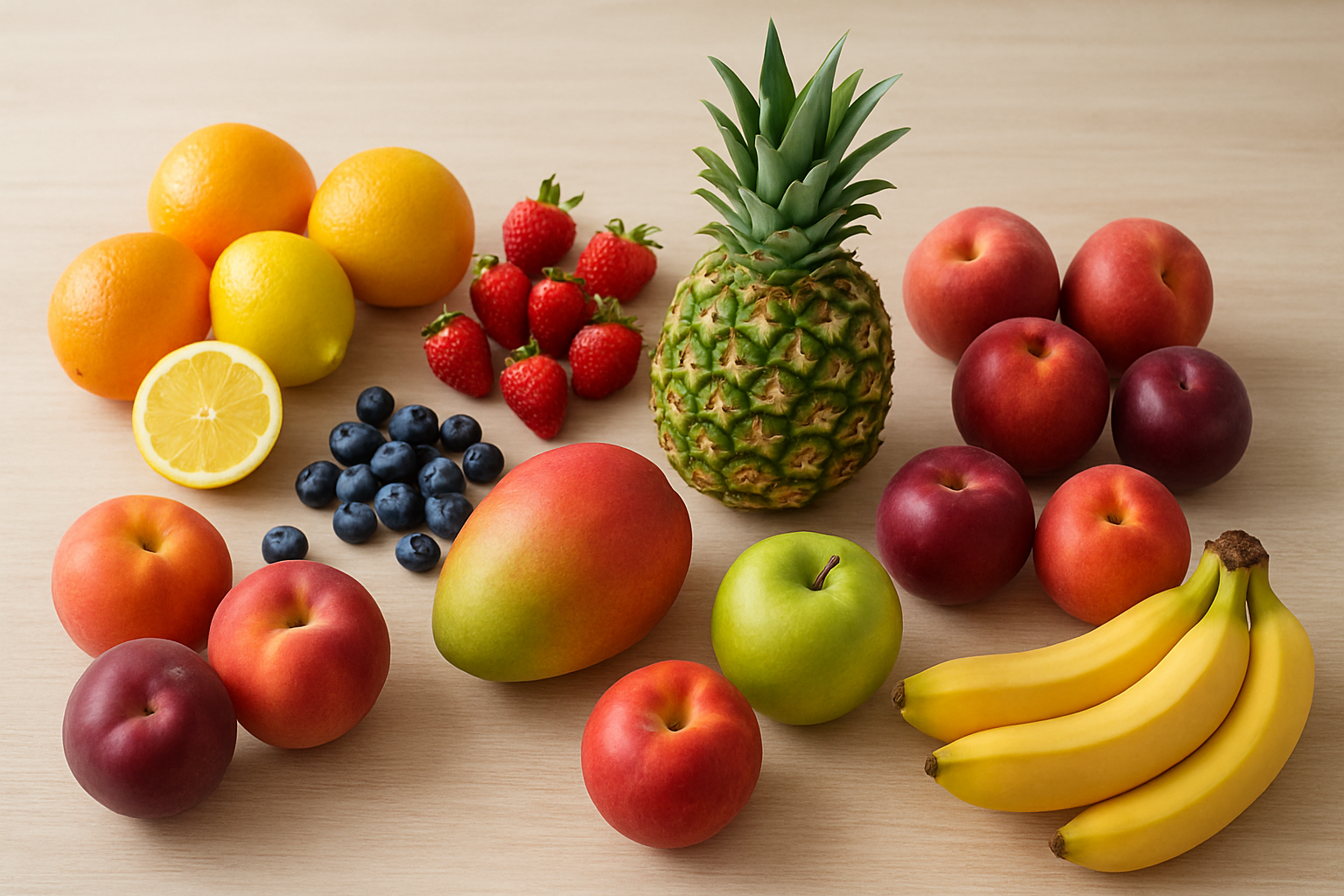
Stone fruits pack a serious nutritional punch when it comes to supporting your cardiovascular system and immune defenses. Peaches, plums, apricots, cherries, and nectarines all contain impressive levels of potassium, which helps regulate blood pressure and supports proper heart rhythm. The fiber content in these fruits also plays a key role in cholesterol management by binding to cholesterol particles and helping your body eliminate them.
What makes stone fruits especially powerful for immunity is their rich concentration of beta-carotene and vitamin A. Your body converts beta-carotene into vitamin A, which strengthens the mucous membranes that serve as your first line of defense against infections. Cherries stand out particularly for their anti-inflammatory compounds called anthocyanins, which give them their deep red color and help reduce inflammation throughout your body.
The antioxidants in stone fruits also support cellular repair and protection. Vitamin C levels vary among different stone fruits, but most provide a decent boost to your daily intake. Apricots deserve special mention for their exceptionally high vitamin A content - just three fresh apricots can provide about 20% of your daily needs.
Citrus Fruits for Vitamin C and Energy
Citrus fruits reign supreme as nature's vitamin C powerhouses, delivering far more than just immune support. Oranges, grapefruits, lemons, limes, and tangerines provide readily available energy through their natural fruit sugars, while the vitamin C content helps your body absorb iron more effectively from other foods you eat.
The folate found in citrus fruits supports energy production at the cellular level by helping your body create new red blood cells. This B-vitamin works alongside vitamin C to combat fatigue and maintain steady energy levels throughout the day. Grapefruit contains unique compounds called limonoids that may help regulate blood sugar levels, preventing those energy crashes that come from blood sugar spikes.
| Citrus Fruit | Vitamin C (per medium fruit) | Key Energy Benefit |
|---|---|---|
| Orange | 70mg (78% DV) | Natural sugars + fiber for sustained energy |
| Grapefruit | 64mg (71% DV) | Blood sugar regulation |
| Lemon | 31mg (34% DV) | Aids iron absorption |
| Lime | 20mg (22% DV) | Supports cellular energy production |
The citric acid in these fruits also helps your body break down nutrients more efficiently, making other vitamins and minerals from your meals more bioavailable.
Berries for Brain Function and Anti-Aging
Berries represent some of the most nutrient-dense fruits available, with research consistently showing their remarkable effects on cognitive function and cellular aging. Blueberries, strawberries, raspberries, and blackberries contain concentrated levels of anthocyanins and flavonoids that can cross the blood-brain barrier and directly support neural health.
Studies have shown that regular berry consumption can improve memory formation, enhance communication between brain cells, and even help protect against age-related cognitive decline. The antioxidants in berries work by neutralizing free radicals that would otherwise damage brain cells and accelerate aging processes throughout your body.
Blackberries and raspberries provide exceptional fiber content, with one cup delivering about 8 grams - roughly one-third of your daily fiber needs. This fiber supports healthy gut bacteria, which recent research links to improved mood and cognitive function through the gut-brain connection.
The ellagic acid found in strawberries and raspberries has shown promise in protecting skin from UV damage and supporting natural collagen production. Meanwhile, the pterostilbene in blueberries may help regulate blood sugar levels and support healthy cholesterol ratios, contributing to overall longevity and vitality.
Daily Health Benefits of Regular Fruit Consumption
Immune System Strengthening Properties
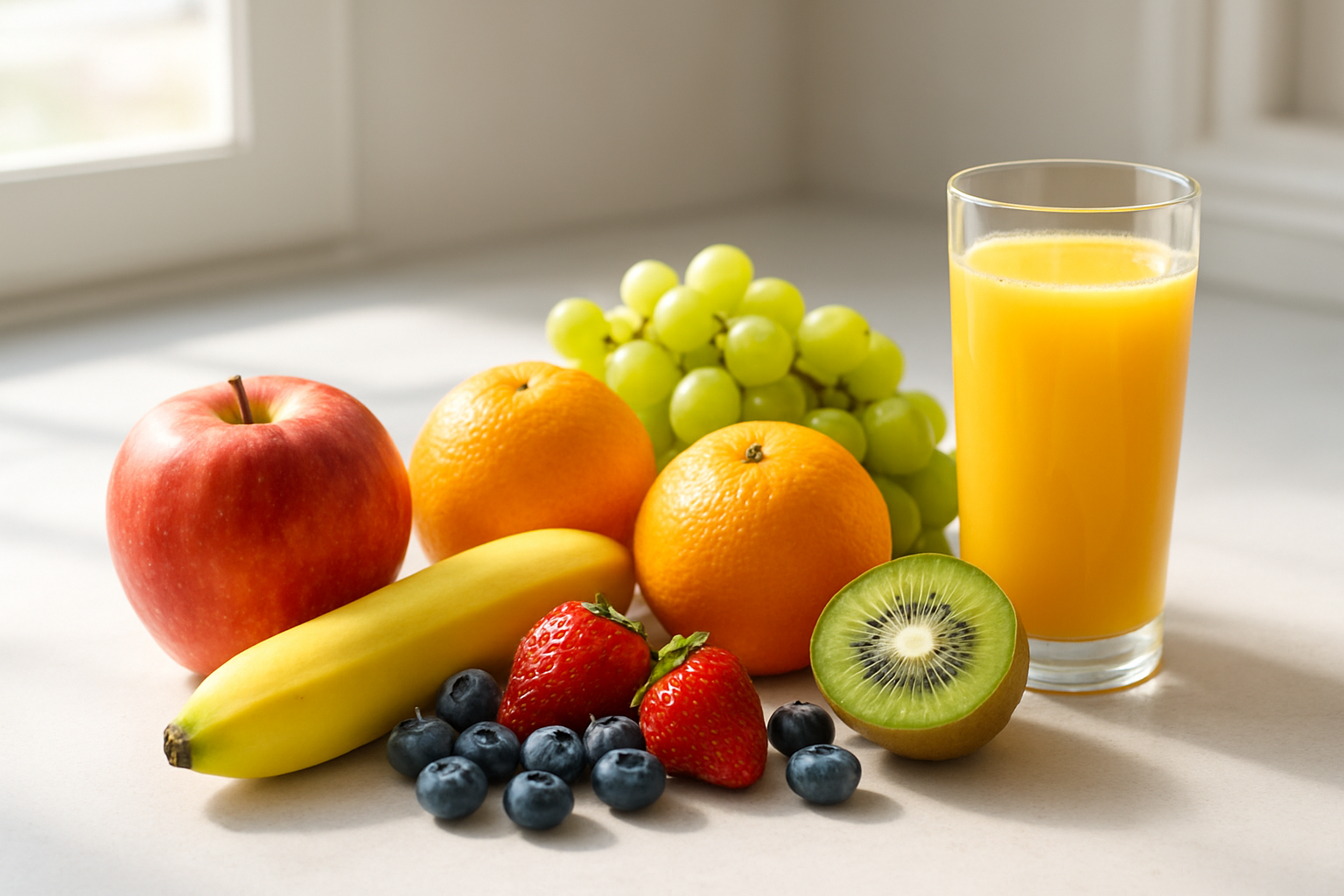
Your body's defense system gets a major boost when you eat fruits regularly. The vitamin C found in citrus fruits, strawberries, and kiwis acts like fuel for your white blood cells, helping them fight off infections more effectively. A single orange provides about 70mg of vitamin C, which is nearly your entire daily requirement.
Berries pack powerful antioxidants called anthocyanins that protect your cells from damage and reduce inflammation throughout your body. Blueberries, blackberries, and raspberries contain some of the highest antioxidant levels among all foods. These compounds help your immune system stay sharp and ready to tackle threats.
The vitamin A in mangoes, papayas, and apricots keeps your mucous membranes healthy - your first line of defense against germs. Plus, fruits provide zinc, folate, and other nutrients that support immune cell production and function.
Weight Management and Metabolism Support
Fruits make excellent allies in your weight management journey. Most fruits are naturally low in calories while being high in water content and fiber, which helps you feel full without overdoing it on calories. An apple contains only about 95 calories but provides 4 grams of fiber that keeps hunger at bay.
The natural sugars in fruits give you quick energy without the crash that comes from processed sweets. Your metabolism actually burns more calories digesting whole fruits compared to fruit juices because of the fiber content. This process, called the thermic effect of food, means your body works harder to break down and absorb nutrients from whole fruits.
Grapefruit has been shown to help with weight loss by improving insulin sensitivity and reducing fat storage. The pectin in apples and pears slows down digestion, helping you feel satisfied longer and preventing overeating at your next meal.
Cardiovascular Health Improvements
Regular fruit consumption works wonders for your heart and blood vessels. The potassium in bananas, oranges, and melons helps regulate blood pressure by counteracting sodium's effects. Just one medium banana provides about 400mg of potassium, supporting healthy blood pressure levels.
The fiber in fruits helps lower cholesterol by binding to cholesterol particles in your digestive system and removing them before they can enter your bloodstream. Apples and pears are particularly effective at reducing LDL (bad) cholesterol levels.
Flavonoids found in berries, grapes, and citrus fruits protect your blood vessels from inflammation and keep them flexible. These compounds also prevent the oxidation of cholesterol, which is what makes it dangerous to your arteries. Studies show that people who eat more fruits have significantly lower risks of heart disease and stroke.
Skin Health and Natural Glow Enhancement
Your skin reflects what you eat, and fruits deliver nutrients that create a healthy, radiant complexion from the inside out. Vitamin C is essential for collagen production, which keeps your skin firm and elastic. Without enough vitamin C, your skin becomes dull and prone to premature aging.
The lycopene in tomatoes, watermelons, and pink grapefruits acts like natural sunscreen, protecting your skin cells from UV damage. Beta-carotene from mangoes, cantaloupes, and apricots gets converted to vitamin A, which promotes skin cell turnover and keeps your complexion smooth.
Water-rich fruits like cucumbers, watermelons, and oranges help keep your skin hydrated from within. The antioxidants in berries fight free radicals that cause wrinkles and age spots, while the natural alpha-hydroxy acids in citrus fruits gently exfoliate dead skin cells for a brighter appearance.
Mental Clarity and Mood Regulation
Your brain runs on glucose, and fruits provide a steady supply of natural sugars that keep your mental energy stable throughout the day. Unlike processed sugars that cause energy spikes and crashes, the natural sugars in fruits are released slowly thanks to their fiber content.
Blueberries are particularly powerful for brain function. They contain compounds that improve communication between brain cells and may help protect against age-related mental decline. Studies show that people who eat blueberries regularly perform better on memory tests and have sharper focus.
The folate in oranges, strawberries, and avocados supports the production of serotonin and dopamine - neurotransmitters that regulate mood and promote feelings of well-being. Low levels of these brain chemicals are linked to depression and anxiety, making regular fruit consumption an important part of mental health maintenance.
Bananas contain tryptophan, an amino acid that your body converts to serotonin. This natural mood booster can help you feel calmer and more positive. The B vitamins in fruits also support nervous system function and help your body manage stress more effectively.
Smart Selection and Storage Strategies for Maximum Nutrition
Seasonal Fruit Selection for Peak Nutrients
Shopping for fruits seasonally gives you the biggest nutritional bang for your buck. When fruits ripen naturally during their peak season, they develop higher concentrations of vitamins, minerals, and antioxidants compared to out-of-season options that travel long distances or get picked early.
Spring brings nutrient-dense strawberries packed with vitamin C, while summer delivers antioxidant-rich berries and stone fruits like peaches and plums. Fall offers apples and pears with their fiber and polyphenol content at their highest levels. Winter citrus fruits provide maximum vitamin C just when your immune system needs the boost most.
Local farmers' markets become your best resource for seasonal fruit selection. These vendors typically harvest fruits at peak ripeness, ensuring maximum nutritional value of fruits. You'll also get the freshest options since they haven't spent weeks in transit or storage facilities.
Seasonal Selection Guide:
-
Spring: Strawberries, apricots, early cherries
-
Summer: Berries, stone fruits, melons, grapes
-
Fall: Apples, pears, late-season grapes, cranberries
-
Winter: Citrus fruits, pomegranates, persimmons
Proper Storage Techniques to Preserve Freshness
Different types of fruits require specific storage methods to maintain their health benefits of eating fruits and extend shelf life. Understanding these requirements prevents premature spoilage and nutrient loss.
Refrigerator Storage:
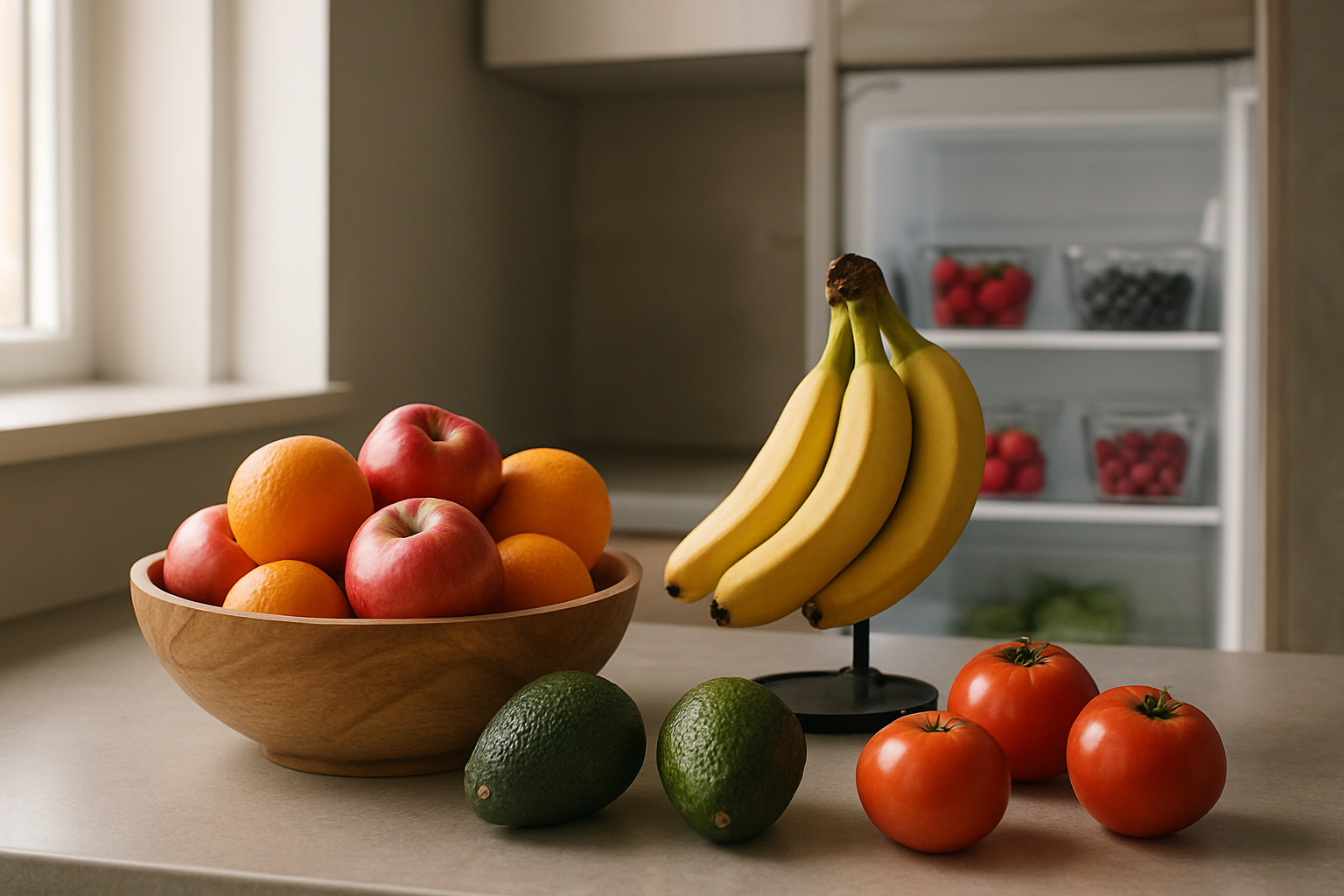
Store berries, grapes, and cherries in the refrigerator immediately. Keep them in their original containers or perforated bags to maintain proper airflow. Most stone fruits should ripen at room temperature first, then move to the fridge once soft.
Counter Ripening:
Bananas, avocados, peaches, and pears ripen best at room temperature. Place them in a paper bag to speed up the process when needed. Never refrigerate these fruits until they reach your desired ripeness.
Ethylene Management:
Some fruits produce ethylene gas, which accelerates ripening in nearby produce. Store high ethylene producers like apples and bananas away from ethylene-sensitive fruits like leafy greens and berries.
| Storage Method | Fruits | Duration |
|---|---|---|
| Room Temperature | Bananas, citrus, tomatoes | 3-7 days |
| Refrigerator | Berries, grapes, cherries | 5-10 days |
| Cool, dry place | Apples, potatoes, onions | 2-4 weeks |
Organic vs. Conventional Fruit Choices
The organic versus conventional debate impacts both your wallet and your health when it comes to fruit nutrition benefits. Organic fruits contain fewer pesticide residues and sometimes offer slightly higher levels of certain antioxidants.
The Environmental Working Group's "Dirty Dozen" list helps prioritize your organic purchases. Fruits like strawberries, peaches, and apples typically contain higher pesticide residues, making them better organic choices. Meanwhile, fruits with thick peels like bananas, oranges, and pineapples have lower pesticide exposure, so conventional options work fine.
High-Priority Organic Choices:
-
Strawberries
-
Peaches
-
Apples
-
Grapes
-
Cherries
Lower-Priority Organic Choices:
-
Bananas
-
Oranges
-
Pineapple
-
Mango
-
Kiwi
Budget-conscious shoppers can maximize fresh fruit storage tips by buying organic for the highest-risk fruits while choosing conventional options for naturally protected varieties. Washing all fruits thoroughly under running water removes surface residues regardless of growing method.
Consider frozen organic fruits as cost-effective alternatives that maintain most of their nutritional value. These options often cost less than fresh organic varieties while providing year-round access to nutrient-dense choices that support your daily fruit consumption benefits.
Fruits are amazing powerhouses of nutrition that go way beyond their sweet taste and colorful appearance. From their scientific classification as seed-bearing structures to their incredible array of vitamins, minerals, and antioxidants, these natural foods offer benefits that can transform your health. Each category brings something special to the table - berries packed with antioxidants, citrus fruits loaded with vitamin C, and tropical varieties rich in unique enzymes and nutrients.
Making fruits a regular part of your daily routine doesn't have to be complicated. The key is choosing fresh, seasonal options when possible and storing them properly to keep their nutritional value intact. Your body will thank you for the steady supply of fiber, natural energy, and disease-fighting compounds. Start simple - add a piece of fruit to your breakfast, pack some berries for an afternoon snack, or try a new variety each week. Your taste buds and your health will both benefit from this delicious journey into better nutrition.


.png)
Comments
Post a Comment