Zero Waste Ideas Using Fruit Peels
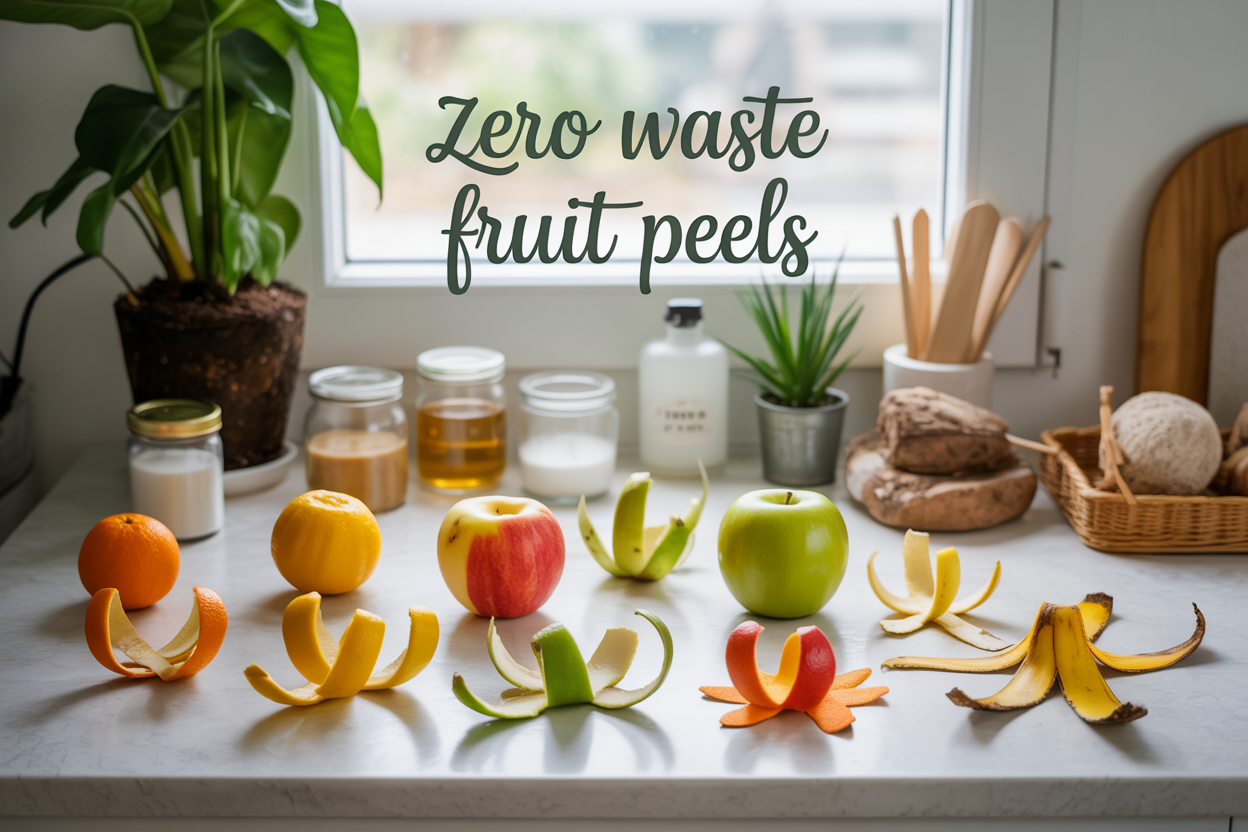
Throwing away fruit peels feels wasteful when you know they could do so much more. This guide shows eco-conscious home cooks, gardeners, and DIY enthusiasts how to transform kitchen scraps into useful household items through zero waste fruit peels projects.
Your citrus rinds can become powerful natural household cleaners that rival store-bought products. Apple and pear peels turn into tasty snacks and cooking ingredients. Banana peels create nutrient-rich fertilizer for your garden plants. You'll also discover how tropical fruit peels work as gentle beauty treatments and learn simple DIY fruit peel crafts that reduce waste while adding charm to your home.
Stop tossing those peels in the trash. These sustainable fruit waste ideas help you save money, reduce your environmental footprint, and get more value from every piece of fruit you buy.
Transform Citrus Peels Into Natural Household Cleaners
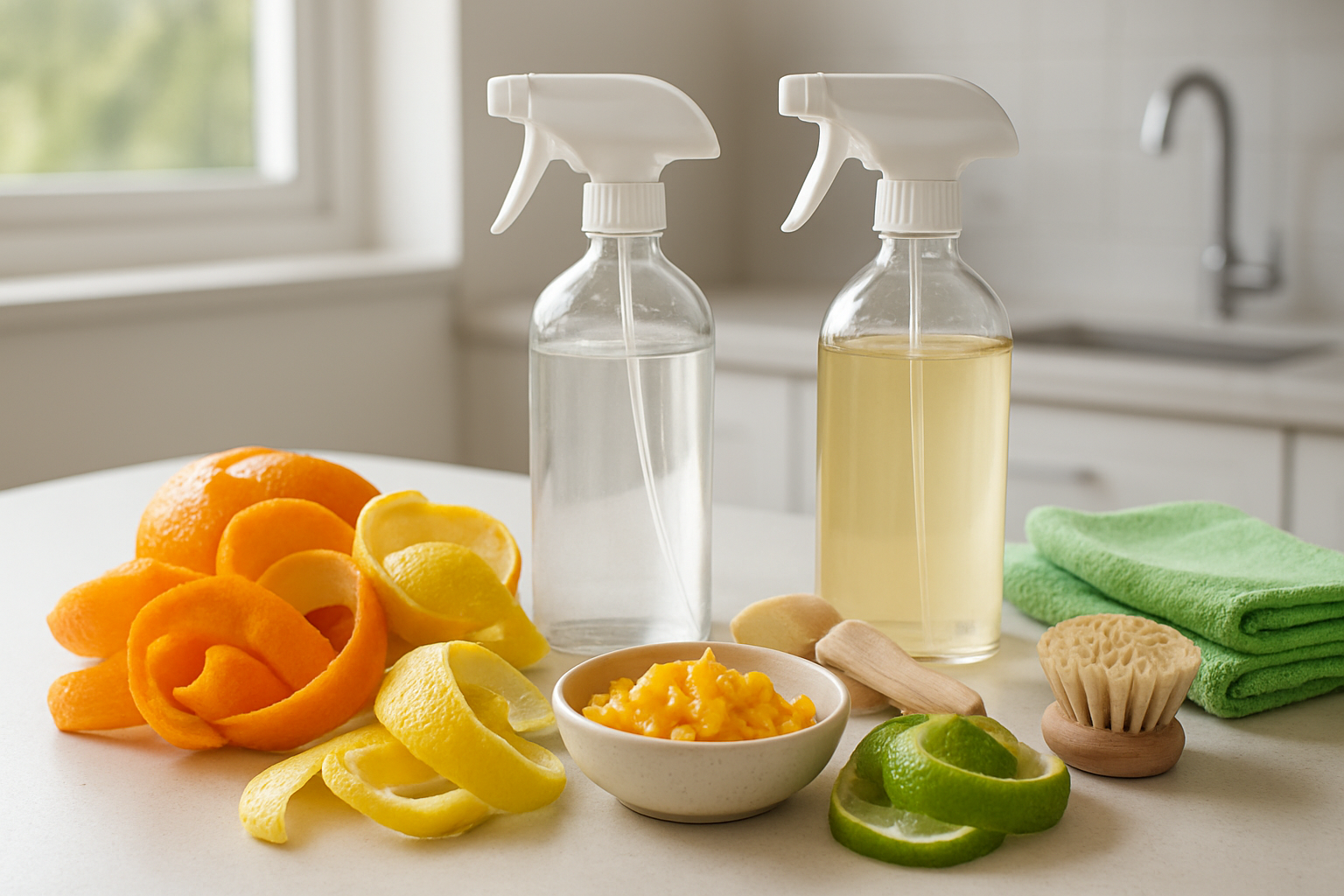
Create powerful all-purpose cleaning solutions from orange and lemon rinds
Orange and lemon peels pack serious cleaning power thanks to their natural oils and citric acid content. These citrus peel cleaner recipes work just as well as commercial products while keeping harmful chemicals out of your home.
Start with a basic vinegar-citrus solution by stuffing a mason jar with fresh citrus peels and covering them completely with white vinegar. Let this mixture sit for two weeks, shaking occasionally. The acids from the peels will infuse into the vinegar, creating a potent cleaning concentrate that cuts through grime and soap scum.
For immediate use, simmer citrus peels in water for 10 minutes, then strain the liquid. This creates an instant natural household cleaners citrus base that you can spray directly on countertops, sinks, and appliances. Add a few drops of dish soap to boost its cleaning power.
The limonene in orange peels works particularly well against sticky residues and crayon marks. Simply rub fresh orange peel directly on the affected area, then wipe clean with a damp cloth.
Make natural air fresheners that eliminate odors
Citrus peels naturally absorb and neutralize unpleasant smells while releasing their own fresh fragrance. These zero waste fruit peels solutions beat artificial air fresheners every time.
Create room sachets by drying orange, lemon, or grapefruit peels in a low oven until crisp. Grind them into small pieces and place in breathable fabric bags. Tuck these sachets into drawers, closets, or car cup holders for long-lasting freshness.
For garbage disposal maintenance, drop citrus peels down the drain with cold water running. The natural oils will clean the blades while eliminating odors. Ice cubes made with citrus-infused water work even better for monthly deep cleaning.
Boiling citrus peels with cinnamon sticks or herbs creates an instant natural air freshener that fills your entire home. This method works especially well before guests arrive or after cooking strong-smelling foods.
Craft effective grease-cutting dish soap alternatives
The natural degreasing properties in citrus peels make them perfect for tackling kitchen messes. Lemon peels contain powerful acids that break down grease molecules without harsh chemicals.
Create a paste using ground dried citrus peels mixed with baking soda and a splash of water. This abrasive mixture scrubs away baked-on food from pans and oven surfaces. The citrus oils help dissolve grease while the baking soda provides gentle scrubbing action.
For liquid dish soap, blend fresh citrus peels with castile soap and hot water. Strain out the solids after 24 hours. This produces a concentrated degreaser that works on everything from greasy dishes to range hoods.
Develop antibacterial surface disinfectants
Citrus peels contain natural antimicrobial compounds that make them effective against common household bacteria. Research shows that citrus oils can eliminate many harmful microorganisms on contact.
Combine citrus peel extract with rubbing alcohol to create a disinfecting spray. Use a 1:1 ratio of citrus-infused vinegar to water, then add one part rubbing alcohol. This mixture sanitizes doorknobs, light switches, and frequently touched surfaces.
The pectin in citrus peels also helps the cleaning solution cling to vertical surfaces longer, giving the antimicrobial compounds more time to work. Fresh grapefruit peels contain the highest levels of these beneficial compounds, making them ideal for bathroom and kitchen disinfection.
Turn Apple and Pear Peels Into Delicious Food Items
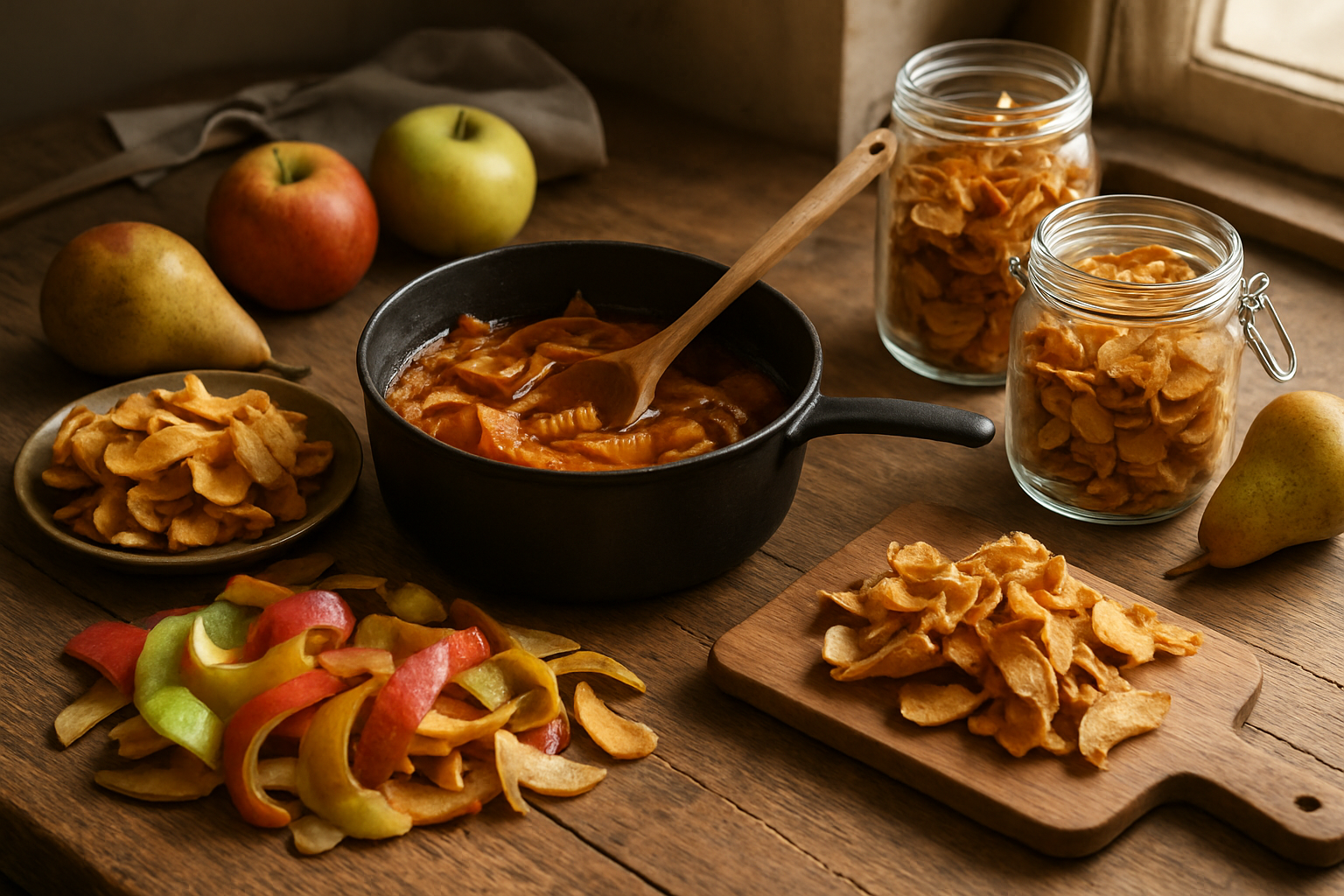
Brew homemade fruit peel tea for digestive health
Apple and pear peels make surprisingly delicious and beneficial teas that can soothe your digestive system naturally. These apple peel recipes transform what most people throw away into a warm, comforting beverage packed with nutrients. The peels contain high levels of fiber, antioxidants, and beneficial compounds that support gut health.
To prepare your fruit peel tea, thoroughly wash 2-3 organic apples or pears, then carefully peel them using a vegetable peeler. Place the fresh peels in a pot with 2 cups of water and bring to a gentle boil. Reduce heat and simmer for 10-15 minutes until the water takes on a light golden color and releases a sweet, fruity aroma. Strain the liquid and add honey or cinnamon to taste.
The natural pectin in apple peels helps regulate digestion, while pear peels contain anti-inflammatory properties that can calm an upset stomach. This zero waste fruit peels approach creates a caffeine-free alternative to traditional teas while reducing kitchen waste significantly.
Create crispy baked peel chips as healthy snacks
Transform discarded apple and pear peels into addictive crispy chips that rival store-bought snacks. This method turns potential waste into a nutritious treat loaded with fiber and natural sweetness.
Start by collecting peels from 4-5 medium apples or pears. Pat them completely dry with paper towels to ensure maximum crispiness. Toss the peels with a light drizzle of olive oil and your choice of seasonings - cinnamon and brown sugar for sweet chips, or sea salt and paprika for savory options.
Spread the seasoned peels in a single layer on parchment-lined baking sheets, making sure they don't overlap. Bake at 225°F for 1-2 hours, flipping halfway through, until they become golden and crispy. The low temperature ensures even dehydration without burning.
These homemade chips contain more fiber than most commercial snacks and provide sustained energy without artificial additives. Store them in airtight containers for up to one week, though they rarely last that long once family members discover this clever sustainable fruit waste ideas solution.
Make natural fruit vinegar for cooking and cleaning
Apple and pear peel vinegar offers dual benefits as both a gourmet cooking ingredient and effective natural cleaner. This fermentation process creates beneficial probiotics while maximizing the use of fruit scraps that would otherwise end up in compost.
Collect peels and cores from 6-8 apples or pears in a clean glass jar. Add 2 tablespoons of raw sugar to feed the fermentation process, then cover completely with filtered water. Place a coffee filter or cheesecloth over the opening and secure with a rubber band to allow airflow while keeping dust and insects out.
Let the mixture sit at room temperature for 2-3 weeks, stirring every few days. You'll notice bubbling activity as natural yeasts begin fermentation. After the initial fermentation, strain out the fruit pieces and let the liquid continue fermenting for another 4-6 weeks until it develops a sharp, tangy flavor.
The finished vinegar works beautifully in salad dressings, marinades, and braising liquids, adding complex fruit notes to savory dishes. As a cleaner, the natural acidity cuts through grease and grime without harsh chemicals, making it perfect for natural household cleaners that are safe around pets and children.
Convert Banana Peels Into Garden Gold
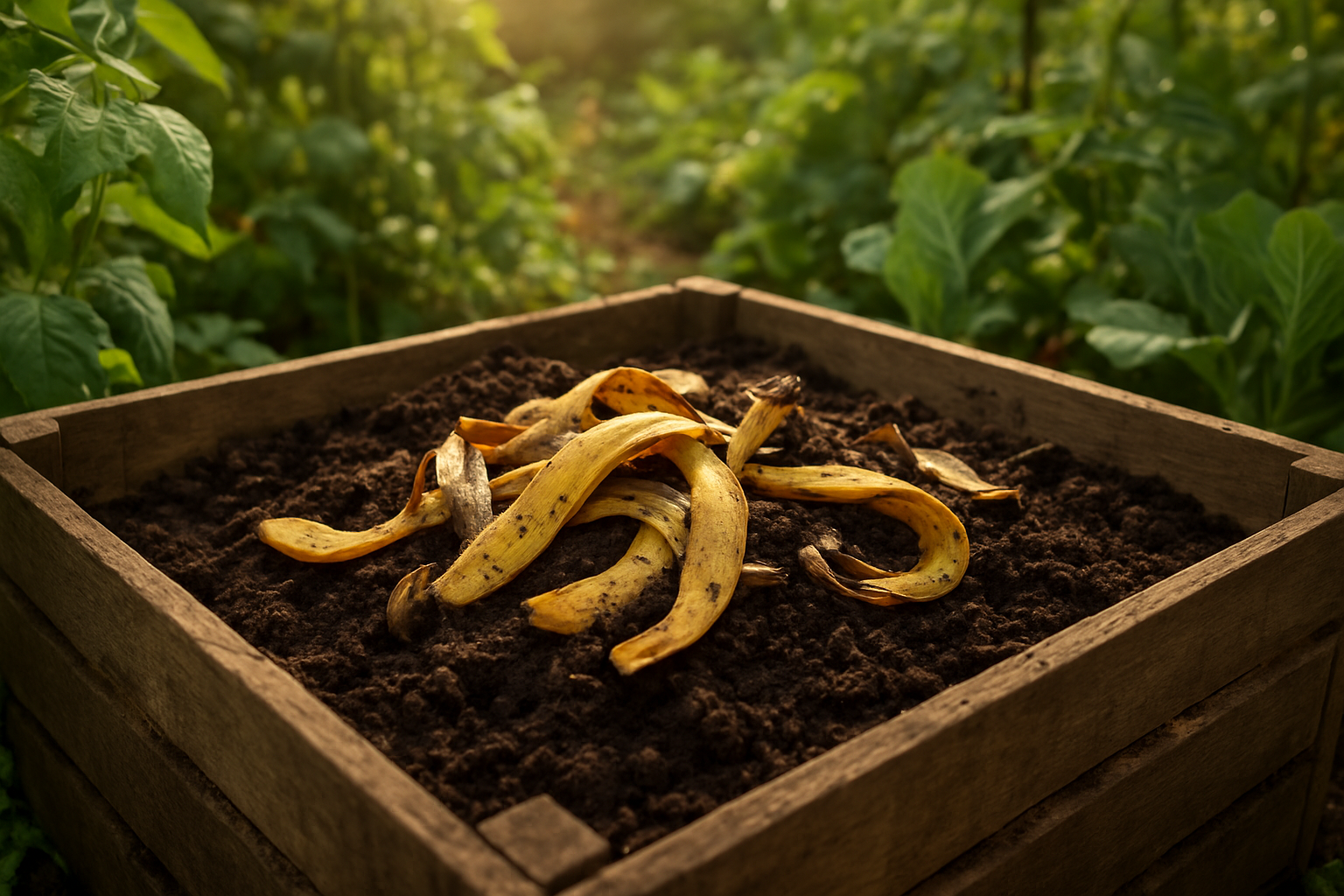
Boost plant nutrition with potassium-rich fertilizer
Banana peels pack a serious punch when it comes to feeding your garden. These discarded peels contain high levels of potassium, phosphorus, and calcium – exactly what your plants crave for healthy growth. The potassium helps strengthen plant cell walls and improves disease resistance, while phosphorus supports robust root development and flowering.
Creating banana peel fertilizer couldn't be easier. Chop fresh peels into small pieces and bury them directly around your plants, about 2-3 inches deep. As they decompose, they slowly release nutrients into the soil. For faster results, dry the peels in your oven at low heat, then grind them into powder using a food processor. This concentrated powder can be sprinkled around plants or mixed into potting soil.
Another effective method involves making banana peel tea. Soak 4-5 peels in a gallon of water for 48 hours, then strain and use the nutrient-rich liquid to water your plants. Tomatoes, peppers, and roses especially love this potassium boost during their growing season.
Polish leather shoes and silverware naturally
Skip expensive commercial polishes and reach for those banana peels instead. The natural oils and potassium in banana peels create an excellent polishing agent that leaves leather shoes with a beautiful, protective shine. Simply rub the inside of a fresh peel directly onto clean leather, then buff with a soft cloth.
For silverware and jewelry, the same technique works wonders. The gentle abrasive action removes tarnish without scratching delicate surfaces. After polishing with the peel's interior, use a microfiber cloth to bring out that mirror-like finish.
Reduce inflammation with healing face masks
Banana peel beauty treatments offer natural anti-inflammatory properties perfect for sensitive skin. The peels contain antioxidants, vitamins A, B, and C, plus natural enzymes that gently exfoliate and moisturize.
Create a simple face mask by mashing the inside of banana peels with a tablespoon of honey. Apply this mixture to clean skin, leave for 15-20 minutes, then rinse with warm water. Regular use can help reduce acne inflammation and brighten your complexion naturally.
Attract beneficial insects to your garden
Smart gardeners know that banana peels can serve as natural insect attractants for beneficial species. Butterflies are drawn to the sweet, decomposing peels, while certain beneficial wasps and beetles also find them appealing. Place small pieces of peel in shallow dishes around your garden to create feeding stations that support these helpful insects while keeping them away from your main plants.
Repurpose Tropical Fruit Peels for Beauty and Wellness
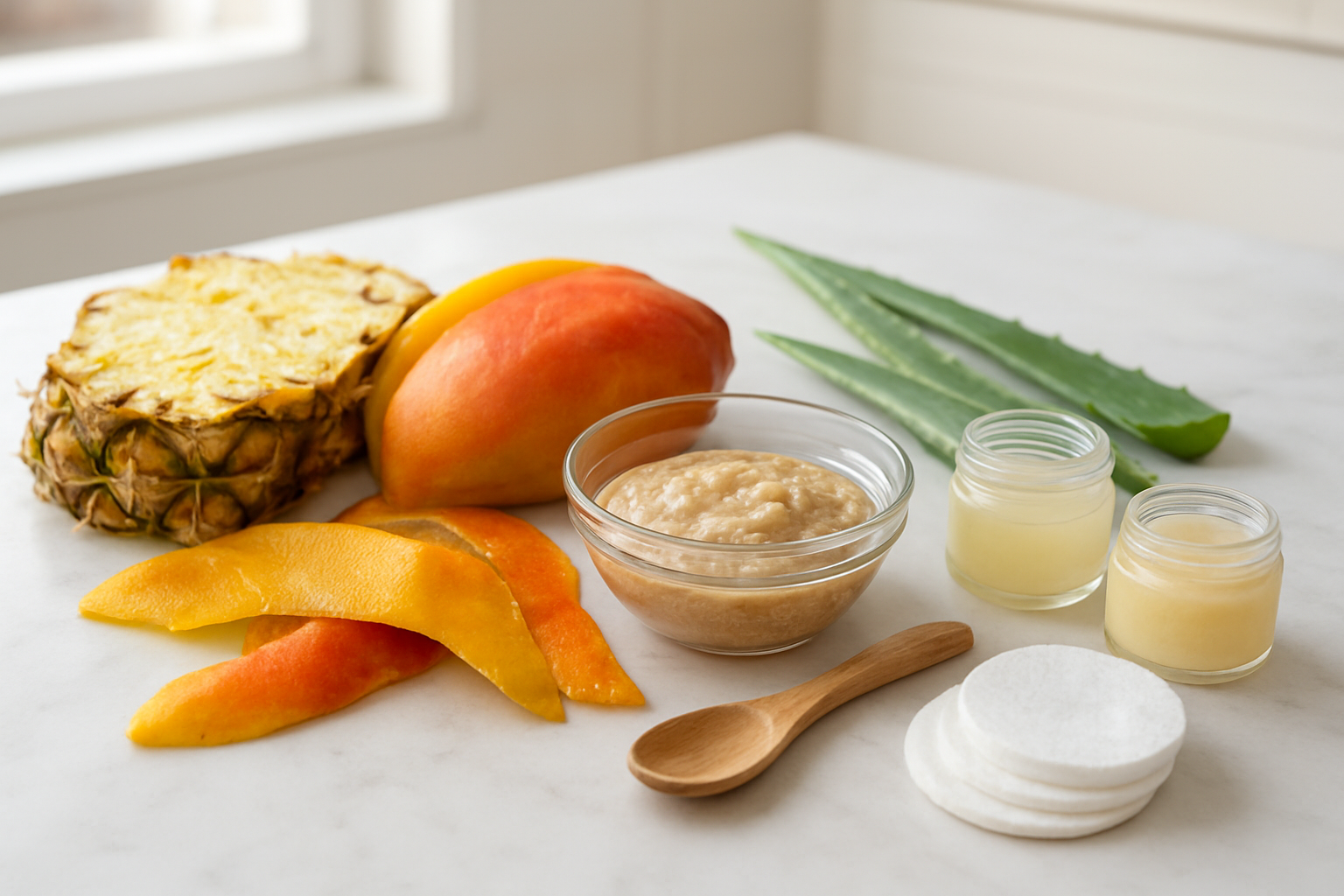
Exfoliate skin naturally with papaya and pineapple rinds
Papaya peel magic transforms your skincare routine with natural enzymes that gently dissolve dead skin cells. The papain enzyme found in papaya rinds works like nature's chemical peel, revealing smoother, brighter skin underneath. Simply rub the white inner flesh of fresh papaya peels directly onto clean skin in circular motions, leaving it on for 10-15 minutes before rinsing with cool water.
Pineapple rinds pack a powerful punch with bromelain, an enzyme that breaks down proteins and helps slough away dull surface skin. Create an effective tropical fruit peel beauty treatment by blending small pieces of pineapple rind with a tablespoon of honey for added moisture. Apply this mixture to your face and let the natural acids work their magic for 15 minutes.
Safety comes first when using these enzyme-rich peels. Always patch test on a small area first and never use on broken or irritated skin. These treatments can increase sun sensitivity, so apply sunscreen after use and avoid direct sunlight for several hours.
Brighten teeth using whitening fruit peel treatments
Orange and lemon peels contain natural citric acid and vitamin C that help remove surface stains from teeth. Rub the white pith side of fresh citrus peels gently against your teeth for 2-3 minutes, then rinse thoroughly with water and brush your teeth normally.
Strawberry peels combined with baking soda create a gentle whitening paste. Mash the green tops and any remaining fruit flesh with a pinch of baking soda, brush this mixture onto teeth for one minute, then rinse well. The malic acid in strawberries naturally helps break down stains.
Moderation prevents damage since fruit acids can erode tooth enamel if used excessively. Limit these fruit peel beauty treatments to once or twice weekly and always follow with thorough rinsing and regular brushing.
Soothe sunburns with cooling watermelon rind remedies
Watermelon rind contains citrulline, an amino acid with anti-inflammatory properties that helps calm irritated skin. The high water content provides immediate cooling relief while the natural compounds work to reduce redness and pain.
Application methods vary depending on the severity of your sunburn. For mild burns, simply rub the white part of fresh watermelon rind directly onto affected areas. For larger areas, blend watermelon rind with a small amount of aloe vera gel to create a soothing mask that can be applied with a soft cloth.
Storage tips maximize effectiveness of your tropical fruit peel uses. Keep used watermelon rinds in the refrigerator for extra cooling power, and use within 24 hours for best results. The cold temperature combined with the natural healing properties creates an instant relief system that costs nothing and reduces waste.
Generate Creative Craft Projects from Mixed Fruit Peels
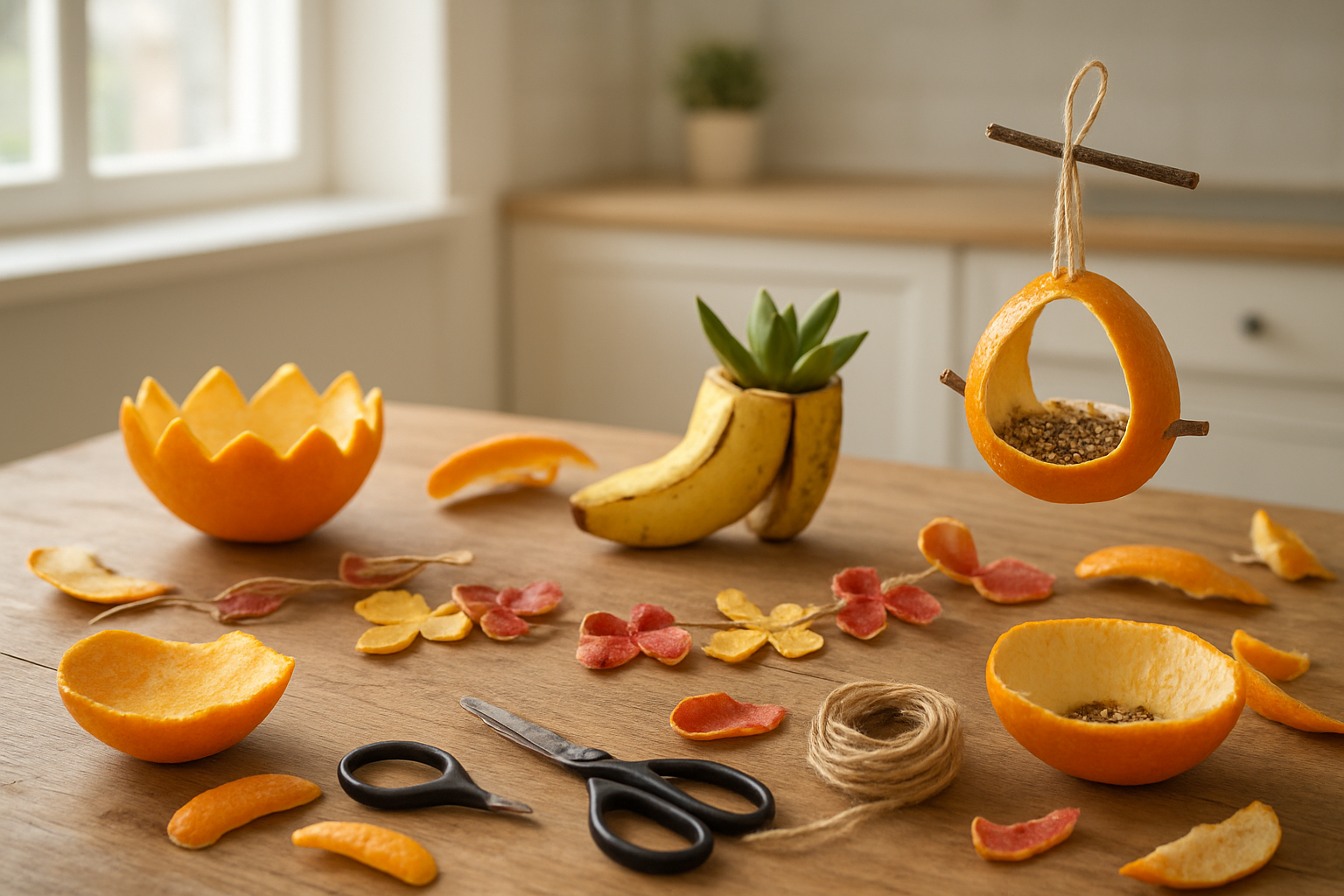
Design Biodegradable Seed Starting Pots
Creating DIY fruit peel crafts for seed starting transforms your kitchen scraps into eco-friendly gardening tools. Orange and grapefruit halves make excellent biodegradable pots that decompose naturally in the soil. Simply hollow out the fruit after juicing, poke a small drainage hole in the bottom, and fill with potting mix.
For smaller seeds, papaya and avocado peels work wonderfully. Cut these tropical fruit peels into strips and form them into small cylinders, securing with natural fiber string. The thick, waxy texture of these peels provides excellent moisture retention while gradually breaking down to nourish growing seedlings.
Apple and pear peels can be woven together to create flexible seed-starting mats. Layer the peels in a cross-hatch pattern and let them dry for 24 hours before use. These mats work perfectly for microgreens and herb seeds, providing a natural growing medium that enriches the soil as it decomposes.
Create Natural Dyes for Fabric and Art Projects
Sustainable fruit waste ideas extend beautifully into the world of natural dyeing. Fruit peels contain powerful pigments that produce stunning colors without harmful chemicals. Red and purple fruit peels from berries, plums, and cherries create gorgeous pink and lavender hues when simmered with fabric.
Avocado peels and pits yield surprisingly vibrant pink and coral tones. Collect peels from your morning smoothies and toast preparations, then simmer them with pre-mordanted cotton or silk for 45-60 minutes. The resulting colors range from soft blush to deep rose, depending on the fabric type and mordant used.
Yellow and orange citrus peels produce warm, sunny colors perfect for summer projects. Combine lemon, orange, and grapefruit peels for varied golden tones. For art projects, these natural dyes work excellently on paper and canvas, creating organic watercolor effects that conventional dyes simply can't match.
Make Decorative Potpourri Blends for Home Fragrance
Zero waste fruit peels make fantastic potpourri bases that fill your home with natural fragrance. Citrus peels are particularly effective when dried properly. Cut orange, lemon, and grapefruit peels into strips and air-dry them for 3-5 days until completely crisp.
Apple and pear peels add sweet, comforting notes to potpourri blends. Slice them thinly and dehydrate in a low oven or food dehydrator. Mix these fruit peels with cinnamon sticks, whole cloves, and dried herbs for a warming autumn scent that beats any store-bought air freshener.
Create tropical-inspired blends using pineapple tops and mango peels. These exotic fruit peels retain their sweet fragrance when dried and pair beautifully with vanilla beans and dried flowers. Store your homemade potpourri in glass jars and refresh the scent occasionally with a few drops of essential oil made from the same fruits.
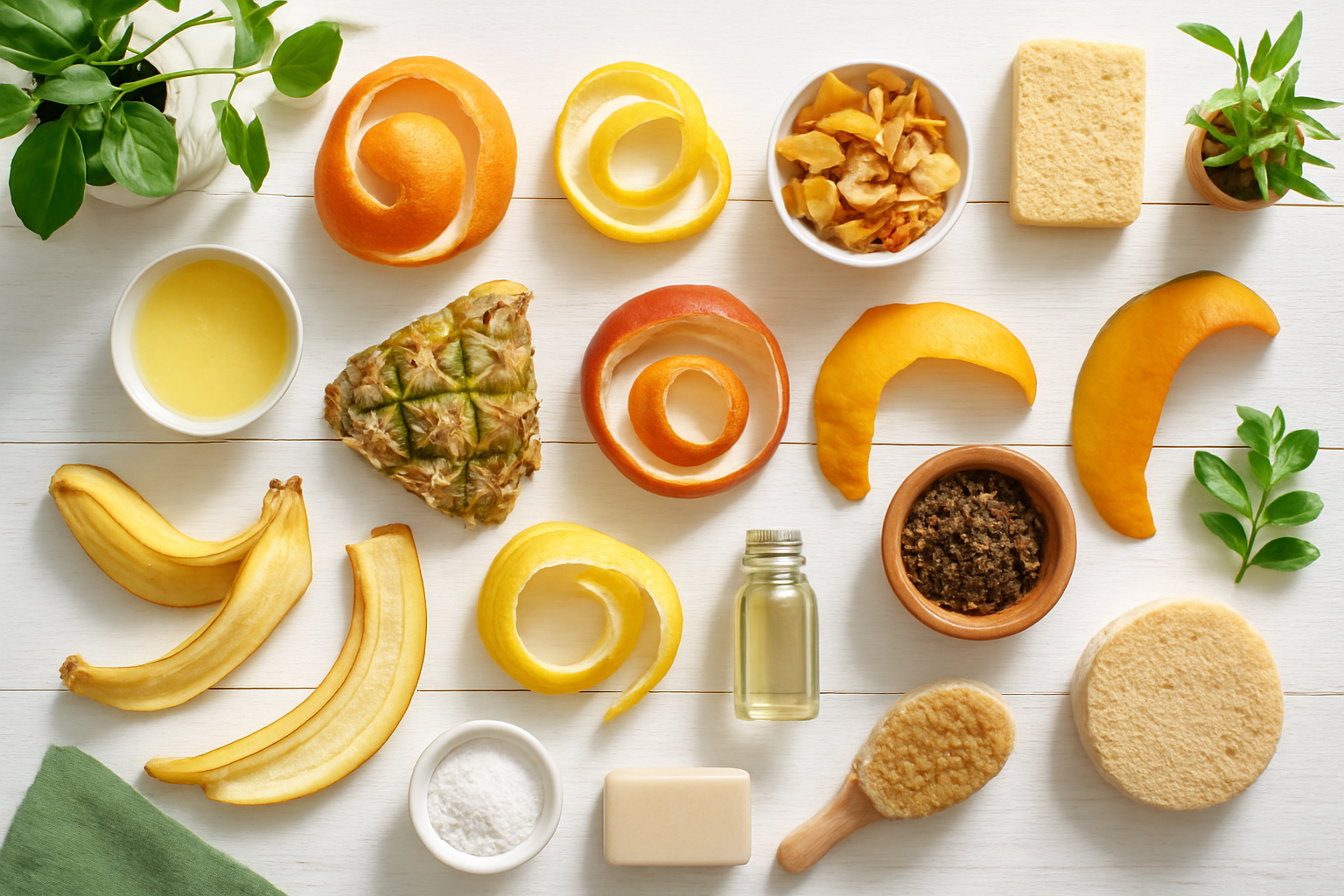
Fruit peels don't have to end up in the trash when they can become valuable resources around your home. From mixing up natural cleaners with citrus rinds to turning banana peels into nutrient-rich compost for your garden, these simple swaps help reduce waste while saving money. Apple peels can become tasty snacks, tropical fruit skins work wonders in homemade beauty treatments, and leftover peels from any fruit can spark fun craft projects with the kids.
Start small by picking one idea that appeals to you most. Maybe try making an all-purpose cleaner with those orange peels from breakfast, or toss your banana peels into a compost bin instead of the garbage. Once you see how easy and rewarding these changes can be, you'll naturally find yourself looking at fruit peels as opportunities rather than waste. Your wallet, your home, and the environment will all benefit from these creative solutions.


.png)
Comments
Post a Comment