Beetroot - What's the Beetroot?
What's the Beetroot? Your Complete Guide to Nature's Ruby Red Powerhouse
Beetroot might look like an ordinary root vegetable, but this vibrant ruby gem packs serious nutritional punch and incredible versatility. This guide is perfect for home cooks, health-conscious food lovers, and anyone curious about adding more colorful nutrition to their meals.
You'll discover what is beetroot and why it deserves a spot on your plate, plus explore the impressive beetroot health benefits that make nutritionists rave about this earthy vegetable. We'll also walk you through simple beetroot preparation techniques and share easy beetroot recipes that transform this humble root into delicious beetroot dishes your whole family will love.
Ready to unlock everything you need to know about fresh beetroot? Let's dig into the basics and turn you into a beetroot pro.
Discover the Power-Packed Beetroot Basics
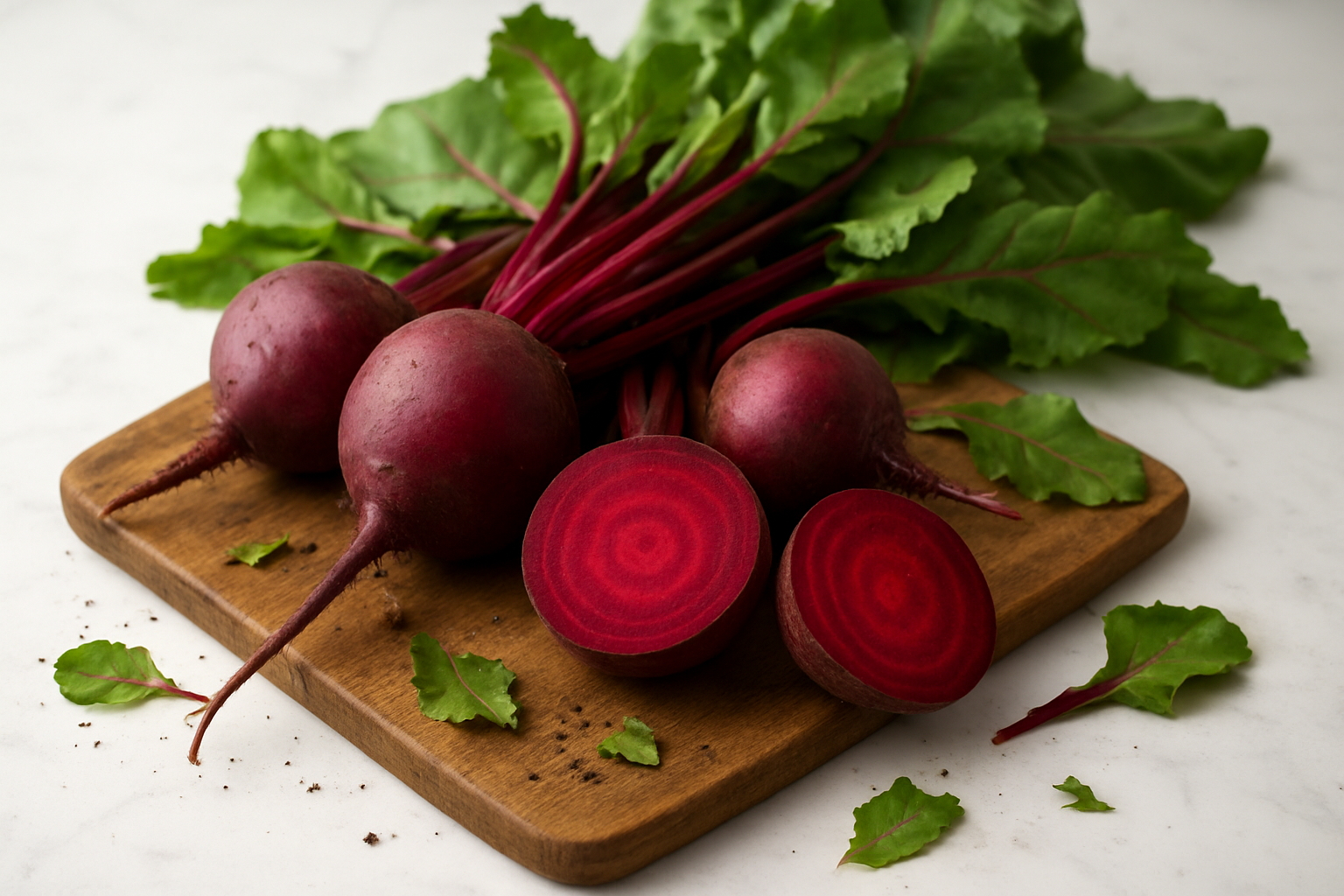
Uncover What Makes Beetroot a Superfood
Beetroot packs an impressive nutritional punch that puts it squarely in the superfood category. This vibrant root vegetable contains high levels of nitrates, which your body converts to nitric oxide - a compound that helps improve blood flow and lower blood pressure. The beetroot nutrition profile includes folate, manganese, and betalains, powerful antioxidants responsible for that distinctive deep red color.
What makes beetroot truly special is its unique combination of vitamins, minerals, and plant compounds. You'll find vitamin C for immune support, fiber for digestive health, and potassium for heart function. The nitrates in beetroot have been shown to enhance athletic performance and support cardiovascular health, making this root vegetable a favorite among fitness enthusiasts and health-conscious individuals.
Learn About Different Beetroot Varieties and Colors
While most people picture deep red beetroot, this versatile vegetable comes in several exciting varieties. The classic Detroit Dark Red remains the most popular, offering that signature crimson hue and sweet flavor. Golden beetroot provides a milder taste with stunning yellow flesh that won't stain your cutting board or hands.
Chioggia beetroot, also called candy cane beetroot, features beautiful concentric rings of red and white when sliced. White beetroot offers the mildest flavor profile, perfect for those new to this vegetable. Each variety brings its own visual appeal and subtle taste differences:
| Variety | Color | Flavor Profile | Best Uses |
|---|---|---|---|
| Detroit Dark Red | Deep red | Sweet, earthy | Juicing, roasting |
| Golden | Yellow/orange | Mild, sweet | Salads, grilling |
| Chioggia | Red and white striped | Mild, sweet | Raw preparations |
| White | Cream/white | Very mild | Soups, purees |
Understand Beetroot's Unique Earthy Flavor Profile
Fresh beetroot delivers a distinctive taste that combines natural sweetness with an earthy, mineral-rich depth. The flavor intensity varies depending on the variety and preparation method. Raw beetroot offers a crisp texture with pronounced earthiness, while cooking transforms it into something sweeter and more tender.
The earthy taste comes from naturally occurring compounds called geosmin, which gives beetroot its characteristic "dirt-like" flavor that some people love and others find challenging. Roasting beetroot concentrates the natural sugars, creating a caramelized sweetness that balances the earthiness beautifully. Young beetroot tends to be milder and more tender than mature roots.
Explore Beetroot's Growing Seasons and Origins
Beetroot thrives in cool weather, making it a perfect crop for spring and fall gardens. Originally cultivated in the Mediterranean region over 4,000 years ago, beetroot has spread worldwide and adapted to various climates. The ancient Romans primarily grew beetroot for its leaves, only later discovering the delicious potential of the root itself.
Modern beetroot cultivation happens year-round in different regions, with peak seasons varying by location. In temperate climates, you'll find the best fresh beetroot from late spring through early winter. Cold-hardy varieties can even withstand light frosts, which actually improves their flavor by concentrating the sugars. Commercial production ensures fresh beetroot availability throughout the year, though locally grown seasonal varieties often offer superior taste and beetroot benefits.
Unlock Beetroot's Incredible Health Benefits
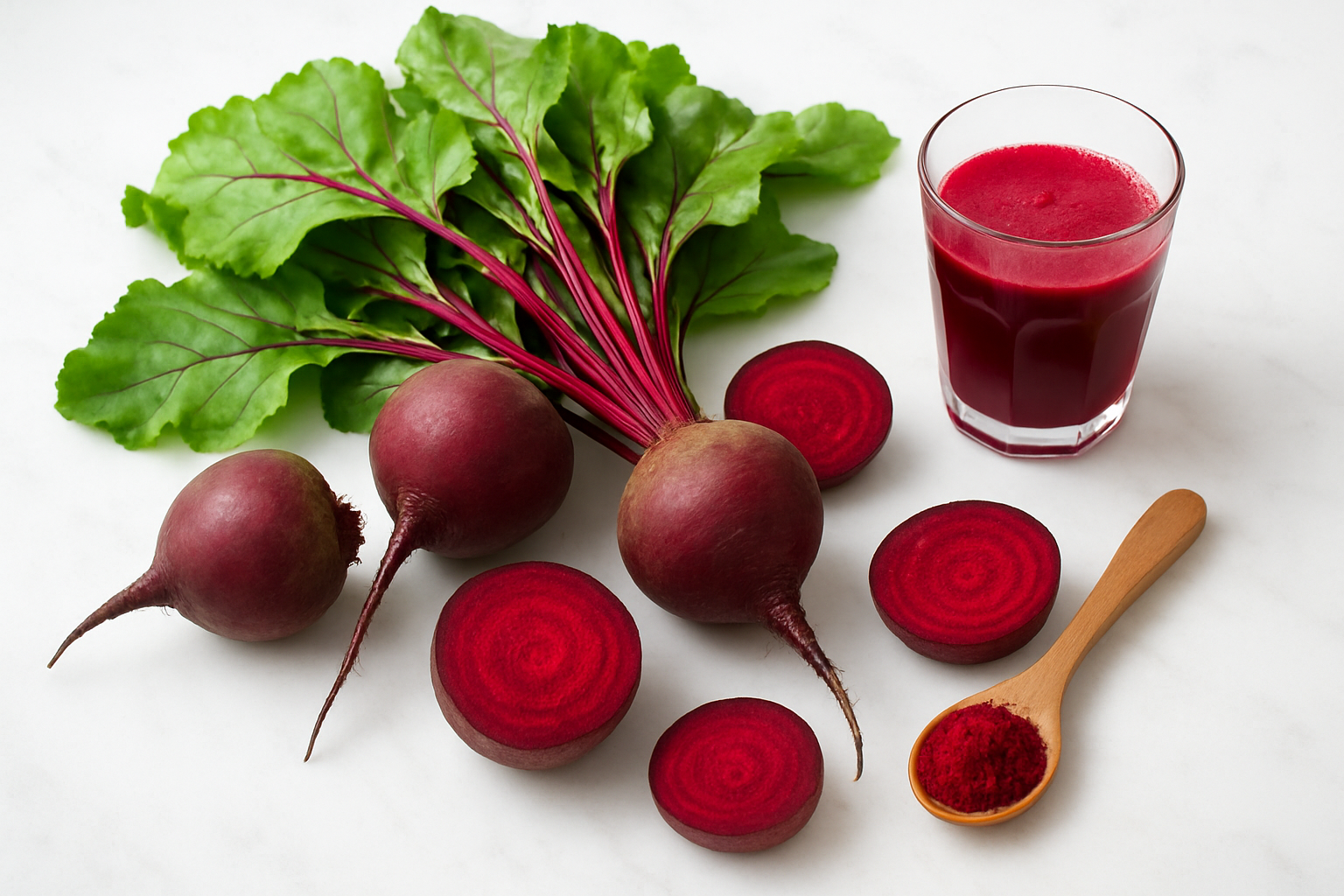
Boost Your Heart Health with Natural Nitrates
Beetroot packs an impressive amount of natural nitrates that work wonders for cardiovascular health. These compounds convert to nitric oxide in your body, helping blood vessels relax and widen for better circulation. Regular beetroot consumption can reduce the risk of heart disease by improving blood flow and reducing arterial stiffness.
Studies show that drinking beetroot juice or eating fresh beetroot can lower systolic blood pressure by up to 10 mmHg within hours. The nitrates also help prevent blood clots and reduce inflammation in blood vessels, creating a protective shield for your heart.
Enhance Athletic Performance and Endurance
Athletes have discovered beetroot's secret weapon for peak performance. The natural nitrates improve oxygen delivery to muscles, allowing you to exercise longer with less fatigue. Research demonstrates that beetroot consumption can increase exercise capacity by 16% and reduce the oxygen cost of physical activity.
Professional cyclists and runners often drink beetroot juice 2-3 hours before competition for maximum benefit. The enhanced blood flow means your muscles receive more nutrients and oxygen, while waste products like lactic acid get cleared away more efficiently.
Support Healthy Blood Pressure Levels
The beetroot benefits for blood pressure management are remarkable. Regular consumption can significantly lower both systolic and diastolic blood pressure readings. The nitrates in beetroot work as natural vasodilators, relaxing blood vessel walls and reducing the pressure needed to pump blood throughout your body.
Clinical trials show that drinking 250ml of beetroot juice daily can maintain healthy blood pressure levels for up to 24 hours. This makes beetroot an excellent natural alternative or complement to traditional blood pressure management strategies.
Strengthen Your Immune System with Antioxidants
Beetroot nutrition includes powerful antioxidants like betalains, which give the vegetable its vibrant red color. These compounds fight free radicals that can damage cells and weaken immune function. The vitamin C content further supports immune system strength by promoting white blood cell production.
The folate in beetroot also plays a crucial role in DNA repair and cell division, helping your body maintain healthy tissue and fight off infections. Regular beetroot consumption can reduce inflammation markers and support overall immune resilience.
Improve Digestive Health with High Fiber Content
Each cup of beetroot provides about 4 grams of dietary fiber, supporting healthy digestion and gut bacteria balance. This fiber helps regulate bowel movements, prevents constipation, and feeds beneficial bacteria in your intestines. The betaine in beetroot also supports liver function and helps with fat digestion.
Fiber from beetroot slows sugar absorption, helping maintain stable blood glucose levels after meals. This makes beetroot an excellent choice for people managing diabetes or those looking to avoid energy crashes throughout the day.
Master Simple Beetroot Preparation Techniques
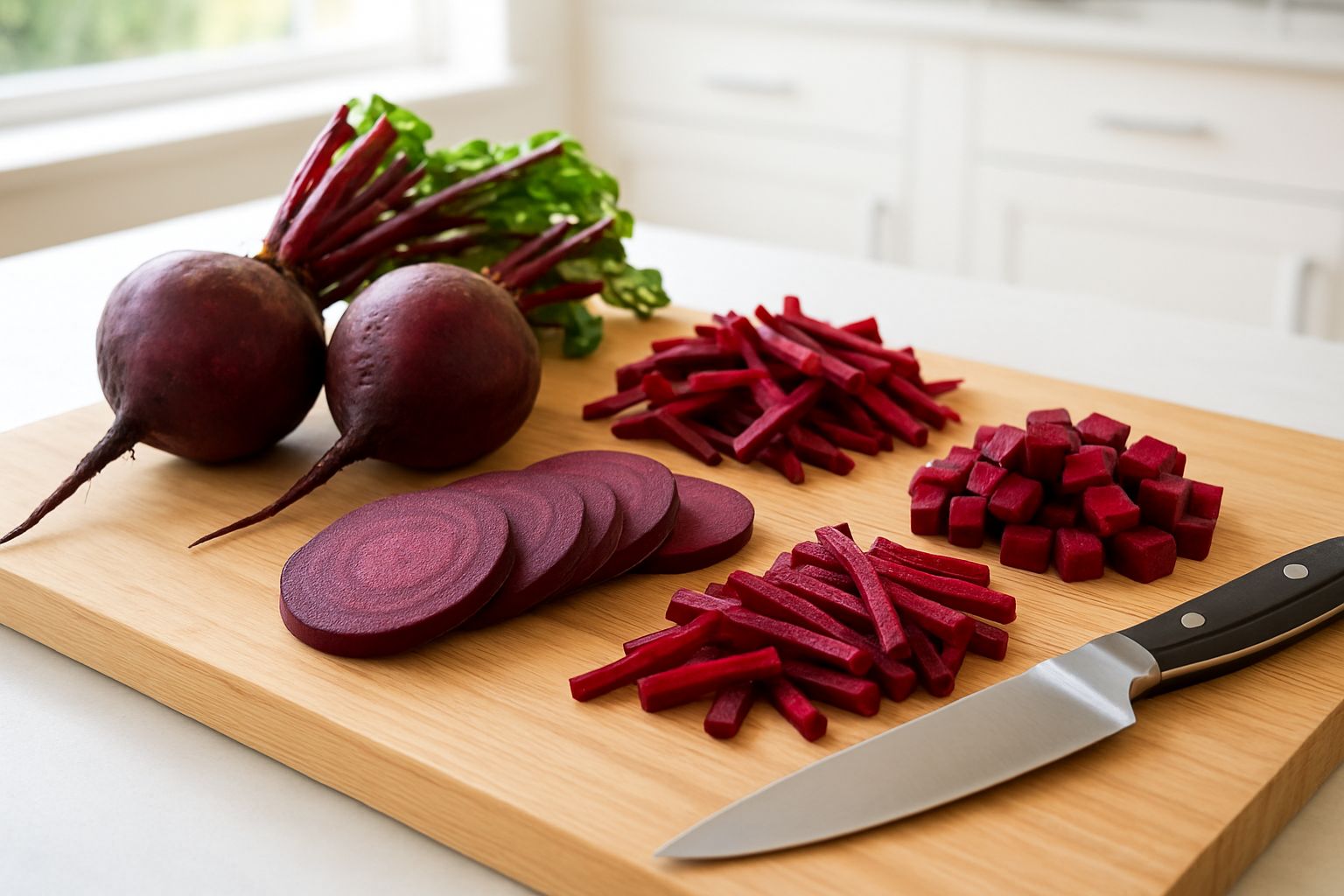
Learn Proper Beetroot Cleaning and Peeling Methods
Fresh beetroot comes from the ground with dirt clinging to its skin, so proper cleaning sets the foundation for any beetroot preparation. Start by trimming the greens, leaving about an inch of stem to prevent bleeding during cooking. Never cut into the beetroot itself at this stage - those vibrant juices are precious.
Rinse the beetroot under cold running water while gently scrubbing with a vegetable brush. The skin should come clean without aggressive scrubbing. For stubborn dirt patches, let the beetroot soak in cool water for 10 minutes before brushing again.
Peeling Methods:
-
Before cooking: Only peel raw beetroot if you're using it immediately. Use a sharp peeler and work quickly to minimize juice loss
-
After cooking: The preferred method - cook beetroot whole, then slip the skins off with your hands or a paper towel when cool enough to handle
-
Glove protection: Wear rubber gloves during any beetroot preparation to avoid staining your hands
Discover Roasting Techniques for Maximum Flavor
Roasting transforms beetroot into sweet, concentrated flavor bombs. This beetroot preparation method brings out natural sugars while creating tender, earthy results that work perfectly in beetroot dishes.
Basic Roasting Method:
-
Preheat oven to 400°F (200°C)
-
Wrap clean, whole beetroot individually in foil with a drizzle of olive oil
-
Roast for 45-60 minutes depending on size
-
Test doneness by piercing with a fork - it should slide through easily
Flavor Variations:
-
Add fresh thyme and garlic to foil packets
-
Drizzle with balsamic vinegar before wrapping
-
Season with coarse salt and black pepper
| Size | Roasting Time | Temperature |
|---|---|---|
| Small (golf ball) | 35-45 min | 400°F |
| Medium (tennis ball) | 45-60 min | 400°F |
| Large (baseball) | 60-75 min | 400°F |
The beetroot is perfectly roasted when the skin wrinkles slightly and peels away easily. Let roasted beetroot cool completely before handling to avoid burns and make peeling effortless.
Explore Raw Beetroot Preparation for Salads
Raw beetroot offers a completely different experience - crisp texture and bright, clean flavor that adds vibrant color to salads. This preparation method preserves all the beetroot nutrition while creating visually stunning dishes.
Grating and Shredding:
Use a box grater or food processor to create different textures. Fine grating works beautifully for slaws, while larger shreds add substance to mixed green salads. Always grate beetroot just before serving to maintain maximum freshness and prevent bleeding onto other ingredients.
Thin Slicing Techniques:
A mandoline or sharp knife creates paper-thin beetroot rounds perfect for carpaccio-style presentations. Soak thin slices in ice water for 15 minutes to crisp them up and reduce the earthy intensity.
Julienne Preparation:
Cut beetroot into matchstick shapes for Asian-inspired salads. This method works especially well when combined with carrots and other root vegetables for colorful, crunchy salads.
Pro Tips for Raw Beetroot:
-
Choose smaller, younger beetroot for the most tender texture
-
Mix different colored varieties (red, golden, striped) for visual impact
-
Dress raw beetroot lightly - a simple vinaigrette lets the natural flavor shine
-
Add raw beetroot to salads just before serving to prevent color bleeding
Create Delicious Beetroot Dishes for Every Meal
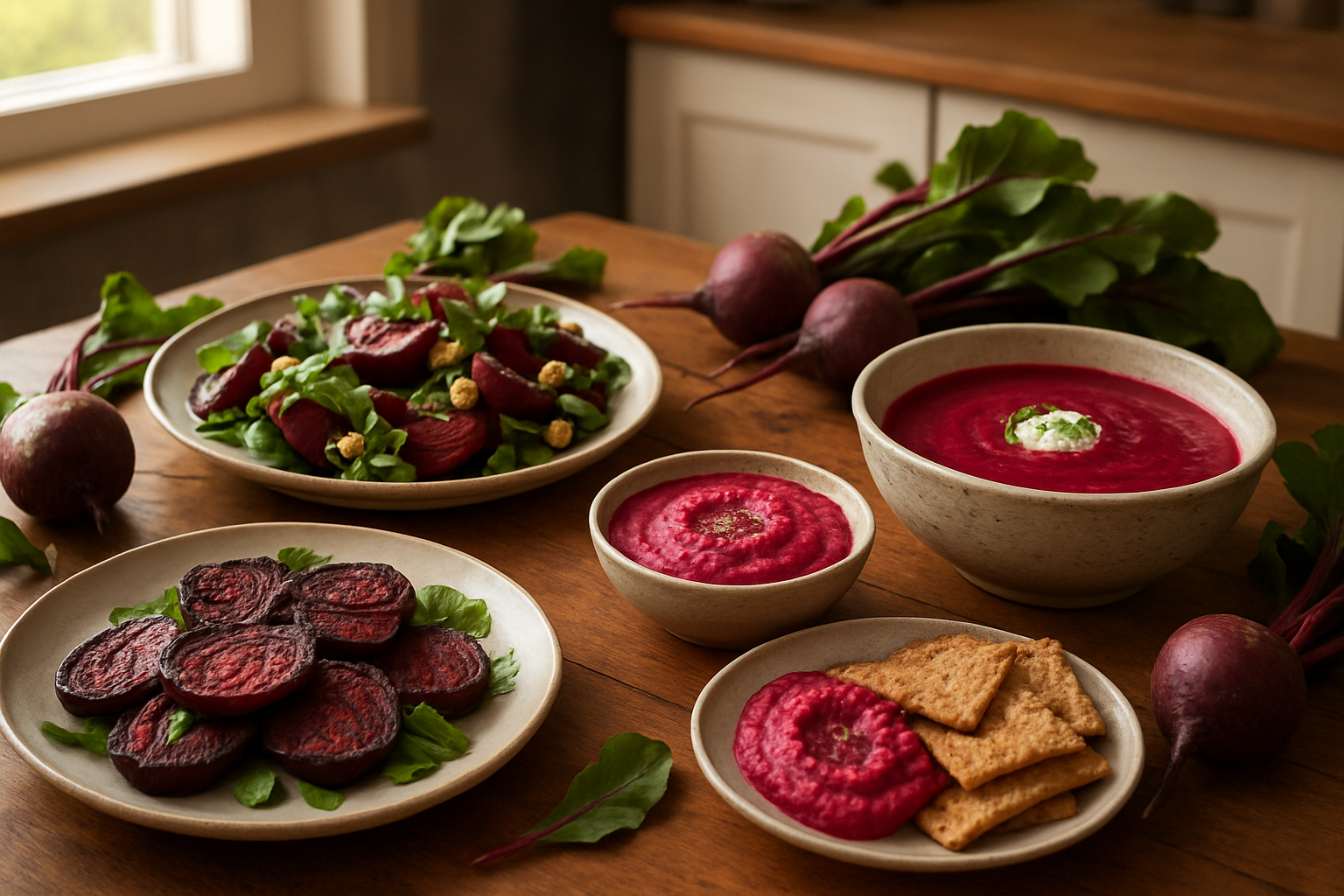
Prepare Nutritious Beetroot Smoothies and Juices
Fresh beetroot creates vibrant, nutrient-packed drinks that energize your morning routine. Blend raw beetroot with apples, ginger, and carrots for a classic detox juice that delivers natural nitrates and antioxidants. The earthy sweetness pairs beautifully with citrus fruits like oranges or lemons, which help mask beetroot's strong flavor while boosting vitamin C content.
For smoothies, combine cooked beetroot with frozen berries, banana, and Greek yogurt. This combination provides protein, fiber, and probiotics alongside beetroot's impressive nutritional profile. Add a handful of spinach for extra iron without affecting the rich purple color. Coconut water or almond milk work perfectly as liquid bases.
Popular beetroot juice combinations include:
-
Beetroot, apple, and ginger
-
Beetroot, carrot, and orange
-
Beetroot, cucumber, and celery
-
Beetroot, pineapple, and mint
Start with small amounts of beetroot when making these beverages, as its intense flavor can overwhelm other ingredients. One small beetroot typically provides enough for two servings of juice or smoothie.
Make Colorful Beetroot Salads and Slaws
Raw beetroot adds spectacular color and crunch to fresh salads. Grate beetroot finely and mix with shredded cabbage, carrots, and apples for a vibrant slaw that's perfect alongside grilled meats or fish. The natural sugars in beetroot balance acidic dressings beautifully.
Roasted beetroot transforms salads into gourmet experiences. Cube roasted beetroot and toss with mixed greens, goat cheese, and toasted walnuts. Drizzle with balsamic vinaigrette to complement beetroot's earthy sweetness. This combination provides healthy fats, protein, and complex flavors that satisfy any palate.
Try these winning beetroot salad combinations:
-
Roasted beetroot with arugula, feta, and pomegranate seeds
-
Shredded raw beetroot with apple, celery, and yogurt dressing
-
Golden and red beetroot with quinoa and herbs
-
Pickled beetroot with cucumber and red onion
Always handle raw beetroot with gloves to prevent staining your hands. Marinate grated beetroot in lemon juice and olive oil for 15 minutes before serving to soften its texture and brighten its flavor.
Cook Hearty Beetroot Soups and Stews
Beetroot soups offer comfort and nutrition in every spoonful. Traditional borscht showcases beetroot's versatility, combining it with cabbage, potatoes, and herbs for a satisfying meal. The natural sugars in beetroot create a rich, complex broth that pairs wonderfully with sour cream or Greek yogurt.
For modern takes on beetroot dishes, try roasting beetroot with other root vegetables before pureeing into velvet-smooth soups. Combine roasted beetroot with sweet potatoes and ginger for an anti-inflammatory powerhouse. Add coconut milk for creaminess without dairy.
Beetroot works excellently in slow-cooked stews where its flavors meld with other ingredients over time. Dice beetroot and add to beef or vegetable stews during the last hour of cooking to maintain its vibrant color and firm texture.
Popular beetroot soup varieties include:
-
Classic red borscht with beef or vegetable broth
-
Creamy beetroot and apple soup
-
Spiced beetroot and lentil soup
-
Cold beetroot soup with cucumber and dill
Remember that beetroot's color bleeds during cooking, so add it strategically to maintain appetizing presentation in mixed dishes.
Bake Creative Beetroot Desserts and Treats
Beetroot's natural sweetness and moisture content make it an unexpected star in baked goods. Chocolate beetroot cake combines the vegetable's earthy notes with rich cocoa, creating incredibly moist desserts that sneak extra nutrition into treats. The beetroot adds natural sweetness while reducing the need for excessive sugar.
Puree cooked beetroot and fold it into brownie batter for fudgy, nutrient-dense desserts. The vegetable's deep color enhances chocolate's richness while adding fiber and antioxidants. Most people can't detect beetroot's presence in chocolate-based desserts.
Try these creative beetroot dessert ideas:
-
Beetroot and dark chocolate muffins
-
Red velvet cake using beetroot for color
-
Beetroot and berry smoothie popsicles
-
Beetroot chocolate chip cookies
For lighter options, blend beetroot into fruit compotes or use it in naturally sweetened energy balls combined with dates, nuts, and cocoa powder. These beetroot recipes provide sustained energy without artificial additives.
When baking with beetroot, use pureed cooked beetroot rather than raw to ensure proper texture. Start by substituting 25% of liquid ingredients with beetroot puree, then adjust based on your preferences.
Choose and Store Beetroot Like a Pro
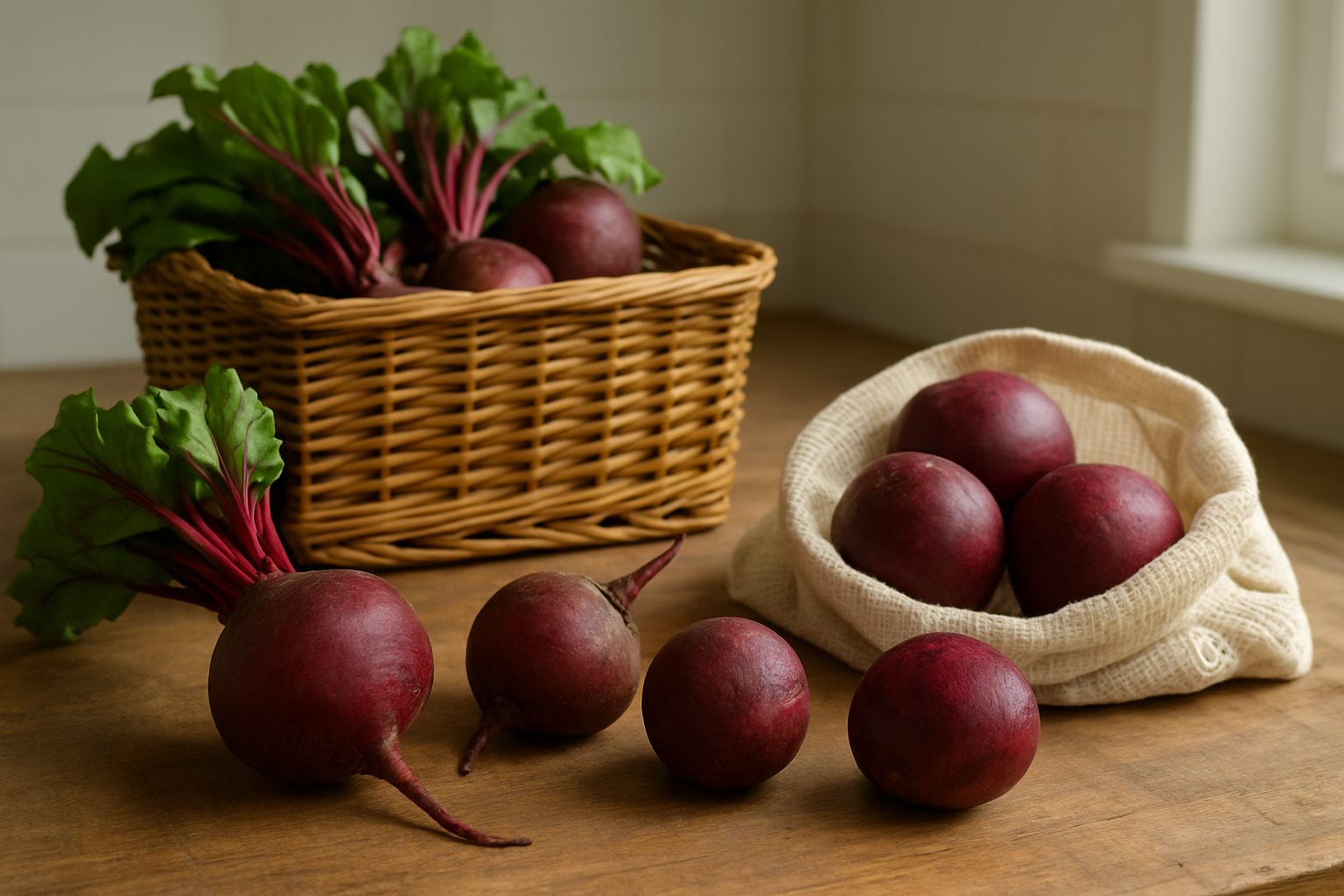
Identify Fresh, High-Quality Beetroot at the Store
When shopping for fresh beetroot, look for beets that feel heavy for their size with smooth, firm skin. The ideal beetroot should have a deep, rich color without any soft spots, wrinkles, or blemishes. Small to medium-sized beets typically offer the best flavor and tender texture, while oversized beetroot can be woody and less sweet.
Pay attention to the greens if they're still attached. Fresh beetroot leaves should appear vibrant green, crisp, and free from yellowing or wilting. These greens are actually edible and packed with nutrients, so don't overlook their quality. Avoid beetroot with damaged or slimy greens, as this often indicates the vegetable has been sitting too long.
Check the root end of the beetroot for any signs of sprouting or soft spots. The taproot should be intact and firm. If you notice any cuts or nicks in the skin, pass on those beets as they'll deteriorate faster once you get them home.
Fresh beetroot should have a earthy, sweet aroma. Any sour or unpleasant odors signal that the vegetable is past its prime. When possible, choose beetroot that's locally grown and in season for peak freshness and beetroot nutrition.
Store Beetroot Properly for Extended Freshness
Proper beetroot storage starts with separating the greens from the roots immediately after purchase. Cut the leafy tops about two inches from the beetroot, leaving some stem to prevent bleeding. Store the greens separately in the refrigerator wrapped in damp paper towels inside a plastic bag, where they'll stay fresh for 2-3 days.
Store whole, uncooked beetroot in a perforated plastic bag in your refrigerator's crisper drawer. The perforations allow for proper air circulation while maintaining humidity. Fresh beetroot can last 2-3 weeks when stored this way. Never wash beetroot before storing, as excess moisture encourages spoilage.
For longer storage, beetroot stores exceptionally well in cool, humid conditions. If you have a root cellar or unheated basement, store beetroot in slightly damp sand or peat moss at temperatures between 32-40°F with high humidity. This traditional method can keep beetroot fresh for several months.
Cooked beetroot should be stored in airtight containers in the refrigerator and consumed within 3-4 days. You can also freeze cooked beetroot for up to 8 months, though the texture may become slightly softer after thawing.
Preserve Beetroot Through Pickling and Canning
Pickling beetroot is one of the most popular preservation methods that enhances the natural sweetness while adding tangy flavor. Start by cooking whole beetroot until tender, then slip off the skins and slice or cut into chunks. Prepare a brine using equal parts vinegar and water, adding sugar and spices like cloves, bay leaves, or peppercorns.
Quick pickled beetroot can be made by pouring hot brine over cooked beetroot in sterilized jars. These refrigerator pickles stay fresh for several weeks and make excellent beetroot dishes for salads and appetizers. The beetroot benefits remain intact while the pickling process adds probiotics and extends shelf life.
For long-term storage, use proper water bath canning techniques. Pack hot, cooked beetroot into sterilized canning jars, leaving appropriate headspace, then cover with boiling brine. Process in a boiling water bath according to tested canning recipes, typically 30-35 minutes for pint jars, adjusting for altitude.
You can also preserve beetroot by fermenting, which creates beneficial bacteria while maintaining beetroot nutrition. Grate raw beetroot, salt lightly, and pack into jars with filtered water. Fermented beetroot develops a tangy flavor and can be stored in the refrigerator for months once the fermentation process is complete.
Dehydrating is another excellent preservation option. Slice cooked beetroot thinly and dehydrate at 135°F until crisp. These beetroot chips make healthy snacks and can be ground into powder for smoothies or seasoning.
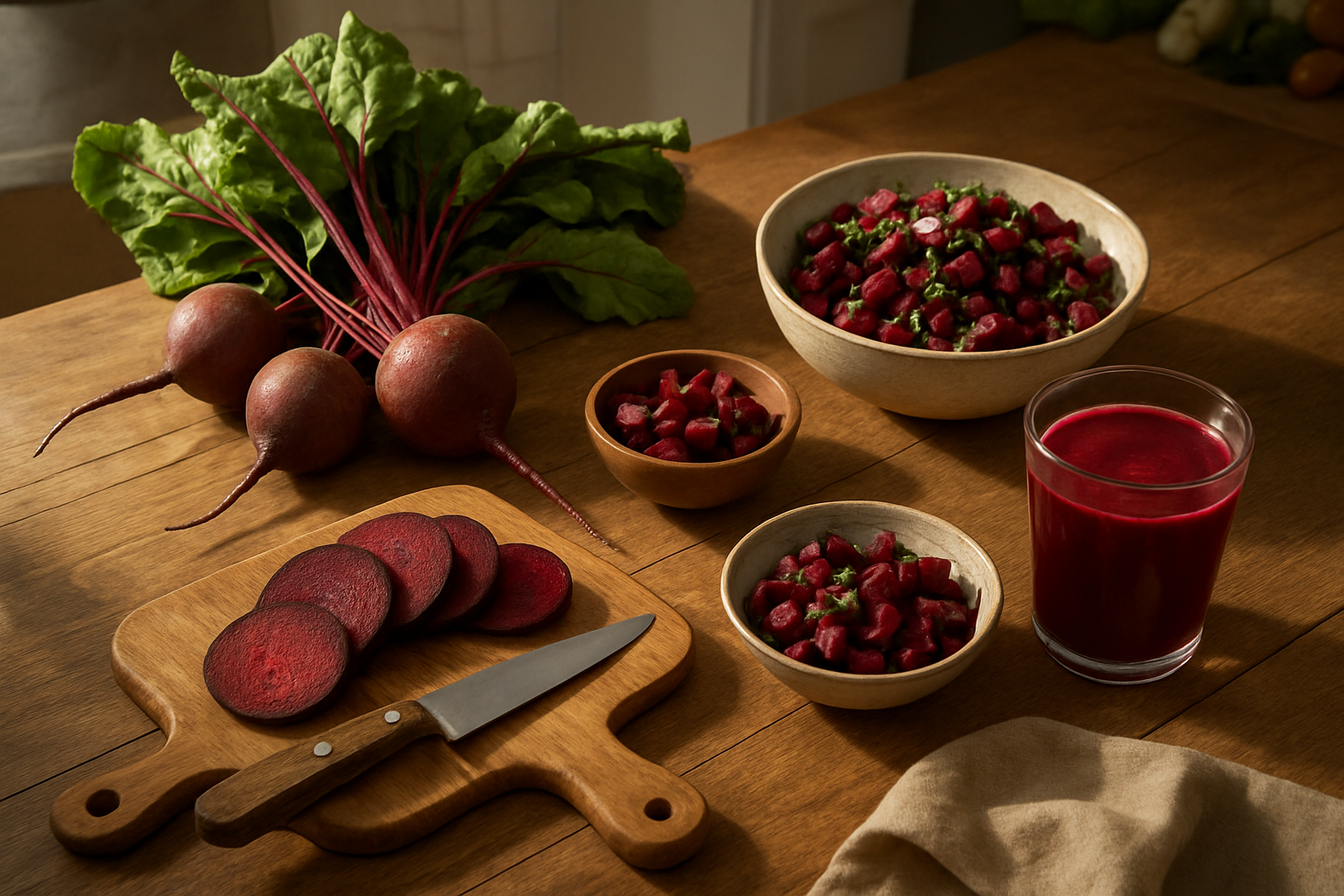
Beetroot truly deserves a spot in your regular meal rotation. This vibrant root vegetable brings together impressive health benefits like better blood flow, increased energy, and essential nutrients, all wrapped up in a naturally sweet package. From simple roasted chunks to creative smoothie additions, beetroot works well in countless recipes that can transform your everyday meals into something more nutritious and colorful.
Getting started with beetroot doesn't have to be complicated. Pick firm, smooth roots at the store, keep them fresh in your fridge, and try one new preparation method each week. Whether you juice it for a morning boost, toss it in salads, or roast it as a side dish, you'll discover that this earthy vegetable can easily become one of your kitchen favorites. Give beetroot a chance to show you what it can do for your health and your taste buds.


.png)
Comments
Post a Comment