Carrots - What are Carrots?
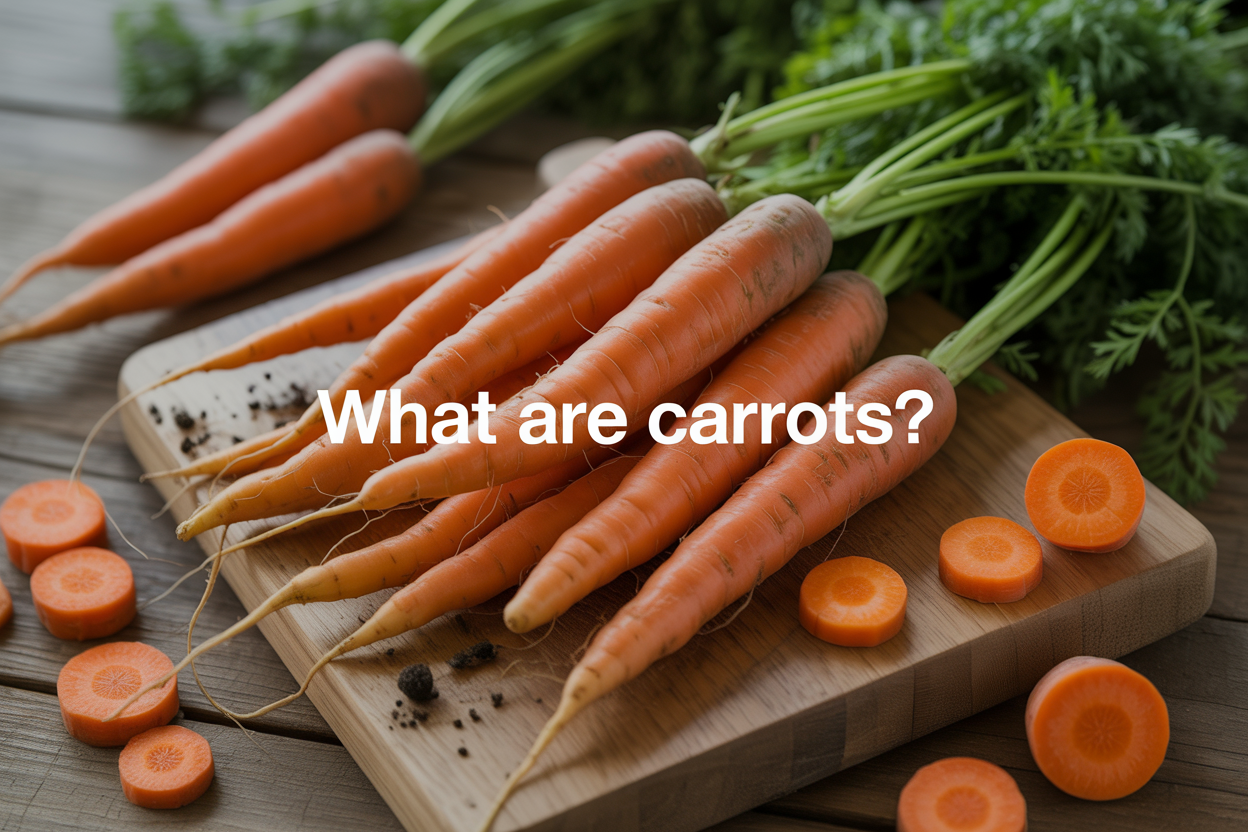
Carrots are crunchy orange vegetables that most people recognize, but there's way more to these popular root vegetables than meets the eye. This guide is perfect for home cooks, gardeners, and anyone curious about adding more nutritious foods to their diet.
We'll explore what makes carrots such a nutritional powerhouse and why they deserve a spot on your plate. You'll discover the different carrot varieties available beyond the classic orange ones you see at the store. Plus, we'll cover practical tips for growing carrots in your own garden and the best ways to store them so they stay fresh longer.
Understanding Carrots as Root Vegetables
Scientific Classification and Botanical Family
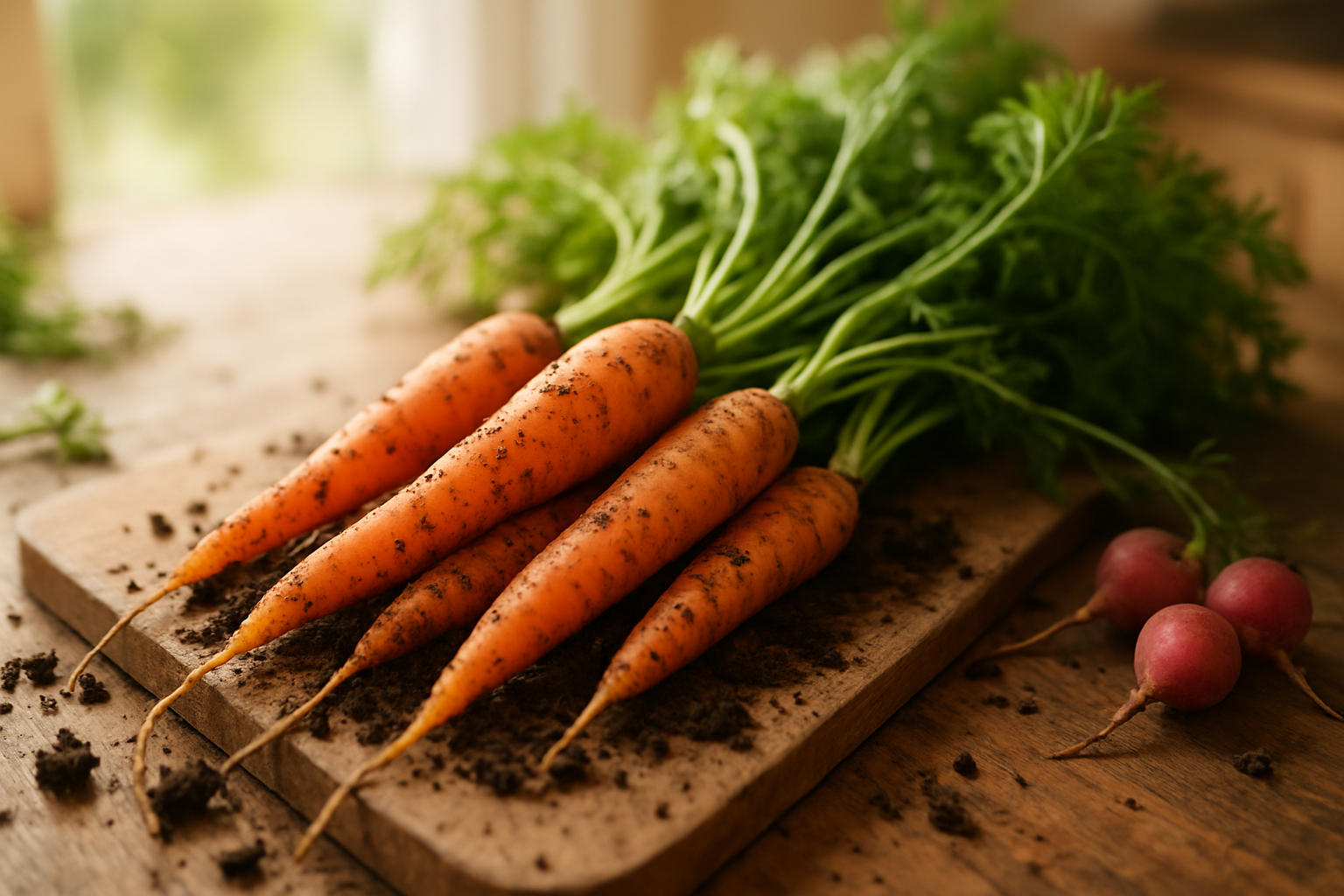
Carrots belong to the Apiaceae family, formerly known as Umbelliferae, which makes them close relatives of parsley, celery, fennel, and dill. The scientific name for the common carrot is Daucus carota subspecies sativus, distinguishing it from its wild ancestor, Queen Anne's lace (Daucus carota subspecies carota). This classification places carrots firmly within the root vegetables category, where the primary edible portion grows underground as a modified taproot.
The Apiaceae family is characterized by plants that produce umbrella-shaped flower clusters called umbels. While we typically harvest carrots before they flower, allowing them to complete their full growth cycle reveals these distinctive white, lacy blooms that clearly demonstrate their botanical heritage.
Physical Characteristics and Identifying Features
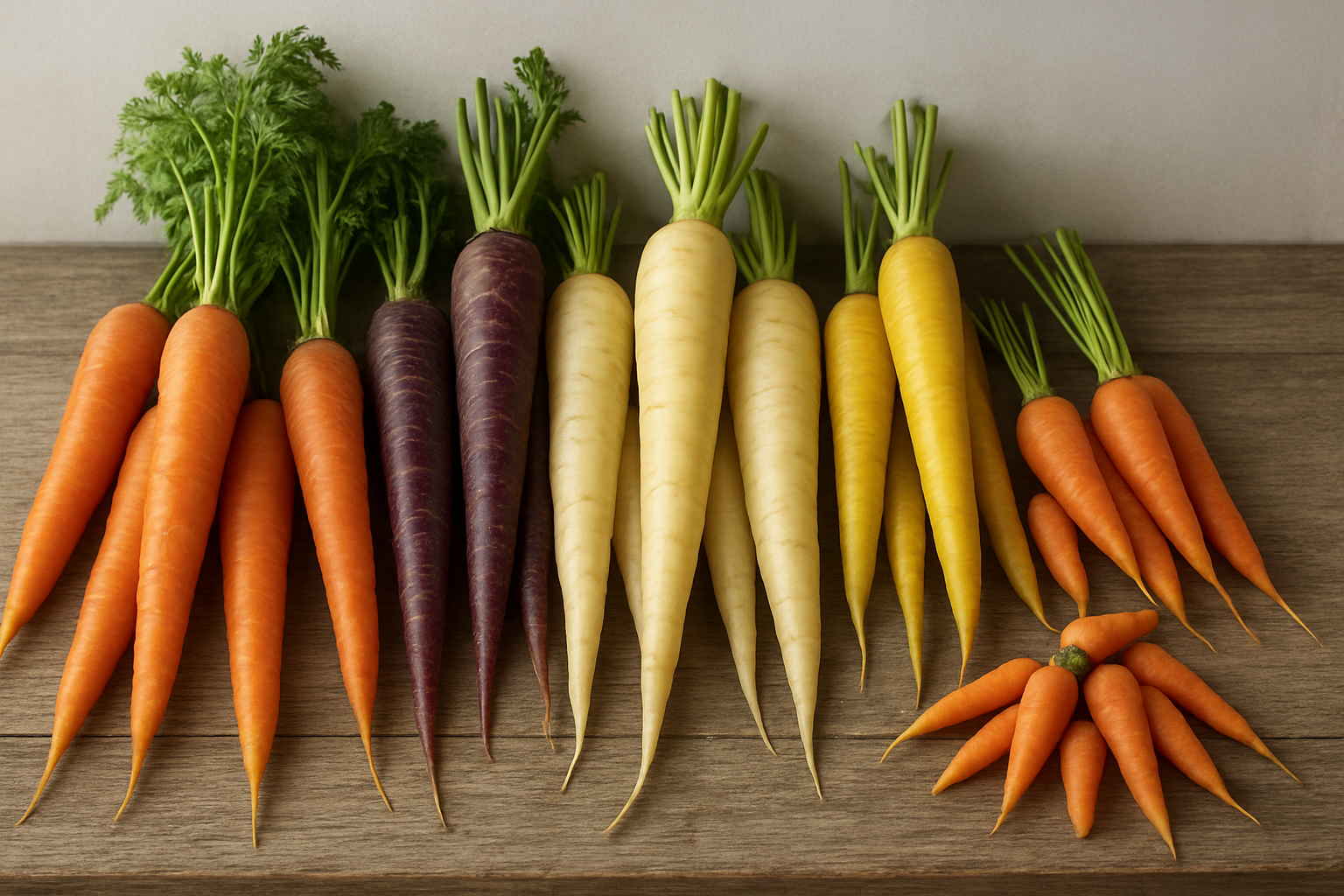
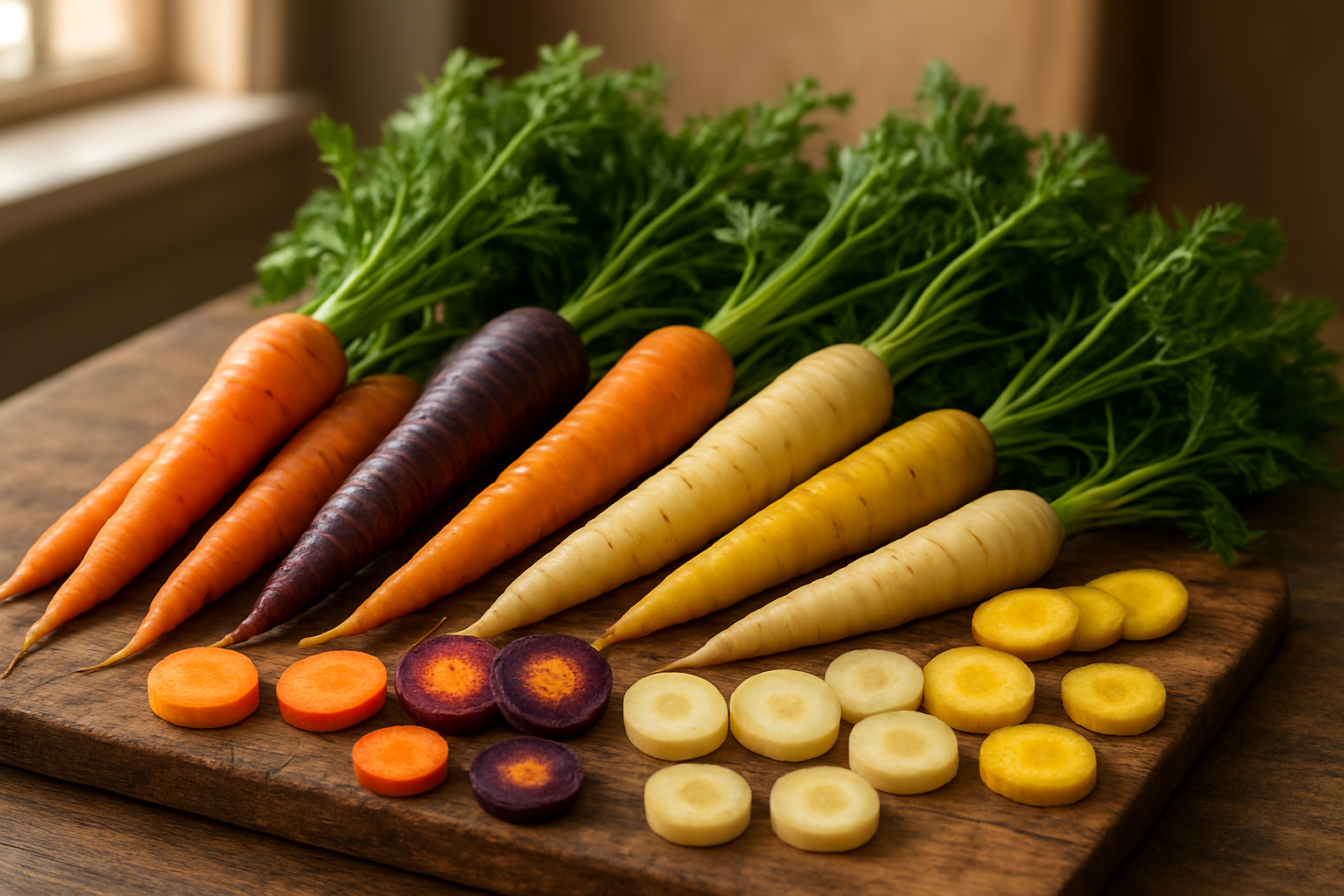
Carrots display several distinctive features that make them easily recognizable among root vegetables. The most obvious characteristic is their elongated, tapered orange root, though carrot varieties now include purple, white, yellow, and red options. The classic orange color comes from high concentrations of beta-carotene, a pigment that also contributes significantly to carrot nutrition.
The edible root typically measures 6-10 inches long and 1-2 inches in diameter, though this varies considerably among different carrot varieties. The surface is smooth with shallow grooves running lengthwise, and the flesh is crisp and dense. Above ground, carrot plants produce feathery, fern-like leaves that can reach 8-12 inches tall. These leaves are actually edible and nutritious, though they're often discarded.
The root's internal structure shows a distinct core (the xylem) surrounded by the outer flesh (phloem). In high-quality carrots, this core should be small and similar in color to the outer flesh, indicating proper growing conditions and optimal harvest timing.
Growth Cycle from Seed to Harvest
Growing carrots follows a predictable cycle that typically spans 70-80 days from seed to harvest. Carrots are biennial plants, meaning they complete their full life cycle over two years, though we harvest them during their first year for optimal eating quality.
The journey begins with tiny seeds that require consistent moisture and loose soil for successful germination, which occurs within 14-21 days under proper conditions. During the first month, carrot seedlings focus on establishing their root system and developing their characteristic feathery foliage.
The critical growth period occurs during months two and three, when the taproot rapidly expands and develops its signature shape. During this phase, carrots require consistent watering and benefit from regular thinning to prevent overcrowding. The root continues accumulating sugars and nutrients, developing the sweet flavor and crisp texture we associate with fresh carrots.
Harvest timing significantly impacts both flavor and carrot nutrition. Young carrots harvested at 60-70 days offer tender texture and sweet flavor, while those left longer develop more intense flavor and higher nutrient concentrations. Carrot storage becomes important after harvest, as proper handling maintains both nutritional value and quality for extended periods.
Nutritional Powerhouse Benefits of Carrots
Vitamin A and beta-carotene content for eye health
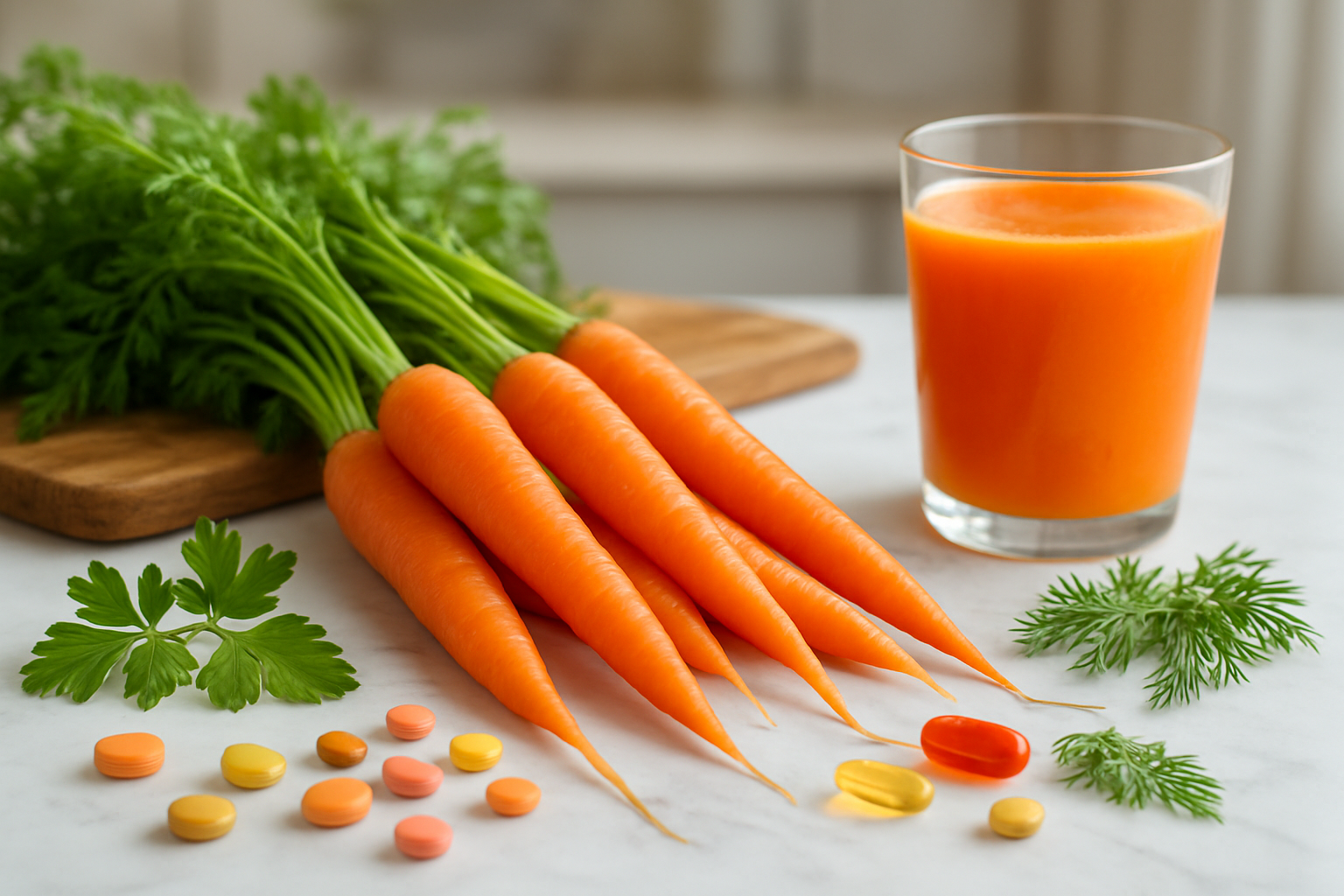
Carrots pack an incredible punch when it comes to vitamin A, containing roughly 184% of your daily recommended intake in just one medium-sized carrot. This impressive nutritional profile comes from beta-carotene, the compound that gives carrots their vibrant orange color. Your body converts beta-carotene into vitamin A, which plays a crucial role in maintaining healthy vision and preventing night blindness.
The connection between carrot nutrition and eye health goes beyond just vitamin A. Beta-carotene acts as a powerful antioxidant that protects your retina from oxidative damage caused by blue light and aging. Regular consumption of carrots and other orange vegetables helps reduce the risk of macular degeneration and cataracts, two leading causes of vision loss in older adults.
Fiber content for digestive wellness
A single medium carrot delivers about 2 grams of dietary fiber, making these root vegetables excellent for digestive health. The fiber in carrots comes in both soluble and insoluble forms, each serving different functions in your digestive system. Soluble fiber helps regulate blood sugar levels and can lower cholesterol, while insoluble fiber adds bulk to stool and promotes regular bowel movements.
The natural fiber content in carrots also feeds beneficial gut bacteria, supporting a healthy microbiome. This prebiotic effect helps improve overall digestive function and may enhance nutrient absorption from other foods you eat throughout the day.
Antioxidants that boost immune system
Carrots contain multiple antioxidants beyond beta-carotene, including alpha-carotene, lutein, and polyacetylenes. These compounds work together to strengthen your immune system by neutralizing harmful free radicals that can damage cells and tissues. The antioxidant profile varies slightly between different carrot varieties, with purple and red carrots containing additional anthocyanins and lycopene.
These powerful antioxidants help reduce inflammation throughout your body and may lower the risk of chronic diseases like heart disease and certain cancers. The immune-boosting properties of carrots make them particularly valuable during cold and flu season.
Low calorie profile for weight management
With only 25 calories per medium carrot, these nutritious root vegetables offer exceptional value for weight management. The high water content (about 88%) and natural sweetness make carrots satisfying while keeping calorie intake low. Their natural crunch requires more chewing, which can help you feel fuller faster and eat more mindfully.
The combination of fiber and water in carrots creates volume without adding significant calories, making them perfect for healthy snacking or adding bulk to meals without compromising weight loss goals.
Popular Carrot Varieties and Their Unique Properties
Orange Carrots and Their Classic Appeal
Orange carrots dominate grocery store shelves for good reason. These vibrant root vegetables contain high levels of beta-carotene, which gives them their signature color and converts to vitamin A in your body. The familiar orange carrot varieties like Nantes and Danvers offer that crisp, sweet flavor most people associate with carrots. Orange varieties typically provide the most balanced taste profile - not too sweet, not too earthy - making them perfect for both raw snacking and cooked dishes.
These traditional carrot varieties store exceptionally well and maintain their nutritional value throughout extended storage periods. Their consistent sweetness and tender texture make them ideal for everything from roasting to juicing, explaining why they've become the standard in most carrot recipes.
Purple Carrots with Enhanced Antioxidants
Purple carrots pack a serious nutritional punch that goes beyond their striking appearance. These colorful root vegetables contain anthocyanins - the same powerful antioxidants found in blueberries and red wine. Purple varieties often have a slightly spicier, more complex flavor compared to orange ones, with some displaying hints of pepper or earthiness.
The deep purple pigment indicates exceptionally high antioxidant levels, potentially offering enhanced protection against inflammation and cellular damage. Popular purple varieties include Purple Haze and Cosmic Purple, which maintain their vibrant color even after cooking. Many purple carrots feature orange cores, creating beautiful visual contrasts when sliced.
White and Yellow Varieties for Diverse Flavors
White carrots deliver surprisingly different taste experiences from their colorful cousins. These pale varieties typically offer milder, sometimes sweeter flavors without the earthiness found in other types. White carrots work beautifully in dishes where you want carrot nutrition without the color interference.
Yellow carrots fall somewhere between orange and white varieties in both appearance and flavor. They contain different carotenoids that create their sunny color while providing unique nutritional benefits. Varieties like Yellowstone offer crisp textures with subtle, sweet flavors that complement both savory and sweet preparations.
Baby Carrots Versus Full-Sized Options
True baby carrots are simply carrots harvested young, offering tender textures and concentrated sweetness. These differ completely from the processed "baby-cut" carrots found in most stores, which are actually full-sized carrots machine-cut into uniform pieces.
Real baby carrots require no peeling and cook quickly due to their size. They're perfect for roasting whole or adding to spring vegetable medleys. Full-sized carrots provide more versatility for different cutting styles and cooking methods, plus they typically offer better value and longer storage life than pre-processed options.
Culinary Uses and Preparation Methods
Raw Consumption Benefits and Serving Ideas
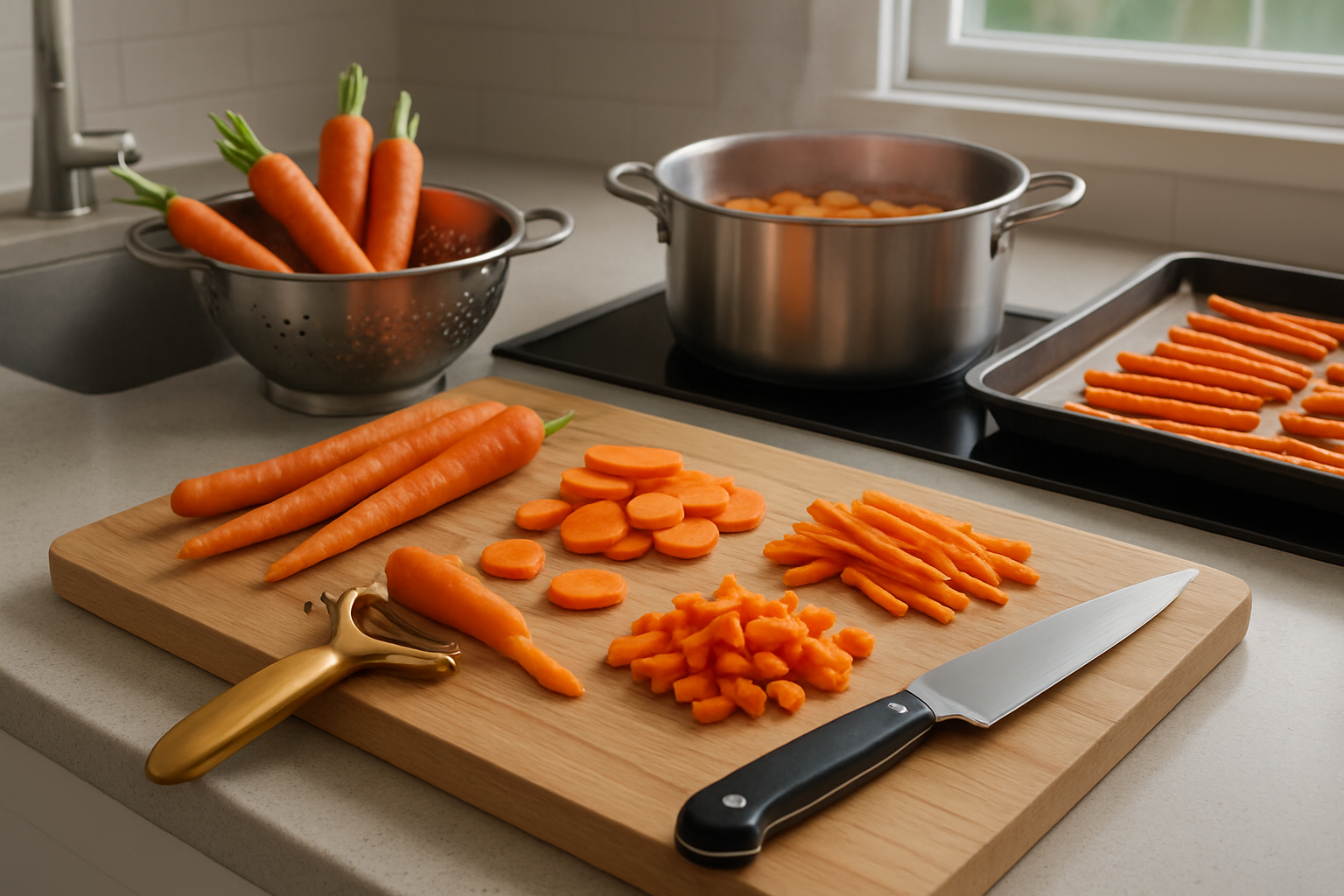
Eating fresh, raw carrots delivers maximum nutritional value since heat can break down some vitamins. Raw carrots provide a satisfying crunch and natural sweetness that makes them perfect for snacking. Their high fiber content helps you feel full while supporting digestive health.
Baby carrots make convenient grab-and-go snacks, while larger carrots can be cut into sticks for dipping. Shredded raw carrots add texture and vibrant color to salads, slaws, and wraps. Try julienned carrots in Vietnamese spring rolls or thinly sliced rounds as edible garnishes.
Raw carrot juice offers concentrated nutrition, though eating whole carrots provides more fiber. Grated carrots work wonderfully in morning muesli, yogurt parfaits, or homemade energy balls mixed with nuts and dates.
Cooking Techniques That Preserve Nutrients
Steam carrots for 5-7 minutes to maintain their nutritional profile while making them tender. This method preserves water-soluble vitamins better than boiling. Light sautéing with a small amount of healthy oil actually increases the absorption of beta-carotene, the compound that gives carrots their orange color.
Roasting carrots at moderate temperatures (around 400°F) caramelizes their natural sugars while keeping nutrients intact. Cut carrots into uniform pieces to ensure even cooking. Avoid overcooking, which can destroy vitamin C and other heat-sensitive nutrients.
Blanching carrots briefly in boiling water followed by an ice bath stops the cooking process and preserves both color and nutrition. This technique works great for meal prep or when you want to partially cook carrots before adding them to stir-fries.
Popular Recipes Featuring Carrots as Main Ingredient
Carrot soup showcases these orange vegetables beautifully. Roast carrots with ginger and onions, then blend with vegetable broth for a creamy, warming soup. Fresh herbs like thyme or cilantro add extra flavor depth.
Classic carrot cake transforms this humble root vegetable into dessert. Grated carrots add moisture and subtle sweetness to the batter. Top with cream cheese frosting for a traditional finish.
Glazed carrots make an elegant side dish. Cook carrot sticks in butter with honey or maple syrup until tender and glossy. Fresh herbs like parsley or dill provide a nice contrast.
Moroccan-style carrots offer exotic flavors. Slice carrots and cook with cinnamon, cumin, and orange juice. This sweet-savory combination pairs wonderfully with roasted meats or grain bowls.
Growing and Storing Carrots Successfully
Optimal soil conditions and planting requirements
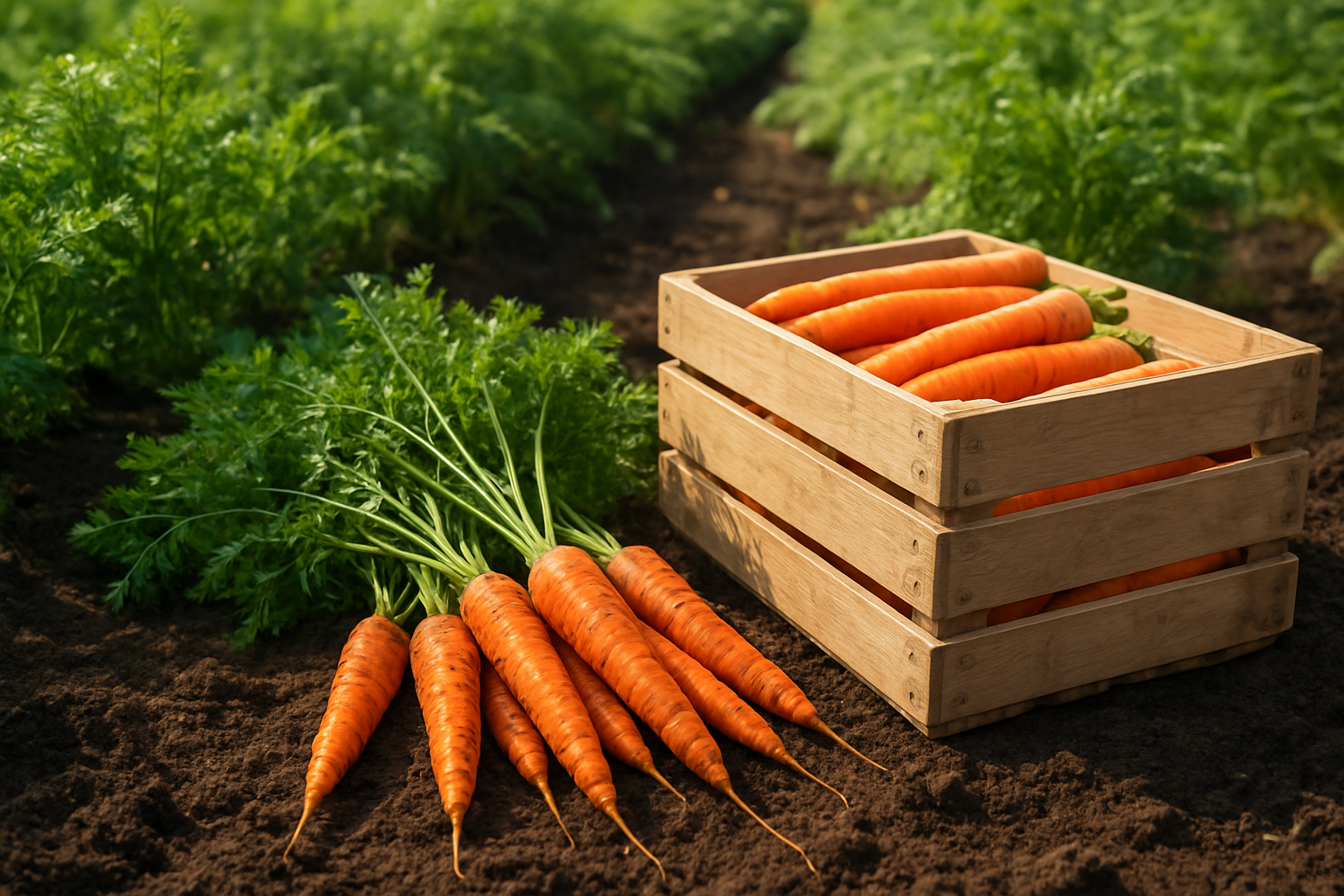
Growing carrots successfully starts with preparing the right environment for these root vegetables to thrive. Carrots need loose, well-draining soil that's free of rocks, clumps, and debris that could cause them to fork or develop odd shapes. Sandy loam soil works best, allowing the roots to grow straight and deep without obstruction.
The ideal soil pH ranges between 6.0 and 6.8 - slightly acidic to neutral. Test your soil before planting and adjust with lime if it's too acidic or sulfur if it's too alkaline. Avoid heavy clay soils, as they can stunt carrot growth and lead to poorly formed roots.
Plant carrot seeds directly in the garden about 2-3 weeks before the last expected frost. The soil temperature should reach at least 45°F for germination, though 55-75°F produces the best results. Sow seeds about ¼ to ½ inch deep in rows spaced 12-18 inches apart. Since carrot seeds are tiny, mix them with sand for easier, more even distribution.
Keep the soil consistently moist during germination, which typically takes 10-17 days. Once seedlings emerge, thin them to about 1-2 inches apart to prevent overcrowding. Carrots prefer full sun but can tolerate partial shade, especially in hot climates where some afternoon shade protects them from excessive heat.
Harvesting techniques for maximum quality
Timing your carrot harvest correctly makes the difference between tender, sweet carrots and tough, bitter ones. Most carrot varieties mature in 70-80 days from planting, though baby carrots can be harvested earlier at 50-60 days.
Check maturity by gently brushing away soil from the top of the carrot to inspect its diameter. Mature carrots typically measure ¾ to 1 inch across at the shoulder. The best indicator is color - fully developed carrots display vibrant orange hues (or their characteristic color for specialty varieties).
For peak flavor, harvest carrots in cool weather. Light frost actually improves their sweetness by converting starches to sugars. Avoid harvesting during hot periods when carrots can become woody and bitter.
To harvest, water the soil thoroughly the day before to soften it. Loosen soil around each carrot with a garden fork, working carefully to avoid breaking the roots. Grasp the carrot near the crown and pull straight up with a gentle twisting motion. For longer varieties, you might need to dig alongside the carrot to prevent breakage.
Remove green tops immediately after harvesting, cutting them about ½ inch above the crown. Leaving tops attached draws moisture from the root, causing carrots to become limp and lose flavor quickly.
Storage methods to extend freshness
Proper carrot storage can keep your harvest fresh for months, allowing you to enjoy homegrown carrots well into winter. The key is controlling temperature, humidity, and air circulation to slow down deterioration.
For short-term storage (2-4 weeks), brush off excess soil but don't wash the carrots. Store them in perforated plastic bags in the refrigerator's crisper drawer at 32-35°F with high humidity (90-95%). The bags prevent moisture loss while allowing some air circulation.
Long-term storage requires different approaches. Root cellars or cold storage areas work perfectly - maintain temperatures just above freezing with high humidity. Layer carrots in slightly damp sand, peat moss, or sawdust in wooden crates or bins. Keep different varieties separate, as they have varying storage lives.
For those without root cellars, try the "in-ground" storage method. In mild winter areas, leave carrots in the garden and harvest as needed. Cover rows with thick mulch to prevent ground freezing and make harvesting easier.
| Storage Method | Duration | Temperature | Humidity | Notes |
|---|---|---|---|---|
| Refrigerator | 2-4 weeks | 32-35°F | 90-95% | Use perforated bags |
| Root cellar | 4-6 months | 32-40°F | 90-95% | Layer in damp sand |
| In-ground | 2-3 months | Variable | Natural | Mulch heavily |
| Freezer | 8-12 months | 0°F | N/A | Blanch first |
Never store carrots with apples or other ethylene-producing fruits, as this gas causes carrots to develop bitter flavors and deteriorate faster.
Carrots are much more than just a crunchy orange snack. These root vegetables pack serious nutritional punch while offering incredible versatility in the kitchen. From baby carrots perfect for snacking to purple heirlooms that add color to any dish, there's a carrot variety to match every taste and cooking style. The fact that they're loaded with beta-carotene, fiber, and essential vitamins makes them a smart choice for anyone wanting to eat healthier.
Whether you're growing your own carrots in the backyard or picking them up from the grocery store, knowing how to store them properly keeps them fresh and crisp for weeks. Start adding more carrots to your meals - toss them in stir-fries, roast them with herbs, or simply enjoy them raw with your favorite dip. Your body will thank you for choosing this nutritious, affordable vegetable that's available year-round and easy to prepare in countless delicious ways.


.png)
Comments
Post a Comment