Okra - What's The Okra Fruit?
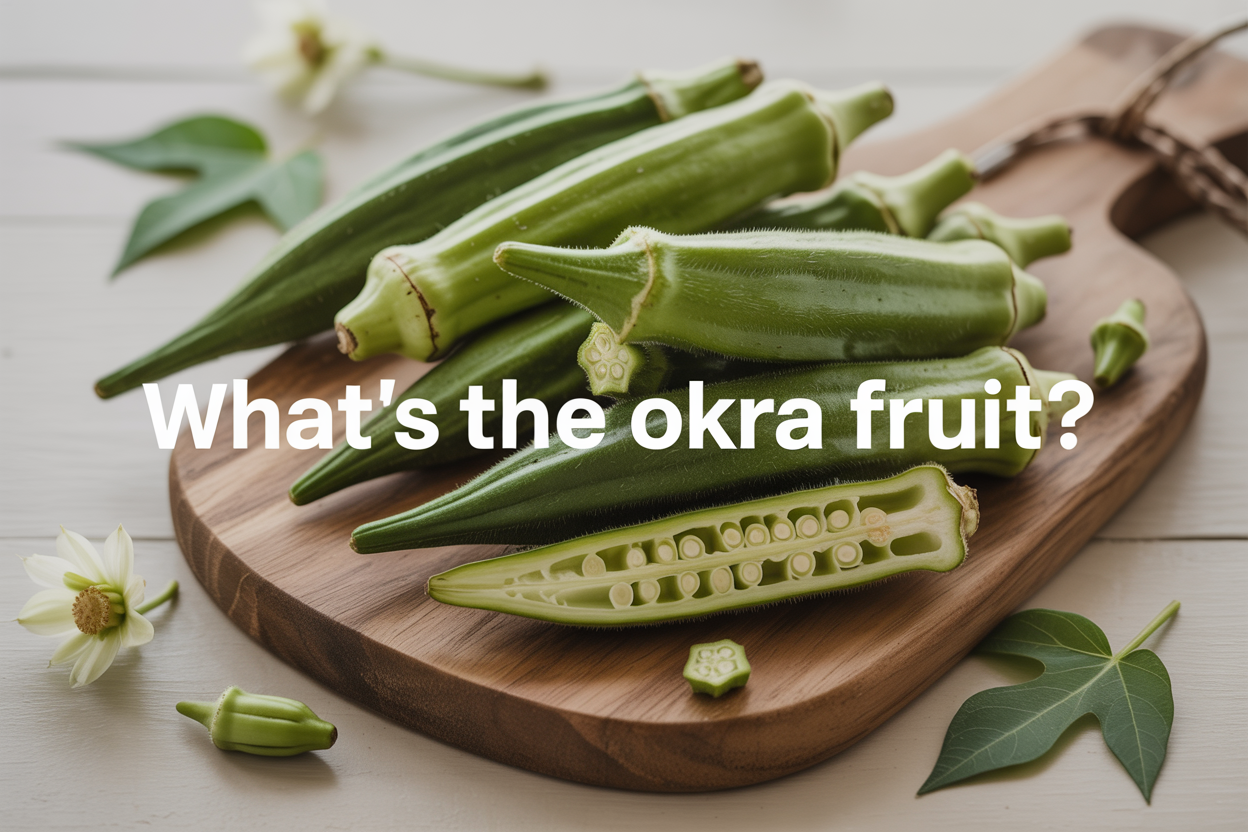
Many people wonder about the okra fruit and whether this green pod should actually be called a vegetable. This guide is perfect for home cooks, gardeners, and anyone curious about what is okra and why it's sometimes called lady fingers vegetable.
You'll discover the surprising truth about okra's botanical classification - spoiler alert: it's technically a fruit, not an okra vegetable like most people think. We'll also explore okra's fascinating origin history, from its African roots to becoming a beloved ingredient worldwide. Finally, you'll learn practical okra preparation methods and how to cook okra to make the most of its impressive okra nutrition facts and okra benefits.
Get ready to see this humble green pod in a whole new light.
Understanding Okra's True Botanical Identity
Discover Why Okra Is Actually a Vegetable Despite Common Confusion
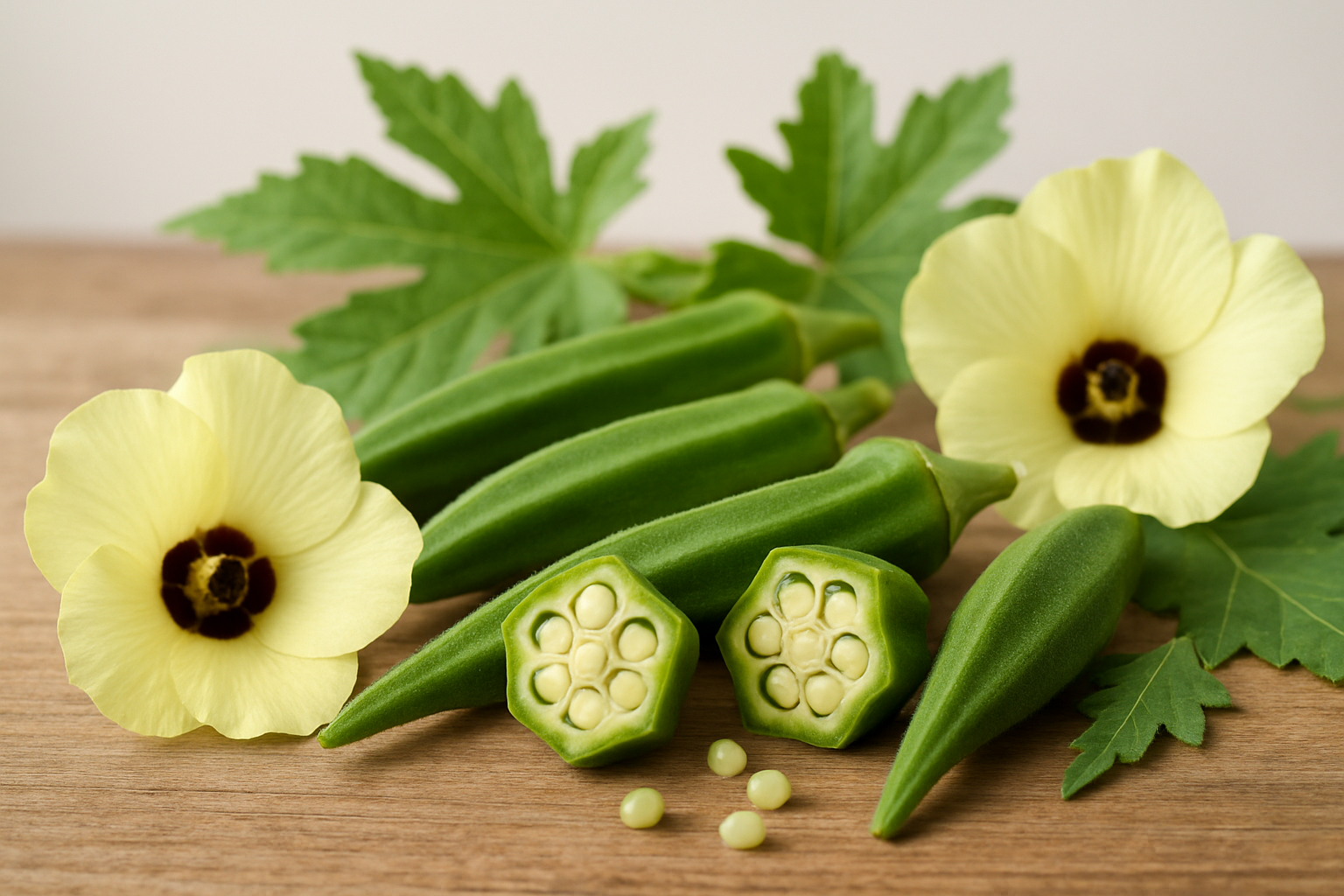
When you pick up okra at the grocery store, you might wonder if you're holding a fruit or a vegetable. The confusion makes perfect sense - okra pods contain seeds and develop from the flower's ovary, which technically makes them fruits from a botanical standpoint. However, in the culinary world and for practical cooking purposes, okra vegetable classification rules supreme.
The mix-up happens because we often think of fruits as sweet treats like apples and berries, while vegetables are the savory ingredients in our salads and stir-fries. Okra falls squarely in the vegetable camp when it comes to how we actually use it in the kitchen. You won't find anyone adding okra to a fruit salad or smoothie anytime soon!
This botanical versus culinary classification debate isn't unique to okra. Tomatoes, cucumbers, and peppers all share this same identity crisis. The key thing to remember is that what is okra depends entirely on the context - scientifically it's a fruit, but culinarily it's definitely a vegetable.
Learn the Scientific Classification That Defines Okra
Okra botanical classification places this versatile plant in the Malvaceae family, which also includes cotton, hibiscus, and cacao plants. The scientific name Abelmoschus esculentus tells us a lot about this fascinating plant. "Abelmoschus" comes from Arabic words meaning "father of musk," referring to the plant's subtle fragrance, while "esculentus" simply means "edible."
Here's okra's complete taxonomic breakdown:
-
Kingdom: Plantae
-
Family: Malvaceae
-
Genus: Abelmoschus
-
Species: A. esculentus
-
Common names: Lady fingers vegetable, gumbo, bhindi
The plant grows as an annual herb, reaching heights of 3-6 feet with large, lobed leaves and beautiful hibiscus-like flowers. These flowers bloom for just one day before developing into the elongated seed pods we know as okra. Each pod contains numerous small, round seeds arranged in vertical rows.
Explore the Difference Between Culinary and Botanical Definitions
The gap between botanical and culinary definitions creates interesting conversations in kitchens worldwide. Botanically speaking, any structure that develops from a flower and contains seeds qualifies as a fruit - making okra, tomatoes, eggplants, and peppers all fruits. But step into any kitchen, and these same items live firmly in the vegetable section of recipes and meal planning.
Culinary classification focuses on flavor profiles, cooking methods, and nutritional roles rather than reproductive biology. Vegetables typically offer savory, bitter, or earthy flavors and work well in main dishes, sides, and salads. Fruits generally provide sweetness and serve as desserts, snacks, or breakfast items.
| Classification Type | Okra Status | Reasoning |
|---|---|---|
| Botanical | Fruit | Contains seeds, develops from flower ovary |
| Culinary | Vegetable | Savory flavor, used in main dishes |
| Nutritional | Vegetable | Low sugar, high fiber, used like vegetables |
This distinction matters more than you might think. When nutritionists talk about eating more fruits and vegetables, they're using culinary definitions. The lady fingers vegetable counts toward your daily vegetable intake, not your fruit servings. Understanding this helps you make better dietary choices and appreciate why okra appears in the produce section's vegetable aisle rather than next to the apples and oranges.
Uncovering Okra's Rich Origins and Global Journey

Trace Okra's Ancient Roots in Africa and Asia
Okra fruit has deep historical roots stretching back thousands of years to ancient Africa and Asia. Archaeological evidence suggests that what we know today as the okra vegetable first emerged in the Ethiopian highlands and parts of West Africa around 4,000 years ago. Ancient Egyptian civilizations cultivated this remarkable plant along the Nile River valley, where tomb paintings from 1200 BCE depict workers harvesting the distinctive pod-shaped fruits.
The plant's journey through Asia began early in its history, with traders and travelers carrying seeds across the Red Sea into the Arabian Peninsula and eventually into India. By 1000 CE, okra had become deeply embedded in South Asian cuisine and agriculture, where it flourished in the warm, humid climates of the subcontinent.
Genetic studies of modern okra varieties reveal fascinating insights into its ancestral lineage. Wild relatives still grow throughout tropical Africa, showing remarkable diversity in pod size, color, and texture. These ancient varieties helped early civilizations develop sustainable food sources in regions with challenging growing conditions.
Follow How Okra Spread Across Continents Through Trade
The global spread of okra represents one of agriculture's most successful cross-continental migrations. Arab merchants played a crucial role in distributing seeds throughout the Mediterranean basin during the medieval period, establishing cultivation centers in Spain, Greece, and Turkey by the 12th century.
The transatlantic slave trade tragically but significantly contributed to okra's arrival in the Americas. Enslaved Africans brought seeds hidden in their hair and clothing, maintaining connections to their homeland through familiar foods. By the 1700s, okra had established itself throughout the Caribbean islands and the southeastern United States, where it became integral to regional cooking traditions.
European colonial expansion further accelerated the plant's global distribution. Portuguese and Spanish explorers introduced okra to their colonies in South America, while Dutch and British traders carried varieties to Southeast Asia and the Pacific islands. French colonists brought the okra vegetable to Louisiana, where it became essential to Creole and Cajun cuisines.
Ocean trade routes created fascinating exchanges of okra varieties between distant continents. Seeds from West African varieties mixed with Asian cultivars in port cities, creating new hybrid strains that adapted to local growing conditions. This genetic mixing produced the diverse range of okra types we see today across different regions.
Understand Okra's Cultural Significance in Different Regions
Okra holds profound cultural meaning that extends far beyond its role as food. In many West African societies, the plant symbolizes resilience and adaptability, qualities that helped communities survive during difficult times. Traditional ceremonies often incorporate okra dishes to honor ancestors and celebrate community bonds.
Southern United States culture embraced okra as a cornerstone ingredient, particularly in Gumbo, where its natural thickening properties create the dish's characteristic texture. The word "gumbo" itself derives from "ki ngombo," the West African term for okra, highlighting the deep cultural connections between African traditions and American cuisine.
Indian culture celebrates okra (known locally as "bhindi") in countless regional preparations, from North Indian curries to South Indian stir-fries. Hindu festivals often feature special okra dishes, and the vegetable appears in traditional Ayurvedic medicine practices for its beneficial properties.
Middle Eastern and Mediterranean cultures developed their own unique relationships with okra. Turkish cuisine features elaborate okra stews, while Greek cooking traditions include the vegetable in summer casseroles. These regional adaptations show how different cultures shaped okra preparation methods to match local tastes and available ingredients.
Caribbean cultures created vibrant fusion cuisines that blend African okra traditions with indigenous and European influences. Islands like Jamaica, Trinidad, and Barbados each developed distinct okra preparations that reflect their unique cultural histories and available seasonings.
Learn About Traditional Names and Varieties Worldwide
The global journey of okra created a rich tapestry of names that reflect local languages and cultural perspectives. The common English name "lady fingers vegetable" refers to the pod's slender, elongated shape, while "okra" itself comes from the West African "okwuru."
| Region | Traditional Name | Local Variety Characteristics |
|---|---|---|
| India | Bhindi, Vendakkai | Small, tender pods with minimal mucilage |
| Middle East | Bamia, Bamya | Larger pods, often dried for preservation |
| Caribbean | Lady Fingers, Ochro | Medium-sized with robust flavor |
| West Africa | Ki ngombo, Okwuru | Original varieties with high mucilage content |
| Mediterranean | Bamies, Quiabo | Adapted for cooler growing seasons |
Traditional varieties show remarkable diversity in pod characteristics. African heirloom types often produce pods reaching 8-10 inches in length, while Asian varieties tend toward smaller, more tender fruits. Some Mediterranean cultivars develop purple-tinged pods, and certain Caribbean varieties produce white or pale green fruits instead of the typical dark green color.
Ancient seed-saving practices preserved unique regional varieties for centuries. Farmers selected plants based on local preferences: some communities preferred okra with minimal sliminess, while others valued high mucilage content for thickening soups and stews. These traditional breeding methods created the incredible diversity of okra varieties available today.
Regional naming conventions often reflect the vegetable's perceived characteristics or cultural importance. French-speaking areas use "gombo," Spanish-speaking regions say "quimbombo," and Portuguese-speaking countries call it "quiabo." Each name carries centuries of cultural history and culinary tradition, showing how deeply okra has integrated into local food cultures worldwide.
Recognizing Okra's Distinctive Physical Characteristics
Identify Okra's Unique Pod Shape and Texture
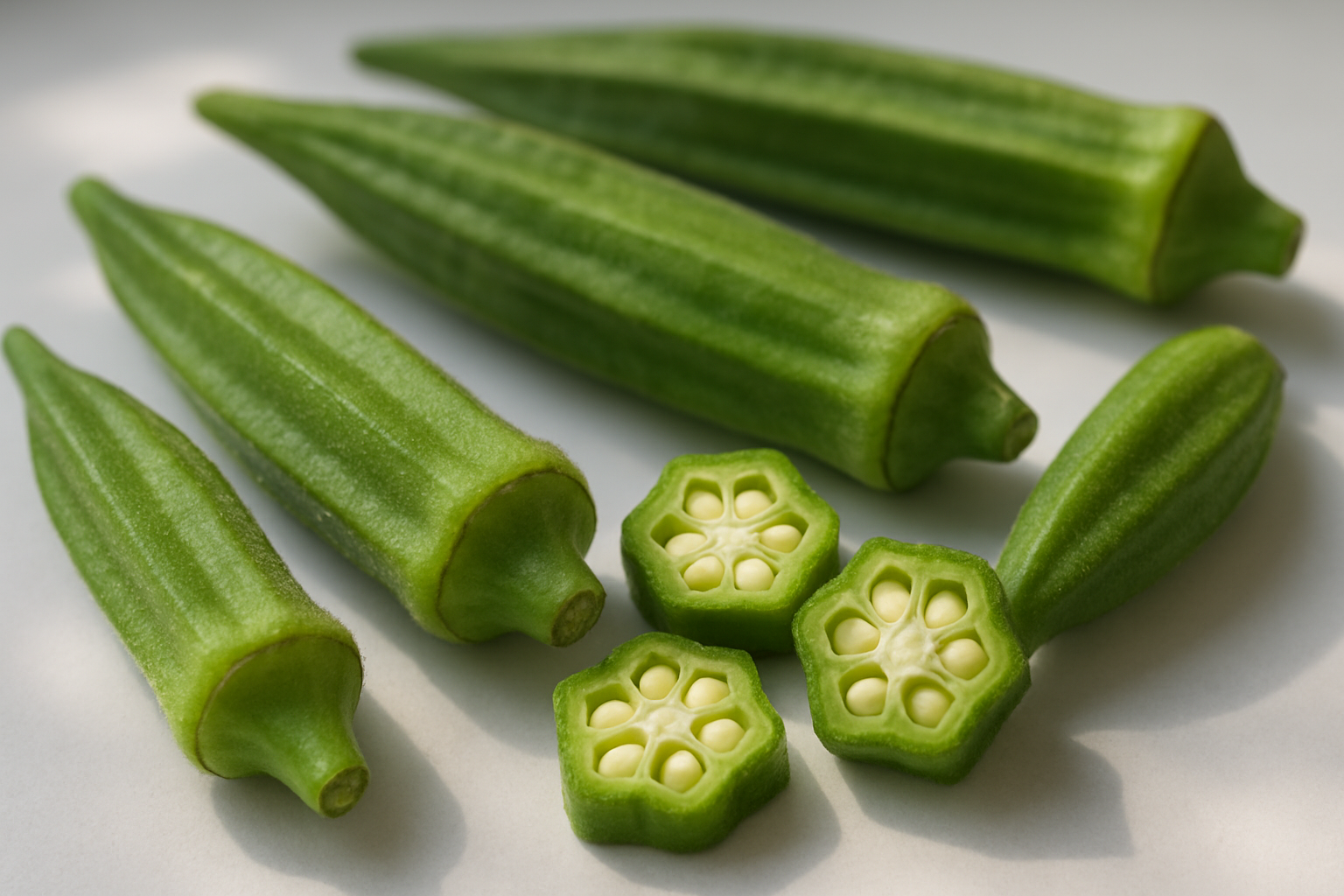
Okra pods are instantly recognizable thanks to their elongated, torpedo-shaped form that tapers to a pointed tip. These green capsules typically measure 3 to 6 inches in length, though some varieties can grow even longer when left to mature. The okra fruit displays a distinctive ribbed exterior with 5 to 10 pronounced ridges running lengthwise along the pod's surface, creating a star-like pattern when sliced crosswise.
The texture of fresh okra pods feels firm yet slightly fuzzy to the touch, covered in tiny, soft hairs that give them their characteristic tactile quality. Young, tender pods yield slightly when gently squeezed, while older pods become increasingly fibrous and tough. The optimal harvesting time occurs when pods reach 2 to 4 inches in length, ensuring the best eating experience.
Inside each pod, small, round seeds are arranged in neat rows within separate chambers. These edible seeds have a mild, nutty flavor and contribute to okra's overall nutritional profile. The pod's interior walls contain the mucilaginous substance that gives okra its unique cooking properties.
Understand the Role of Mucilage in Okra's Properties
Mucilage represents okra's most distinctive characteristic – a clear, gel-like substance that's released when the pods are cut or cooked. This natural polysaccharide serves multiple purposes both for the plant and in culinary applications. The mucilage acts as a natural thickening agent, making okra vegetable particularly valuable in soups, stews, and gumbo.
When exposed to heat and moisture, the mucilage creates a slightly viscous consistency that many people either love or find off-putting. This slippery texture develops more prominently when okra is cooked slowly or in liquid-based dishes. The amount of mucilage varies depending on the pod's age, with younger pods containing higher concentrations.
The mucilage content also affects preparation methods. Quick cooking techniques like high-heat sautéing or grilling can minimize the release of this substance, while slow-cooking methods maximize it. Understanding this property helps cooks choose appropriate preparation methods based on their desired outcome.
Distinguish Between Different Okra Varieties and Colors
Lady fingers vegetable comes in several distinct varieties, each offering unique visual and culinary characteristics. The most common variety features the classic bright green color, but okra actually appears in a surprising range of hues including deep red, burgundy, and even pale yellow or white varieties.
Red okra varieties like 'Red Burgundy' display striking crimson pods that add visual appeal to gardens and plates alike. These varieties maintain their color when raw but often turn green during cooking due to heat-sensitive pigments. White okra varieties such as 'White Velvet' produce pale, cream-colored pods that offer a milder flavor profile.
| Variety Type | Color | Size | Flavor Profile |
|---|---|---|---|
| Standard Green | Bright green | 3-6 inches | Classic okra taste |
| Red/Burgundy | Deep red to burgundy | 4-7 inches | Slightly milder |
| White/Pale | Cream to pale yellow | 3-5 inches | Mild, less mucilaginous |
| Dwarf varieties | Various colors | 2-4 inches | Concentrated flavor |
Pod shapes also vary between cultivars, with some varieties producing straighter pods while others display more curved or twisted forms. Dwarf varieties tend to produce smaller, more tender pods that require less cooking time and often contain less mucilage than their full-sized counterparts.
Maximizing Okra's Impressive Nutritional Benefits
Boost Your Fiber Intake for Better Digestive Health
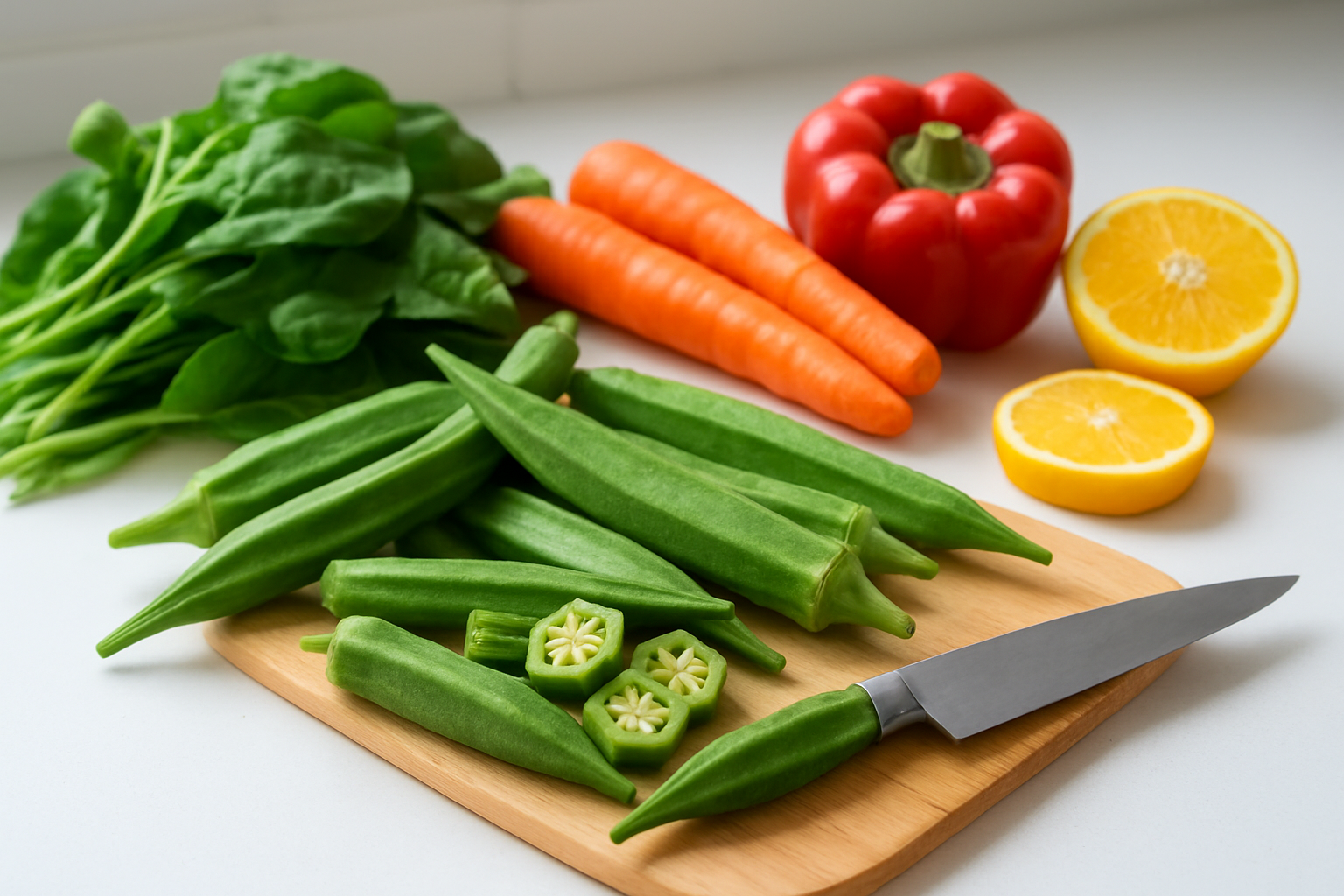
Okra fruit stands out as a digestive health champion, delivering an impressive 3.2 grams of fiber per cup. This soluble and insoluble fiber combination works wonders for your gut. The mucilage in okra vegetable acts like a gentle lubricant for your intestines, making everything move smoothly through your system.
The pectin fiber specifically helps feed beneficial gut bacteria, creating a healthier microbiome. People who regularly eat lady fingers vegetable often report less bloating and more regular bowel movements. The fiber also helps you feel fuller longer, naturally supporting weight management goals without leaving you hungry.
Support Heart Health with Okra's Potassium and Folate
Your heart gets serious support from okra's potassium content - about 299mg per cup. This mineral helps regulate blood pressure by counteracting sodium's effects. The folate content (60mcg per cup) works alongside potassium to reduce homocysteine levels, a compound linked to heart disease risk.
Okra nutrition facts show that this combination of nutrients helps maintain healthy blood vessels and supports proper heart rhythm. Regular consumption may contribute to lower cholesterol levels, particularly the LDL (bad) cholesterol that can clog arteries.
Strengthen Your Immune System with Vitamin C Content
One cup of okra fruit provides about 23mg of vitamin C - roughly 25% of your daily needs. This antioxidant powerhouse helps your body produce white blood cells and supports collagen formation for healthy skin and wound healing.
The vitamin C works synergistically with okra's other antioxidants, including beta-carotene and quercetin, creating a robust defense system against free radicals. These compounds help reduce inflammation throughout your body and may lower your risk of chronic diseases.
Regulate Blood Sugar Levels Naturally
Okra's unique fiber composition helps slow glucose absorption, preventing blood sugar spikes after meals. The seeds contain compounds that may improve insulin sensitivity, making this vegetable particularly valuable for people managing diabetes or prediabetes.
Studies suggest that okra benefits include helping maintain steady blood sugar levels throughout the day. The mucilage forms a gel-like substance in your digestive tract, which naturally slows down sugar absorption and helps keep energy levels stable.
Mastering Okra Preparation and Cooking Techniques
Reduce Sliminess with Proper Cutting and Cooking Methods
The biggest hurdle for many people when cooking okra is dealing with its natural sliminess. This mucilaginous texture comes from the gel-like substance inside the okra pods, but you can control it with the right techniques.
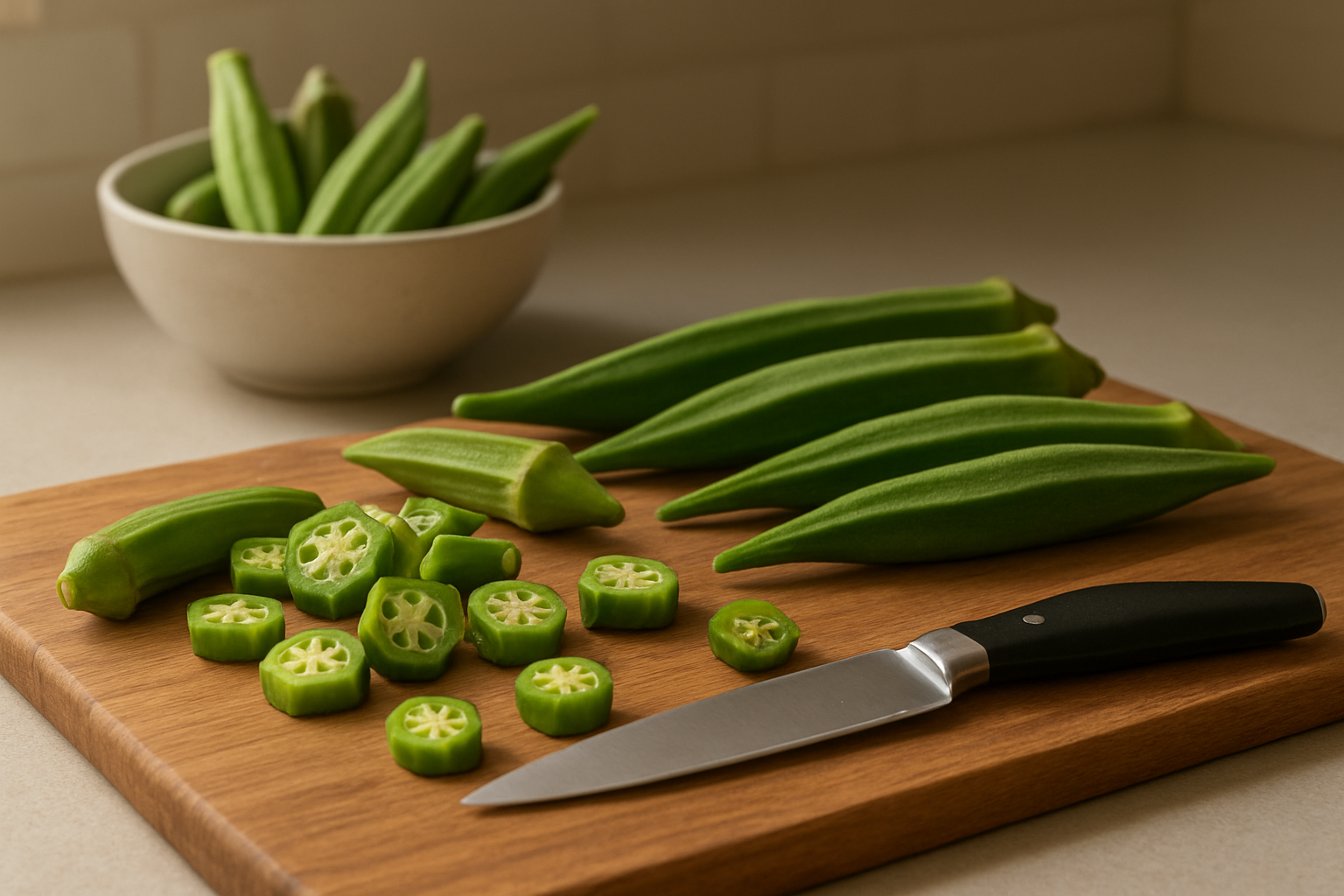
Start by keeping your okra dry before cutting. Wash and thoroughly dry each pod, then trim just the stem end without cutting into the seed cavity. When you slice okra, cut it into larger pieces rather than thin rounds – bigger chunks release less slime. For dishes where you want minimal slime, cut okra lengthwise into strips or keep pods whole.
Cooking methods play a huge role in texture control. High heat is your friend when preparing okra. Quick sautéing over medium-high heat for 5-7 minutes helps evaporate moisture before slime develops. Adding acidic ingredients like lemon juice, vinegar, or tomatoes during cooking breaks down the mucilage and creates a more pleasant texture.
Another effective approach involves pre-cooking techniques. Lightly salt cut okra and let it sit for 30 minutes, then rinse and pat dry before cooking. This draws out excess moisture. You can also blanch whole pods in boiling water for 3-4 minutes, then immediately transfer to ice water to stop the cooking process.
Enhance Flavors Through Roasting, Grilling, and Frying
High-heat cooking methods transform okra into something spectacular. These techniques concentrate flavors while creating appealing textures that even okra skeptics will enjoy.
Roasting brings out okra's natural sweetness and creates crispy edges. Preheat your oven to 425°F and toss whole okra pods or thick slices with olive oil, salt, and your favorite spices. Spread them on a baking sheet without overcrowding and roast for 15-20 minutes until tender with golden-brown edges. The high heat evaporates moisture quickly, preventing sliminess while developing complex flavors.
Grilling adds smoky depth that pairs beautifully with okra's mild taste. Thread whole pods onto skewers or place them directly on grill grates. Cook over medium-high heat for 8-10 minutes, turning occasionally until charred and tender. Brush with garlic butter or sprinkle with za'atar for extra flavor.
Frying creates the ultimate crispy okra experience. Slice pods into rounds, dredge in seasoned cornmeal or flour, and fry in hot oil (350°F) for 3-4 minutes until golden. The coating protects against slime while creating an irresistible crunch. Southern-style fried okra often includes buttermilk for extra tang and tenderness.
For a healthier twist, try air frying. Toss sliced okra with a light coating of oil and seasonings, then air fry at 400°F for 10-12 minutes, shaking the basket halfway through.
Incorporate Okra into Soups, Stews, and Curries
Okra's natural thickening properties make it perfect for hearty soups and stews. In these dishes, the mucilage becomes an asset rather than a drawback, creating rich, satisfying textures without additional thickeners.
Gumbo showcases okra's thickening power beautifully. Add sliced okra during the last 15-20 minutes of cooking to allow it to release its natural thickeners while maintaining some texture. The key is balancing okra with other ingredients like roux or filé powder for optimal consistency.
Indian curries benefit from okra's ability to absorb and complement bold spices. Bhindi masala features okra cooked with onions, tomatoes, and aromatic spices like cumin, coriander, and turmeric. Cut okra into 1-inch pieces and sauté until lightly browned before adding to curry bases. This pre-cooking step reduces slime while building flavor layers.
Middle Eastern stews often combine okra with lamb or beef, tomatoes, and warming spices. The long, slow cooking process allows flavors to meld while okra adds body to the sauce. Ethiopian cuisine features okra in vegetable stews with berbere spice blends.
For lighter soups, add okra near the end of cooking time to preserve texture. Mediterranean-style vegetable soups benefit from okra's mild flavor and natural thickening properties.
Store Fresh Okra to Maintain Quality and Freshness
Proper storage keeps okra at peak quality and extends its shelf life significantly. Fresh okra is highly perishable, so handling it correctly from purchase to plate makes a real difference.
Choose okra pods that are bright green, firm, and snap easily when bent. Avoid pods that feel soft, have dark spots, or appear dried out. Smaller pods (2-4 inches) tend to be more tender than larger ones, which can become tough and fibrous.
Store unwashed okra in the refrigerator's crisper drawer in a paper bag or perforated plastic bag. The paper absorbs excess moisture while allowing air circulation. Never store okra in sealed plastic bags, as trapped moisture accelerates spoilage. Properly stored fresh okra stays good for 3-4 days.
Don't wash okra until you're ready to use it. Excess moisture promotes rapid deterioration and increases sliminess during cooking. If you must wash ahead of time, dry pods thoroughly with paper towels before refrigerating.
For longer storage, blanch okra pods for 3 minutes, cool in ice water, then freeze in airtight containers for up to 12 months. Frozen okra works well in cooked dishes but loses crispness, making it less suitable for frying or raw applications.
Keep okra away from ethylene-producing fruits like apples and bananas, which can cause premature ripening and spoilage.
Okra might surprise you with its true identity as a fruit, not a vegetable like most people think. This green pod packs serious nutritional punch with fiber, vitamins, and antioxidants that support your digestive health and immune system. From its African roots to kitchens worldwide, okra has earned its place in countless dishes across different cultures.
The key to enjoying okra lies in understanding how to work with its unique texture. Whether you're roasting it to reduce sliminess, adding it to stews for natural thickening, or simply sautéing with your favorite spices, this versatile fruit deserves a spot in your regular meal rotation. Next time you see okra at the store, grab some and experiment – your taste buds and your body will thank you for giving this underrated superfood a chance.


.png)
Comments
Post a Comment