Radish- What are Radishes?
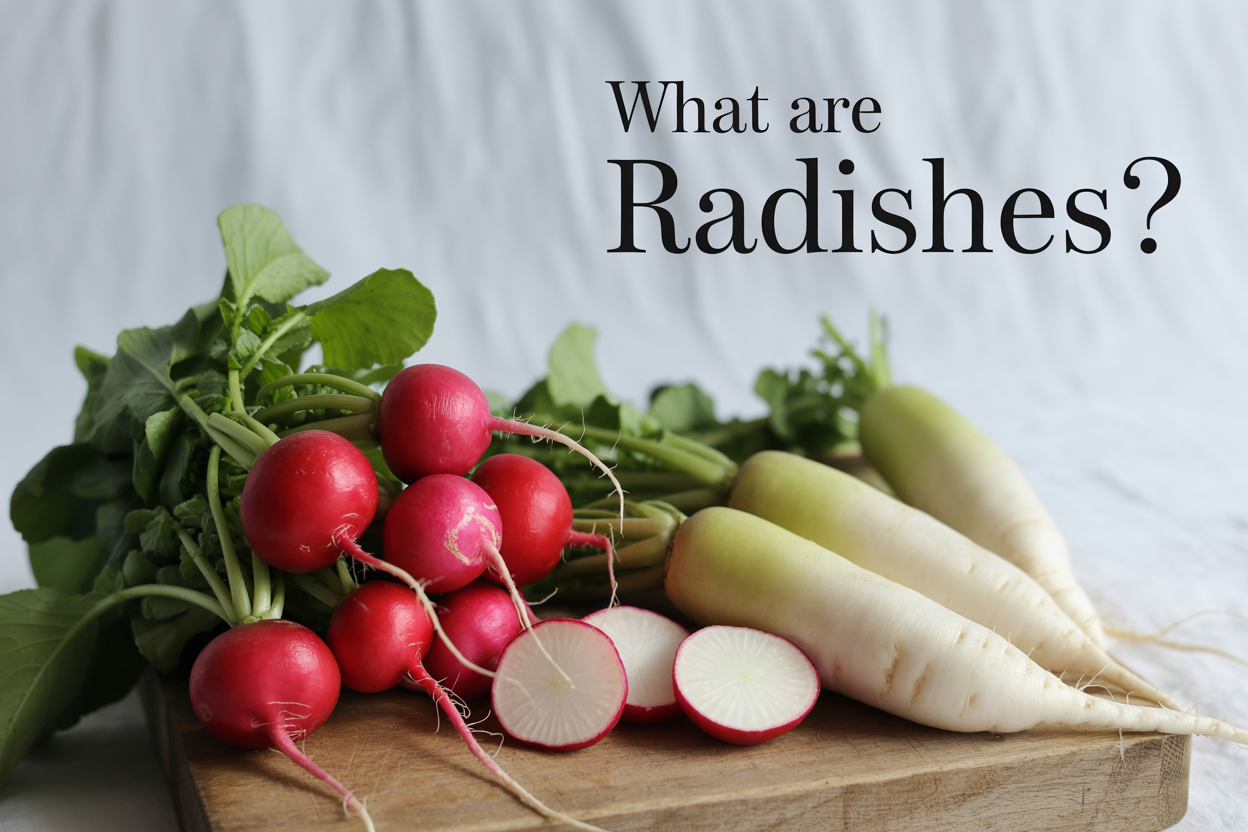
What are Radishes? Your Complete Guide to These Crispy Root Vegetables
Radishes are small, fast-growing root vegetables that pack a surprising punch of flavor and nutrition into their compact size. These crisp vegetables belong to the same family as broccoli and cabbage, offering a sharp, peppery taste that can range from mild to fiery hot depending on the variety.
This guide is perfect for home gardeners curious about adding new crops to their plots, health-conscious eaters wanting to boost their vegetable intake, and anyone who's ever wondered about those colorful round vegetables at the grocery store.
We'll explore the impressive radish nutrition profile and health benefits that make these little roots nutritional powerhouses. You'll also discover popular radish varieties that can transform both your garden and your dinner plate, plus learn practical tips for growing radishes successfully whether you have a sprawling backyard or just a small container garden.
Understanding Radishes: The Crisp Root Vegetable Essential
Botanical Classification and Plant Family Origins
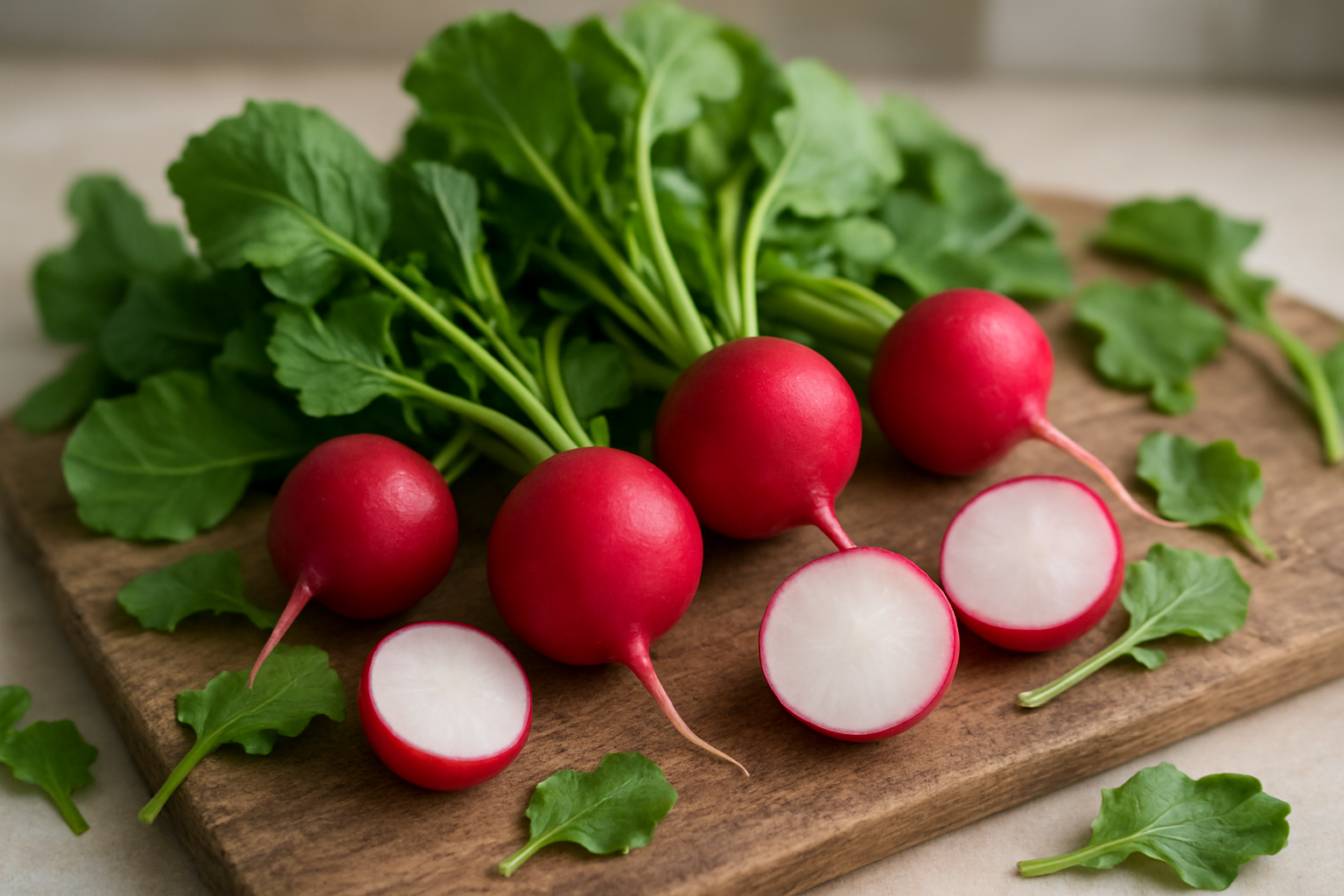
Radishes belong to the Brassicaceae family, also known as the cruciferous or mustard family. This puts them in excellent company alongside cabbage, broccoli, kale, and mustard greens. The scientific name Raphanus sativus literally translates to "quickly appearing radish," which perfectly captures their speedy growth habit.
These root vegetables trace their origins back to Southeast Asia, with archaeological evidence suggesting cultivation began over 4,000 years ago. Ancient Egyptians valued radishes so highly that workers building the pyramids received them as payment alongside onions and garlic. The plant spread throughout the Mediterranean and eventually reached Europe, where different varieties developed based on local growing conditions and preferences.
What makes radishes particularly interesting from a botanical perspective is their classification as both a root and leaf vegetable. While most people focus on the swollen taproot we typically eat, the entire plant is edible. The leaves, stems, and even seed pods offer unique flavors and nutritional benefits.
Physical Characteristics That Make Radishes Unique
The defining feature of radishes is their crisp, peppery bite that comes from natural compounds called glucosinolates. These sulfur-containing chemicals give radishes their characteristic sharp flavor and also contribute to their health benefits. The intensity varies dramatically between varieties, from mild and sweet to intensely spicy.
Radish shapes range from perfectly round cherry-sized globes to long, tapered varieties that can stretch over a foot in length. Colors span an impressive spectrum:
-
Classic red and white combinations (the familiar grocery store type)
-
Pure white varieties like daikon
-
Deep purple and black radishes
-
Vibrant pink and rose-colored types
-
Green-skinned varieties with white or pink flesh
The texture also varies significantly. Some radishes maintain their crunch even when cooked, while others become tender and mild. The skin can be thin and delicate or thick and protective, depending on the variety and growing conditions.
Radish leaves typically form a rosette pattern above ground, with deeply lobed or serrated edges. These greens often have a slightly fuzzy texture and carry some of the same peppery notes as the roots, though usually milder.
Growing Cycle From Seed to Harvest
Radishes earn their reputation as one of the fastest-growing vegetables, with some varieties ready to harvest in just 20-30 days from planting. This rapid growth cycle makes them perfect for beginning gardeners and impatient kids who want quick results.
The growing process follows a predictable pattern:
Germination (2-7 days): Seeds sprout quickly in cool, moist soil. Temperature plays a huge role here - radishes prefer soil temperatures between 45-65°F for optimal germination.
Leaf development (7-14 days): The first true leaves appear, and the plant begins establishing its root system. During this phase, consistent moisture is critical.
Root swelling (14-25 days): The taproot begins to thicken and develop its characteristic shape and color. This is when the magic happens - the plant redirects energy into creating the crisp, flavorful root we harvest.
Maturity (20-60 days): Depending on the variety, radishes reach full size. Spring varieties typically mature fastest, while winter storage types can take up to two months.
The key to successful radish cultivation lies in timing and temperature. These cool-season crops bolt quickly in hot weather, becoming woody and bitter. Smart gardeners plant successive crops every two weeks during spring and fall for continuous harvests. Growing radishes in containers works exceptionally well, making them accessible to urban gardeners with limited space.
Nutritional Powerhouse: Health Benefits You Need to Know
Essential Vitamins and Minerals for Daily Wellness
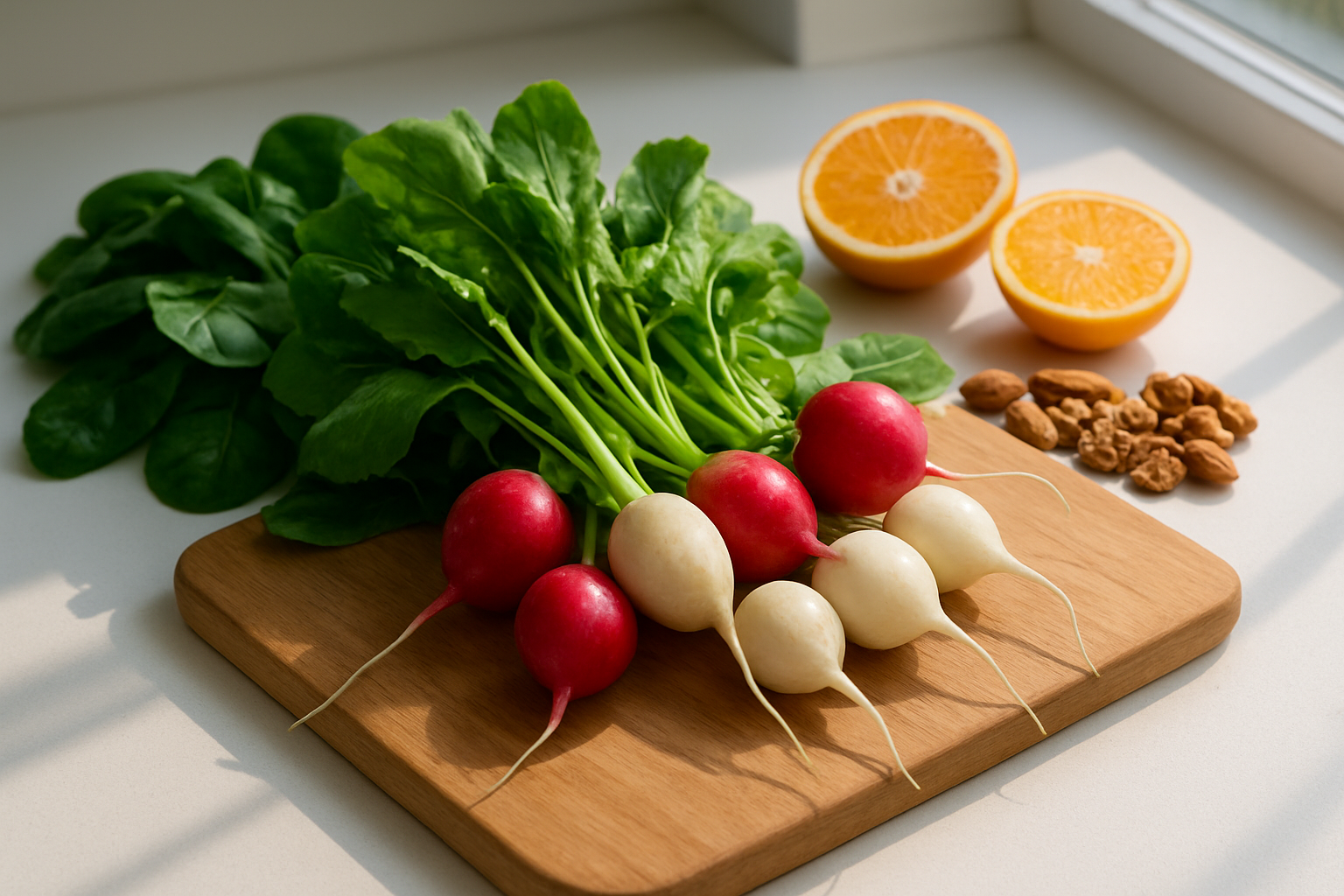
Radishes pack an impressive nutritional punch despite their small size. These root vegetables deliver a substantial dose of vitamin C, providing roughly 25% of your daily requirement in just one cup of sliced radishes. This vitamin plays a crucial role in collagen production, wound healing, and maintaining healthy skin.
The mineral content in radishes includes potassium, which supports heart health and helps regulate blood pressure. Folate, another key nutrient found in radishes, becomes especially important for pregnant women as it aids in proper cell division and DNA synthesis. You'll also find meaningful amounts of calcium and magnesium, both essential for bone health and muscle function.
| Nutrient | Amount per Cup | % Daily Value |
|---|---|---|
| Vitamin C | 17mg | 25% |
| Folate | 25mcg | 6% |
| Potassium | 270mg | 6% |
| Calcium | 25mg | 2% |
Low-Calorie Content Perfect for Weight Management
Weight-conscious individuals often overlook radishes, but these root vegetables deserve a spot in any healthy eating plan. A full cup of sliced radishes contains only 19 calories, making them one of the lowest-calorie vegetables available. This means you can enjoy generous portions without worrying about your daily calorie intake.
The high water content in radishes (about 95%) contributes to their low calorie density while helping you feel full and satisfied. This natural satiety factor makes radishes an excellent choice for snacking between meals or adding bulk to salads without significantly increasing calories.
Radish nutrition shines when you consider the volume-to-calorie ratio. You can add crunch, flavor, and nutrients to your meals while maintaining strict portion control for weight management goals.
Antioxidants That Boost Your Immune System
The vibrant colors in different radish varieties signal the presence of powerful antioxidants. These compounds fight free radicals in your body, reducing oxidative stress and supporting overall immune function. Red radishes contain anthocyanins, the same antioxidants found in berries and red wine.
Sulfur compounds called glucosinolates give radishes their characteristic sharp taste while providing anti-inflammatory benefits. These compounds have been studied for their potential cancer-fighting properties and their ability to support liver detoxification processes.
Vitamin C works alongside these antioxidants to strengthen your immune system's ability to ward off infections and illnesses. Regular consumption of radishes and other antioxidant-rich root vegetables can contribute to better overall health outcomes.
Digestive Health Support Through Natural Fiber
Radish health benefits extend significantly to digestive wellness through their fiber content. One cup of radishes provides about 2 grams of dietary fiber, which may seem modest but contributes meaningfully to your daily fiber goals when combined with other vegetables.
The fiber in radishes supports healthy gut bacteria growth, promoting a balanced microbiome. This prebiotic effect helps improve nutrient absorption and may reduce digestive discomfort. The natural enzymes present in fresh radishes can also aid in breaking down proteins and fats during digestion.
Raw radishes stimulate the production of digestive juices, which can help improve overall digestive efficiency. Many people find that including radishes in their meals helps reduce bloating and supports regular bowel movements, making these root vegetables a simple addition to digestive health protocols.
Popular Radish Varieties to Transform Your Garden and Plate
Red Globe Radishes for Quick Growing Success
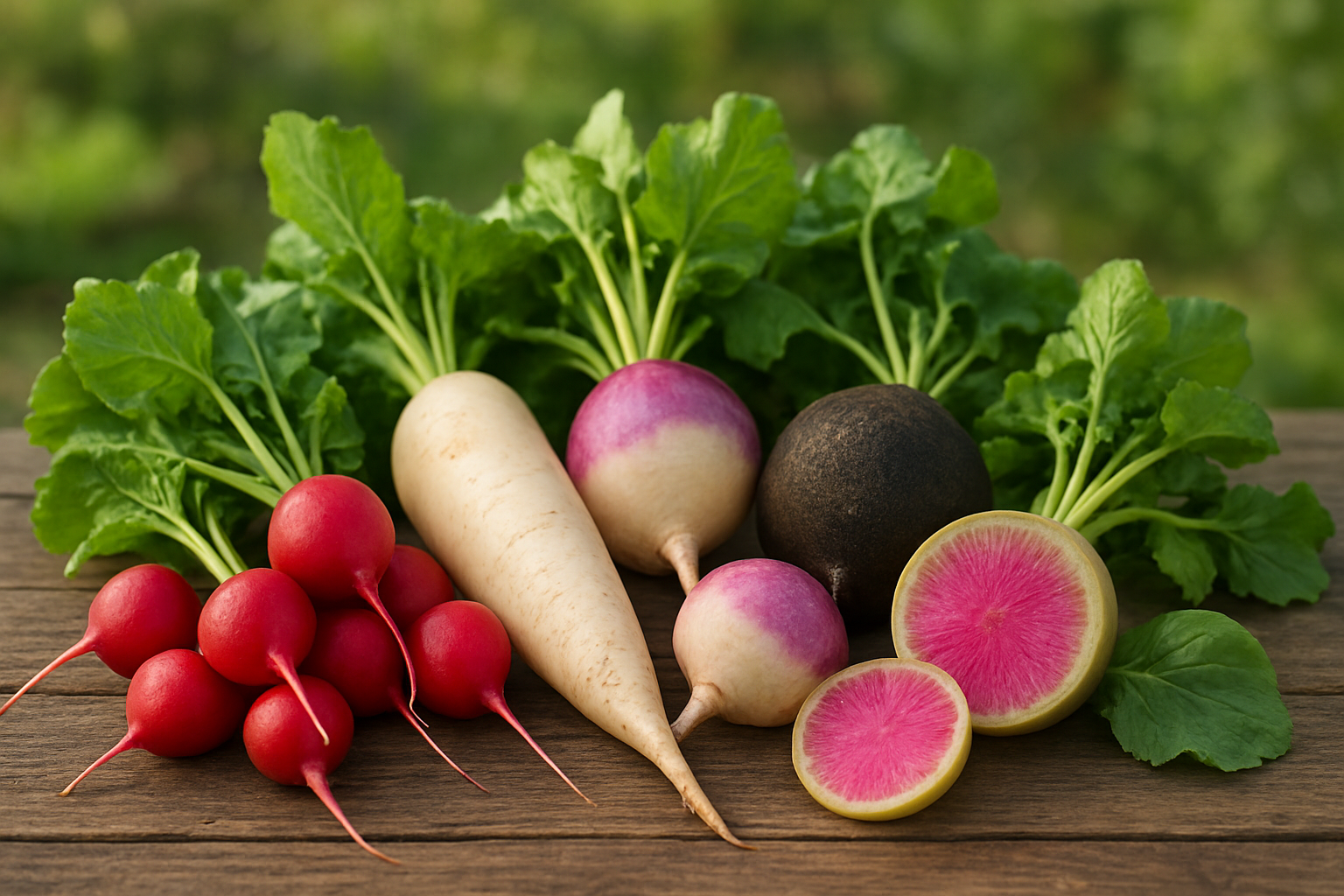
Red Globe radishes are the perfect choice for beginner gardeners and anyone wanting fast results. These classic round radishes mature in just 20-30 days, making them one of the quickest vegetables you can grow. Their bright red skin and crisp white flesh deliver that signature peppery bite that makes radishes so distinctive.
What makes Red Globe varieties special is their reliable performance across different growing conditions. They thrive in cool weather and can handle light frosts, making them ideal for spring and fall planting. The compact size means you can grow them in containers, raised beds, or traditional garden rows without taking up much space.
Popular Red Globe varieties include Cherry Belle, which produces perfectly round roots about an inch in diameter, and Crimson Giant, which grows larger while maintaining its mild flavor. These radish varieties are incredibly forgiving - even if you forget to harvest them at peak time, they remain edible longer than many other radishes.
Daikon Radishes for Asian-Inspired Cooking
Daikon radishes bring an entirely different dimension to your garden and kitchen. These long, white root vegetables can grow 12-20 inches in length and weigh several pounds when fully mature. Unlike their smaller cousins, daikons have a milder, less peppery flavor that becomes even sweeter when cooked.
Growing radishes like daikon requires deeper soil preparation since they need room to develop their impressive length. Plant them in loose, well-draining soil and give them 60-70 days to reach maturity. The wait is worth it - a single daikon can provide multiple meals and incredible versatility.
In the kitchen, daikons excel in stir-fries, soups, pickles, and fermented dishes. They're essential for authentic Korean kimchi and Japanese dishes like oden. You can eat them raw in salads, where they add crunch without overwhelming heat, or cook them until tender for a turnip-like texture.
Black Spanish Radishes for Winter Storage
Black Spanish radishes are the storage champions of the radish world. These large, round root vegetables with distinctive black skin can be stored for months in proper conditions, making them valuable for extending your harvest well into winter.
These radish varieties take 50-60 days to mature and develop a much more intense, almost horseradish-like flavor compared to spring radishes. The white flesh inside the dark exterior packs serious heat, making them perfect for those who love bold flavors. They're traditionally used in European cuisine, particularly in Germany and Eastern Europe.
Storage is simple - keep them in a cool, humid environment like a root cellar or refrigerator. Properly stored Black Spanish radishes maintain their crisp texture and potent flavor for 3-4 months. Their robust nature makes them excellent for winter soups, stews, and hearty dishes when fresh vegetables are scarce.
Watermelon Radishes for Visual Appeal
Watermelon radishes are showstoppers that transform ordinary salads into artistic presentations. Despite their name, these radishes taste like typical root vegetables - the "watermelon" refers to their stunning appearance. Cut open to reveal bright pink or magenta flesh surrounded by pale green skin, they create natural visual drama on any plate.
These radish varieties take about 60 days to mature and grow to tennis ball size. They're actually a type of Chinese daikon that develops its characteristic coloring as it matures. The flavor is milder than traditional red radishes with a subtle sweetness that pairs beautifully with their eye-catching appearance.
Use watermelon radishes raw to preserve their vibrant colors - cooking dulls the pink hues. They're perfect for garnishes, salads, and anywhere you want to add unexpected color. Slice them thin for the most dramatic effect, revealing the full beauty of their natural patterns.
French Breakfast Radishes for Gourmet Gardens
French Breakfast radishes bring European elegance to your garden with their distinctive oblong shape and two-toned coloring. These radish varieties feature bright red tops that fade to white at the bottom, creating an attractive gradient effect. They're slightly larger than Red Globe varieties but maintain a crisp texture and mild flavor.
What sets French Breakfast radishes apart is their perfect size for whole preparations. They're traditionally served with butter and sea salt as a simple appetizer - a classic French combination that highlights their natural flavors. The elongated shape makes them ideal for dipping and creates an elegant presentation.
These radishes mature in 25-30 days and work well for succession planting throughout the growing season. Their mild heat makes them accessible to those who find regular radishes too spicy, while their attractive appearance elevates them beyond basic garden vegetables. Plant them near lettuce and herbs for a complete salad garden that looks as good as it tastes.
Growing Radishes Successfully in Any Space
Soil Preparation for Maximum Root Development
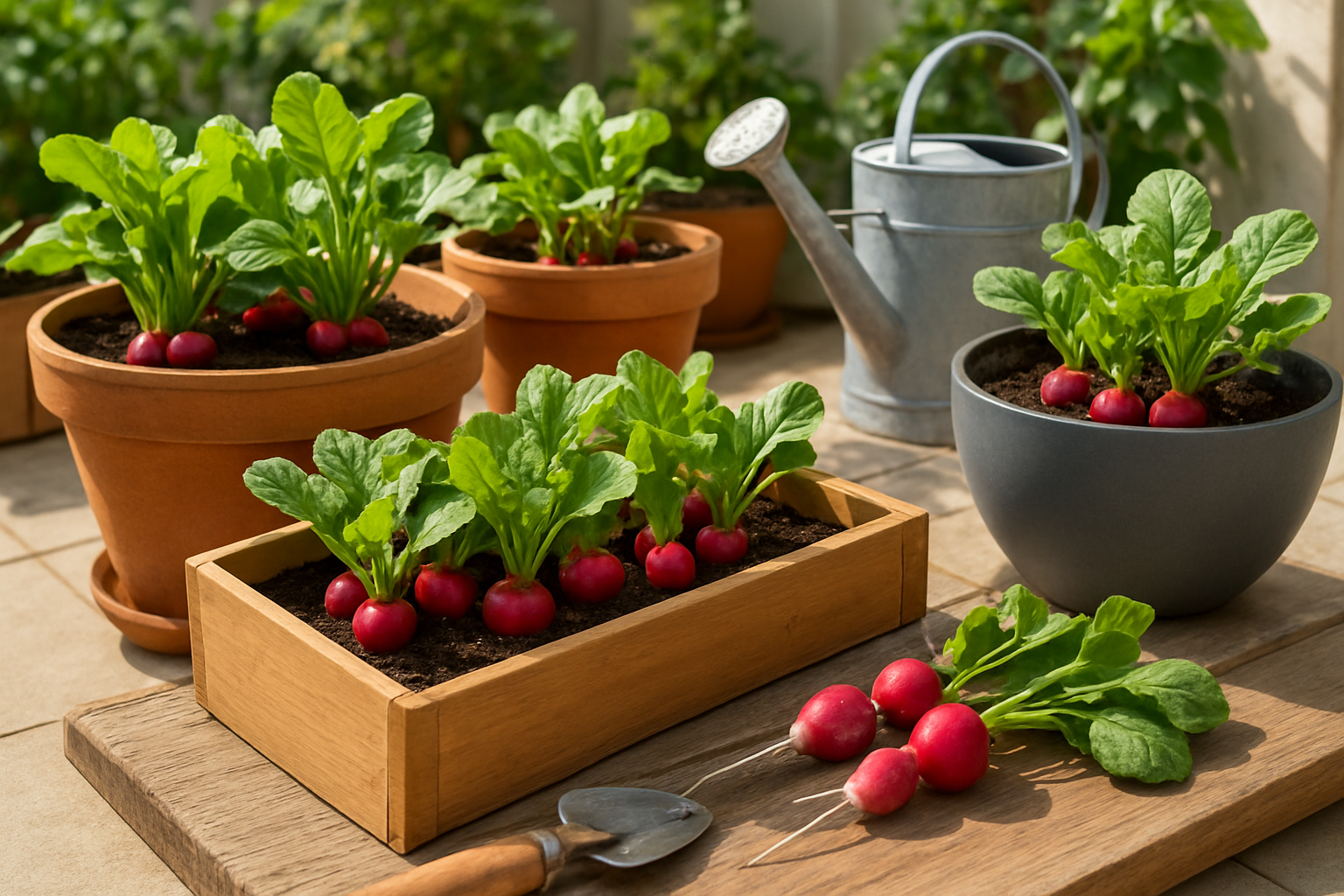
Radishes thrive in loose, well-draining soil that allows their roots to expand freely without obstruction. The ideal soil pH ranges between 6.0 and 7.0, creating the perfect environment for optimal nutrient absorption. Before planting, work the soil to a depth of 8-10 inches, breaking up any compacted areas that could cause radish roots to become stunted or misshapen.
Mix in 2-3 inches of compost or well-aged manure to improve soil structure and fertility. Avoid fresh manure, which can cause excessive leaf growth at the expense of root development. Sandy loam soil works best for growing radishes, but heavy clay soils can be amended with coarse sand and organic matter to improve drainage.
Remove stones, debris, and clumps that might impede root growth. Radish roots need to penetrate soil easily, especially for longer varieties that require deeper growing space. Test soil drainage by digging a hole 6 inches deep and filling it with water. If water remains after 24 hours, add more organic matter or consider raised beds for better drainage.
Optimal Planting Times Throughout the Year
Radishes are cool-season crops that perform best in temperatures between 50-65°F. Spring planting should begin 2-4 weeks before the last expected frost, as radishes can tolerate light frosts and actually develop better flavor in cooler conditions.
For continuous harvests, practice succession planting by sowing new seeds every 10-14 days throughout the growing season. Summer plantings work well in northern climates, but choose heat-tolerant varieties and provide afternoon shade in warmer regions.
Fall plantings often produce the best quality radishes, as cooling temperatures slow bolt tendency and enhance flavor development. Start fall crops 8-10 weeks before the first hard frost. Winter radishes, such as daikon varieties, need longer growing periods and should be planted in mid to late summer for fall harvest.
| Season | Planting Time | Best Varieties |
|---|---|---|
| Spring | 2-4 weeks before last frost | Cherry Belle, French Breakfast |
| Summer | Early summer in cool climates | White Icicle, Easter Egg |
| Fall | 8-10 weeks before hard frost | Black Spanish, Watermelon |
Spacing Requirements for Healthy Growth
Proper spacing prevents overcrowding and ensures each radish develops to its full potential. Sow seeds ½ inch deep in rows spaced 6-12 inches apart, depending on the variety size. Small globe radishes need 1-2 inches between plants, while larger varieties require 3-4 inches of spacing.
Thin seedlings when they reach 1-2 inches tall, keeping the strongest plants and removing weaker ones. Crowded radishes compete for nutrients and water, resulting in all tops and no roots, or small, poorly formed roots.
How to grow radishes successfully depends heavily on giving them adequate room. Container growing works well with proper spacing - use containers at least 6 inches deep for small varieties and 12 inches deep for longer types like icicle radishes. Space plants according to mature size, allowing room for both root and leaf development.
Culinary Uses That Maximize Flavor and Nutrition
Raw Preparations for Maximum Crunch and Nutrition
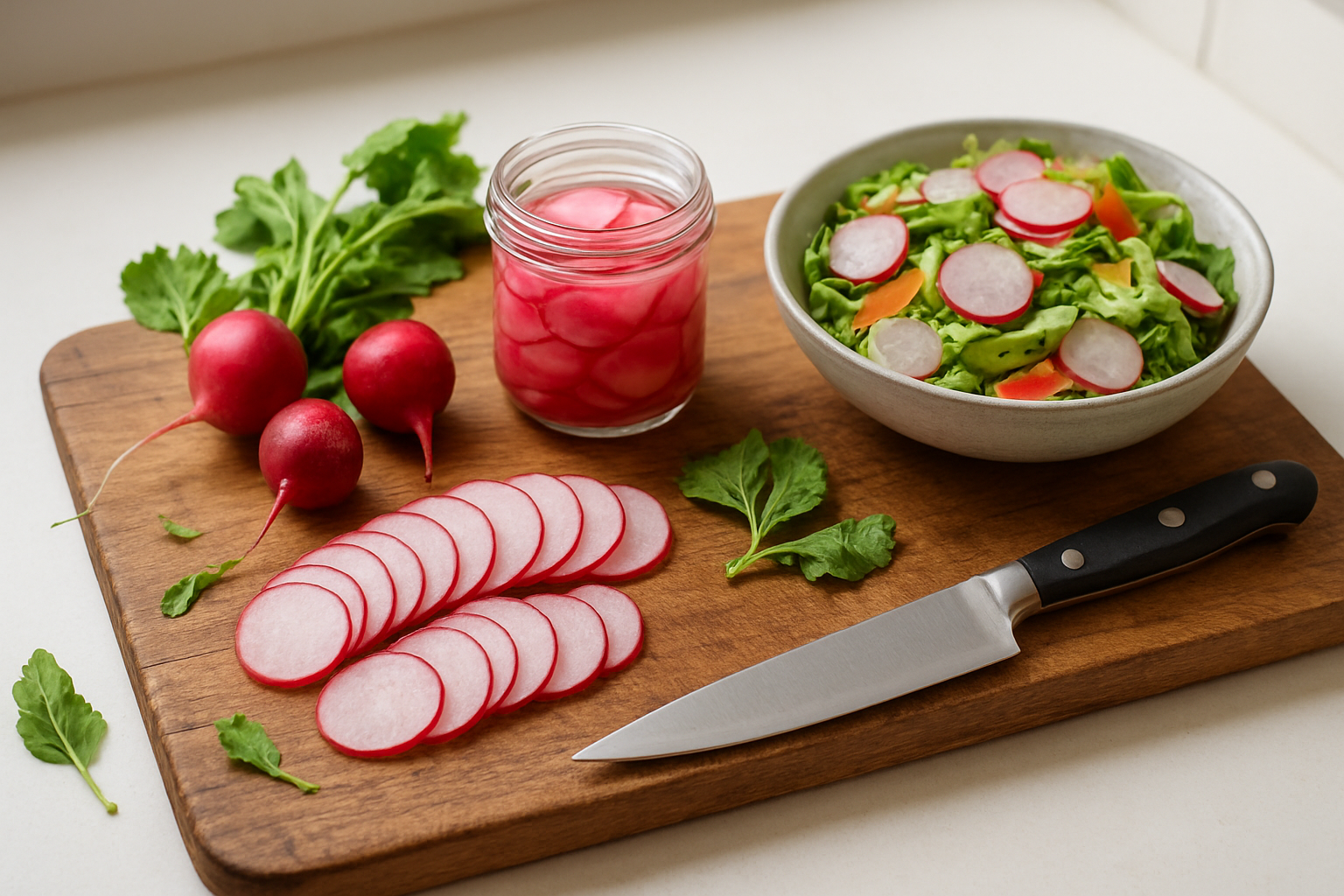
Fresh radishes deliver their best nutritional punch when eaten raw. Their crisp texture and peppery bite make them perfect for salads, where they add both visual appeal and a satisfying crunch. Slice them thin and toss with mixed greens, or julienne them for Asian-inspired slaws. The key to maximizing radish nutrition is consuming them within a few days of harvest or purchase.
Creating radish-based salsas brings out their natural zest while preserving heat-sensitive vitamins. Dice radishes with tomatoes, onions, and cilantro for a refreshing twist on traditional salsa. Their natural compounds remain intact when raw, providing maximum anti-inflammatory benefits.
For entertaining, radishes make excellent crudité additions. Serve whole baby radishes with hummus or herb butter, or create radish "chips" by slicing them paper-thin and serving with dips. This preparation method keeps all their vitamin C content intact while providing a low-calorie snacking option.
Cooking Methods That Enhance Natural Sweetness
Heat transforms radishes dramatically, mellowing their sharp bite and bringing out unexpected sweetness. Roasting whole or halved radishes at 400°F for 20-25 minutes caramelizes their natural sugars while maintaining their firm texture. Toss with olive oil, salt, and herbs before roasting for enhanced flavor.
Sautéing radishes quickly over medium-high heat creates a tender-crisp texture that works beautifully in stir-fries. Their peppery edge softens while retaining enough bite to provide textural interest. This cooking method pairs especially well with Asian-inspired seasonings like soy sauce, ginger, and garlic.
Braising radishes in broth creates an unexpectedly elegant side dish. The slow cooking process transforms their assertive flavor into something mild and comforting. Add radishes to pot roasts or braises during the last 30 minutes of cooking to prevent them from becoming mushy.
Creative Recipe Ideas for Every Meal
Breakfast gets a nutritious boost with radish hash. Dice radishes and sauté with potatoes and onions for a colorful morning meal. Their natural crunch adds texture while their slight spiciness wakes up the palate. Top with fried eggs for a complete protein-rich breakfast.
Lunch options expand with radish sandwiches, a classic European combination. Butter fresh bread and layer with thinly sliced radishes and a sprinkle of sea salt. This simple preparation highlights radishes' clean flavor while providing satisfying crunch. Add radish sprouts for extra nutrition and texture.
Dinner preparations include radish gratin, where thin slices layer with cream and cheese for an unexpected side dish. Their subtle flavor works beautifully with rich dairy products. Radish recipes also shine in pickling applications, where their natural firmness holds up well to acidic brines.
Preservation Techniques to Extend Shelf Life
Quick pickling transforms fresh radishes into tangy condiments that last weeks in the refrigerator. Slice radishes thin and submerge in a simple brine of equal parts water and vinegar with salt and sugar. Add spices like peppercorns or dill for extra flavor complexity.
Fermentation creates probiotic-rich radish preparations similar to kimchi. Salt-massage sliced radishes and let them ferment at room temperature for several days before refrigerating. This preservation method enhances their nutritional profile while creating complex, tangy flavors.
Dehydrating radishes creates crispy chips that store for months in airtight containers. Slice them uniformly thin and dehydrate at 135°F until completely crisp. These make excellent garnishes for soups or salads and provide concentrated radish flavor.
Freezing works best for cooked radish preparations. Blanch whole small radishes for two minutes, then freeze in portions. While texture changes slightly, frozen radishes work well in soups and stews where they'll be cooked through.
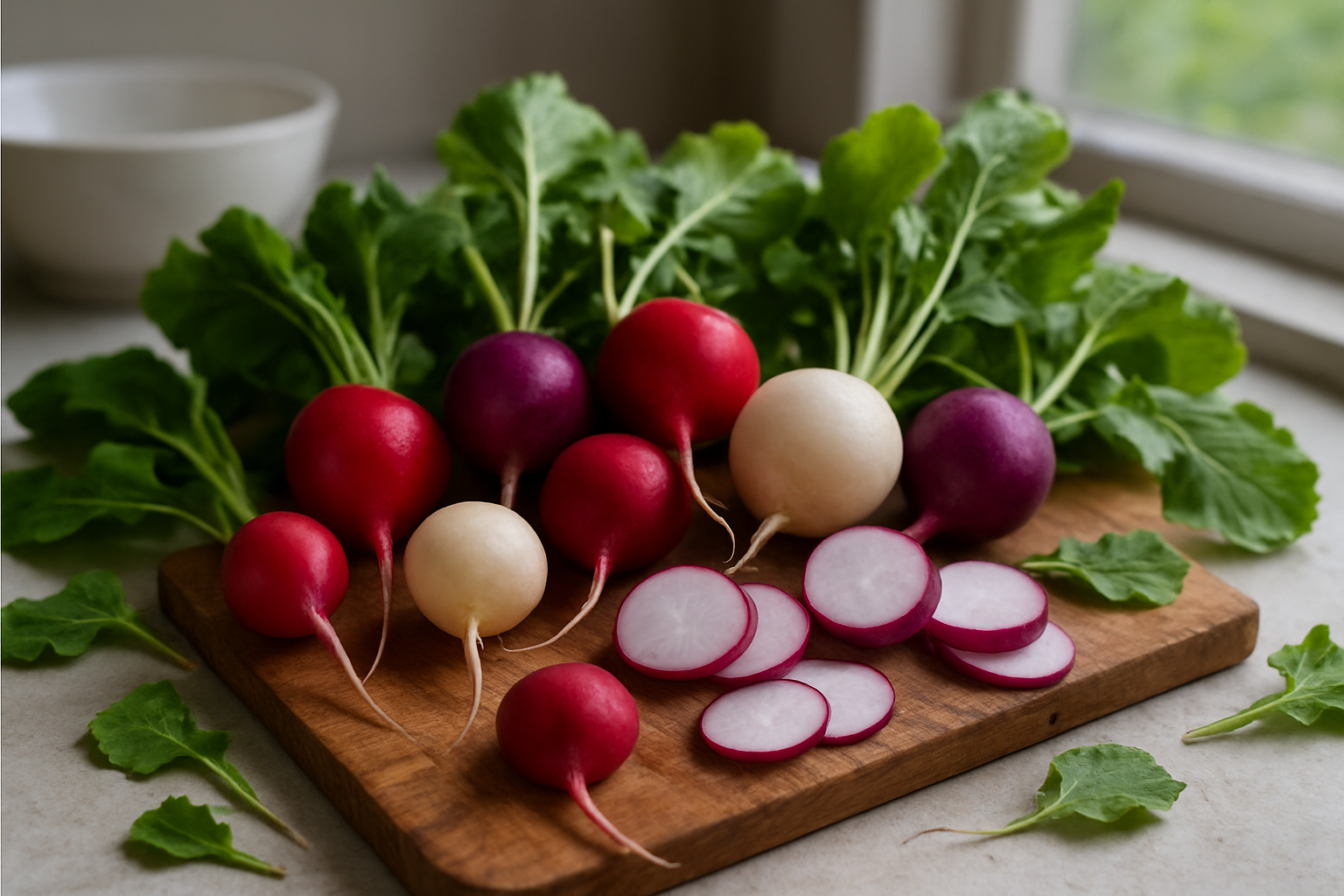
Radishes pack an impressive nutritional punch while being incredibly easy to grow and cook with. These crisp root vegetables deliver vitamin C, fiber, and antioxidants that support your immune system and digestive health. From the classic red globe radish to spicy daikon and colorful watermelon varieties, there's a type perfect for every garden space and taste preference.
Growing your own radishes takes just a few weeks and minimal space, making them ideal for beginners and experienced gardeners alike. Whether you're adding them raw to salads for crunch, roasting them to bring out their natural sweetness, or pickling them for tangy flavor, radishes deserve a spot in your regular meal rotation. Start small with a packet of seeds or grab some fresh radishes from the market – your taste buds and body will thank you for discovering this underrated vegetable gem.


.png)
Comments
Post a Comment