Turnips - What are Turnips?
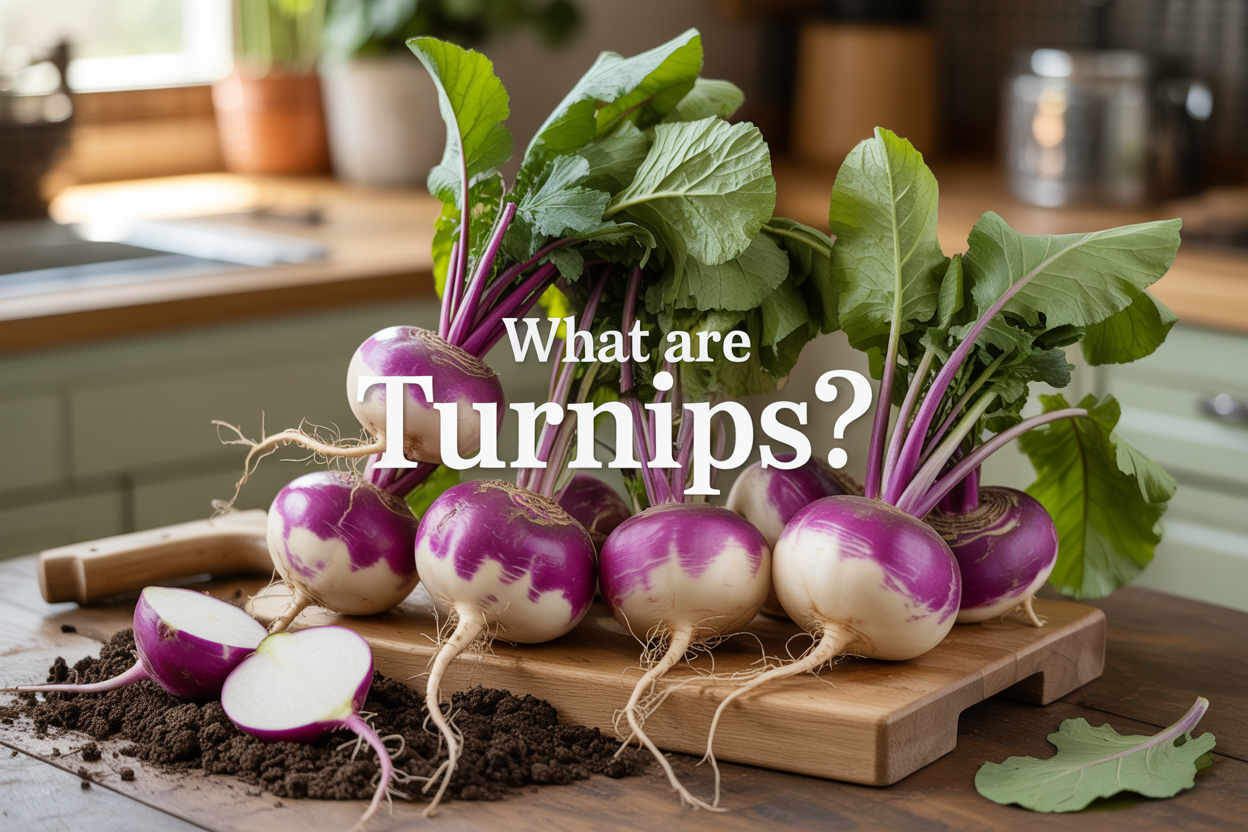
Turnips are round, white root vegetables with purple tops that have been feeding families for thousands of years. This guide is perfect for home gardeners, health-conscious cooks, and anyone curious about adding these versatile vegetables to their meals.
Many people walk past turnips at the grocery store without giving them a second thought, but these humble roots pack serious nutritional benefits and can transform your cooking when prepared properly. We'll explore what makes turnips unique among root vegetables and why they deserve a spot in your garden and kitchen.
You'll discover the impressive health benefits turnips bring to your diet, from immune-boosting vitamin C to fiber that supports digestion. We'll also cover practical growing tips that help you cultivate fresh turnips in your own garden, plus cooking methods that bring out their naturally sweet, slightly peppery flavor.
Understanding Turnips as Root Vegetables
Physical characteristics and appearance of turnips
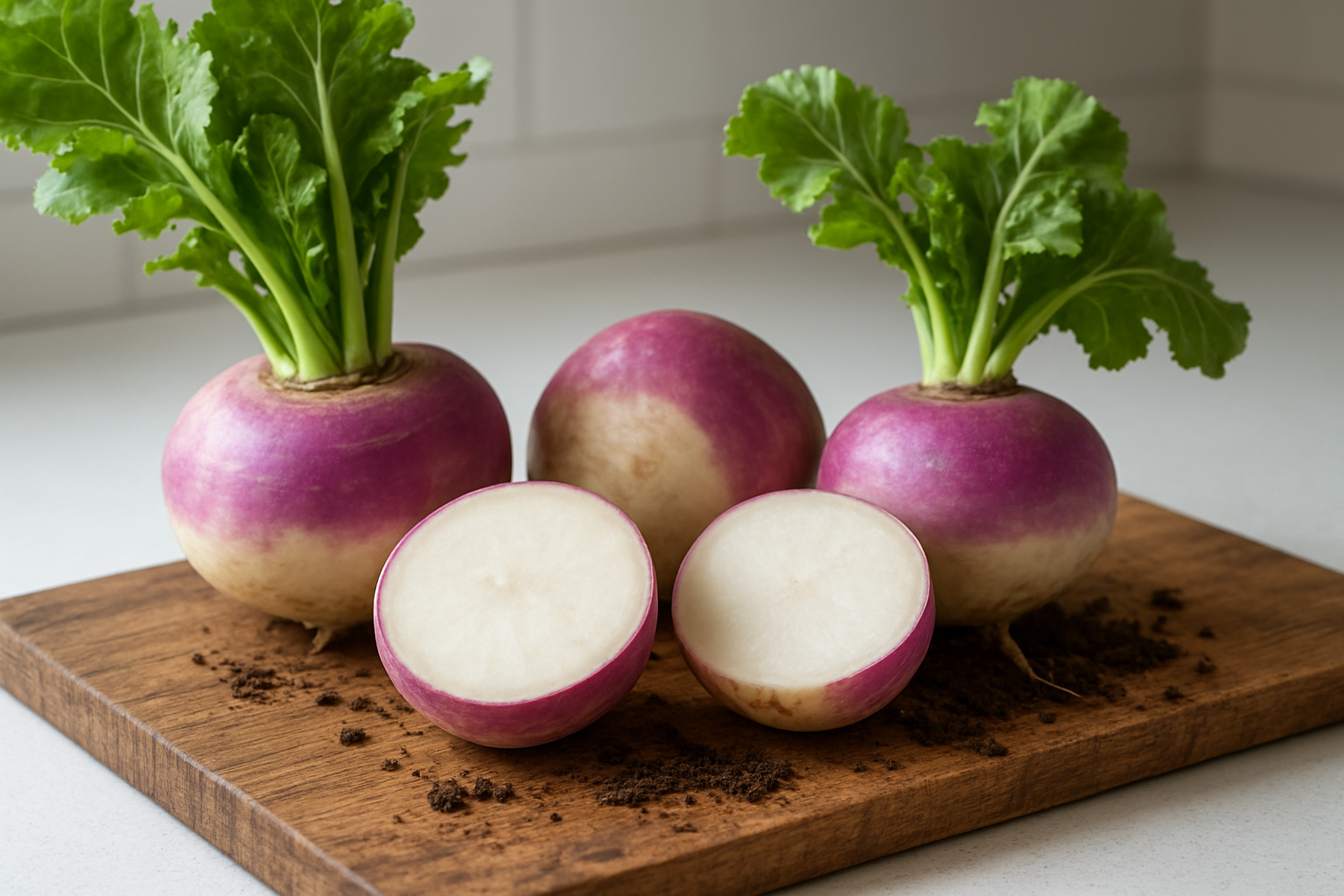
Turnips are distinctive round or slightly flattened root vegetables that grow underground, with their leafy green tops extending above the soil surface. The actual turnip root typically measures 2-5 inches in diameter and displays a characteristic white flesh beneath its outer skin. The skin itself presents an interesting two-toned appearance - creamy white on the lower portion that grows underground, transitioning to a purple, pink, or greenish hue on the upper section exposed to sunlight.
The texture of fresh turnips feels firm and dense when properly mature, similar to a potato but slightly softer. Their shape can vary from perfectly round to more elongated, depending on the variety and growing conditions. The leaves that sprout from the top are bright green, serrated, and completely edible, offering a slightly bitter taste that many people enjoy in salads or cooked dishes.
What makes turnips particularly recognizable is their smooth, almost waxy skin that's easy to peel. When cut open, the white flesh may show subtle rings or zones, indicating the growth patterns of the vegetable. Fresh turnips should feel heavy for their size and display vibrant coloring without soft spots or blemishes.
Scientific classification and botanical family
Turnips belong to the Brassicaceae family, also known as the mustard or cabbage family, sharing this classification with vegetables like broccoli, cauliflower, kale, and Brussels sprouts. Their scientific name is Brassica rapa, and they represent one of the oldest cultivated vegetables in human history.
This botanical family connection explains why turnips share certain characteristics with their relatives, including their slightly peppery flavor and the presence of glucosinolates - compounds that provide both taste and potential health benefits. The Brassicaceae family is known for producing vegetables with high nutritional value and natural compounds that support human health.
Turnips are classified as a cool-season crop, meaning they thrive in cooler temperatures and can even improve in flavor after experiencing light frost. Their classification as Brassica rapa distinguishes them from rutabagas, which are actually Brassica napobrassica - a hybrid between turnips and cabbage.
The vegetable grows as a biennial plant, though most gardeners harvest them in their first year before they flower. If left to complete their life cycle, turnips will produce yellow flowers in their second year and eventually form seed pods characteristic of the mustard family.
How turnips differ from similar vegetables like radishes and rutabagas
Many people confuse turnips with other root vegetables, but several key differences set them apart. Radishes are much smaller, typically harvested at 1-2 inches in diameter, and have a distinctly sharper, more peppery bite. While both vegetables are white-fleshed, radishes grow much faster and are usually eaten raw, whereas turnips are commonly cooked and have a milder, slightly sweet flavor.
The confusion between turnips and rutabagas runs deeper since rutabagas are actually a cross between turnips and cabbage. Rutabagas are generally larger, often reaching 4-6 inches in diameter, and display a more yellowish flesh compared to turnips' pure white interior. Rutabagas also have a waxy coating on their skin and require longer cooking times due to their denser texture.
| Characteristic | Turnips | Radishes | Rutabagas |
|---|---|---|---|
| Size | 2-5 inches | 1-2 inches | 4-6 inches |
| Flesh Color | White | White | Yellow-white |
| Skin Color | White with purple top | Red, white, or purple | Purple with yellow bottom |
| Taste | Mild, slightly sweet | Sharp, peppery | Sweet, earthy |
| Texture | Firm, tender when cooked | Crisp, crunchy | Dense, firm |
| Growing Time | 6-10 weeks | 3-5 weeks | 12-16 weeks |
Another key difference lies in their storage capabilities. Turnips store well but not as long as rutabagas, which can last for months in proper conditions. The growing seasons also vary - radishes are quick-growing crops perfect for succession planting, while rutabagas need a much longer growing season to develop their full size and flavor profile.
Nutritional Benefits of Adding Turnips to Your Diet
Essential Vitamins and Minerals Found in Turnips
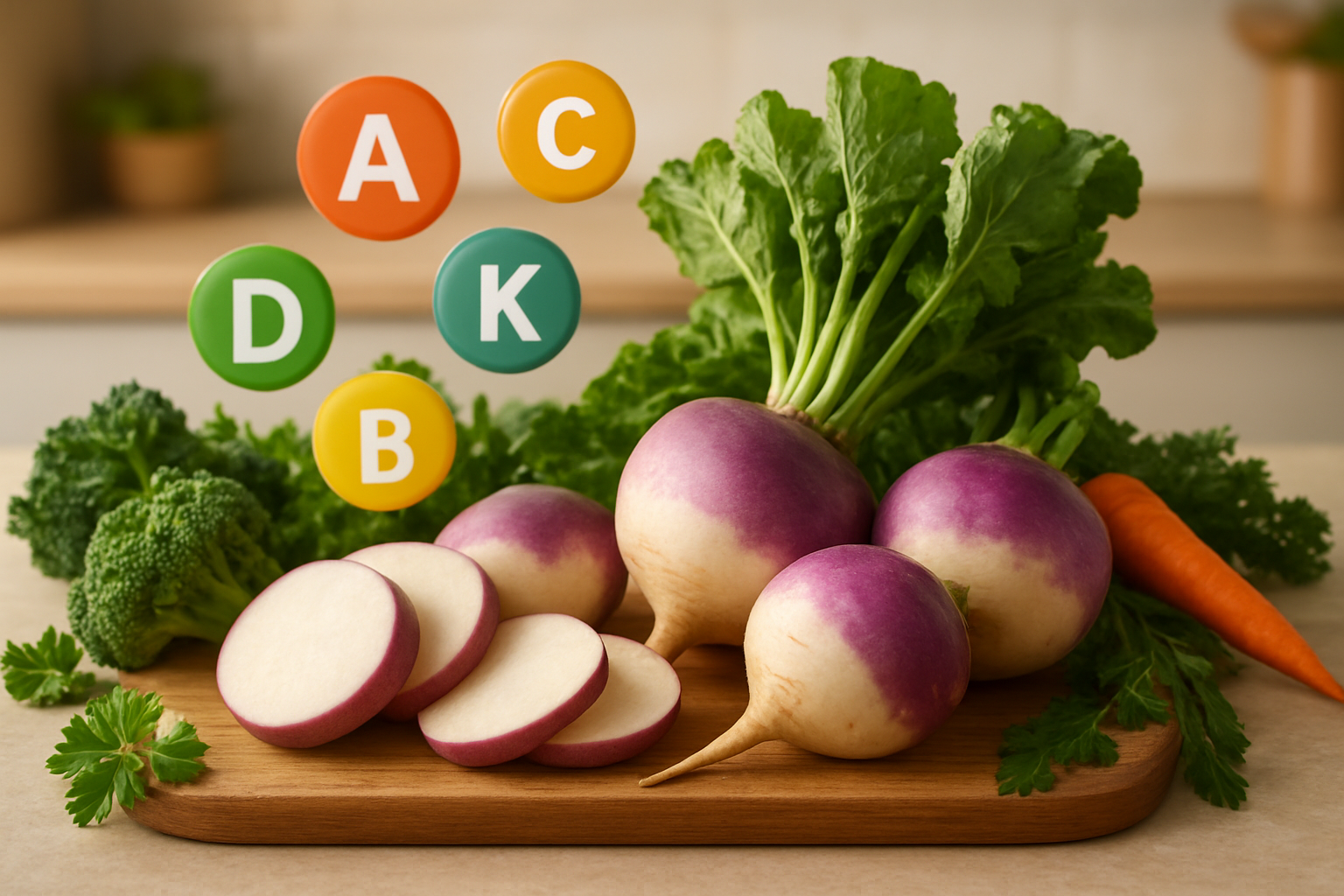
Turnips pack a serious nutritional punch that many people overlook. These humble root vegetables contain impressive amounts of vitamin C - actually more than oranges per serving. A single cup of raw turnips provides about 30% of your daily vitamin C needs, making them excellent for maintaining healthy skin and supporting wound healing.
The vitamin K content in turnips deserves special attention. This nutrient plays a crucial role in blood clotting and bone health. Just one cup delivers nearly 20% of your daily requirement. Turnips also contain folate, which supports cell division and DNA synthesis, making them particularly beneficial for pregnant women.
When it comes to minerals, turnips shine with their potassium content. This electrolyte helps regulate blood pressure and supports proper muscle and nerve function. You'll also find calcium, magnesium, and phosphorus in these versatile vegetables, all working together to maintain strong bones and teeth.
Low-Calorie Content for Weight Management
Anyone watching their weight will appreciate turnips' incredibly low calorie count. A full cup of cubed raw turnips contains only about 36 calories, making them perfect for filling up without filling out. This means you can enjoy generous portions without worrying about your calorie budget.
The high water content in turnips - approximately 92% - contributes to their low calorie density while helping you stay hydrated. This combination creates a satisfying eating experience that can help curb overeating and support healthy weight management goals.
Fiber Content for Digestive Health
Turnips provide excellent fiber content with about 2 grams per cup. This dietary fiber supports healthy digestion by promoting regular bowel movements and feeding beneficial gut bacteria. The fiber also helps slow down sugar absorption, preventing blood sugar spikes after meals.
Regular consumption of fiber-rich foods like turnips can reduce the risk of digestive issues and may lower cholesterol levels. The combination of soluble and insoluble fiber in turnips works together to keep your digestive system running smoothly.
Antioxidant Properties and Immune System Support
Turnip nutrition benefits extend to powerful antioxidant compounds that protect your cells from damage. These vegetables contain glucosinolates, sulfur compounds that give turnips their slightly sharp flavor while providing protective benefits against cellular damage.
The vitamin C and other antioxidants in turnips work as a team to support your immune system. Regular consumption may help your body fight off infections more effectively and reduce inflammation throughout your system.
Growing Turnips Successfully in Your Garden
Ideal soil conditions and climate requirements
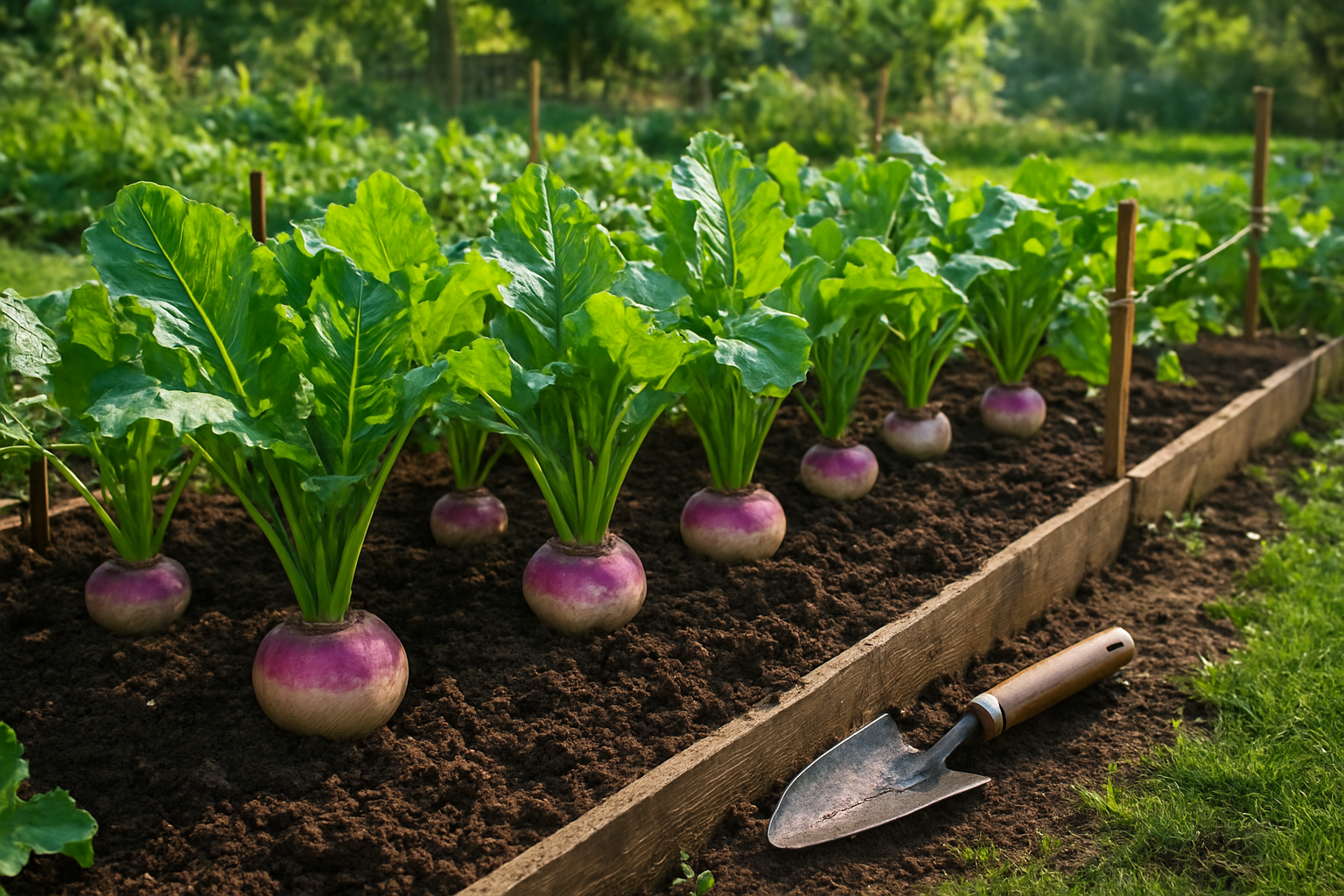
Turnips thrive in cool weather and prefer well-draining soil with a pH between 6.0 and 7.5. These hardy root vegetables actually perform best when temperatures range from 50°F to 65°F, making them perfect for spring and fall gardens. The soil should be loose and fertile, allowing the turnip roots to develop properly without becoming stunted or misshapen.
Sandy loam or loamy soil works exceptionally well for growing turnips, as it provides the right balance of drainage and nutrient retention. Heavy clay soils can cause problems because they retain too much moisture and make it difficult for the roots to expand. If you're working with clay soil, add compost or aged manure to improve texture and drainage.
Planting techniques and timing for best results
Plant turnip seeds directly in the garden about 2-4 weeks before the last spring frost or 10-12 weeks before the first fall frost. Spring plantings should go in the ground when soil temperatures reach 40°F, while fall crops can be planted in late summer for a winter harvest.
Sow seeds ½ inch deep and space them about 1 inch apart in rows that are 12-18 inches apart. Once seedlings emerge and develop their first true leaves, thin them to 4-6 inches apart to give each plant adequate growing space. The thinned seedlings make excellent additions to salads.
| Planting Season | Best Timing | Days to Maturity |
|---|---|---|
| Spring | 2-4 weeks before last frost | 45-60 days |
| Fall | 10-12 weeks before first frost | 45-60 days |
Watering and fertilization needs
Turnips need consistent moisture throughout their growing period, requiring about 1 inch of water per week. Keep the soil evenly moist but not waterlogged, as soggy conditions can lead to root rot and other diseases. Mulching around plants helps retain moisture and suppress weeds.
Before planting, work a balanced fertilizer (10-10-10) into the soil according to package directions. Turnips don't require heavy feeding, but a side-dressing of nitrogen fertilizer when plants are about 4 inches tall can boost leaf growth. Avoid over-fertilizing with nitrogen, as this promotes leafy growth at the expense of root development.
Common pests and diseases to watch for
Several pests can damage turnip crops, including:
Flea beetles: Small jumping insects that create tiny holes in leaves
Cabbage maggots: Larvae that tunnel into roots
Aphids: Small insects that cluster on leaves and stems
Cutworms: Caterpillars that cut through stems at soil level
Row covers provide excellent protection against many pests, especially during the vulnerable seedling stage. Remove covers once plants are established and temperatures warm up.
Disease problems include clubroot, which causes swollen, distorted roots, and black rot, which creates dark lesions on leaves. Crop rotation helps prevent these soil-borne diseases from building up in your garden.
Harvesting tips for maximum flavor
Harvest turnips when they reach 2-3 inches in diameter for the best flavor and texture. Larger turnips become woody and bitter. Most varieties are ready to harvest 45-60 days after planting, but you can start pulling baby turnips as soon as they're golf ball-sized.
The best time to harvest is in the morning when temperatures are cool. Gently pull turnips from loose soil, or use a garden fork to loosen stubborn roots. Don't forget about the greens – turnip leaves are edible and nutritious when harvested young and tender.
Cooking Methods That Enhance Turnip Flavor
Roasting Techniques for Caramelized Sweetness
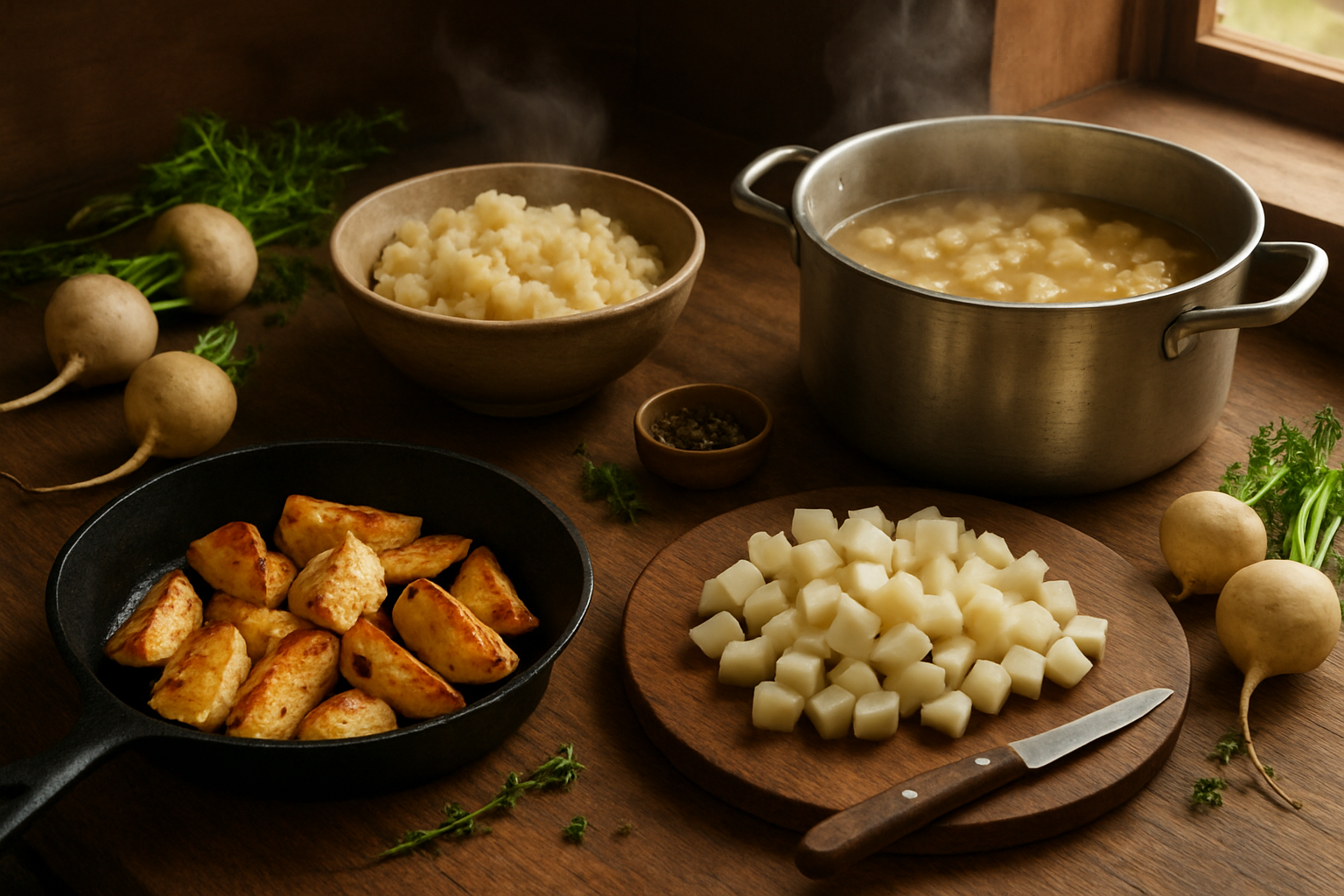
Roasting transforms turnips into golden, caramelized gems that bring out their natural sweetness. Cut turnips into uniform chunks, about 1-inch pieces, to ensure even cooking. Toss them with olive oil, salt, and pepper before spreading them on a baking sheet in a single layer. Roast at 425°F for 25-30 minutes, flipping halfway through.
The high heat creates a beautiful caramelization on the exterior while keeping the interior tender. For extra flavor, add herbs like rosemary or thyme during the last 10 minutes of cooking. You can also combine turnips with other root vegetables like carrots and parsnips for a colorful medley. The natural sugars in turnips concentrate during roasting, creating a sweet, nutty flavor that surprises people who think they don't like this versatile vegetable.
Boiling and Mashing as Potato Alternatives
Boiled and mashed turnips offer a lighter alternative to traditional mashed potatoes with fewer carbs and calories. Start by peeling turnips and cutting them into evenly sized pieces. Boil in salted water for 15-20 minutes until fork-tender. Drain thoroughly and let excess moisture evaporate for a few minutes.
Mash turnips with butter, cream, or milk just like potatoes, but use a lighter hand since turnips have more natural moisture. Season with salt, pepper, and garlic for classic flavor. For creamier results, pass the mashed turnips through a food mill or ricer. The texture is slightly different from potatoes - a bit more fibrous - but the flavor is mild and comforting. Try mixing mashed turnips with mashed potatoes for a perfect compromise that adds nutrition without shocking picky eaters.
Raw Preparations for Salads and Slaws
Raw turnips add crisp texture and peppery bite to fresh preparations. Young, small turnips work best for raw applications since they're more tender and less bitter. Peel turnips completely and slice them paper-thin using a mandoline or sharp knife. Soak sliced turnips in ice water for 30 minutes to reduce any harsh bite and increase crispness.
Shredded raw turnips make excellent slaw when mixed with cabbage, carrots, and apples. The natural pepperiness pairs beautifully with sweet elements and creamy dressings. Try julienned turnips in Asian-inspired salads with sesame oil, rice vinegar, and soy sauce. Raw turnip slices also work wonderfully as a crunchy garnish for soups or as a base for canapes. Their clean, sharp flavor cuts through rich dishes perfectly.
Pickling Methods for Preserved Turnips
Pickled turnips are a Middle Eastern staple that transforms this humble root into a tangy, vibrant condiment. The classic Lebanese method creates bright pink pickles that are as beautiful as they are delicious. Cut turnips into sticks or wedges and layer with beet slices in clean jars.
Create a brine with equal parts water and white vinegar, plus salt and sugar to taste. Heat the brine until salt dissolves, then pour over turnips while hot. Add garlic cloves and bay leaves for extra flavor. The beets not only provide stunning color but also add earthiness that complements the turnip's natural taste.
Quick pickles are ready in just a few hours, while traditional fermented versions develop complex flavors over several days. These pickled turnips keep for months in the refrigerator and make fantastic additions to sandwiches, mezze platters, and grain bowls. The acidity balances rich, fatty foods beautifully.
Selecting and Storing Turnips for Maximum Freshness
How to choose quality turnips at the market
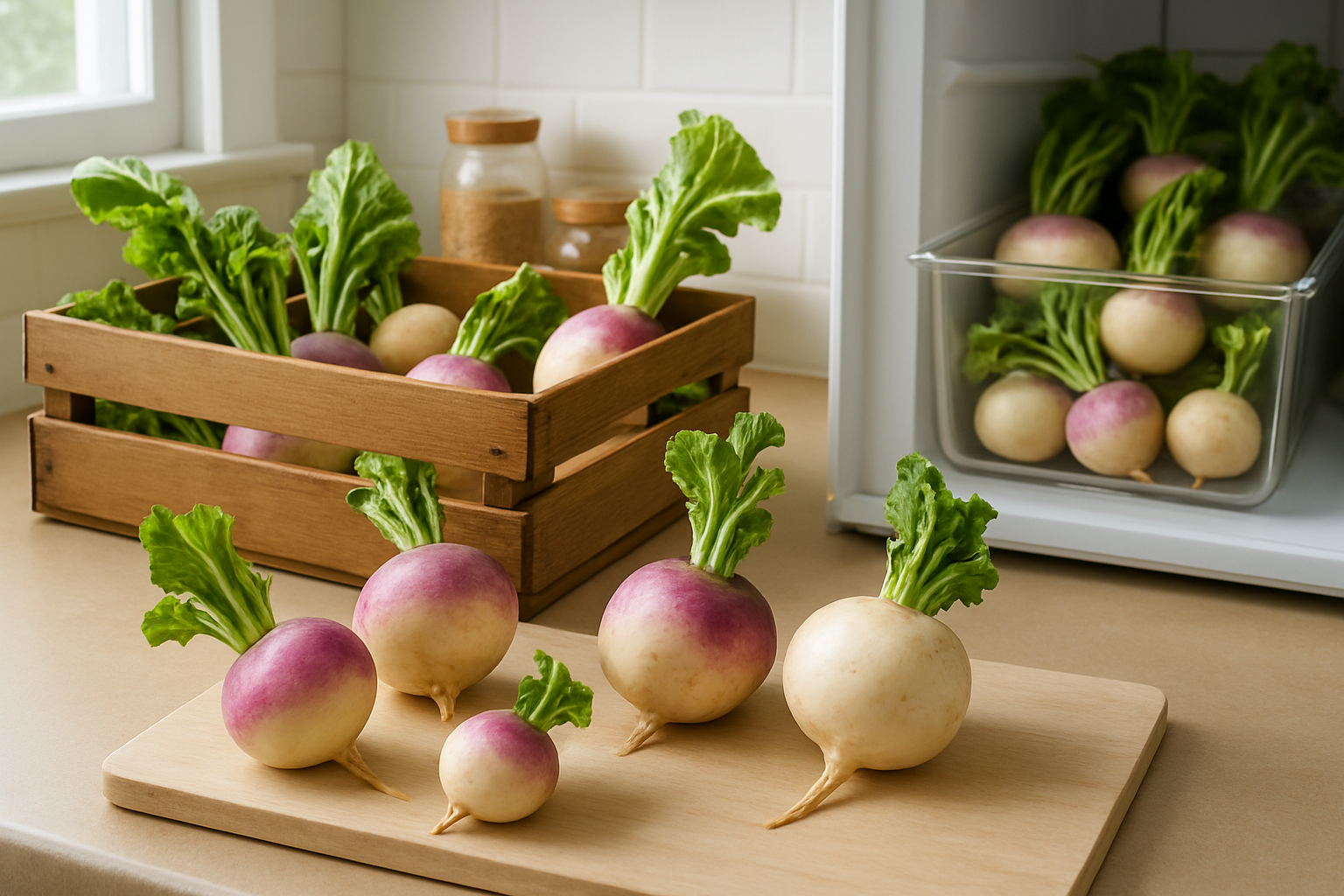
When shopping for turnips, look for roots that feel heavy for their size and have smooth, firm skin without soft spots or blemishes. Fresh turnips should have a creamy white or purple-tinged appearance with no wrinkled or shriveled areas. The skin should give slightly when pressed but bounce back immediately - avoid any that feel spongy or have dark, mushy patches.
Pay attention to the greens if they're still attached. Vibrant, crisp leaves indicate recently harvested turnips, while yellowed or wilted tops suggest the vegetables have been sitting around for a while. Small to medium-sized turnips typically offer the best flavor and texture, as larger ones can become woody and bitter. Golf ball to tennis ball size represents the sweet spot for most cooking applications.
Check the root end where the taproot was removed - it should appear fresh and light-colored rather than dark or dried out. A strong, unpleasant odor signals that the turnip is past its prime and should be avoided.
Proper storage techniques to extend shelf life
Storing turnips properly can keep them fresh for several weeks. Remove the leafy tops immediately after purchase, as they continue drawing moisture and nutrients from the root. The greens can be stored separately in the refrigerator and used within a few days for salads or sautéing.
Store the turnip roots in the refrigerator's crisper drawer, wrapped loosely in plastic bags or placed in perforated plastic bags to maintain humidity while allowing air circulation. Unwashed turnips last longer than pre-washed ones, so wait to clean them until you're ready to cook.
For longer storage, turnips can be kept in a cool, dark basement or root cellar at temperatures between 32-40°F with high humidity. Pack them in damp sand or peat moss, ensuring they don't touch each other. Under these conditions, turnips can stay fresh for 2-3 months.
Avoid storing turnips near apples or other ethylene-producing fruits, which accelerate ripening and spoilage.
Signs of spoilage to avoid
Recognizing when turnips have gone bad prevents food waste and potential digestive issues. Soft, mushy spots indicate bacterial or fungal growth and signal that the turnip should be discarded. Dark, sunken areas or black patches are clear signs of decay.
A strong, sour, or rotten smell emanating from the turnip means it's well past edible. Fresh turnips have a mild, slightly peppery aroma that's barely noticeable.
Visual cues include yellowing skin, excessive wrinkling, or a dried-out appearance. Mold growth, appearing as fuzzy white, green, or black spots, renders the entire turnip unsafe for consumption.
If the turnip feels hollow when tapped or has sprouted green shoots, it's lost most of its nutritional value and flavor. While sprouted turnips aren't necessarily dangerous, they'll taste bitter and have an unpleasant, fibrous texture that won't improve with cooking.
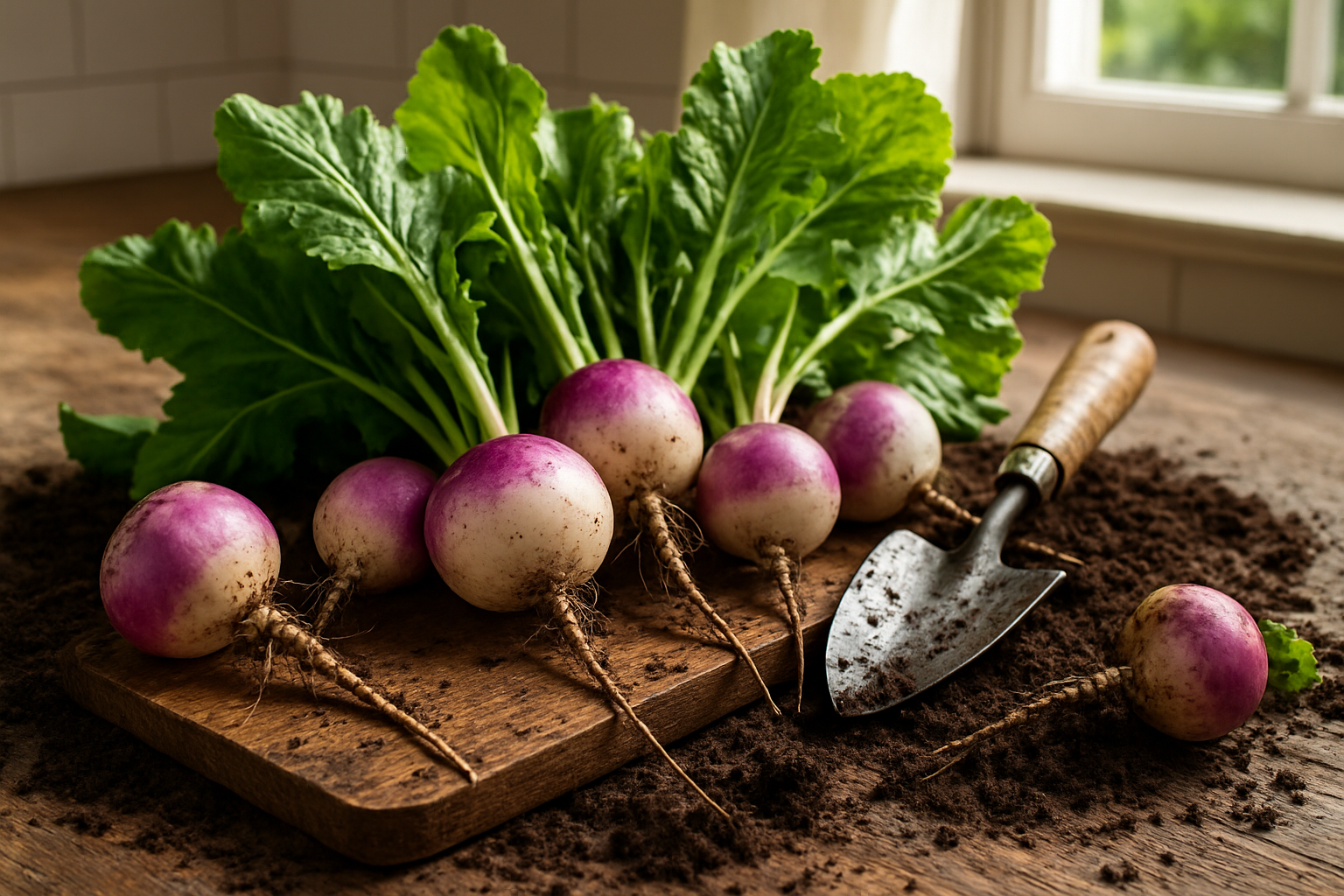
Turnips pack a serious nutritional punch while being incredibly easy to grow and cook with. These versatile root vegetables offer vitamin C, fiber, and antioxidants that support your immune system and digestive health. From roasting them to bring out their natural sweetness to adding them raw to salads for extra crunch, turnips can fit into almost any meal plan.
Getting started with turnips doesn't have to be complicated. Pick firm, smooth bulbs at the store and keep them in your fridge for weeks. If you're thinking about growing your own, these hardy vegetables grow quickly in cool weather and don't need much fussing over. Give turnips a chance in your kitchen – your taste buds and your body will thank you for adding this underrated vegetable to your regular rotation.


.png)
Comments
Post a Comment